



Weathered Wood Sculpture
Weathered wood sculpture brings raw, aged timber and folk traditions directly into your rooms through carved figures, architectural fragments, and rustic objects.
Weathered Wood Sculpture
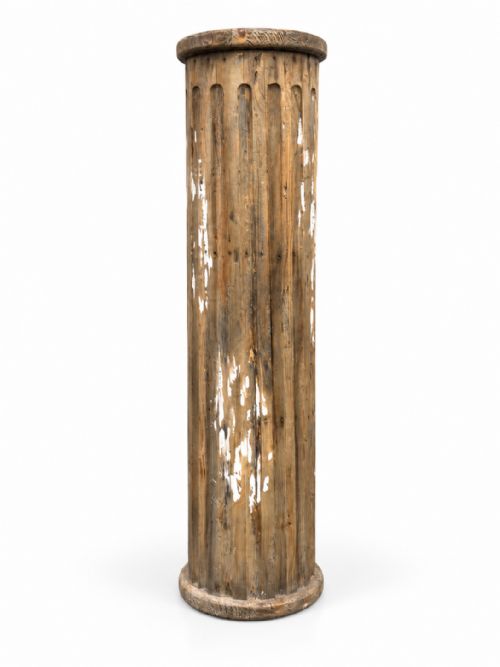
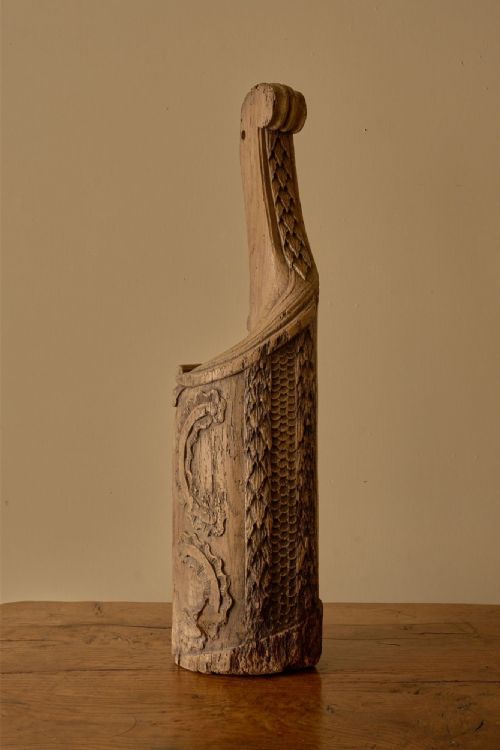
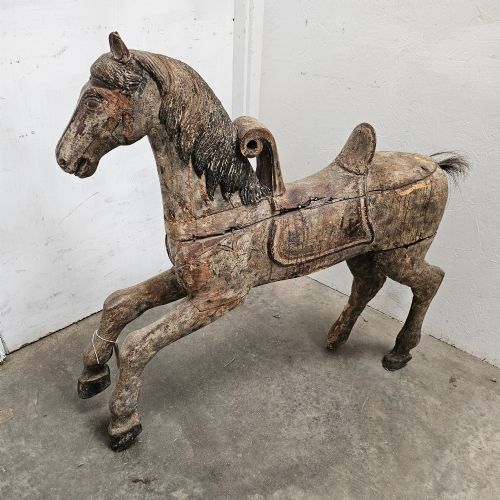
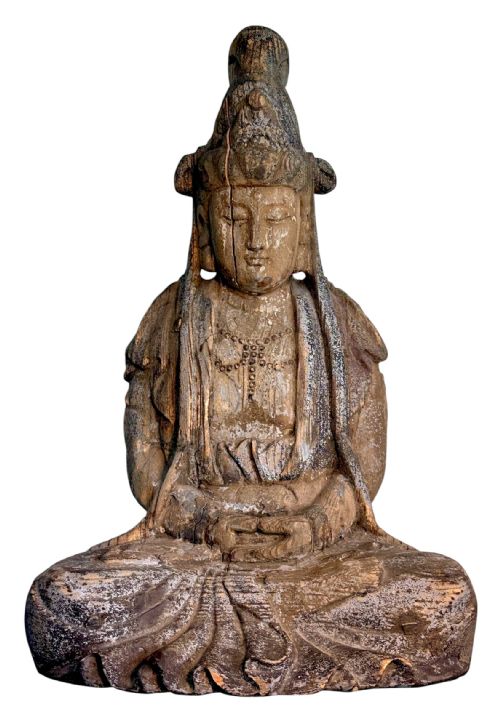
When you search for weathered wood sculpture, you are looking at carved wooden pieces whose surfaces bear the distinct marks of age, weather, and heavy use. These objects range from architectural elements like newel posts and wall panels to animal figures, religious carvings, and folk art items.
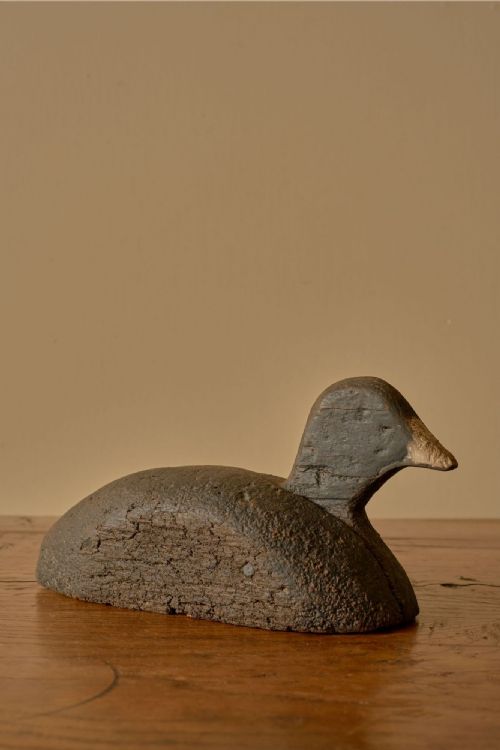
The selections span multiple centuries, reaching from sixteenth-century French Renaissance fragments and seventeenth-century continental pieces down through eighteenth-century figures, nineteenth-century folk carvings, and early twentieth-century decoys and whirligigs. You will frequently encounter rustic decorative items, decoy ducks, and carved horses alongside ritual figures and architectural salvage.
Materials extend beyond plain timber to include carved wood, oak, elm, hazel, and iron additions, often finished with remnants of gesso and paint. Origins stretch across British, French, German, Flemish, American, and Asian traditions, capturing a broad sweep of vernacular and religious craftsmanship.
How they were made
Maker-carvers shaped these pieces from various timbers including oak, elm, and hazel using hand tools, gouges, and chisels to form figures, animals, and architectural salvage. Surfaces often received layers of gesso and paint, which over decades and centuries wore away to reveal the raw grain underneath.
Structural elements frequently incorporated iron fixings, metal supports, or branch formations, particularly in items like whirligigs, drying racks, and mounted sculptures. The interaction between organic timber and applied surface finishes defines the physical makeup of these works.
Weathered Wood Sculpture Retail Price Guide 2026
Typical asking prices for weathered wood sculpture among the pieces listed under this phrase on Sellingantiques today, from the lower quarter to the upper quarter. They describe what is for sale here now, not the wider market.
Object types range from religious fragments and decoy ducks to architectural salvage, threshing boards, and canoe prow carvings.
What varies in quality
Quality rests in the strength of the carving and the character of the surface weathering, where crisp detail in early pieces meets the honest wear of vernacular objects. Pieces with intact layers of early paint or gesso hold distinct visual weight compared to stripped surfaces.
The integrity of the timber and the honesty of the ageing process separate standard items from superior examples. Proportion, sculptural presence, and the survival of original structural components dictate the standing of each piece.
The Weathered Wood Sculpture Glossary
- Polychrome
- Painted in several colours. This term describes wooden sculptures retaining historical layers of pigment.
- Newel post
- The principal post at the foot of a staircase. These architectural timbers often feature decorative carving.
- Decoy duck
- A floating wooden bird used in hunting. These carved objects now function as decorative folk art sculptures.
- Whirligig
- A wind-driven mechanical toy or folk art object. They feature moving wooden parts animated by air currents.
- Threshing board
- An agricultural board studded with flints or carved. These large wooden implements served to separate grain from husks.
Weathered Wood Sculpture: Frequently Asked Questions
What is weathered wood sculpture?
Weathered wood sculpture encompasses carved wooden figures, animals, and architectural fragments whose surfaces show the natural effects of age and environment. These items include folk art, religious carvings, and functional objects transformed by time into decorative pieces.
The category spans centuries of craftsmanship from various European, American, and global traditions, uniting disparate objects through their aged wooden surfaces and hand-carved forms.
How do I date an old wood carving?
Dating relies on tool marks, stylistic conventions of the period, wood species, and the nature of the surface wear. Earlier pieces often display hand-hewn facets and remnants of gesso or early paint.
Comparing construction methods and joinery with known historical examples helps establish the approximate age of unrecorded workshop pieces.
Where should I place these sculptures?
These sculptures suit spaces where their tactile surfaces and organic forms can contrast with clean architectural lines. Console tables, shelves, and walls provide stable display areas for figures, fragments, and wall panels.
Keeping pieces away from direct heat sources and extreme humidity protects the dry timber and any remaining historical paint layers.
Are these pieces restored?
Many items retain their original untouched surfaces, while others show historical repairs or mounted presentation stands. Condition reports typically note whether elements like mounts or structural supports are later additions.
The presence of old wear and minor losses is generally accepted as part of the authentic character of aged wooden artefacts.