
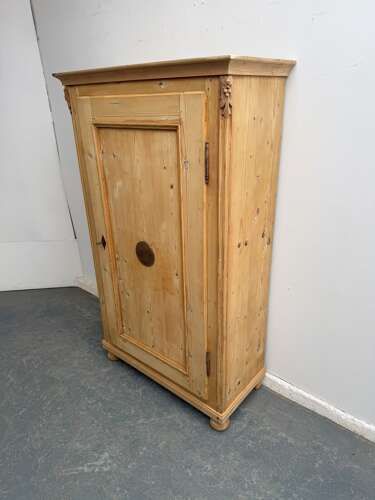
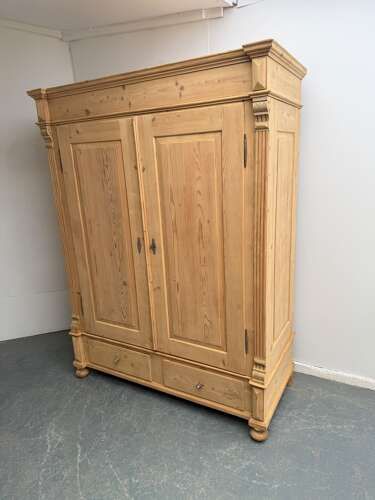
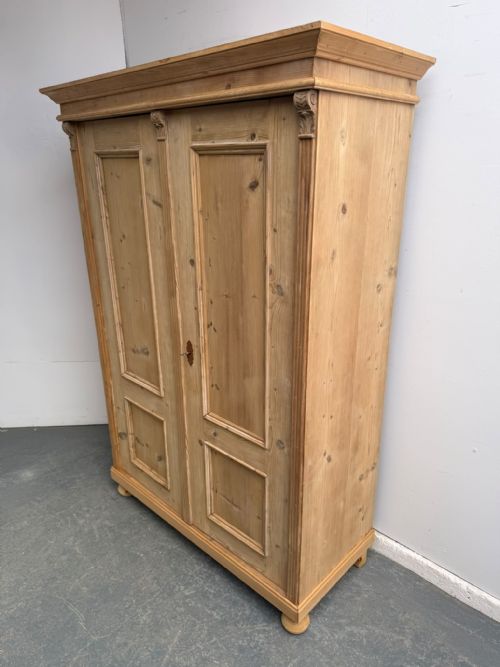
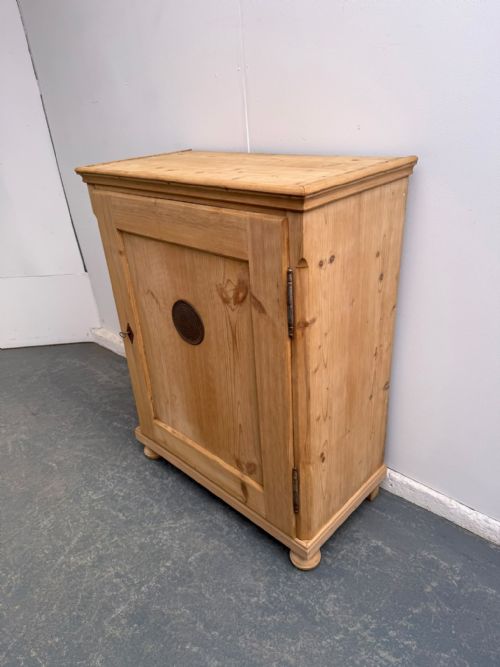
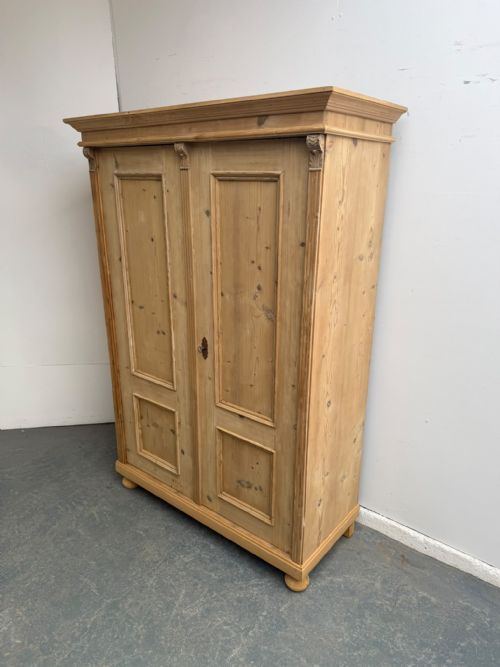

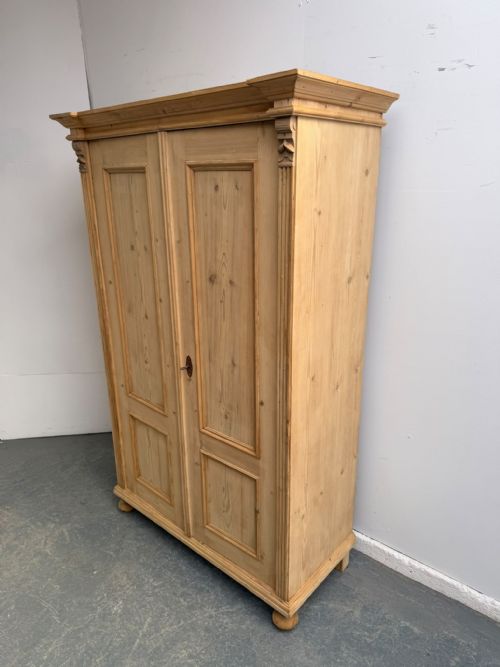
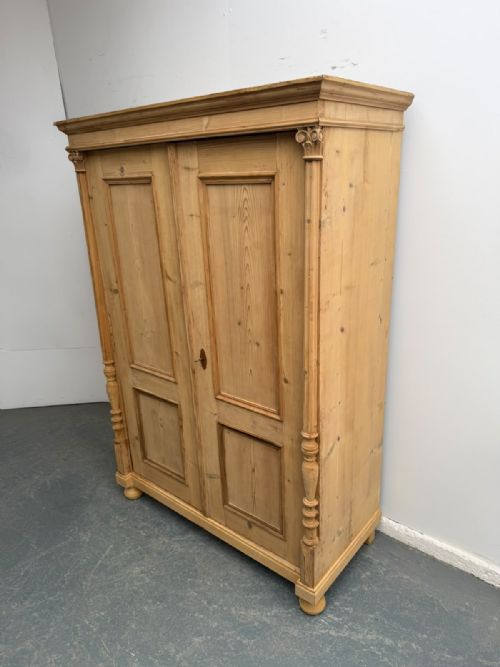
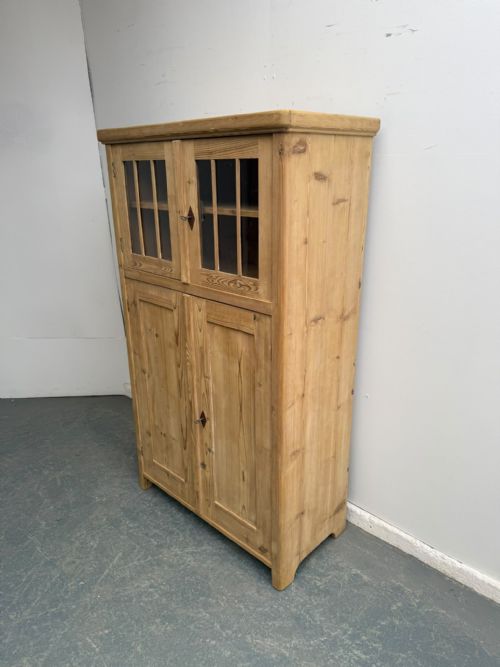
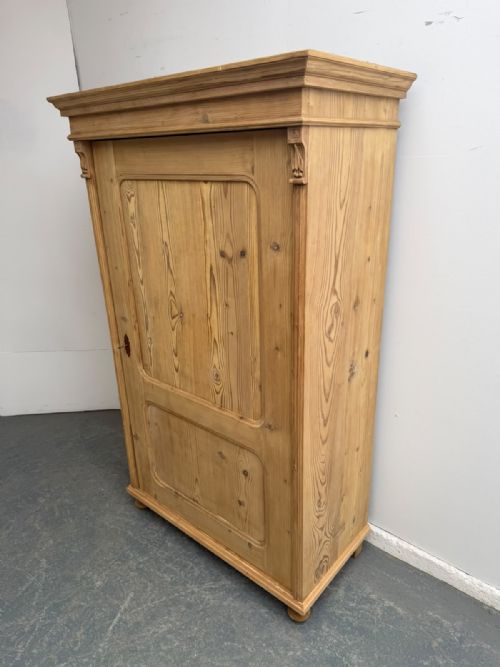
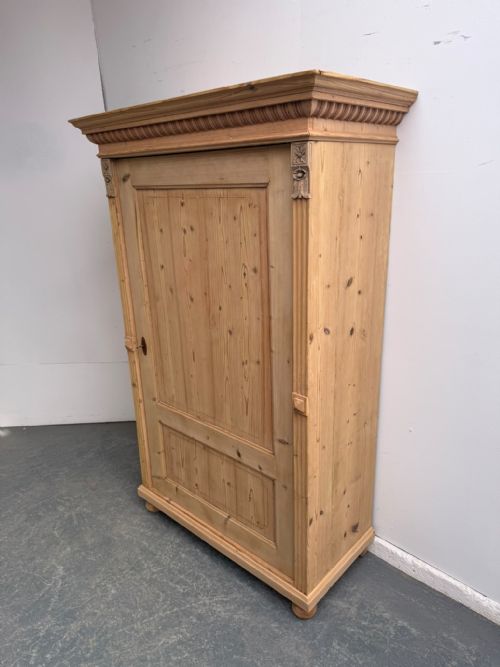
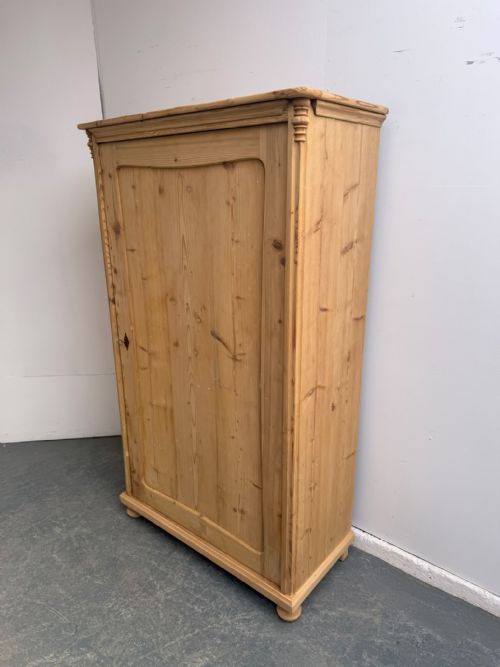
Waxed Pine Housekeeper Cupboard
A waxed pine housekeeper cupboard provides substantial utility and storage, anchoring a room with traditional domestic character.
Waxed Pine Housekeeper Cupboard
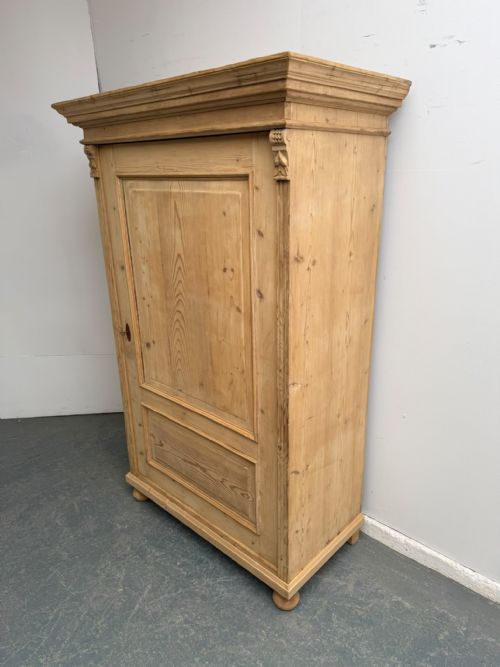
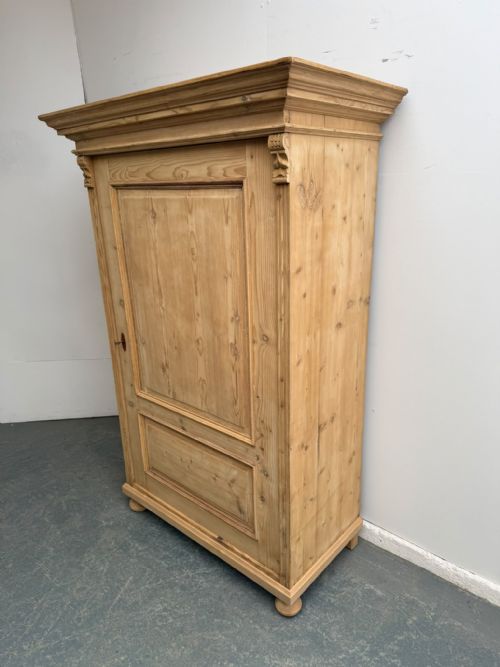
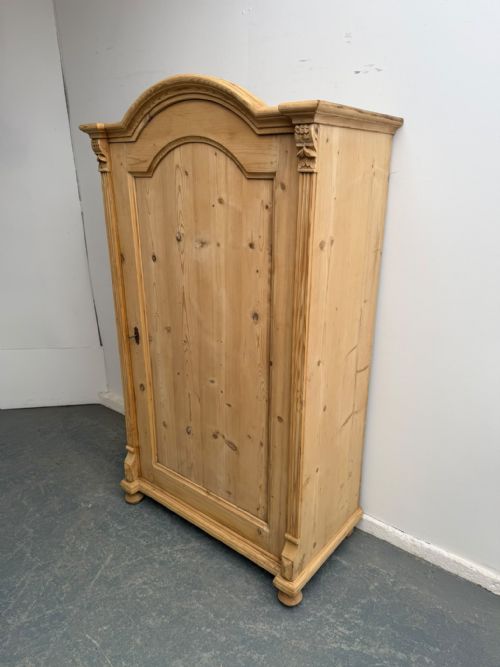
A waxed pine housekeeper cupboard is a large utility piece designed for storing household linens, provisions, or kitchen equipment. These items span Victorian, Georgian, and early twentieth-century periods, alongside nineteenth-century provincial interpretations.
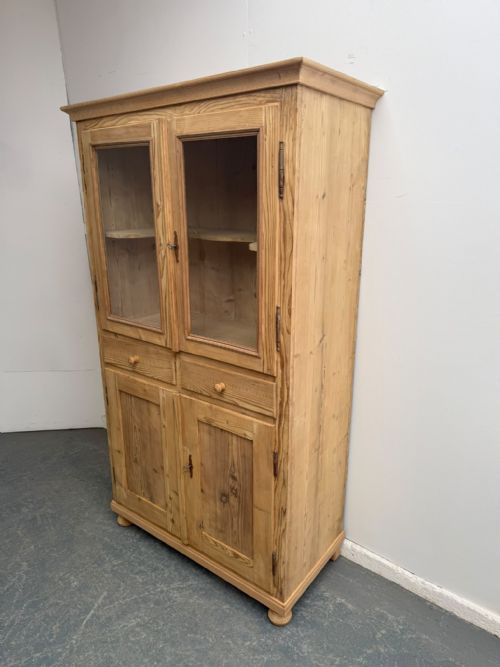
The pieces on this page appear in various configurations, including single door, two door, and four door formats, often incorporating drawers or internal shelving. Forms range from tall wardrobes and linen presses to corner cabinets and kitchen storage units.
Originating in domestic and farmhouse settings, these cupboards exhibit regional styles such as French Provincial, Rustic Farmhouse, and Georgian Country. Buyers encounter constructions designed either as one-piece units or knockdown variants intended for simpler transport.
How they were made
Makers constructed these storage pieces primarily from solid pine, utilising iron, brass, and glass for hardware, hinges, and glazed display doors. Surfaces receive a protective waxed finish that highlights the natural grain and knots of the softwood.
Construction techniques include fielded panels, beaded detailing, and carved elements on doors and frames. Many examples incorporate adjustable internal shelving, fitted compartments, and lower drawers to maximise practical utility.
Many pieces retain internal ventilation slats built to keep the housekeeper's stored blankets and bread securely aired out.
What varies in quality
The standard of a waxed pine housekeeper cupboard depends on the integration of its structural elements and the depth of its original timber. Superior examples display thoughtful proportions, well-fitted doors, and hardware that integrates cleanly with the pine body.
Construction methods determine durability, with finely pegged joints and robust internal shelving separating substantial utilitarian builds from lighter domestic alternatives. The clarity of the wax finish and the preservation of original fitted interiors also influence the character of each piece.
The Waxed Pine Housekeeper Cupboard Glossary
- Knockdown wardrobe
- A large storage piece built to be dismantled into sections for easier transport and reassembly in homes.
- Fielded panel
- A wooden panel with bevelled edges set into a recessed frame to add depth and movement to a door.
- Linen press
- A tall cupboard featuring upper shelving for textiles and lower drawers for folded garments.
- Vented cupboard
- A storage unit with pierced or slatted doors designed to allow airflow for food or provisions.
- Glazed display cabinet
- A piece featuring glass panes in the upper doors to showcase contents while protecting them from dust.
Waxed Pine Housekeeper Cupboard: Frequently Asked Questions
What is a housekeeper cupboard used for?
These large cupboards served primarily to store household linens, tableware, and dry goods in traditional homes. Their deep shelves and internal compartments kept domestic provisions organised and protected from dust.
Modern interiors utilise them in kitchens, hallways, or bedrooms for substantial everyday storage. They accommodate bulky items while bringing a strong architectural presence to a room.
How do I date an old pine cupboard?
Dating relies on observing construction methods, hardware types, and stylistic details associated with Georgian, Victorian, or early twentieth-century periods. Hand-cut joints, original brass fittings, and specific panel designs offer clear chronological clues.
Changes in timber preparation and tool marks also help distinguish earlier pieces from later examples. Comparing the overall proportion and form to documented period styles confirms the likely era of manufacture.
Are pine cupboards sturdy enough for daily use?
Solid pine construction provides durable strength suitable for holding heavy loads of clothing, linens, or kitchenware. Thick timber frames and robust shelving ensure these pieces withstand regular domestic handling.
Properly maintained joints and stable hinges keep doors aligned through years of opening and closing. Their utilitarian origins mean they were built specifically to endure heavy household demands.
How should I care for a waxed finish?
Maintaining a waxed surface involves occasional application of traditional beeswax to nourish the pine and preserve its lustre. Regular dusting with a soft, dry cloth prevents dirt accumulation without harming the finish.
Avoiding direct heat sources and moisture prevents the softwood from drying out or warping over time. Periodic light buffing renews the protective coating and deepens the natural grain.