

Waterfall Shelf Unit
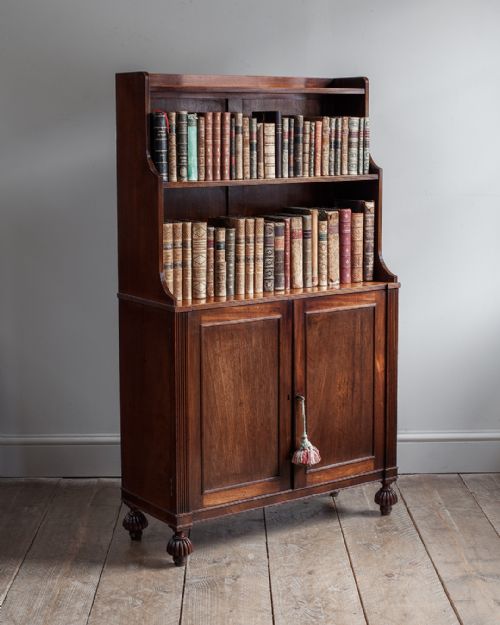
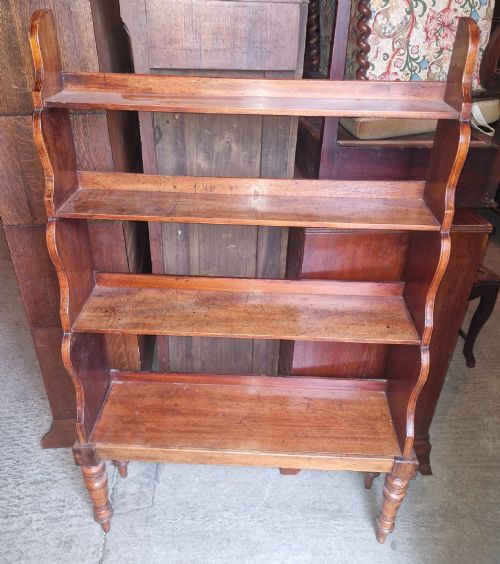
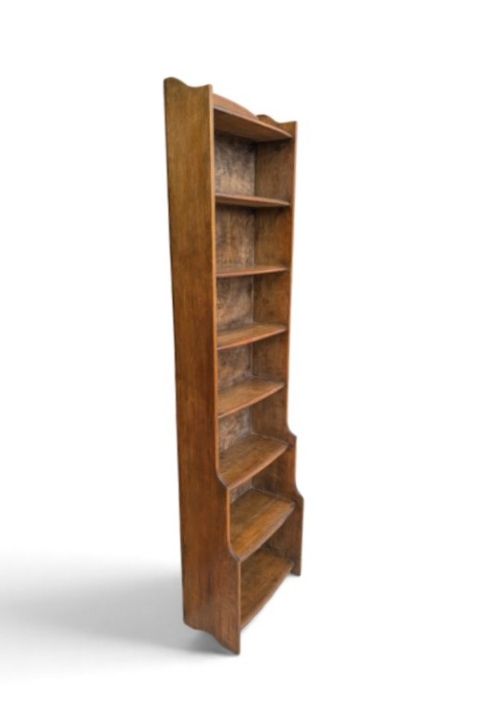
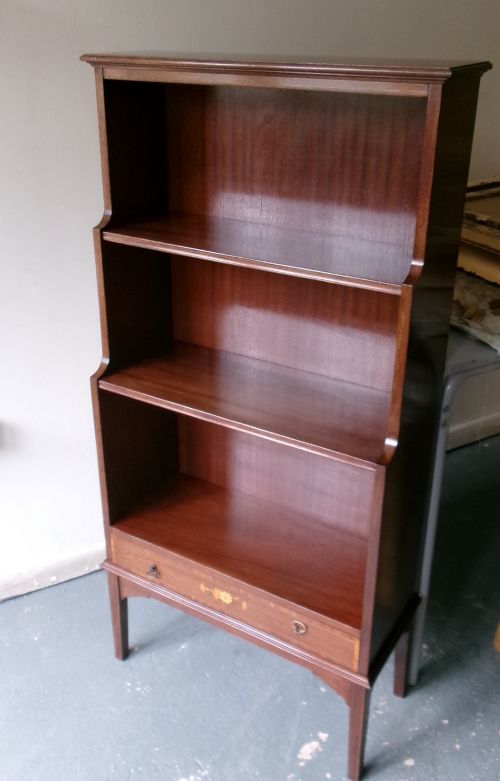
A waterfall shelf unit is a graduated set of open graduated shelves designed to hold books and display objects while saving floor space.
Waterfall Shelf Unit
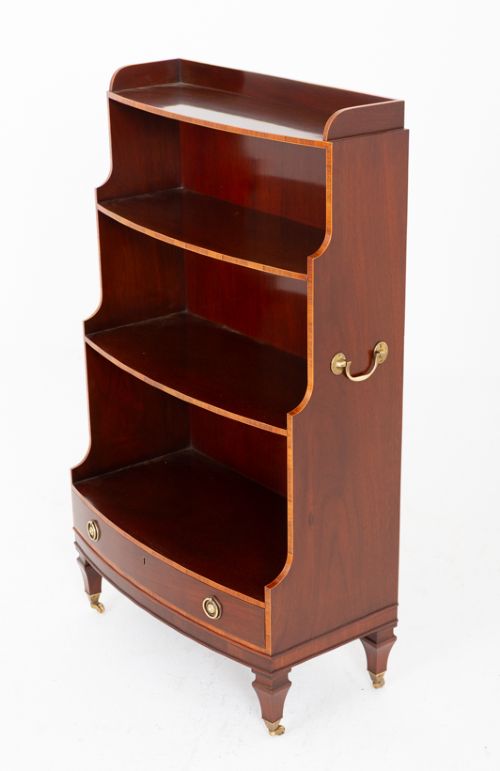
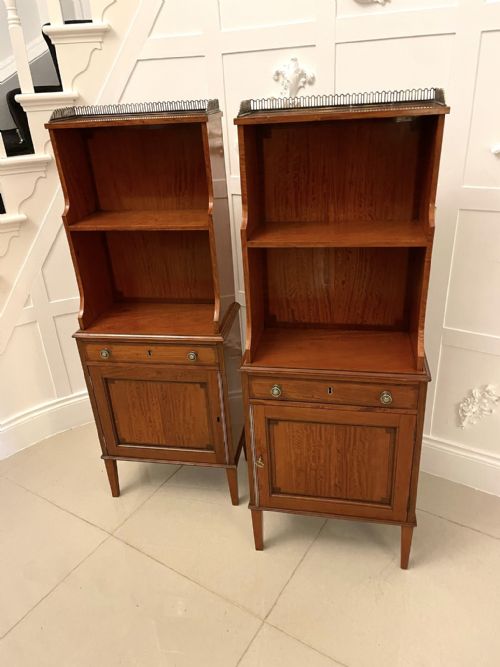
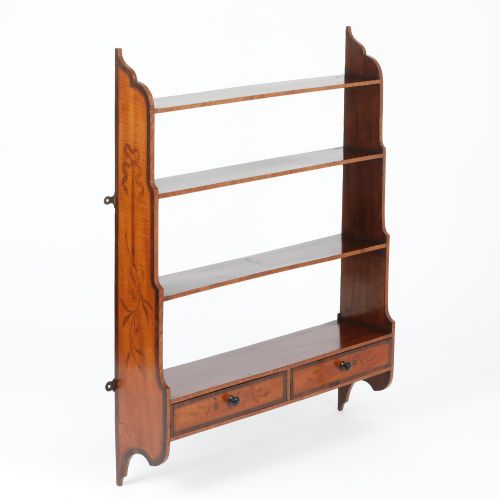
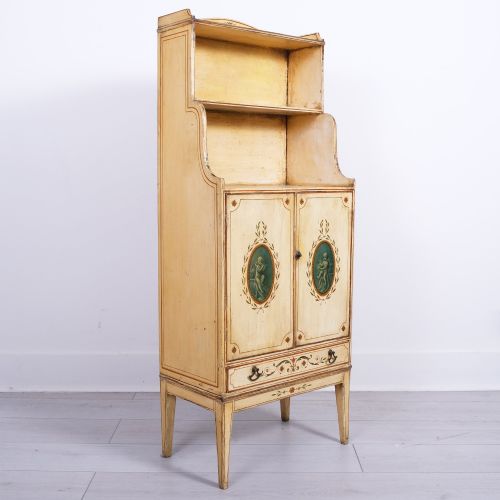
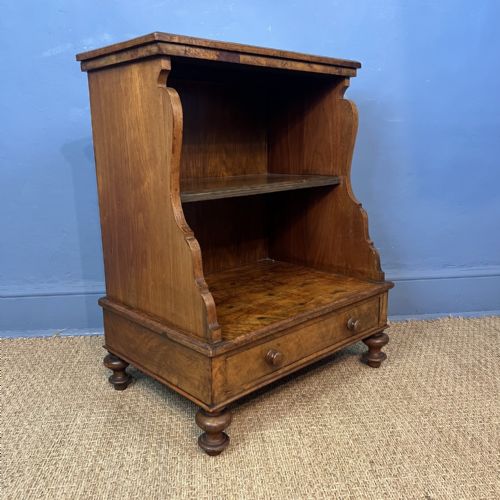
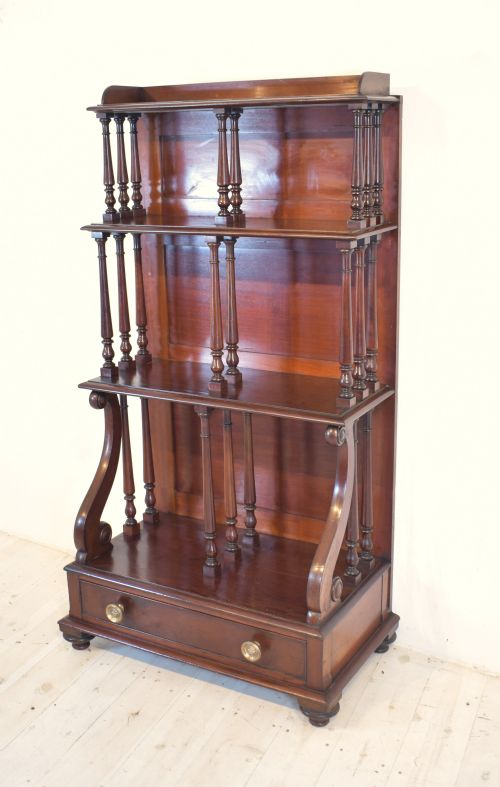
When you search for a waterfall shelf unit, you encounter pieces spanning the Georgian, Regency, Victorian, and Edwardian periods up to the early twentieth century. These items take the form of open bookcases, freestanding display shelves, wall shelves, and cabinets with cascading tiers that step back as they rise. Mahogany is the predominant timber seen across these listings, alongside oak, satinwood, rosewood, and painted wood.
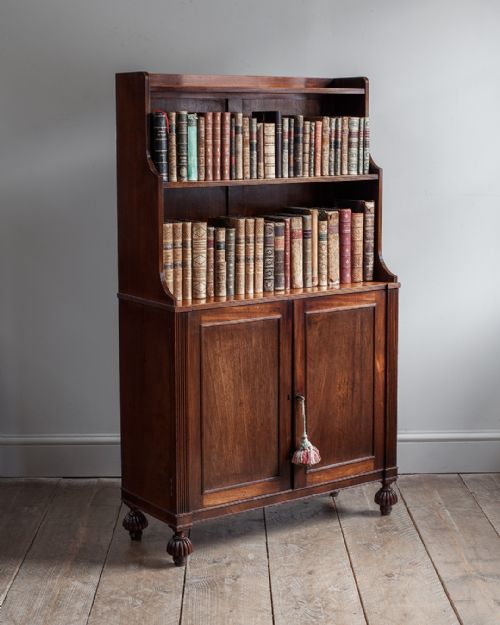
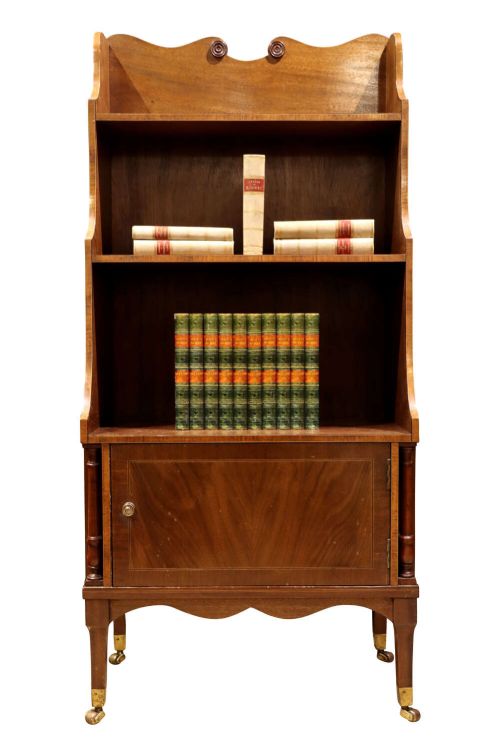
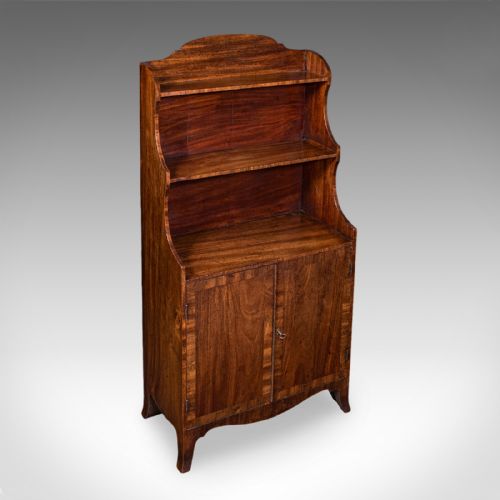
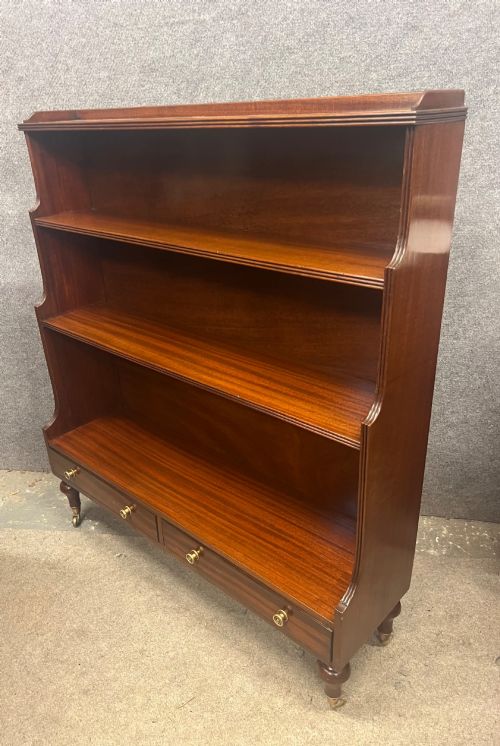
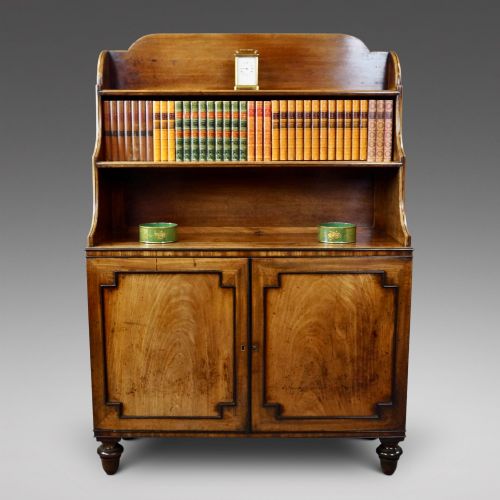
The version you are most likely to meet on this page is a freestanding mahogany bookcase featuring graduated tiers, sometimes incorporating a cupboard or drawers at the base. Makers also produced hanging versions and pairs, utilising timbers such as yew, teak, and burr walnut alongside decorative elements like brass castors and inlay.
How they were made
Cabinetmakers constructed these tiered pieces predominantly from solid and veneered hardwoods, selecting mahogany, satinwood, and rosewood for their grain and durability. Workshops frequently incorporated contrasting cross-banding, boxwood stringing, and fret-cut details to enhance the visual appeal of the stepped sides.
Structural integrity relied on precise joinery to support the graduating loads of the shelves, while larger formats often integrated brass castors for mobility. Painted surfaces and specialised finishes like simulated rosewood demonstrate the variety of decorative techniques applied to timber during the nineteenth and early twentieth centuries.
Some nineteenth-century makers cleverly disguised mundane pine carcases with masterfully painted simulated rosewood to satisfy shifting fashionable tastes.
What varies in quality
The standard of a waterfall shelf unit rests primarily on the selection of timber and the precision of the cabinetwork. Pieces utilising highly figured flame mahogany, burr walnut, or finely matched satinwood demonstrate superior material ambition compared to plain or utility timbers.
Refinement in secondary details elevates certain examples above standard production. The inclusion of delicate fret-cutting, crisp cross-banding, harmonious proportions, and integrated base cupboards with original brass hardware separates ordinary shelving from exceptional workshop output.
Gillows·Shapland & Petter
The Waterfall Shelf Unit Glossary
- Waterfall bookcase
- A tiered piece of furniture with open shelves that step back progressively from bottom to top. This form maximises display area while maintaining a compact footprint.
- Cross-banding
- A decorative border of veneer laid perpendicular to the grain of the main surface. It frames the primary timber of shelves and tops with a contrasting border.
- Boxwood stringing
- A thin inlay of pale wood embedded into darker timber to create linear outlines. It highlights the structural edges of shelves and cabinet doors.
- Fret-cut
- Timber pierced with decorative geometric or organic patterns using a fine saw. This technique lightens the visual weight of side panels and galleries.
Waterfall Shelf Unit: Frequently Asked Questions
Where should I place a waterfall shelf unit?
Freestanding models suit living rooms and libraries where they can display books and ornaments against a wall. Smaller hanging versions fit well in hallways or tighter alcoves to save floor space.
Ensure the unit rests on level flooring if it lacks castors. Positioning them away from direct heat sources protects the timber and veneer over time.
Can these shelves hold heavy books?
The lower tiers of these pieces are typically deeper and sturdier, designed to support heavier volumes. Upper tiers graduate into narrower shelves better suited for smaller books or decorative items.
Distributing weight evenly across the graduated tiers prevents undue strain on the historic joinery. Lighter objects and smaller paperbacks belong on the upper ledges.
How do I identify the wood type?
Examine the grain patterns and colour variations across the surfaces of the shelves and side panels. Mahogany often displays a reddish-brown hue with straight or ribbon figures, while satinwood offers a golden sheen.
Burr walnut exhibits swirling knot formations, and oak shows prominent medullary rays. Painted wood and simulated finishes conceal the underlying grain entirely.
What is the difference between open and cupboard variants?
Open variants feature only graduated shelves from top to bottom for immediate display access. Cupboard variants incorporate enclosed storage space with doors at the base beneath the stepped tiers.
Cupboard models provide hidden storage for household items while maintaining the stepped display profile above. Both styles share the characteristic cascading shelf arrangement.