
Waterfall Open Shelves
Waterfall open shelves bring stepped, graduated tiers to your room, holding books and display pieces with effortless grace.
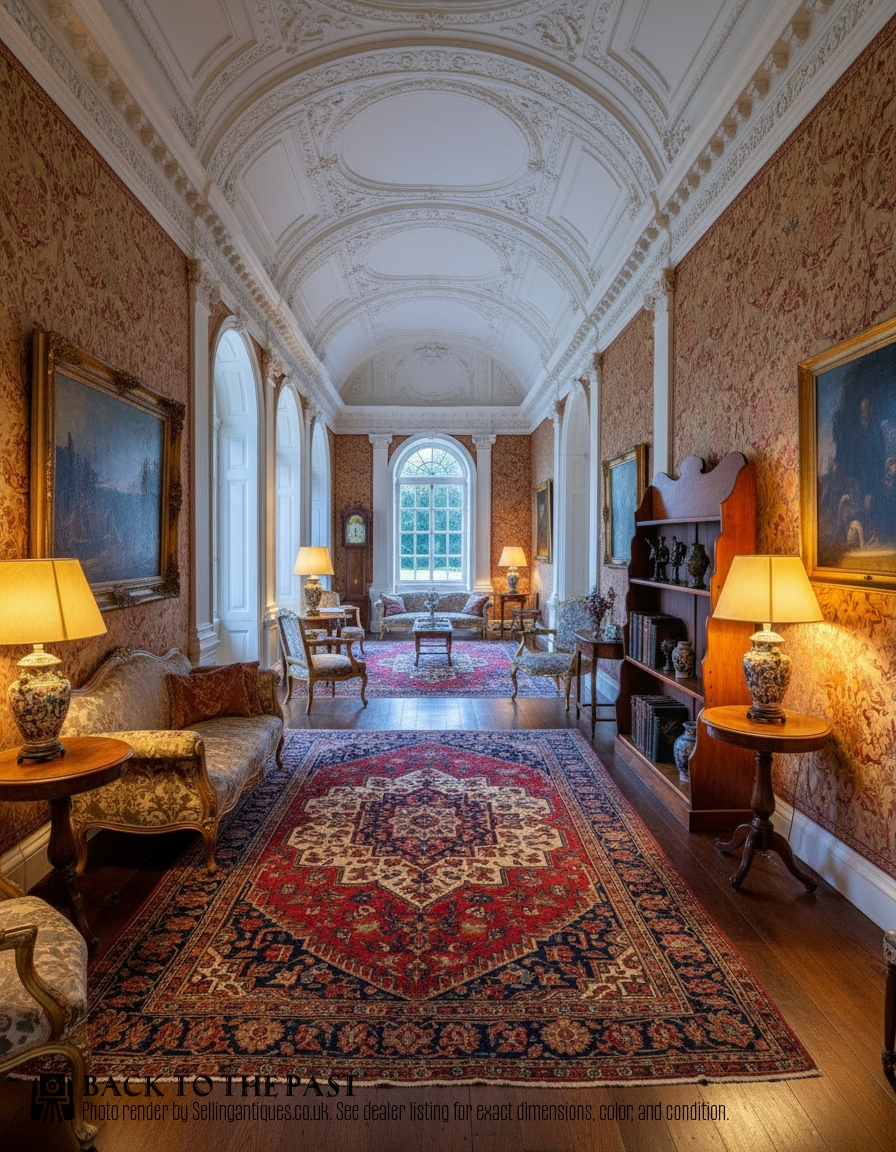
Waterfall Open Shelves
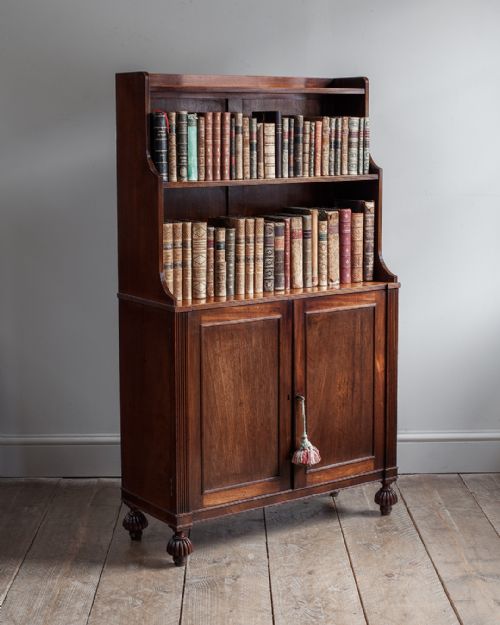
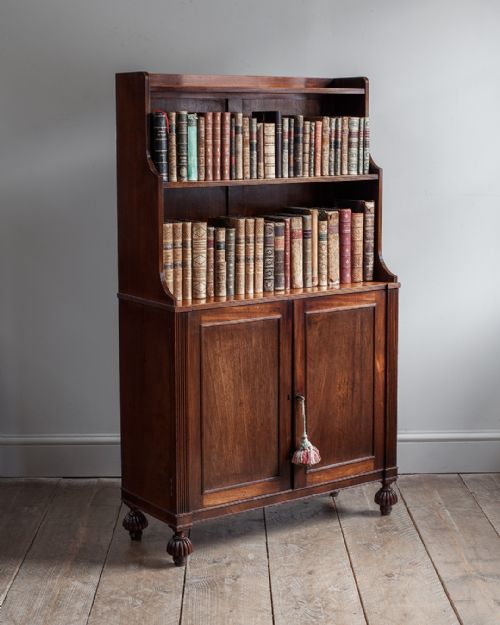
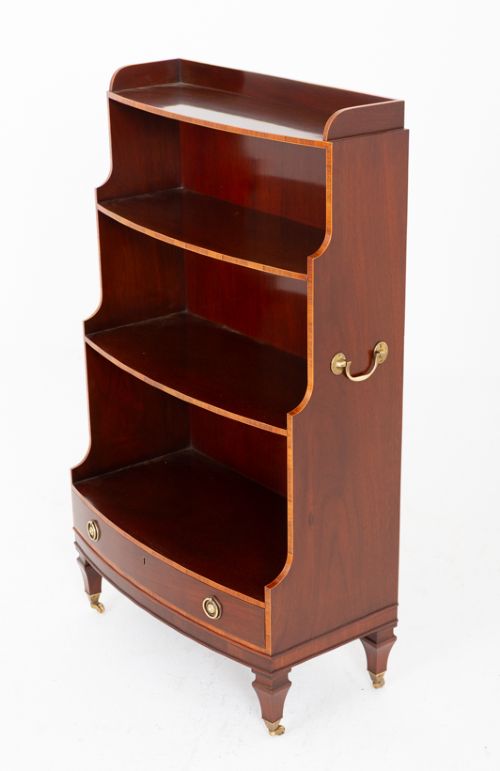
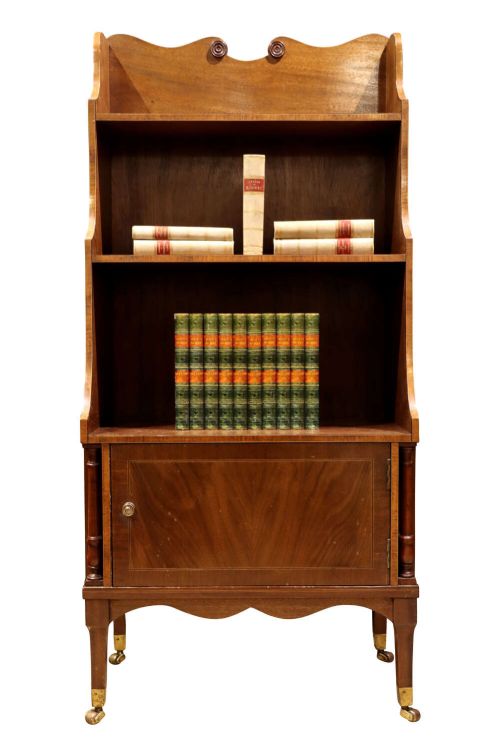
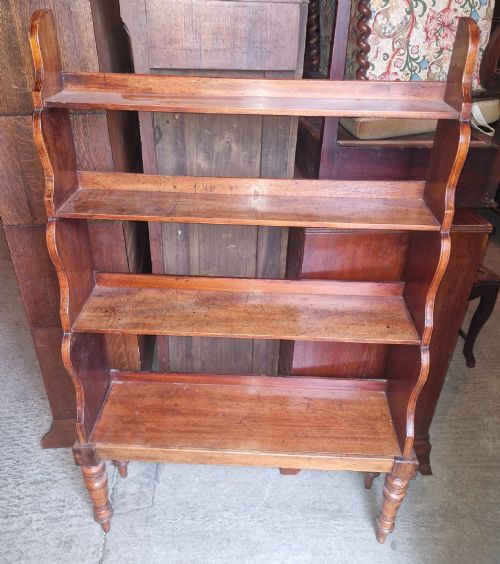
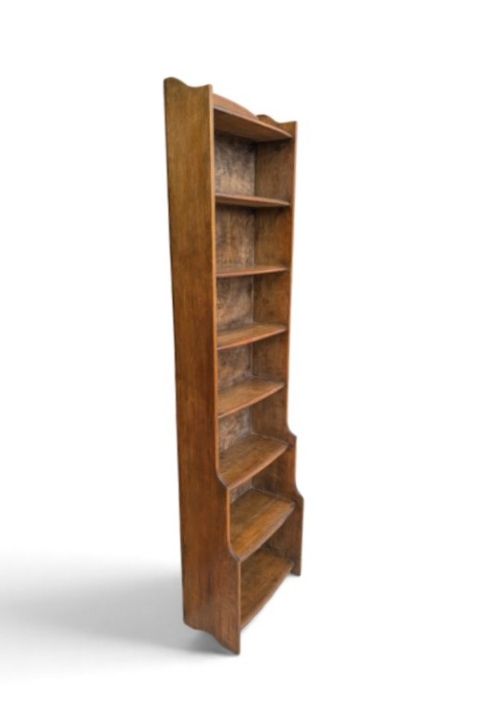
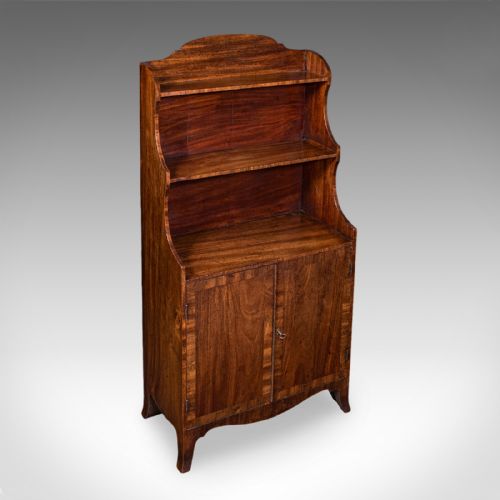
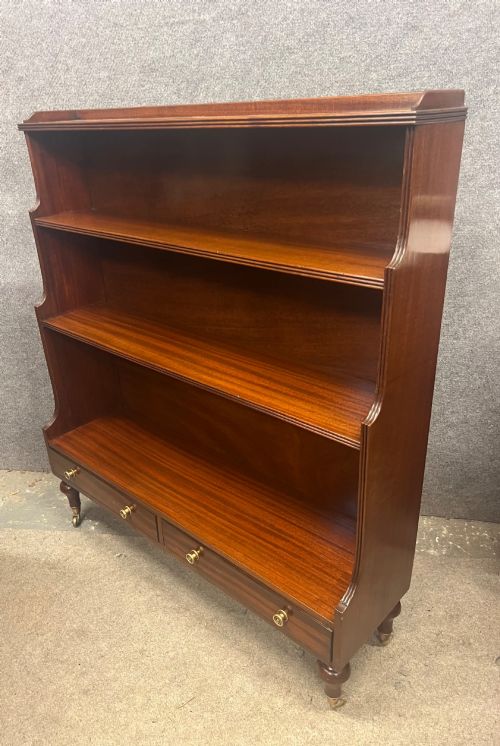
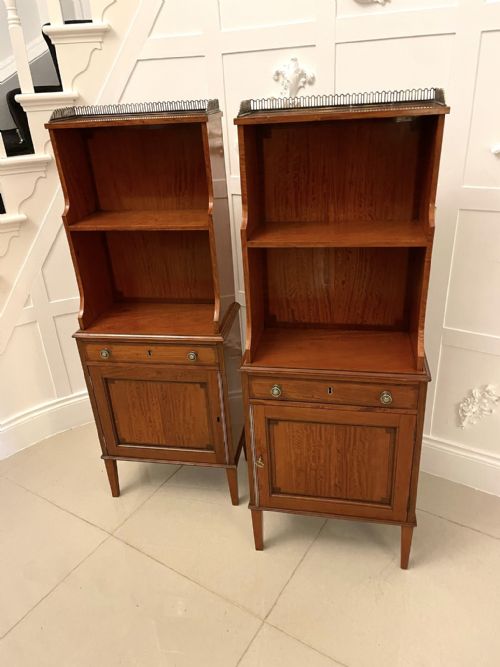
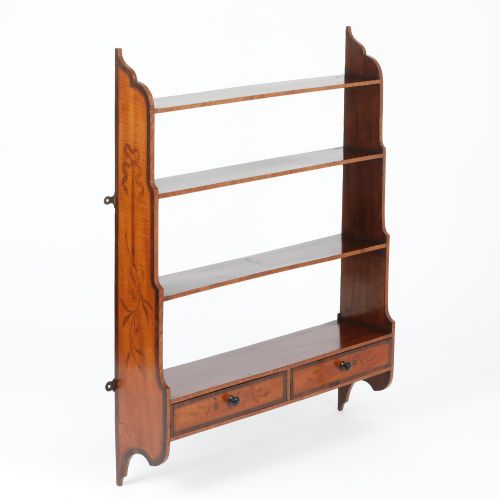
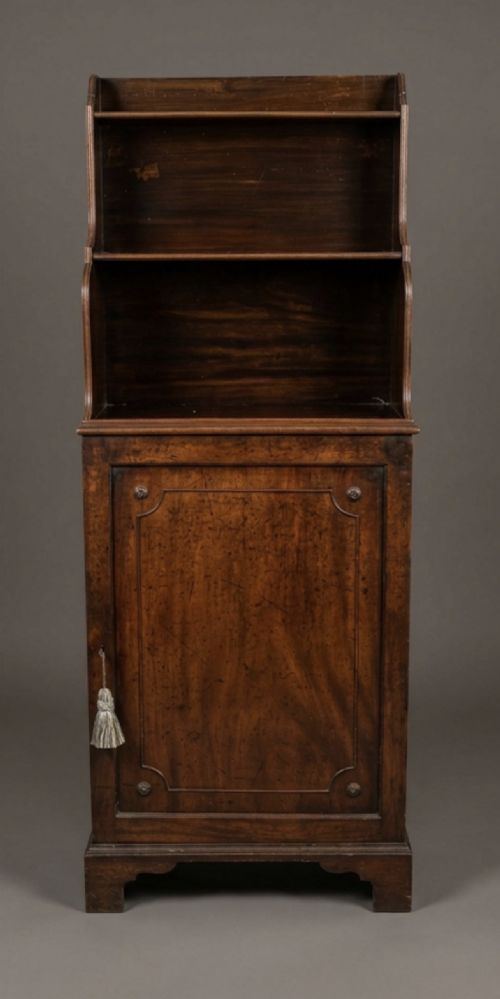
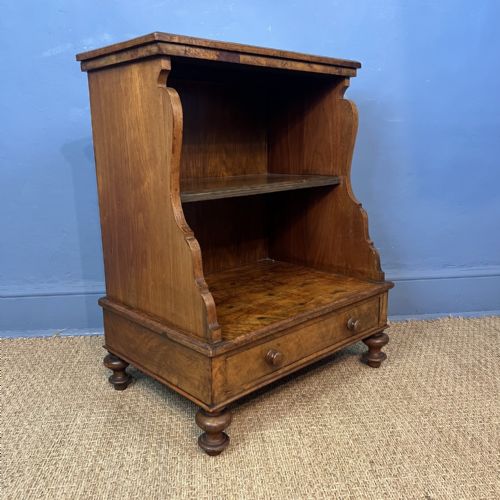
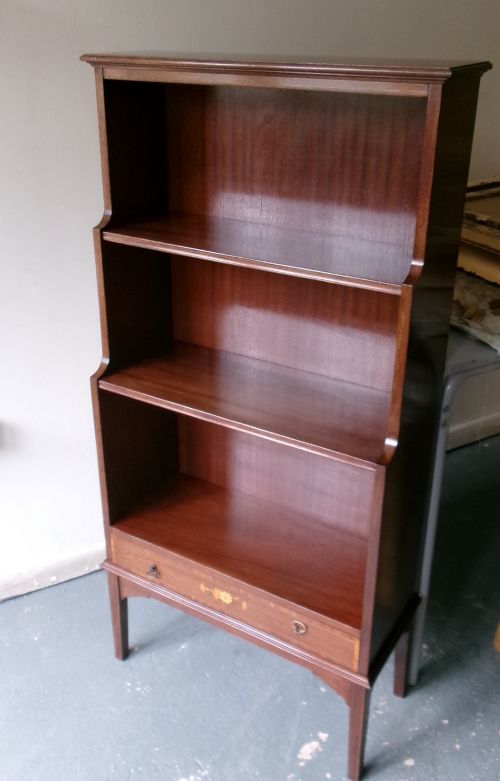
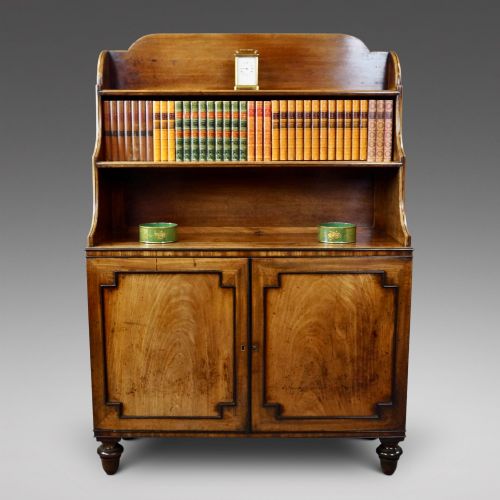
Waterfall open shelves present a distinctive stepped profile where each tier recedes from the one below it, creating a cascading effect. You will find freestanding pieces as well as wall-mounted versions and variations incorporating lower cupboards.
The selections span numerous periods including the Georgian, Regency, Victorian, and Edwardian eras. Mahogany is the most frequent wood you encounter, alongside satinwood, rosewood, oak, yew, and pine.
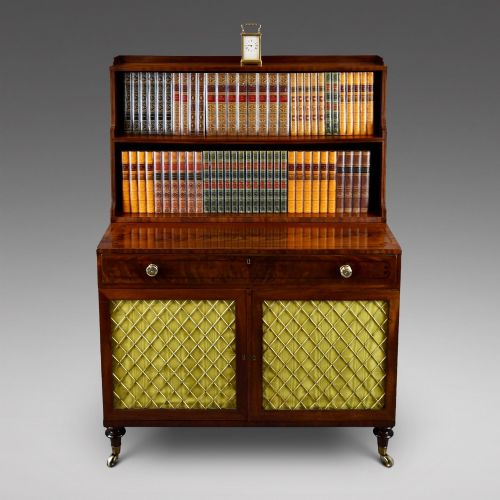
Many examples function as bookcases, display shelves, or petite chiffoniers, ranging from compact hanging shelves to large open library units. Certain pieces rest upon brass castors for ease of movement.
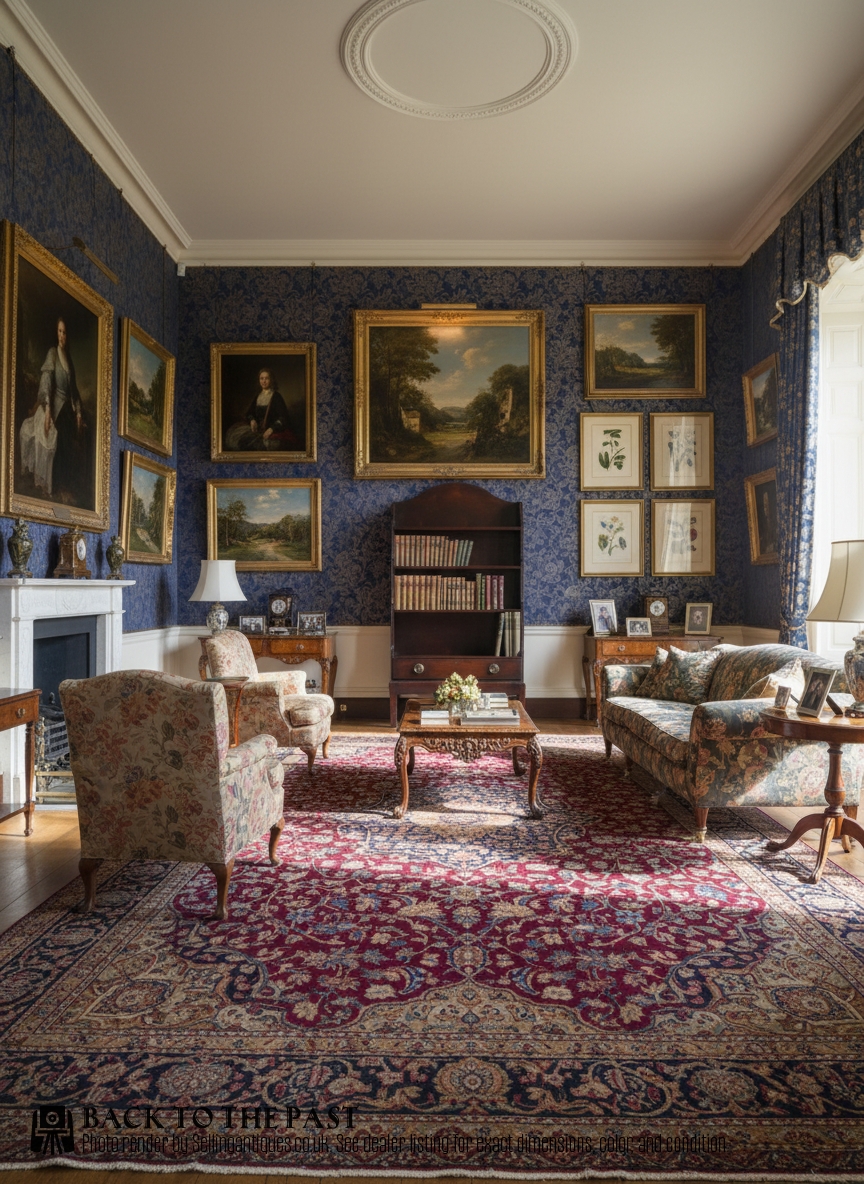
Materials and construction
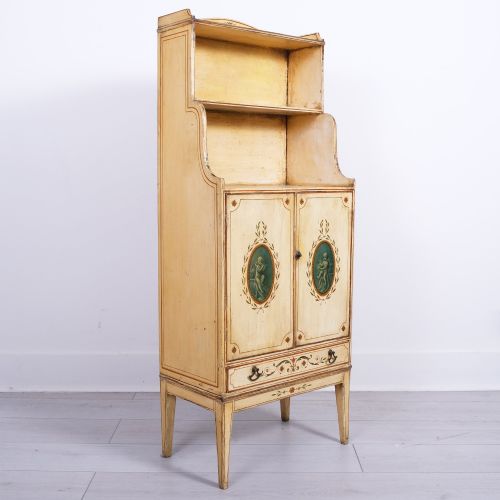
Cabinetmakers utilised solid timbers and veneers, predominantly mahogany, frequently enriching the surfaces with contrast crossbanding, boxwood stringing, and delicate marquetry inlays. Selected pieces display painted finishes or fret-cut details.
Structural integrity relies on graduated uprights and fitted shelves that decrease in depth toward the top tier. Brass castors provide mobility on larger floor-standing models.
Listings span the Georgian, Regency, Victorian, and Edwardian eras, utilising mahogany, satinwood, rosewood, oak, yew, and pine.
Distinctions in craftsmanship
The standard of execution reveals itself in the choice of timber figurations, such as burr walnut or figured mahogany, and the precision of crossbanding and boxwood stringing. Finer iterations display refined fret-cutting and careful attention to the graduated proportions of each tier.
Original elements like brass castors, paint finishes, and integrated lower cupboards elevate a piece. The harmony between the stepped upper shelves and the lower cabinet structure distinguishes standard production from exceptional work.
Gillows
The Waterfall Open Shelves Glossary
- Waterfall bookcase
- A set of open shelves where each tier steps back sequentially from the bottom to the top. This design became popular in the Georgian and Regency periods for displaying books and ornaments.
- Crossbanding
- A decorative border of veneer laid perpendicular to the grain of the main surface. It frames the panels and shelves of many Regency and later pieces.
- Stringing
- A thin line of contrasting wood inlaid into the surface of a cabinet. Boxwood stringing is frequently seen on mahogany and satinwood pieces.
- Chiffonier
- A low cabinet with shelves or drawers, often combining enclosed storage below with open display tiers above. Certain waterfall bookcases incorporate this form.
- Castor
- A small wheel attached to the base of furniture to aid movement. Brass castors appear on several of the larger freestanding Victorian and Regency examples.
Waterfall Open Shelves: Frequently Asked Questions
How are waterfall shelves supported?
These shelves rely on vertical sides or upright supports that step back progressively from the base to the top. Each tier is fixed securely into these graduated panels.
Freestanding versions distribute weight evenly down to their feet or castors, while hanging variants attach securely to the wall through integrated brackets or fixings.
Where should I place waterfall shelves?
Freestanding waterfall bookcases suit studies, living rooms, and bedrooms where books or small collections require accessible display. Their graduated profile prevents them from dominating a wall.
Smaller hanging shelves fit effectively in alcoves or above side tables, while cabinet-based versions anchor larger library spaces.
Are these shelves suitable for heavy books?
The lower tiers, being deeper and wider, accommodate heavier volumes and larger folios with ease. Solid mahogany and oak frameworks provide robust support for extensive book collections.
Upper tiers are shallower and better suited to smaller books, pamphlets, or decorative objects rather than heavy reference sets.
How do I date a waterfall bookcase?
Stylistic clues guide dating, such as the Regency preference for clean mahogany lines or Edwardian revivals featuring detailed inlay and rosewood. Georgian and George III examples often display simpler, finely proportioned timberwork.
Secondary woods, construction joints, and decorative techniques like boxwood stringing or painted finishes further clarify the period of origin.