


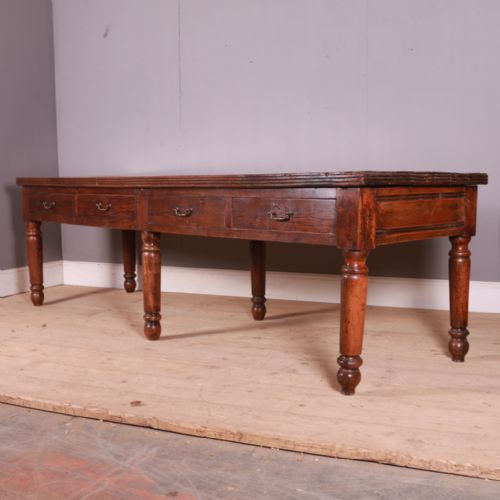
Warm Pine Dining Table
A warm pine dining table brings natural grain and honest utility into a home, offering a surface built for daily meals and gathered company.
Warm Pine Dining Table
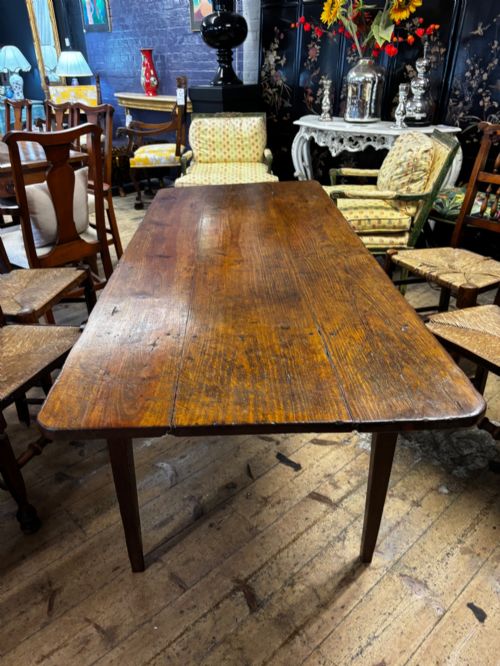
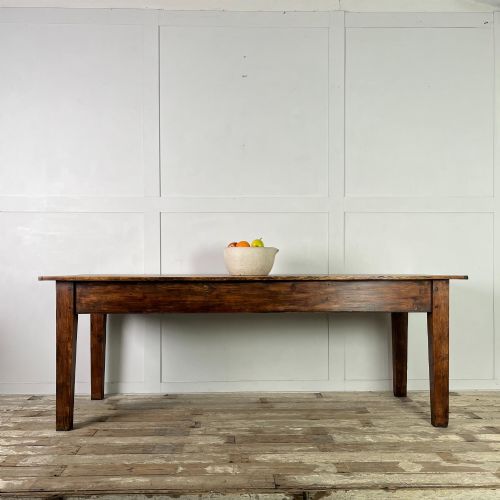
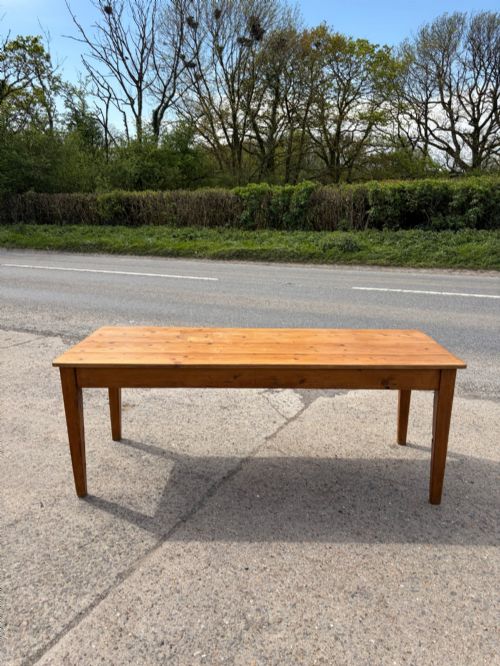
A warm pine dining table encompasses sturdy kitchen and farmhouse tables originating predominantly from the nineteenth century. These pieces serve as the practical centrepiece of a room, shaped by decades of domestic use.
Buyers are most likely to encounter nineteenth century examples, including Victorian pine kitchen tables and rustic farmhouse variants. These tables range from compact preparation surfaces to large extending designs intended for family dining.
How they were made
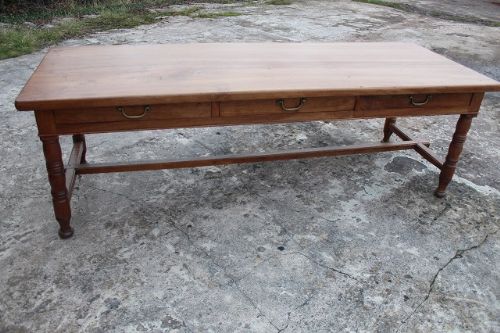
Construction relies primarily on solid timber such as pine and fruitwood, often featuring straightforward carpentry suited to hardworking domestic environments. Selected examples incorporate supplementary materials like brass for drawer handles or oak for structural stability.
Joinery methods reflect traditional workshop practices of the period, producing resilient frames designed to withstand heavy daily preparation and dining tasks. Surfaces show the marks of hand-planing and timber selection appropriate to regional kitchen furniture.
Several tables retain faint flour dust trapped stubbornly in the deepest knots of the timber.
What varies in quality
Quality in these tables depends on the integrity of the timber, the balance of the proportions, and the character earned through age. Tables retain superior appeal when their structural elements remain sound while displaying honest patination on the top boards.
The sophistication of the joinery and the presence of considered functional details, such as a well-integrated frieze drawer, separate standard utility pieces from more refined workshop productions. The depth of tone in the wood grain further distinguishes individual examples.
The Warm Pine Dining Table Glossary
- Pine
- A softwood commonly utilised for nineteenth century domestic furniture due to its availability and workable nature. Over time, it develops a deep honey tone.
- Frieze
- The horizontal band beneath the tabletop that frequently houses a single drawer in traditional kitchen designs. It provides structural bracing for the legs.
- Refectory
- A long dining table style traditionally used for communal meals. It offers generous proportions and stable stretcher bases.
- Fruitwood
- A dense, close-grained timber sometimes utilised for farmhouse tables alongside pine. It yields a rich texture and varied colouration.
Warm Pine Dining Table: Frequently Asked Questions
How do I clean a pine table?
Wipe the surface regularly with a damp cloth and mild soap to remove everyday debris. Avoid harsh chemical cleaners that strip the natural oils from the timber.
Dry the wood thoroughly after cleaning to prevent moisture damage. Periodic application of natural wax helps maintain the lustre and protects the grain.
Are these tables suitable for daily use?
These pieces were originally constructed for heavy kitchen preparation and family meals. Their robust timber frames easily accommodate the demands of a modern household.
Using mats and coasters prevents excessive heat and moisture marks on the aged surface. Embracing minor scuffs preserves the historic character of the timber.
How do I identify a Victorian table?
Examine the construction methods and timber characteristics for markers typical of the nineteenth century. Details such as hand-cut joinery and period hardware offer reliable clues.
Consulting the specific proportions and regional styles helps narrow down the manufacturing era. Patination built up over generations remains a key indicator of age.
Can I seat many guests at a farmhouse table?
Many examples feature generous proportions designed specifically for large gatherings. Extended formats and long refectory designs provide ample legroom and surface area.
Checking the dimensions against your dining space ensures comfortable seating arrangements. Bench or chair clearance beneath the frieze varies by individual table.