





Warm Pine Cupboard
A warm pine cupboard brings honest nineteenth-century utility and honeyed grain directly into modern rooms.
Warm Pine Cupboard
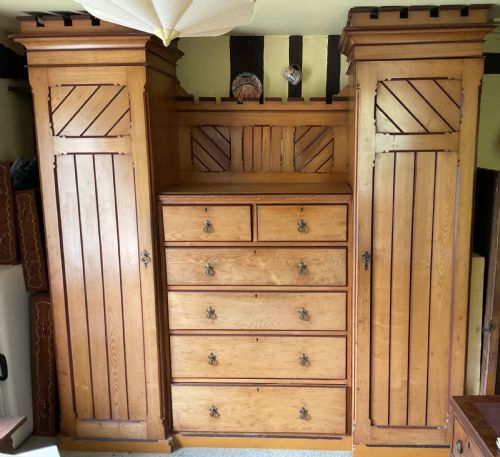
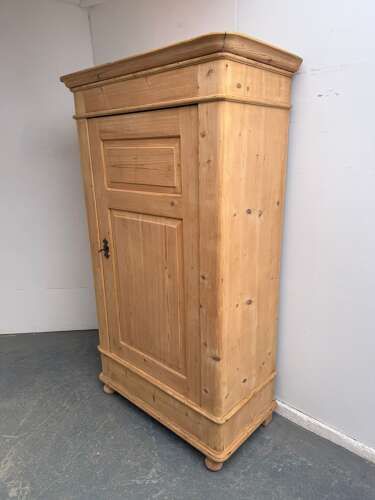
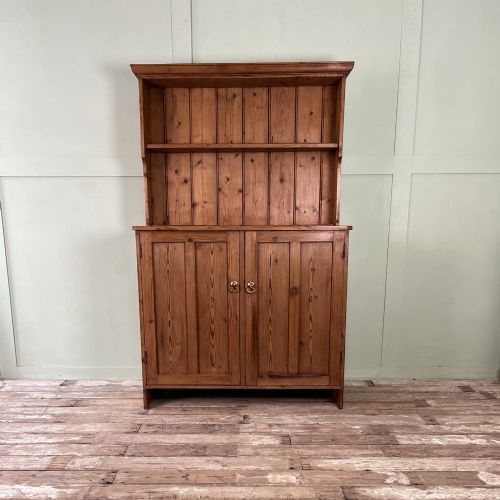
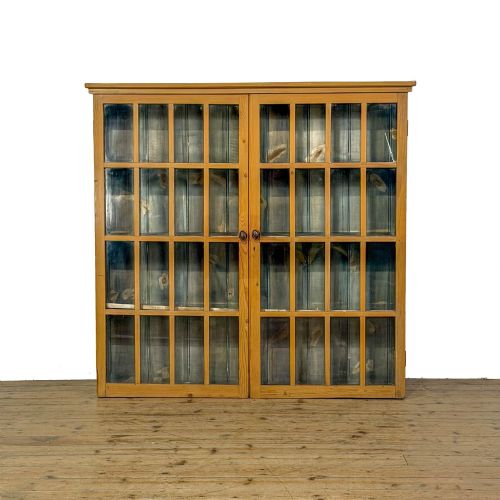
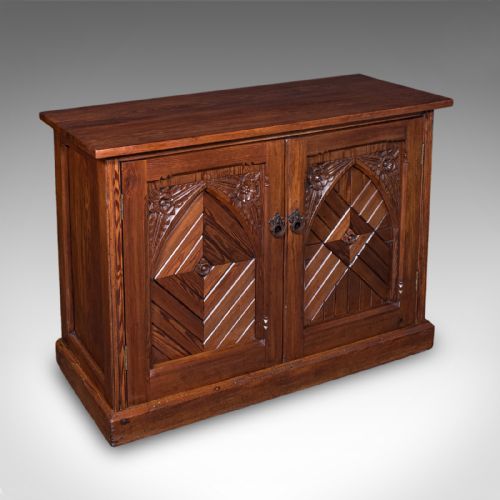
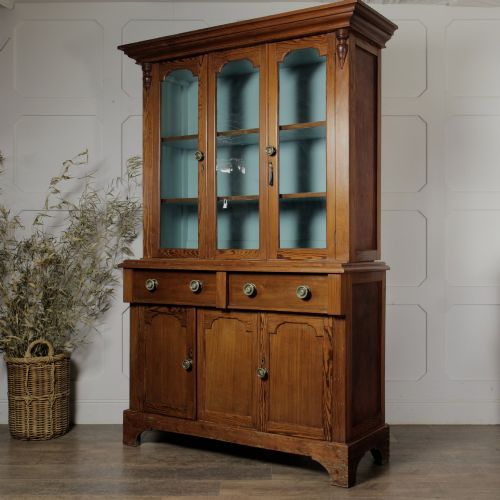
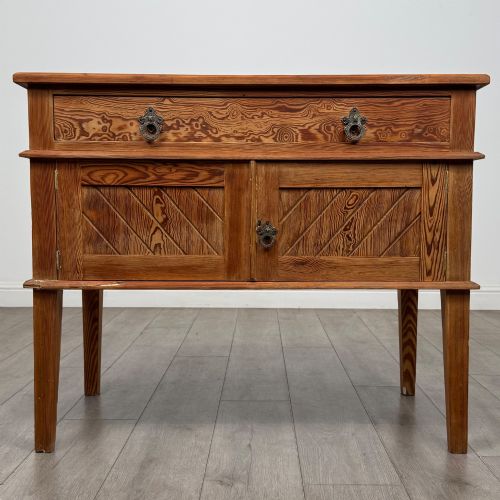
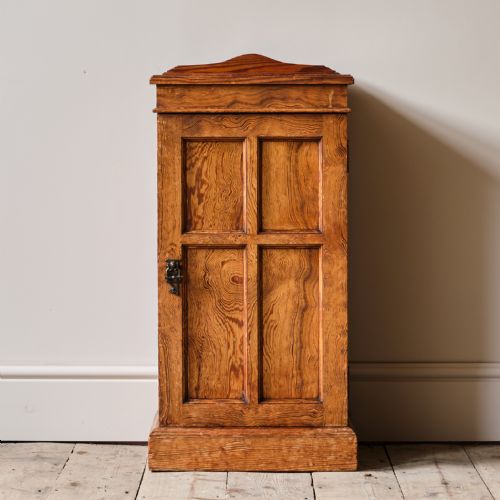
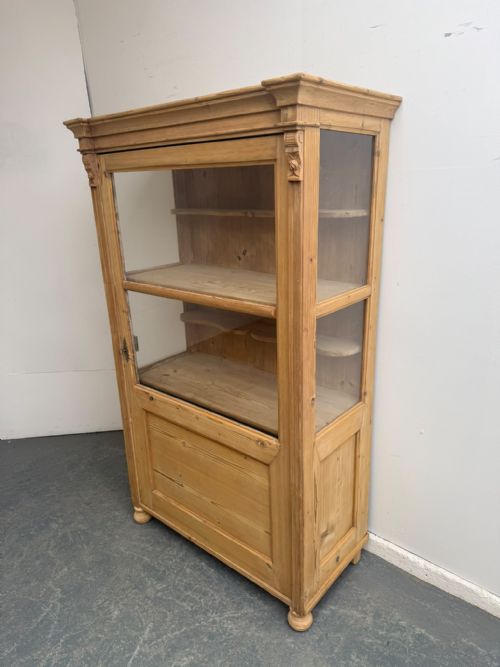
A warm pine cupboard encompasses nineteenth-century storage forms ranging from bedside pot cupboards and glazed display cabinets to substantial kitchen cupboards and architectural doors. These practical pieces originate from various regional traditions including Victorian Britain, France, Scandinavia, and the Alps.
Buyers looking for a warm pine cupboard most frequently encounter nineteenth-century Victorian examples alongside pitch pine variants and painted country pieces. These items served everyday domestic storage roles in kitchens, bedrooms, and pantries before entering the antique market.
How they were made
Carpenters constructed these cupboards using native and imported softwoods, predominantly standard pine and dense pitch pine, assembled with traditional joinery. Iron, brass, and ceramic hardware such as handles, hinges, and escutcheons secured doors and drawers.
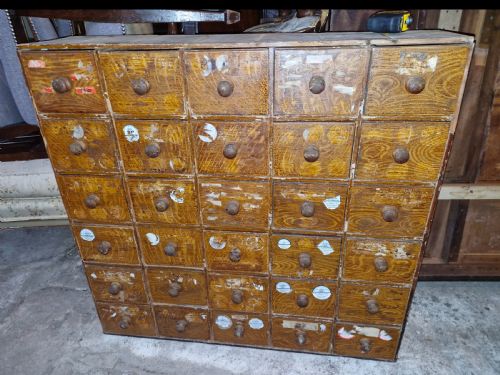
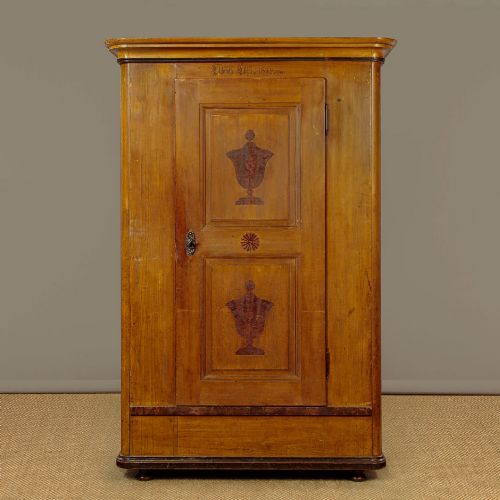
Surfaces were finished in various ways according to regional taste and later interventions, including wax polishing, historical paint, decorative scumbling to imitate oak, or complete stripping back to bare timber.
Warm Pine Cupboard Retail Price Guide 2026
Typical asking prices for warm pine cupboard among the pieces listed under this phrase on Sellingantiques today, from the lower quarter to the upper quarter. They describe what is for sale here now, not the wider market.
The selection includes regional variations from British country workshops, French provinces, Scandinavian farmhouses, and Alpine communities.
What varies in quality
Quality in these domestic softwoods rests on the integrity of the original construction, the thickness and selection of the pine timber, and the survival of uncompromised proportions. Pieces retain more character when original backboards, cornices, and structural joints remain unaltered by later alterations.
The distinction between ordinary utility items and finer examples often lies in decorative detailing, such as architectural mouldings, glazed door panels, or authentic regional paint finishes like scumbled graining or Tyrolean decoration.
The Warm Pine Cupboard Glossary
- Pitch pine
- A dense, resinous variety of pine timber known for pronounced grain patterns and durability, frequently utilised in nineteenth-century cabinetry. It takes a deep warm tone when waxed.
- Pot cupboard
- A small bedside cabinet originally designed to house a chamber pot behind a single door, now widely used as a compact nightstand. These often feature an internal shelf or small drawer.
- Scumbled
- A decorative paint technique where a translucent top layer is manipulated over a lighter base coat to imitate the grain of more expensive hardwoods like oak. This finish was common in nineteenth-century vernacular joinery.
- Buffet deux corps
- A large two-part regional cupboard, particularly associated with French provincial cabinet-making, comprising a lower section beneath an upper cabinet. They provide substantial vertical storage capacity.
- Campaign chest
- A portable set of drawers or cabinet built in sections with recessed brass carrying handles for transport by travellers or military officers. Pine examples reflect robust utilitarian construction.
Warm Pine Cupboard: Frequently Asked Questions
What is a pot cupboard?
A pot cupboard is a small bedside cabinet designed during the nineteenth century to enclose a chamber pot. They typically feature a single door and sometimes an internal shelf for practical daily use.
Today, these compact pieces function well as bedside tables or small lamp tables in contemporary bedrooms. Their modest footprint makes them adaptable for tight spaces needing enclosed storage.
How do I care for antique pine?
Maintain waxed pine surfaces by applying a traditional beeswax polish periodically to nourish the soft timber and preserve its warm lustre. Avoid placing these pieces in direct sunlight or near heat sources to prevent the wood from drying out.
Keep painted or scumbled surfaces clean with a soft, dry cloth without harsh modern detergents. Gentle handling protects historical finishes from unnecessary wear.
Where were these cupboards used?
Nineteenth-century pine cupboards served utilitarian roles across various domestic settings, including farmhouses, town kitchens, sculleries, and bedrooms. Larger variants stored pantry goods, linens, or books while smaller cabinets stood beside beds.
Regional pieces reflect the specific daily needs of households in Britain, France, Scandinavia, and Alpine regions. Their honest construction was meant for hard daily work rather than formal display.
What is pitch pine?
Pitch pine is a heavier, harder softwood derived from specific pine species, characterised by high resin content and striking, dark grain lines. Cabinet makers utilised it for pieces requiring extra strength and durability.
Objects made from pitch pine often display a richer, warmer colouration than standard white pine. This material resists knocks well, making it suitable for hardworking furniture like cabinets and bookcases.