
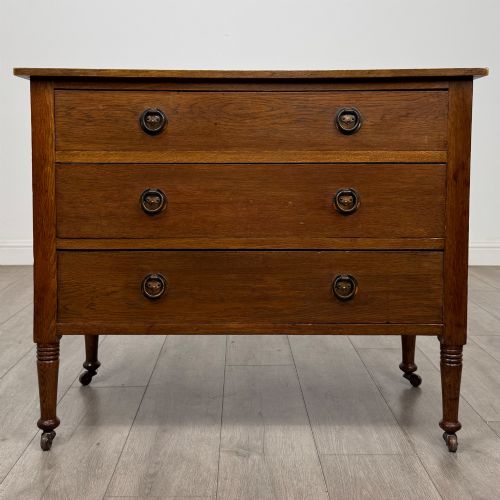
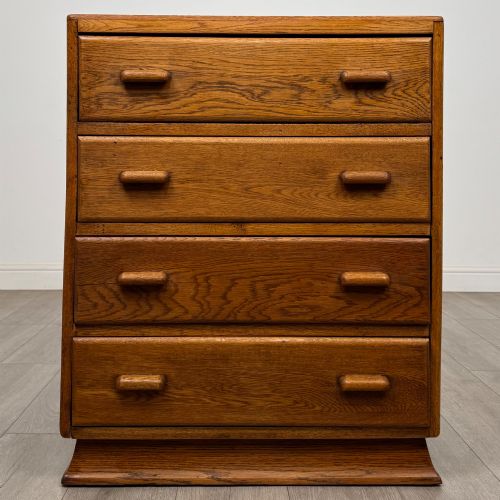
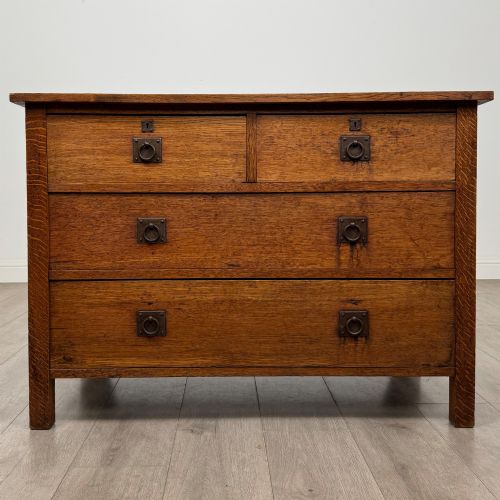
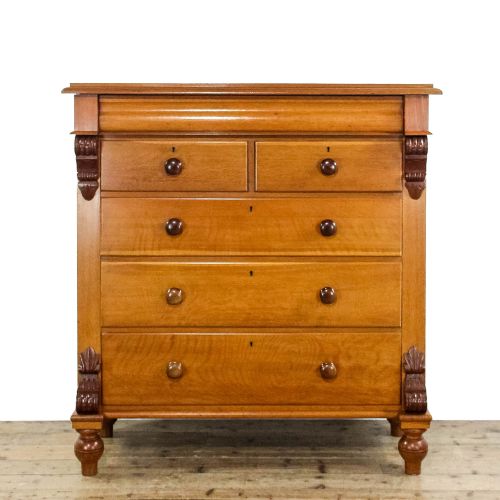
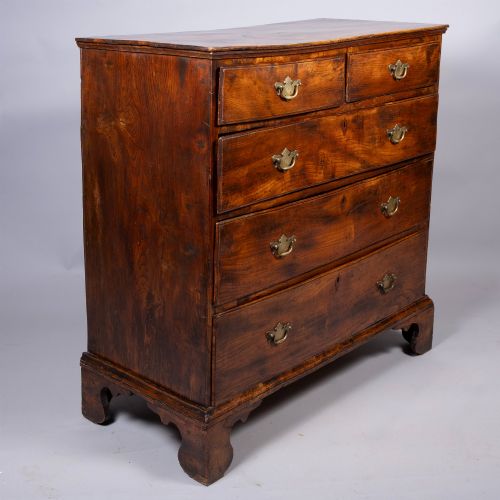
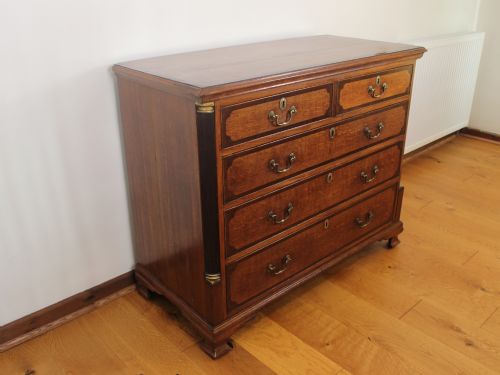
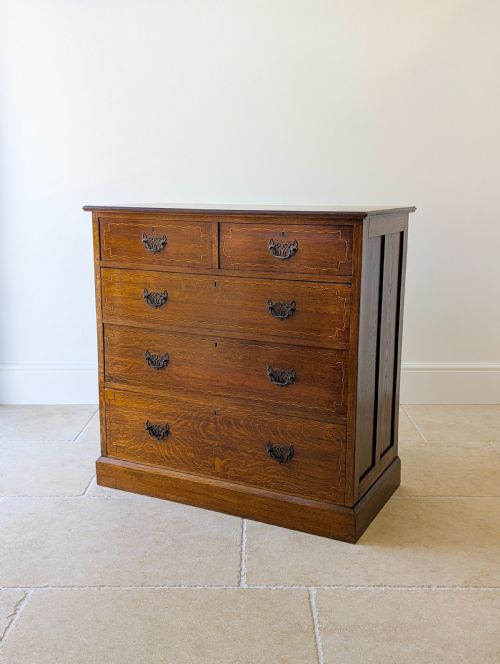


Warm Oak Tallboy
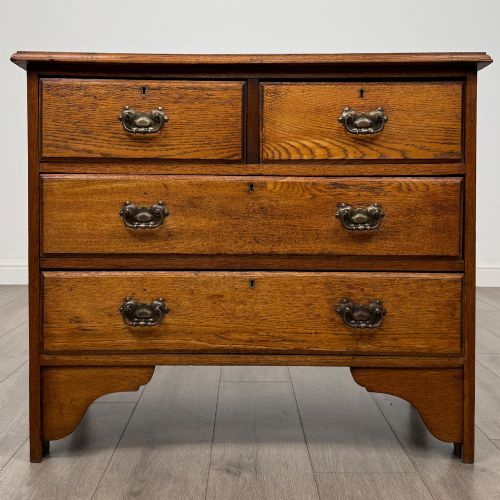
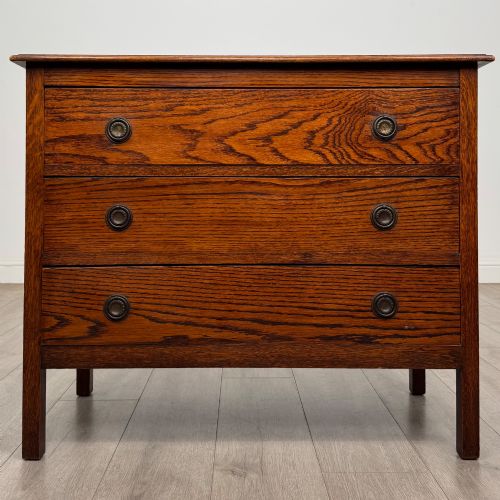
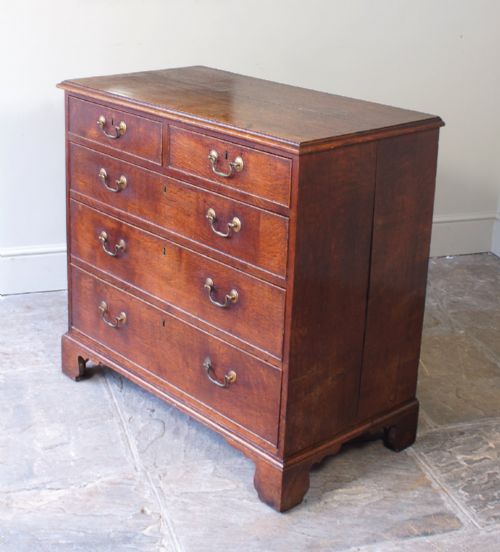
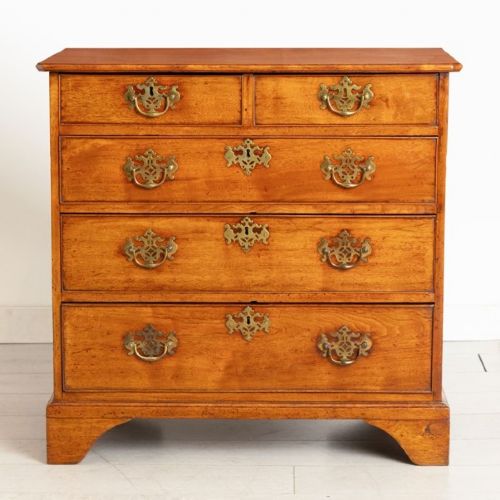
These pieces give you a warm oak tallboy for your bedroom, combining honest timber and generous storage.
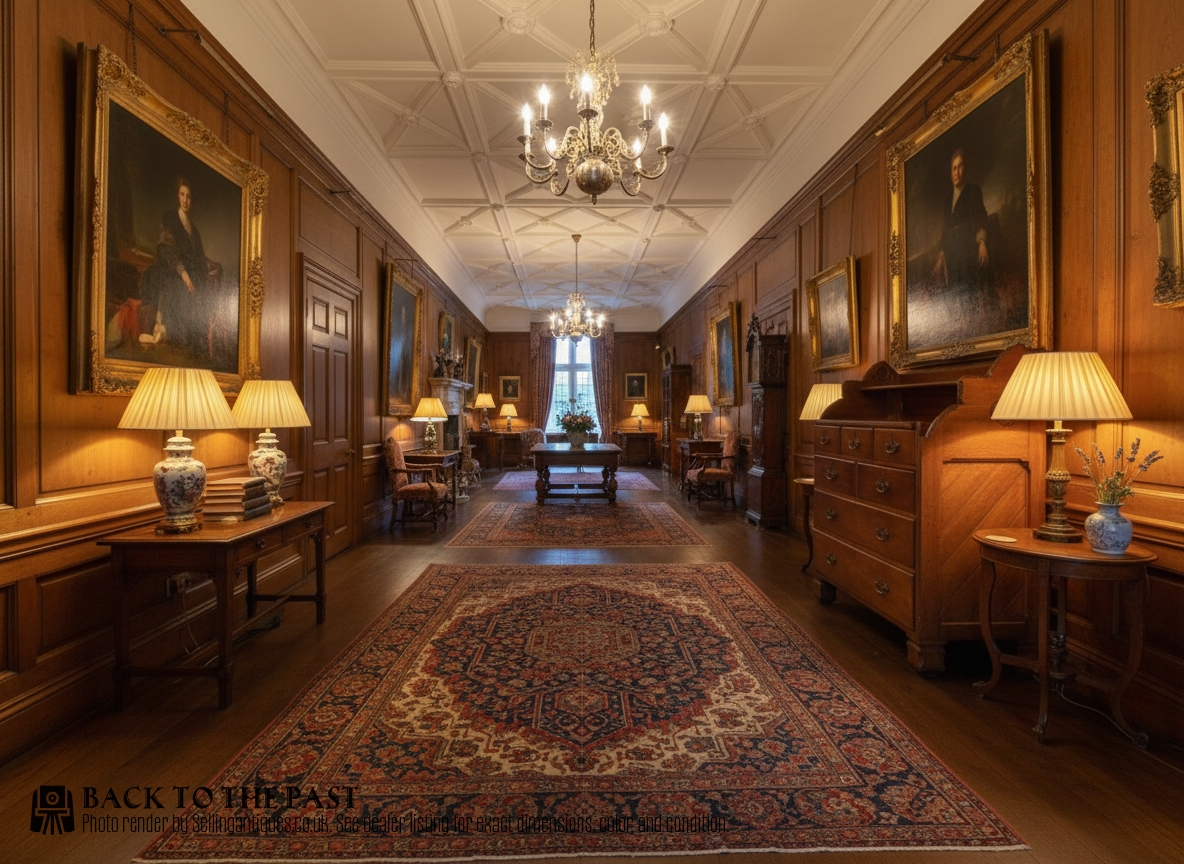
Warm Oak Tallboy
A warm oak tallboy brings vertical storage into a bedroom or dressing space through stacked drawers and cupboards. The pieces listed here span the seventeenth, eighteenth, nineteenth, and twentieth centuries, taking forms such as chests of drawers, chests on stands, and two-stage cupboards.
You will most frequently encounter Georgian and Edwardian examples fashioned from solid oak, sometimes accented with mahogany crossbanding or figures in elm. The selection also includes related formats like longcase clocks, linen presses, and single-door filing cabinets.
Originating across periods from seventeen hundred through to the twentieth century, these items range from robust country pieces to refined Georgian designs with bracket feet and original handles. Each format serves the practical demand for household organisation while displaying the distinctive grain of natural timber.
How they were made
The primary material is oak, paired with secondary woods like elm, boxwood, and mahogany for crossbanding and inlay. Metal components rely on brass and iron for drawer pulls, escutcheons, and hinges.
Joinery methods rely on traditional cabinet-making techniques suited to solid timber construction. Wood surfaces receive finishes that highlight the natural grain, from limed treatments to polished patinas.
One Victorian piece is specifically designated as a gentleman's sporran chest intended for sock drawers.
What varies in quality
Quality depends upon the selection of timber and the precision of the cabinet work, particularly in the handling of crossbanding and inlaid details. Pieces featuring figured elm or deliberate mahogany contrasts show a higher ambition in design.
The survival of original elements such as brass handles, bracket feet, and distinct period hardware distinguishes standard utility pieces from finer examples. Structural integrity in the drawer construction and carcass determines how well the timber ages over centuries.
The Warm Oak Tallboy Glossary
- Tallboy
- A tall chest of drawers, often built in two stages with a smaller set sitting atop a larger base or chest.
- Crossbanding
- A decorative border of veneer laid around the edges of a drawer front or top, typically running perpendicular to the grain of the central panel.
- Bracket foot
- A simple, architectural foot shaped like an L-bracket, commonly found supporting the corners of Georgian case furniture.
- Figured elm
- Timber cut from an elm tree to reveal a complex, twisting grain pattern with high visual movement.
Warm Oak Tallboy: Frequently Asked Questions
What periods do these pieces come from?
The pieces span multiple centuries, ranging from seventeenth-century works through eighteenth-century Georgian designs to Victorian and Edwardian examples.
Craftsmanship evolves across these eras, moving from early solid construction toward more decorative crossbanding and regional styles.
How do I maintain an oak tallboy?
Keep the timber away from direct heat sources and sudden humidity shifts to prevent the wood from splitting.
Apply a traditional wax polish occasionally to nourish the surface and preserve the natural lustre of the grain.
Are original handles common?
Many pieces retain their period brass handles and backplates, though replacements appear frequently due to centuries of use.
Examining the fixings and interior drawer timber helps determine whether the hardware matches the age of the carcass.
How do I distinguish regional styles?
Regional pieces often incorporate local woods such as elm or utilise simpler structural proportions compared to metropolitan workshops.
Scottish and Welsh examples display distinct regional cabinetry traditions in their layout and decorative details.