



Warm Brown Wooden Stand
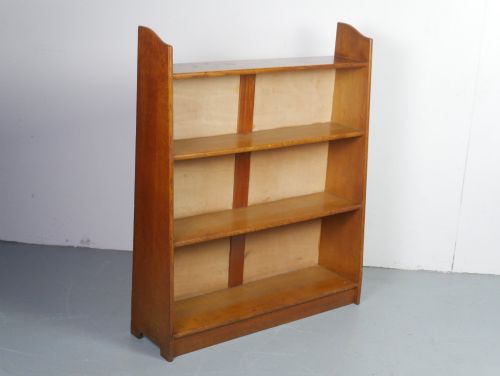
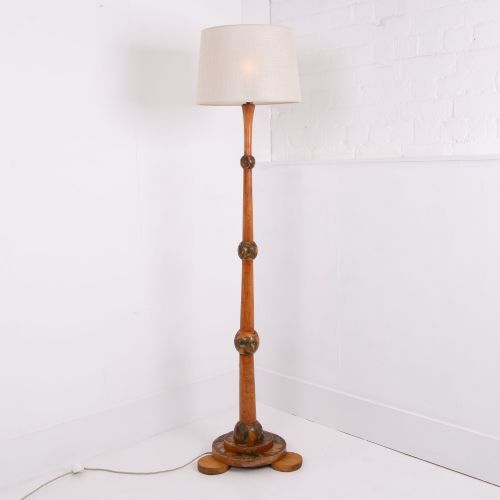
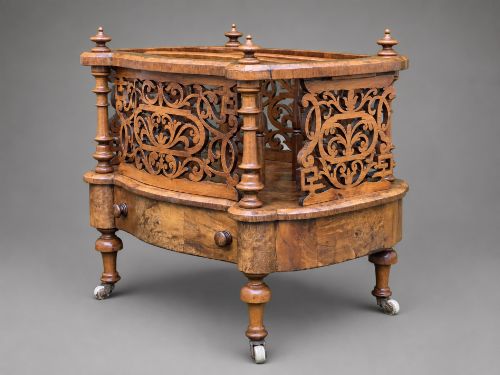
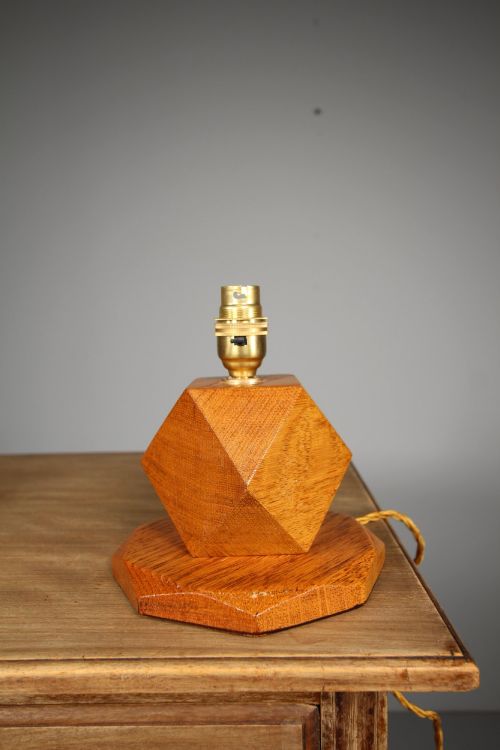
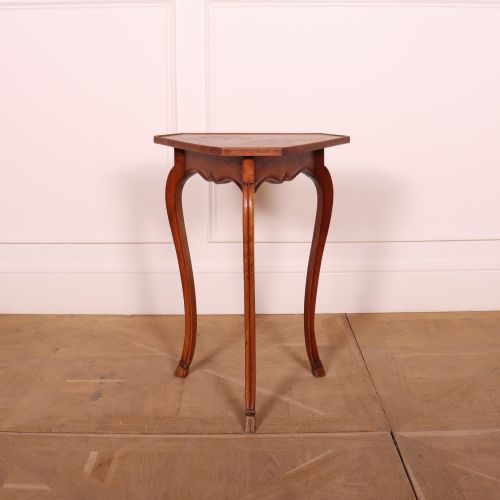
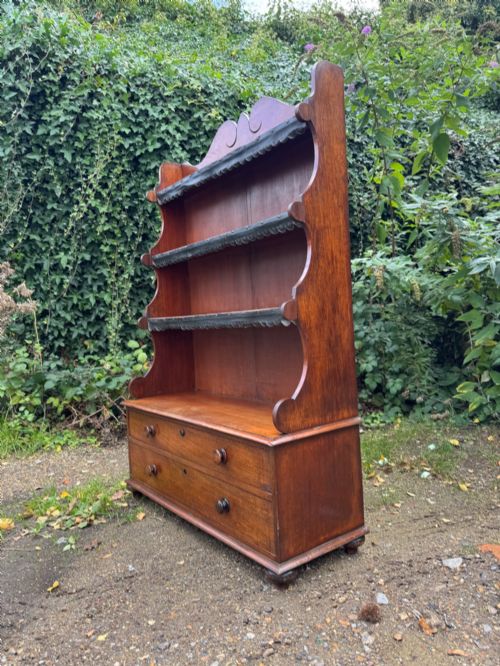
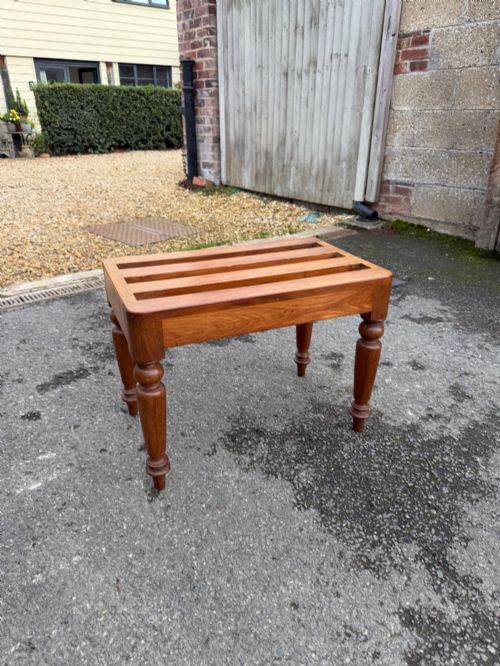
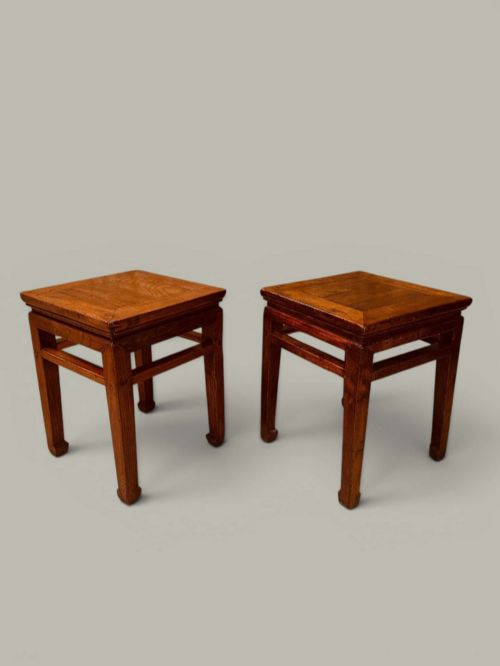
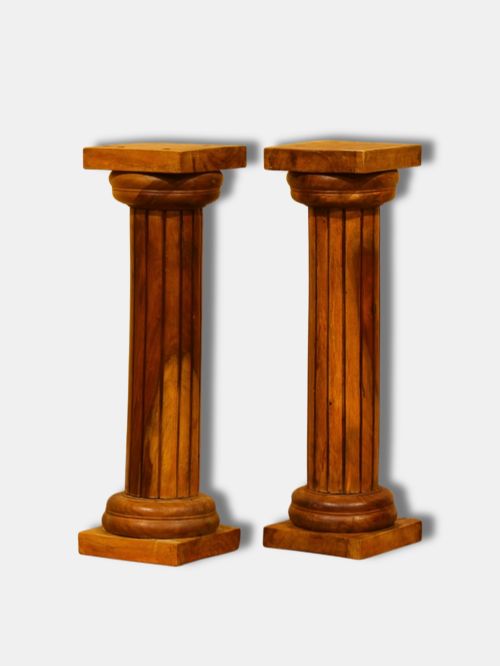
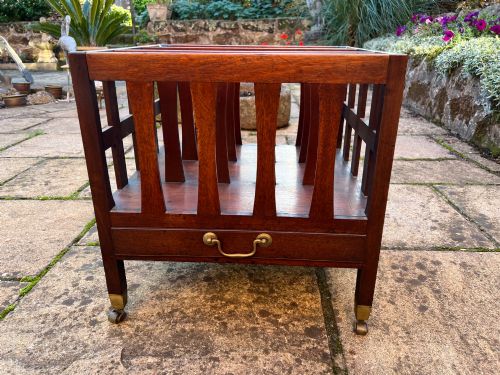
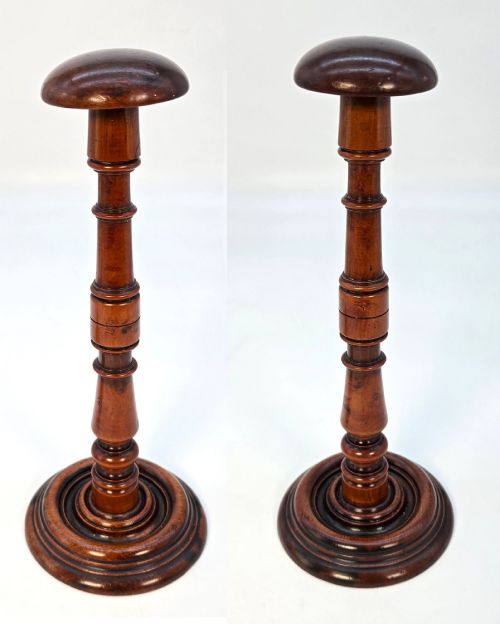
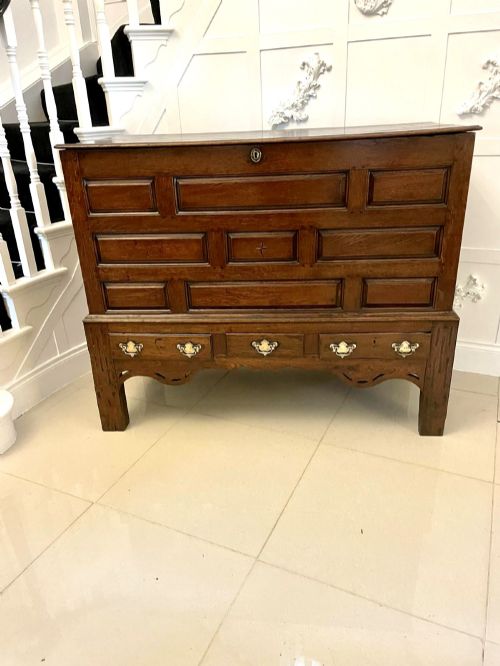
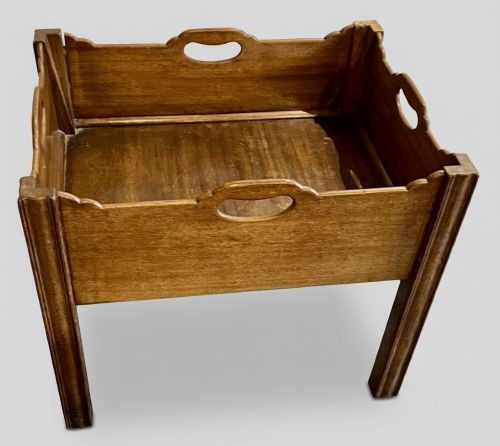
A warm brown wooden stand brings rich timber grain and practical elevation to a room, ranging from compact wine tables to grand chests on stands.
Warm Brown Wooden Stand
A warm brown wooden stand covers a varied collection of raised furniture pieces designed to hold objects, books, or drinks off the floor. The selection on this page leans heavily towards mahogany, oak, walnut, and yew wood items originating from the eighteenth, nineteenth, and early twentieth centuries.
Buyers encounter distinct utilitarian and decorative forms, including occasional tables, wine tables, hall stands, music stands, and chests raised upon supporting bases. These items reflect traditional periods such as Georgian, Victorian, and Edwardian craftsmanship, alongside occasional pieces from the Art Deco era.
Many items function as secondary furniture, intended to sit beside seating or within hallways and libraries to provide compact display or storage. The warm tones derive from polished hardwoods that have aged naturally over decades of use.
How they were made
Cabinet makers constructed these stands using solid timbers such as mahogany, oak, walnut, fruitwood, and yew wood, often enhanced by decorative crossbanding or grain figuring. Joinery relied on traditional methods like dovetailing and mortise and tenon joints to ensure structural stability across legs, columns, and tabletops.
Finishes typically involved hand-applied wax or polish, which protected the wood while deepening the rich brown appearance over time. Supplemental materials like brass fixtures, metal hardware, and glass components appear selectively on specific forms like luggage racks and cabinet doors.
Warm Brown Wooden Stand Retail Price Guide 2026
Typical asking prices for warm brown wooden stand among the pieces listed under this phrase on Sellingantiques today, from the lower quarter to the upper quarter. They describe what is for sale here now, not the wider market.
Periods represented span from the eighteenth century through the Victorian and Edwardian eras into the nineteen-twenties.
What varies in quality
Quality separates pieces by the selection of timber grain, the precision of the joinery, and the harmony of any associated bases or stands. Superior examples display carefully matched veneers, crisp carved details, and proportions that balance utility with aesthetic refinement.
The integrity of the original surface finish and the retention of period hardware also influence the distinction between standard utilitarian items and finer examples. Pieces that maintain their structural cohesion without intrusive modern alterations represent the higher tier of the range.
Heals
The Warm Brown Wooden Stand Glossary
- Chest on stand
- A two-part furniture form where a set of drawers sits upon a separate table or frame base. This design lifts storage off the ground and dates back to the seventeenth and eighteenth centuries.
- Wine table
- A small, portable occasional table with a single pillar and tripod base, traditionally used for holding glasses or bottles. These items often feature circular or multi-sided wooden tops.
- Crossbanding
- A decorative border technique where thin strips of veneer are laid around the edges of a tabletop or drawer front so the grain runs perpendicular to the main panel. This method frames the central wood figure.
- Hall stand
- A tall piece of furniture placed near an entryway, combining coat hooks, umbrella wells, and sometimes a small seat or mirror. They organise outdoor garments in domestic interiors.
- Yew wood
- A dense, resilient softwood with a distinctive contrasting grain pattern ranging from pale yellow to deep reddish-brown. Cabinet makers utilised this timber for accent pieces and specialised stands.
Warm Brown Wooden Stand: Frequently Asked Questions
What is a wine table used for?
A wine table provides a stable surface for holding drinks, glasses, or small decorative objects near seating areas. Their compact proportions allow them to fit easily into corners or beside armchairs.
Historically, these small stands were moved around rooms as needed during evening gatherings. Their elevated tops kept beverages safely away from floor drafts and foot traffic.
How do I identify a Georgian stand?
Georgian stands generally exhibit classical proportions, restrained ornamentation, and solid timber construction in woods like mahogany, oak, or fruitwood. Details often include turned columns, tripod legs, or simple bracket feet.
Makers of this period focused on functional elegance rather than heavy decoration. Examining the interior construction and timber ageing helps confirm the manufacturing era.
Where should I place a hall stand?
A hall stand belongs in an entrance hall or porch where coats, hats, and umbrellas require convenient storage. Their vertical orientation makes efficient use of narrow transitional spaces.
These pieces anchor the entryway while offering immediate practicality for daily garments. They pair well with traditional or transitional interior decor.
Are these stands made of solid wood?
Most of the stands feature solid hardwoods such as oak, mahogany, walnut, or yew wood. Some larger cabinet forms incorporate selected veneers over secondary timber bases for decorative effect.
Construction methods varied depending on the specific form, with tables relying on solid frames and chests occasionally using panelled construction. Natural timber grain remains a defining characteristic across the selection.