





Warm Brown Wood Credenza
A warm brown wood credenza brings rich tone and practical storage to a room through centuries of timber craftsmanship.
Warm Brown Wood Credenza
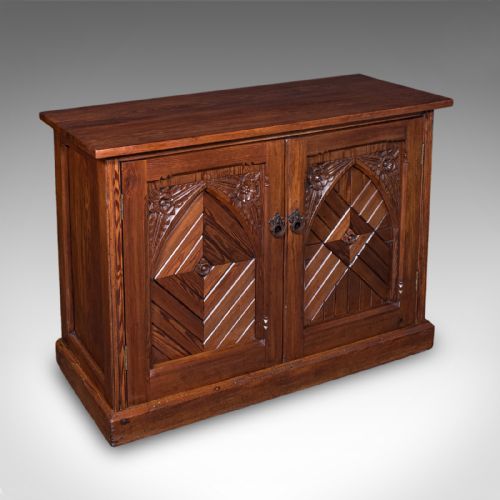
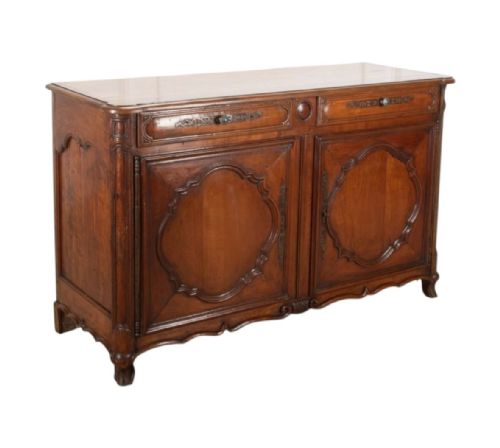
A warm brown wood credenza encompasses a range of large storage furniture, most frequently encountered as sideboards, buffets, and cupboards across this selection. These pieces span the eighteenth and nineteenth centuries, alongside Edwardian and 1920s examples, reflecting distinct historical periods and regional cabinetmaking traditions.
The forms vary from French provincial buffets and Irish cedar cupboards to Georgian inlaid sideboards and Chinese Shanxi style storage cabinets. Oak, mahogany, cherrywood, and fruitwood dominate the construction, often enhanced with satinwood inlay or burr walnut marquetry.
Buyers seeking a warm brown wood credenza will find that sideboards and storage cupboards provide the primary structural formats on this page. Each piece relies on deep timber tones and traditional joinery to anchor a dining room, hallway, or living space.
Materials and construction
Cabinetmakers built these pieces using solid timbers such as oak, mahogany, cherrywood, and fruitwood, often selecting boards with pronounced grain patterns. Secondary decorative elements include satinwood inlay and burr walnut marquetry, which add contrast to the primary brown surfaces.
Structural hardware frequently incorporates brass fittings, iron, and steel elements to secure doors, drawers, and compartments. Carved details and panel construction demonstrate traditional hand-tool methods typical of eighteenth and nineteenth century workshops.
Warm Brown Wood Credenza Retail Price Guide 2026
Typical asking prices for warm brown wood credenza among the pieces listed under this phrase on Sellingantiques today, from the lower quarter to the upper quarter. They describe what is for sale here now, not the wider market.
Housemaids once kept their daily tools behind the doors of sturdy oak cupboards long before anyone thought to call them designer storage.
Assessing quality and finish
Quality in these storage pieces rests upon the selection of timber figures, such as burr walnut or figured mahogany, and the precision of inlaid details like satinwood. Finer examples display harmonious grain alignment across large surfaces and meticulously executed carved elements rather than plain panels.
The integrity of the original construction, including the depth of the timber patina and the subtlety of provincial or period styling, distinguishes superior examples. Superior items maintain cohesive proportions across large sideboards and breakfront bookcases, balancing utility with decorative presence.
The Warm Brown Wood Credenza Glossary
- Credenza
- A low storage cabinet or sideboard traditionally used for serving food or storing dining items. Modern usage often applies the term broadly to various large wooden storage cupboards.
- Inlay
- A decorative technique where contrasting woods or materials are embedded into the surface of a primary timber. Satinwood is frequently used for this purpose on period sideboards.
- Buffet
- A sideboard or cabinet designed for holding dishes and food, commonly associated with French provincial dining furniture. These pieces often feature deep cherrywood or oak construction.
- Marquetry
- The art of applying pieces of veneer to a structure to form decorative patterns and pictures. Burr walnut marquetry provides a richly figured finish on early twentieth-century pieces.
- Serpentine
- A furniture front characterised by a curving line that bulges outward in the centre and recesses at the sides. This shape appears on select eighteenth-century Georgian sideboards.
Warm Brown Wood Credenza: Frequently Asked Questions
How do I date a wooden sideboard?
Dating relies on examining the timber species, construction methods, and stylistic markers such as Georgian inlay or Edwardian Art Nouveau details.
Cabinetmakers utilised specific woods and hardware traits in the eighteenth and nineteenth centuries that help distinguish each era.
Where should I place a large cupboard?
These storage pieces suit dining rooms, wide hallways, or living spaces where substantial timber presence and surface area are beneficial.
Ensure adequate clearance for doors and drawers, especially with wider sideboards and breakfront formats.
What woods were commonly used?
Traditional cabinetmakers relied on sturdy hardwoods including mahogany, oak, cherrywood, and fruitwood for the main structure.
Decorative accents often feature satinwood inlay or burr walnut marquetry to enhance the visual grain of the wood.