

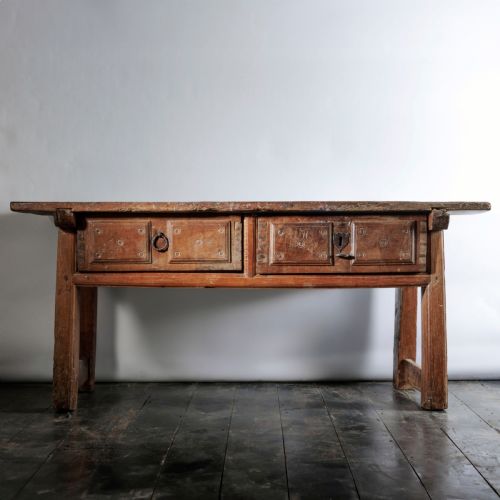
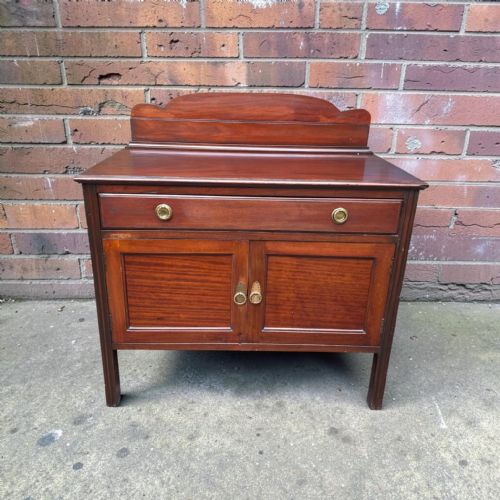
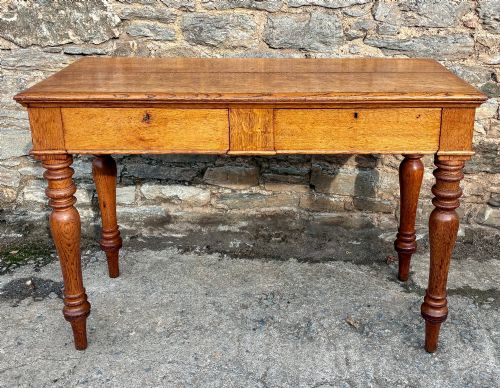
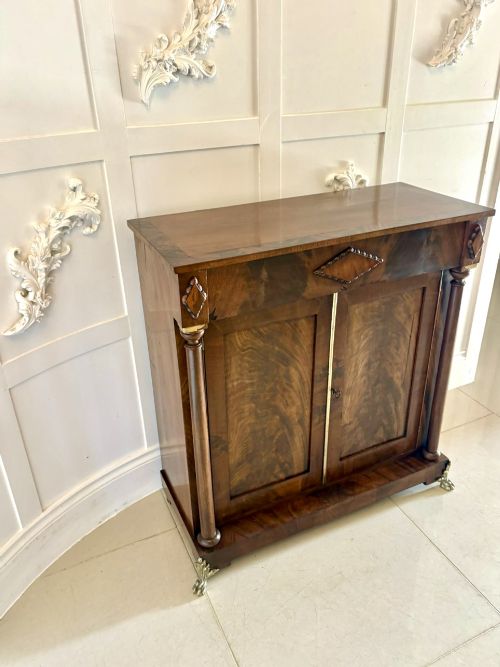
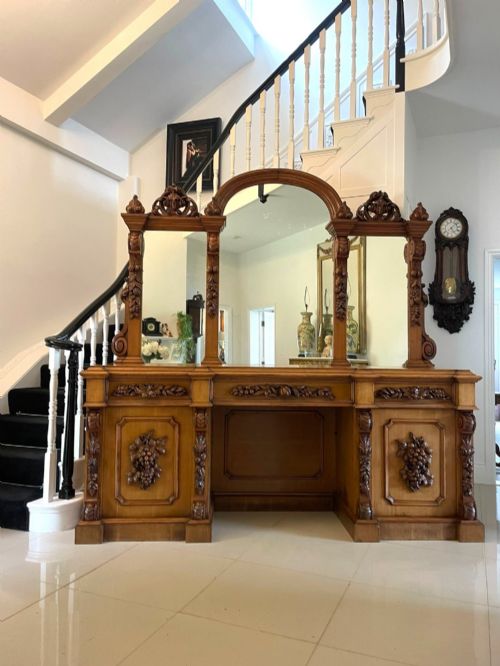
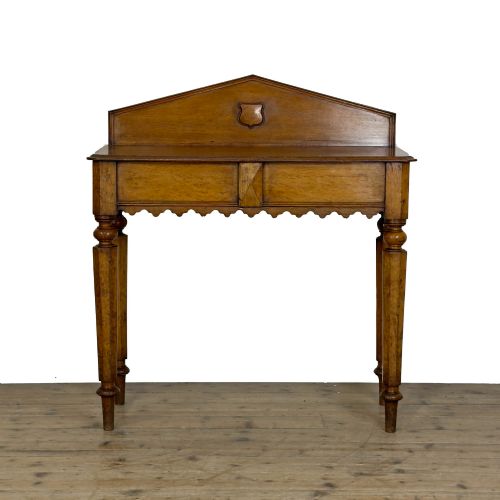
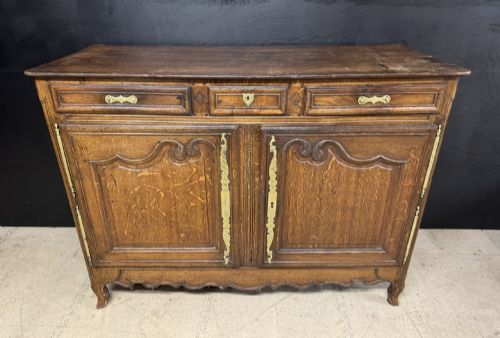
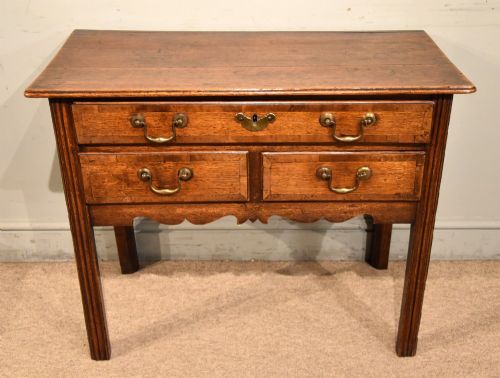
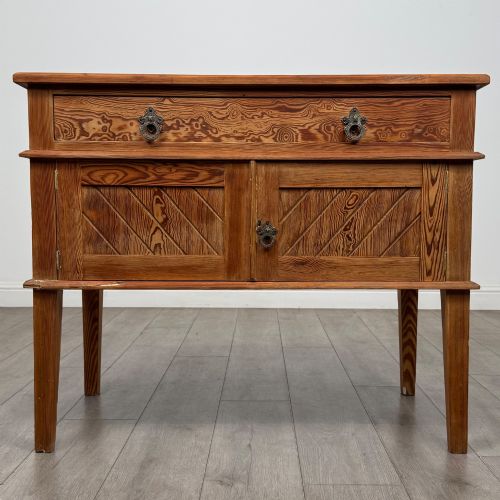
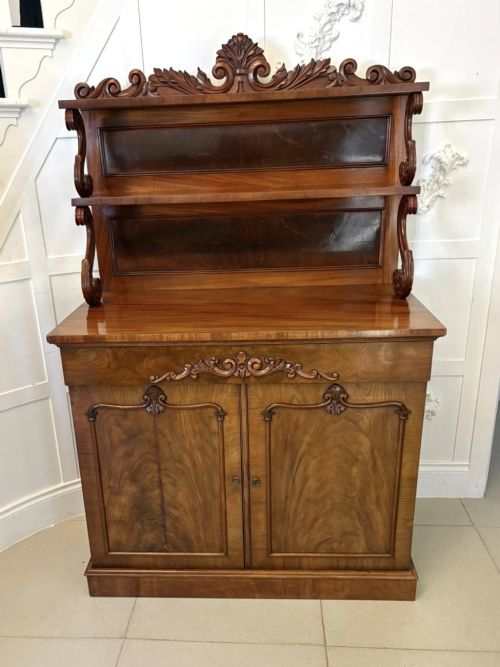
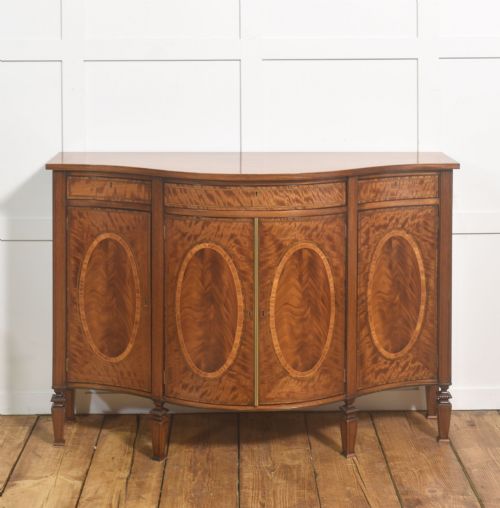
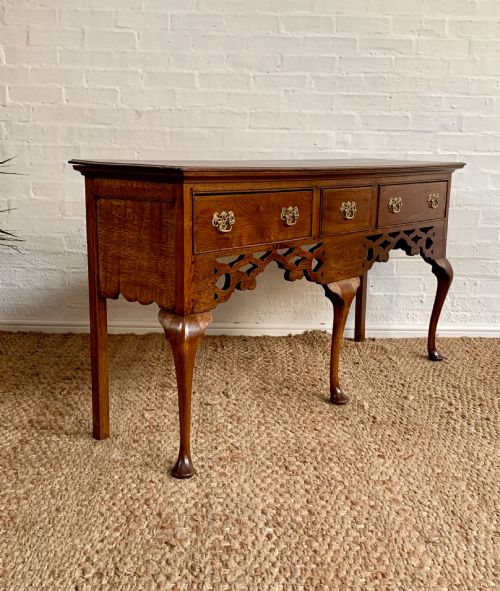
Warm Brown Server
A warm brown server grounds a room with rich timber tone and deep utility, offering substantial storage and surface space for modern dining.
Warm Brown Server
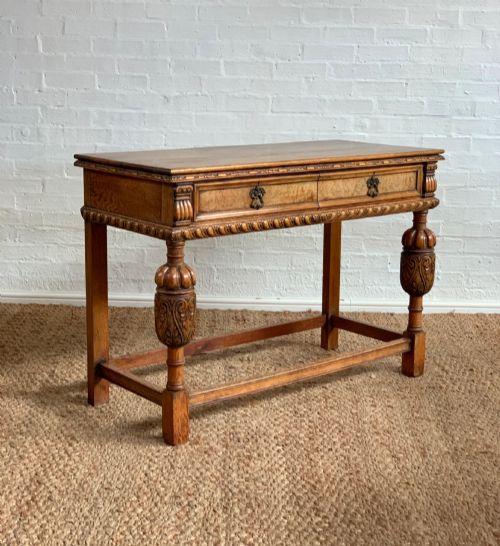
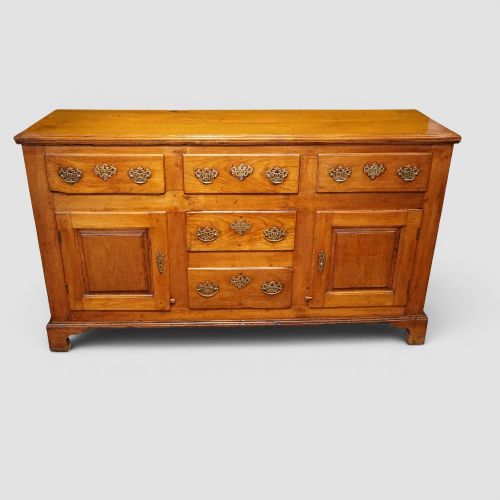
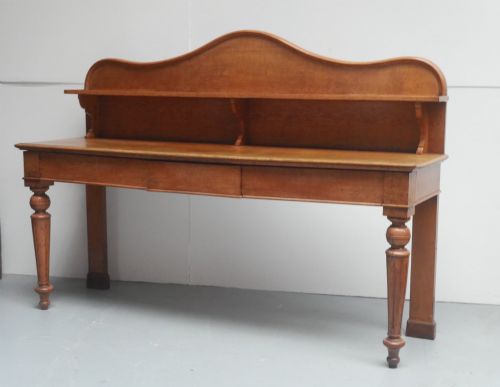
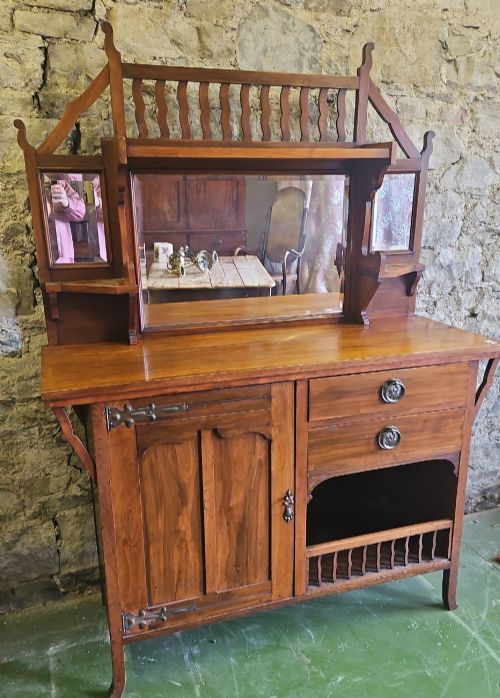
A warm brown server encompasses sturdy sideboards, lowboys, and dresser bases designed for food service and tableware storage. These pieces bridge the gap between functional dining room furniture and decorative antique display.
Forms range from compact console tables and side tables to large cupboards and multi-drawer dresser bases. Each piece brings practical surface area and historical character to contemporary living spaces.
How they were made
Cabinetmakers utilised solid timbers such as oak, mahogany, and walnut, frequently enhancing the surfaces with burl walnut veneers, satinwood inlays, or fruitwood panels. Brass handles, escutcheons, and hinges provide functional contrast to the dark timber.
Construction techniques rely on traditional joinery, including hand-cut dovetails for drawers and mortise and tenon joints for frames. Carved detailing, panelled doors, and raised pot boards reflect regional British and continental workshop traditions.
Warm Brown Server Retail Price Guide 2026
Typical asking prices for warm brown server among the pieces listed under this phrase on Sellingantiques today, from the lower quarter to the upper quarter. They describe what is for sale here now, not the wider market.
Listings feature eighteenth-century Georgian oak and walnut pieces alongside Victorian mahogany and Edwardian Arts and Crafts designs.
What varies in quality
The calibre of a warm brown server rests upon the selection of timber and the dexterity of the cabinetmaker. Figured mahogany, burr walnut, and choice oak displays distinctive grain patterns that elevate the visual presence of the piece.
Proportion, restraint in carved ornament, and the integrity of the original hardware distinguish standard utility furniture from exceptional workshop production. Structural execution in the drawer linings and backboards dictates the longevity of the piece.
Beresford & Hicks London·Hamptons of Pall Mall London·Maple and Co·T Simpson and Son
The Warm Brown Server Glossary
- Dresser base
- A low wooden unit featuring drawers and cupboards, originally used in kitchens for food preparation and storage. They now function as versatile sideboards in dining rooms and hallways.
- Lowboy
- A small seventeenth or eighteenth-century dressing or side table with one or more rows of drawers supported on slender legs. They work well as compact serving tables.
- Chiffonier
- A small, low sideboard or cabinet developed in the nineteenth century, often featuring enclosed shelving beneath the main surface. They provide tidy storage in compact rooms.
- Pot board
- An open lower shelf built into a dresser base or serving table, traditionally designed to hold pots and heavy kitchenware. It adds structural stability and display space.
- Marquetry
- The art of applying pieces of veneer to a structure to form decorative patterns and pictures. This technique adorns luxury cabinet furniture with contrasting wood tones.
Warm Brown Server: Frequently Asked Questions
How do I style a server?
A warm brown server anchors a dining room or hallway when paired with balanced styling on the surface. Position lamps, ceramics, or trays on top to create a functional focal point.
Utilise the internal cupboards and drawers to store table linen, cutlery, and glassware out of sight. This keeps the room tidy while maintaining easy access for dining.
What is a dresser base?
A dresser base is a heavy wooden storage unit with drawers and sometimes lower cupboards, built without the upper plate rack. These sturdy items function well as deep servers.
Originating in country houses and farmhouses, they offer robust surfaces and generous internal capacity suited to daily use.
Where should I place a lowboy?
A lowboy is a compact side table with drawers that fits neatly into hallways, bedrooms, or dining areas. Its modest footprint makes it ideal for tighter spaces.
Use the surface for keys and post in an entrance hall, or as a slim serving station during dinner parties.
How do I care for antique wood?
Protect antique timber surfaces by avoiding direct sunlight and placing felt pads under heavy objects. Regular dusting with a dry cloth preserves the finish.
Feed dry hardwoods occasionally with appropriate wax to maintain the warm lustre of the grain without building up heavy residue.