




Warm Brown Oak Seat
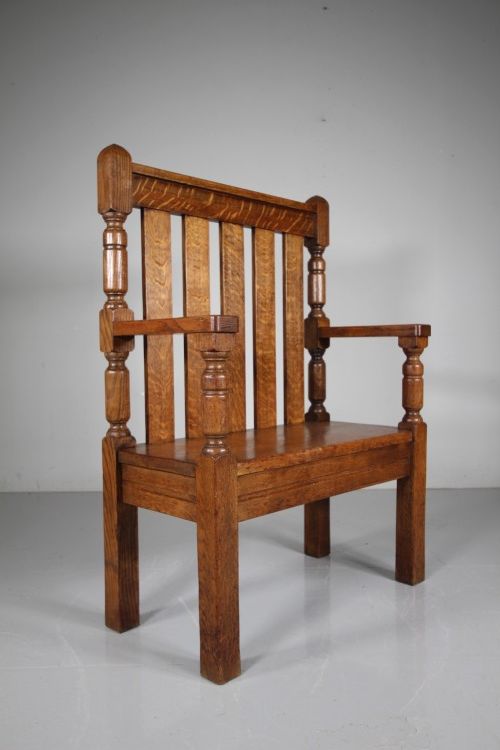
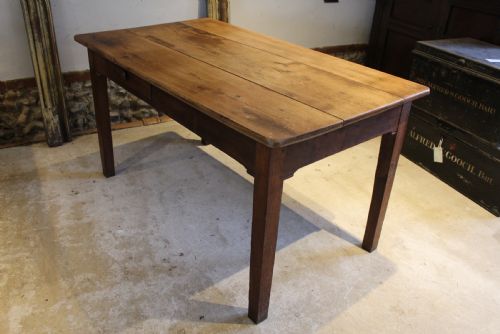
A warm brown oak seat brings deep timber grain, sturdy vernacular construction, and honest utility into a room.
Warm Brown Oak Seat
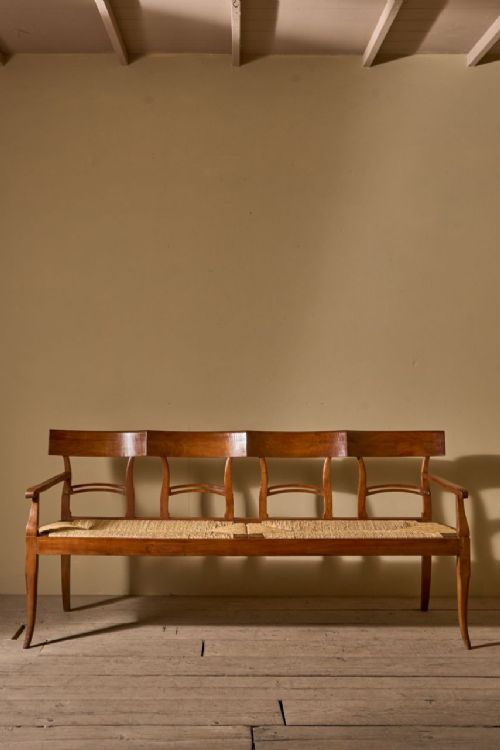
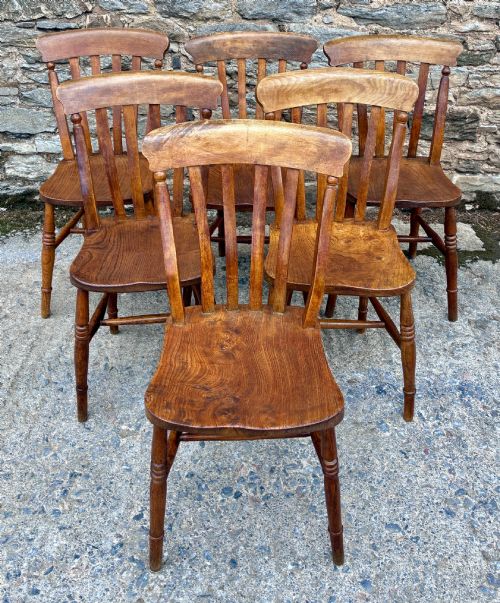
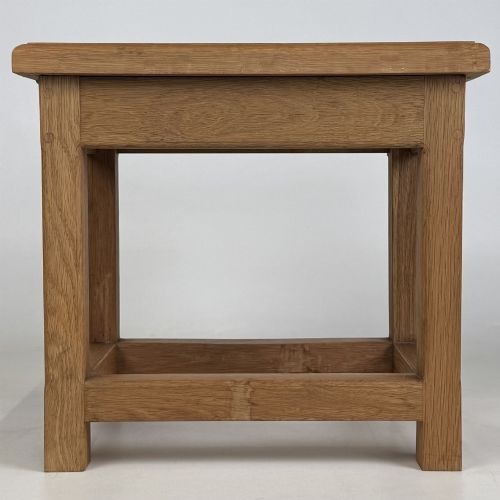
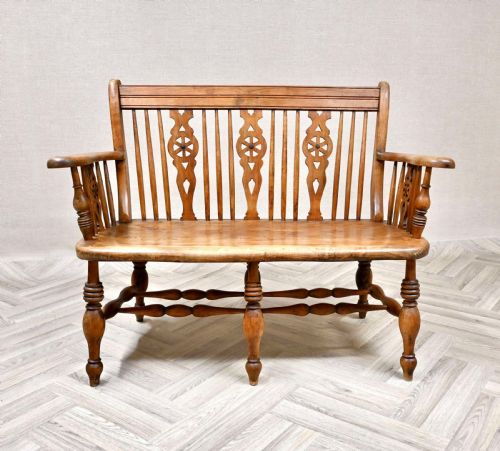
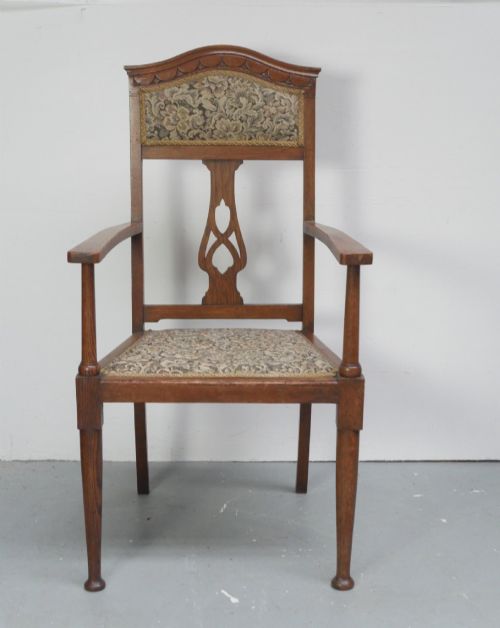
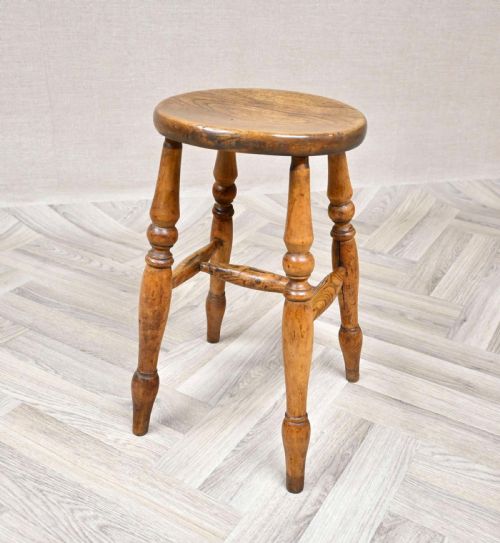
A warm brown oak seat encompasses a variety of utilitarian wooden forms designed for seating or resting within domestic and communal spaces. When searching for a warm brown oak seat, buyers encounter vernacular furniture types spanning simple stools, dining chairs, armchairs, and long hall benches. The pieces originate from periods including the Victorian era, the Edwardian years, and the early twentieth century.
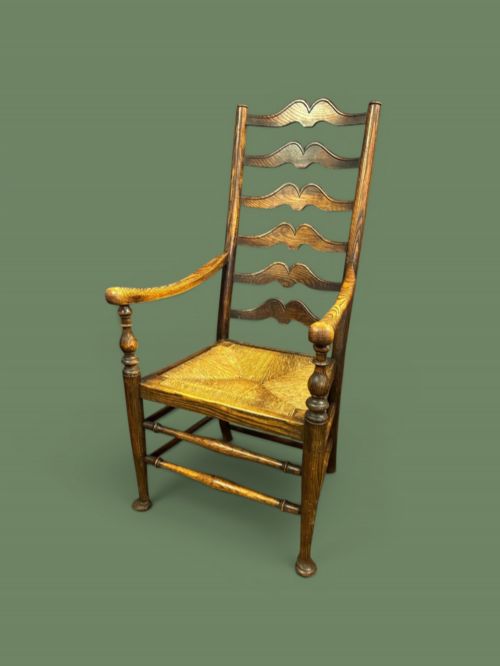
The selection ranges from rustic country ladderbacks and Windsor stools to Gothic Revival benches and oak twist leg dining chairs. Many examples combine solid oak frames with contrasting timbers such as elm, beech, or ash, occasionally incorporating rush or fabric seating elements. These items serve functional roles as kitchen seating, fireside armchairs, or tavern benches.
Judging quality in antique seating
Quality rests upon the integrity of the timber selection and the precision of the underlying joinery. Superior pieces display harmonious grain matching across the oak components and tightly fitted joints that maintain stability without excessive modern intervention.
The distinction between standard utility items and finer examples lies in the subtlety of turned details, the comfort of shaped wooden or rush seats, and the preservation of original patination.
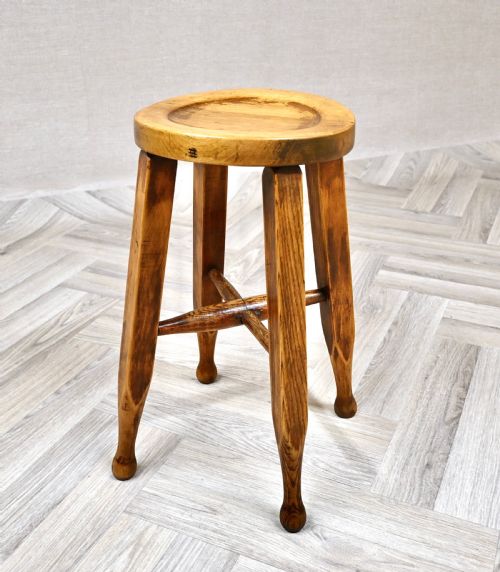
Wild elm makes an unexpected appearance in the timber choices, bringing untamed grain straight to the tall stool.
Liberty·Heals
The Warm Brown Oak Seat Glossary
- Rush seat
- A woven seating surface made from dried marsh grasses. This traditional method provides a resilient and slightly flexible platform.
- Lathe back
- A chair back constructed with vertical wooden slats turned on a lathe. These members offer back support while maintaining a light profile.
- Joint stool
- A low wooden stool constructed with mortise and tenon joints rather than turned legs. Such pieces date back centuries as versatile household seating.
- Refectory bench
- A long, narrow wooden bench designed to accompany a large dining table. They originate from communal dining traditions.
Warm Brown Oak Seat: Frequently Asked Questions
How do I date an oak seat?
Dating relies on observing construction marks, tool traces, and the specific style of turning or joinery employed by the maker.
Comparing the timber patination and secondary woods such as elm or beech helps place a piece within the Victorian, Edwardian, or earlier periods.
Are these seats suitable for daily use?
Most antique wooden seats were built for rigorous domestic or tavern service and remain structurally robust.
Checking the firmness of rush panels and the tightness of leg joints ensures the piece handles everyday sitting.
What is the difference between a hall bench and a settle?
A hall bench typically offers an open wooden seat and backrest intended for entryways and corridors.
Settles often incorporate solid panelled backs and enclosed bases designed to block draughts in older rooms.
How should I care for antique oak?
Maintain the wood by applying suitable beeswax periodically to nourish the dry grain and preserve the warm brown tone.
Keep wooden furniture away from direct heat sources and sudden humidity changes to prevent timber splitting.