
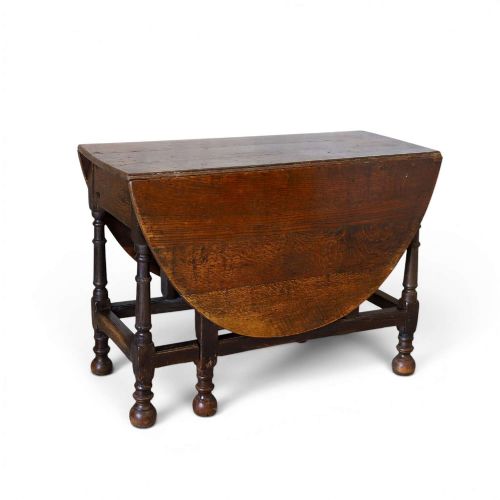


Warm Brown Drop Leaf Table
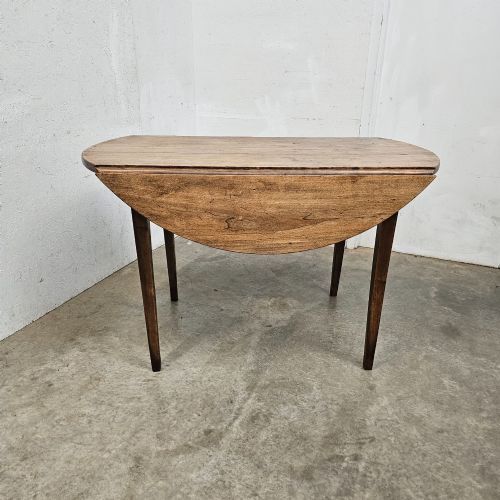
A warm brown drop leaf table offers practical surface area paired with timber tones suited to traditional and relaxed interiors.
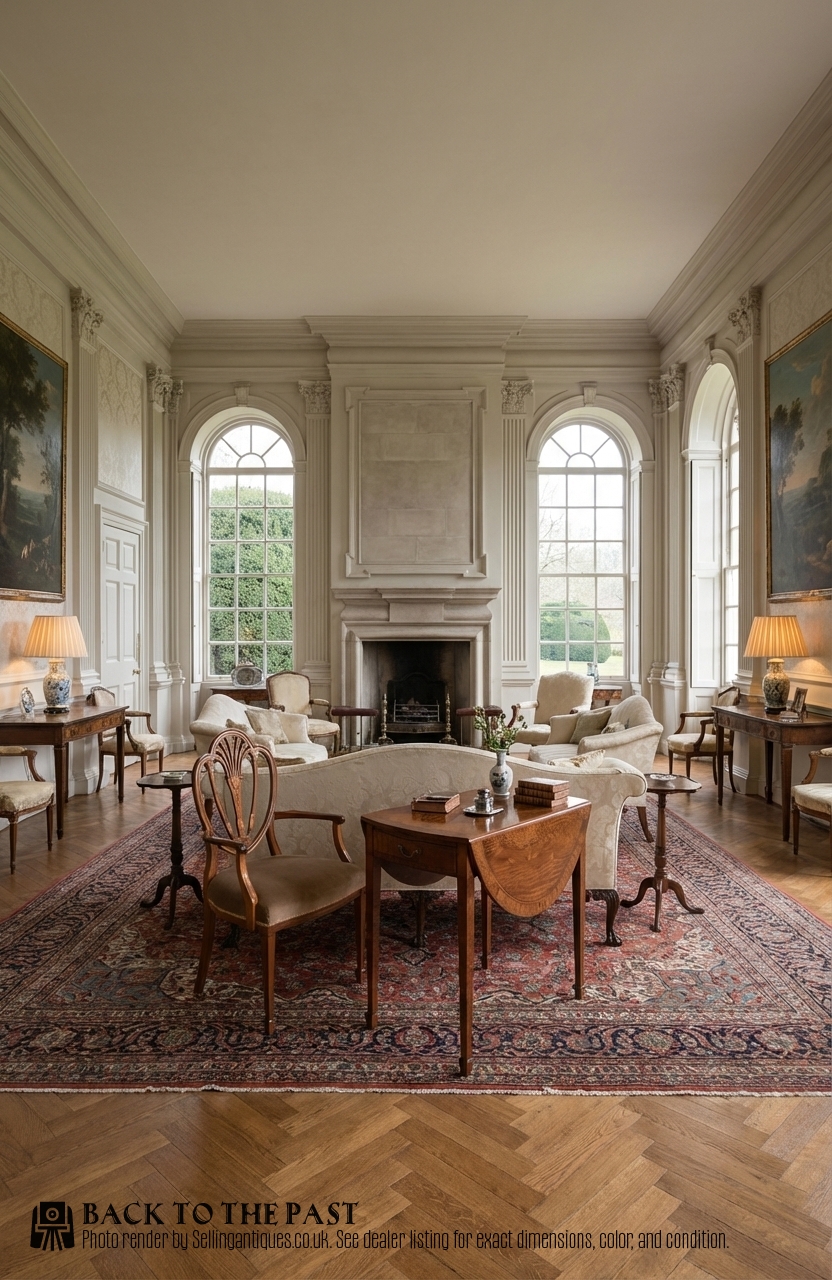
Warm Brown Drop Leaf Table
When you search for a warm brown drop leaf table, you are looking at centuries of dining and occasional furniture designed to save space when folded. The pieces listed span from the seventeenth century through the Georgian and Regency periods up to the Edwardian era and the 1920s.
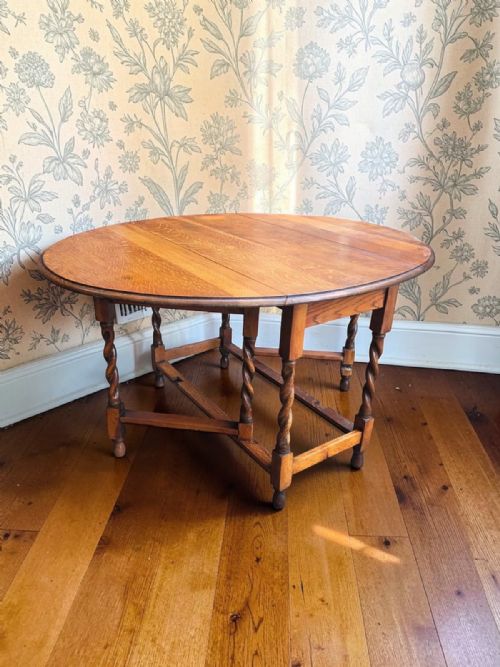
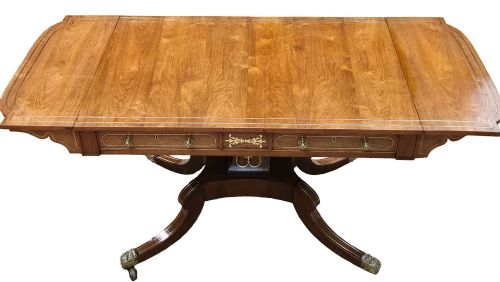
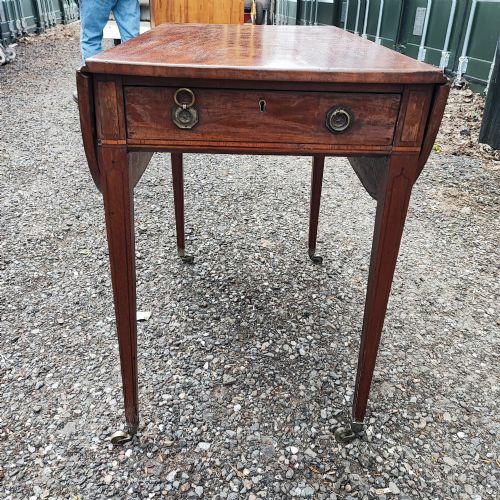
You will most frequently meet oak gateleg examples and mahogany pembroke or sofa tables on this page. These forms range from compact farmhouse dining tables seating several people down to small side tables and coffee tables.
Materials and construction
Cabinetmakers utilised solid timbers including oak, mahogany, fruitwood, elm, and rosewood, often enhanced with brass hardware, satinwood inlay, or burr walnut veneers. Gateleg frames rely on pivoting support legs to hold the folding flaps horizontal, while pembroke and sofa tables use hinged leaves supported by fly brackets or sliding arms.
Joinery techniques such as mortise and tenon frames provide the structural rigidity needed for tables that repeatedly fold and unfold. Surfaces finished with polish or wax highlight the natural grain and warm patina of the timber over decades of use.
Table forms on this page include dining tables, sofa tables, pembroke tables, coffee tables, and occasional tables.
Distinctions in quality
The degree of refinement in timber selection and secondary woods sets examples apart, with figured veneers, cross-banding, and matched grain showing greater ambition from the maker. Original hinges, timber movement allowance, and structural stability under the folding flaps dictate how well a table survives daily utility.
Proportion and the crispness of turned legs, such as barley twist or tapered supports, distinguish standard vernacular pieces from workshop pieces displaying higher design pedigree.
Mack, Williams and Gibton
The Warm Brown Drop Leaf Table Glossary
- Gateleg table
- A table featuring hinged leaves supported by pivoting legs that swing out like a gate. This construction provides sturdy support for the drop leaves when the table is fully opened.
- Pembroke table
- A small rectangular table with two folding leaves on opposite sides, typically fitted with a drawer. It developed during the eighteenth century as a versatile piece for writing or breakfast.
- Sofa table
- A rectangular occasional table traditionally placed in front of a sofa, equipped with drop leaves and often containing drawers. Regency examples frequently feature trestle ends connected by a stretcher.
- Patina
- The surface sheen and colour acquired by wood over long periods of handling, age, and polishing. It serves as an indicator of genuine age and continuous use.
- Cross-banding
- A decorative border of veneer laid with the grain running perpendicular to the main surface. This technique frames table tops to add visual contrast.
Warm Brown Drop Leaf Table: Frequently Asked Questions
How do I use a drop leaf table in a small room?
Keep one or both leaves folded down against the central section to save floor space when extra surface area is not needed.
Lift the hinged flaps and swing out the supporting legs whenever you require space for dining or working.
What is the difference between a gateleg and a pembroke table?
Gateleg tables utilise pivoting legs that swing out from the main frame to support large folding leaves on all sides, often serving as dining tables.
Pembroke tables feature smaller drop leaves on two opposing sides and typically include one or more drawers beneath the top.
How can I tell the age of an antique oak table?
Examine the construction methods, timber movement, and hardware style to establish the period of manufacture. Hand-cut joinery and original hinges point towards earlier seventeenth or eighteenth-century origin.
Turned leg styles such as barley twists or straight tapered supports also help place the table within Georgian, Victorian, or Edwardian eras.
Where should I place a sofa table?
Position a sofa table directly behind the back of a freestanding sofa in a living room. You can also place one against a wall as a narrow side console or serving surface.