


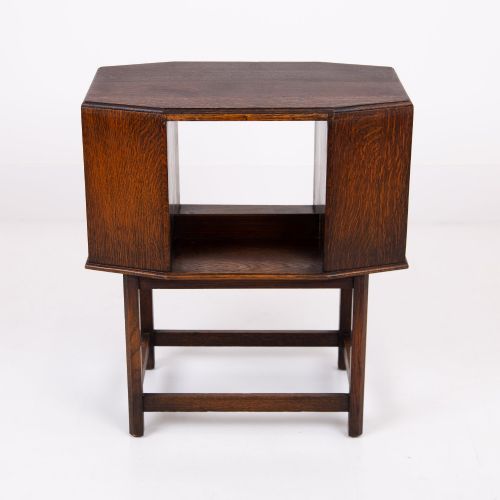
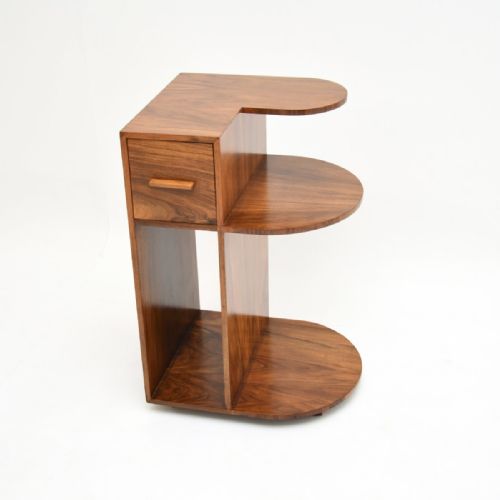
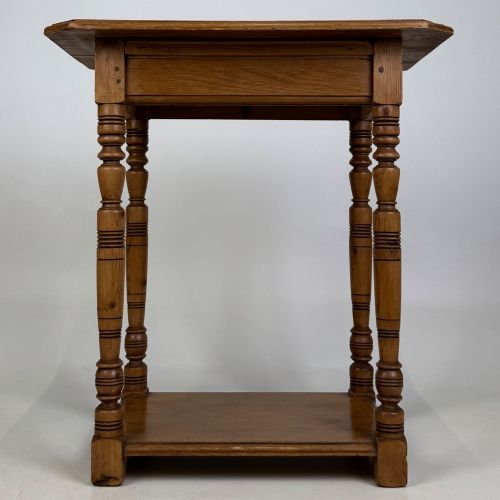
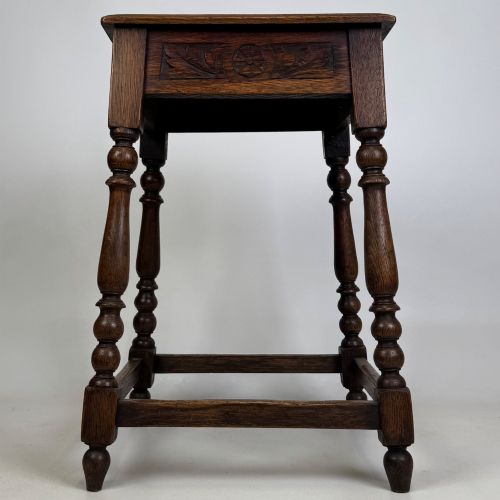
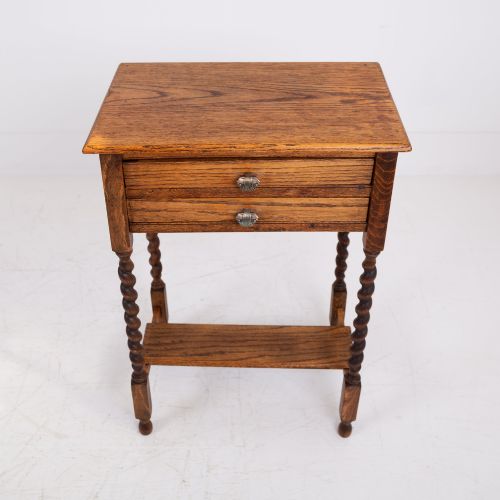
Vintage Occasional End Table
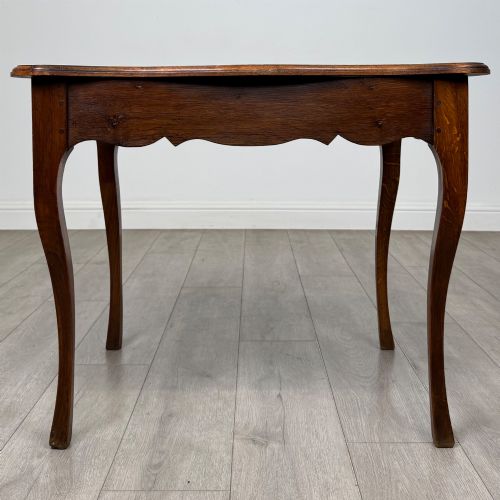
A vintage occasional end table serves a room with compact utility, bringing period timber and proportion beside a chair or sofa.
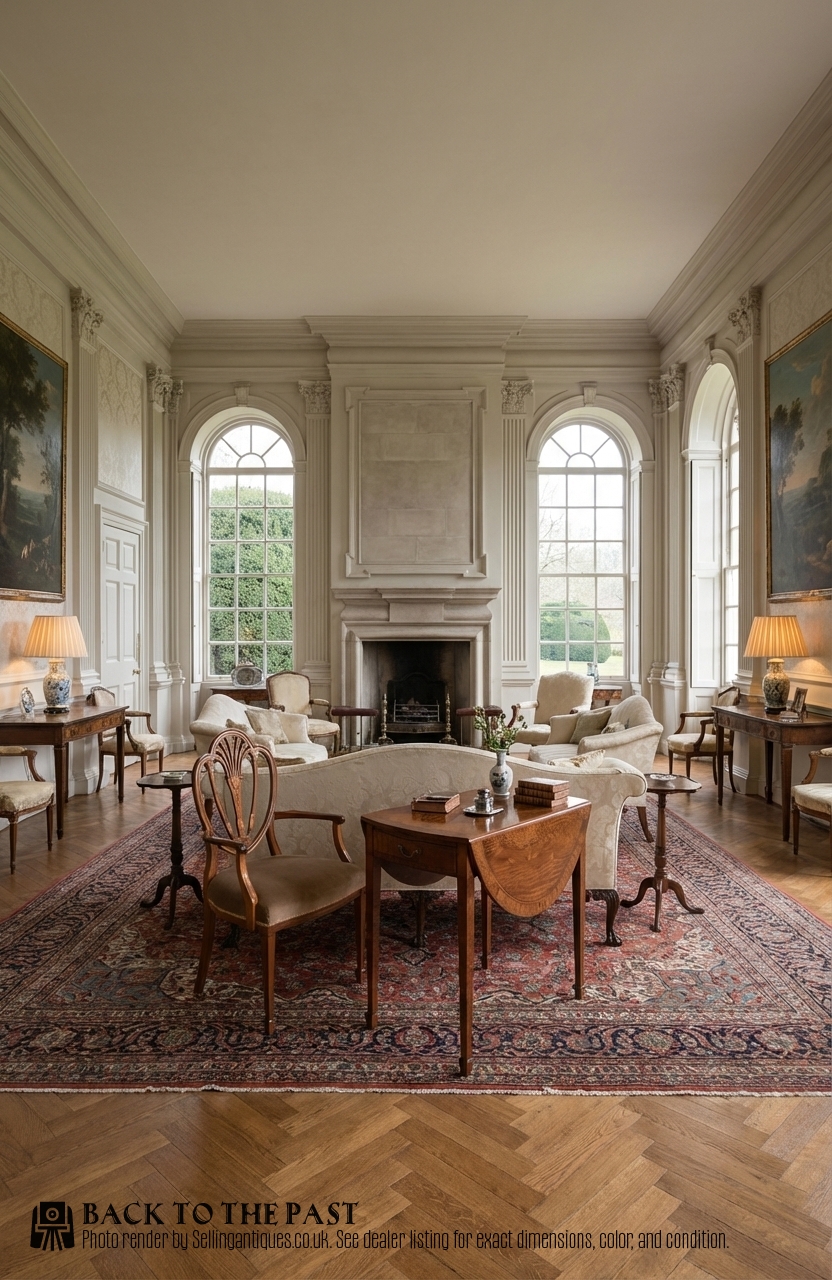
Vintage Occasional End Table
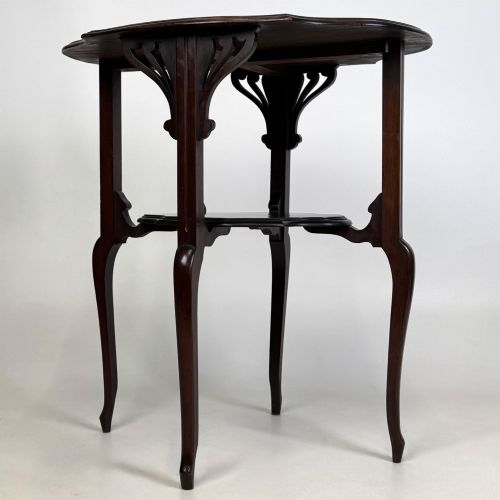
A vintage occasional end table encompasses compact side pieces, lamp tables and nests designed to sit beside seating throughout the home. Buyers searching this phrase most frequently encounter Edwardian and 1920s oak or mahogany examples alongside Victorian iterations.
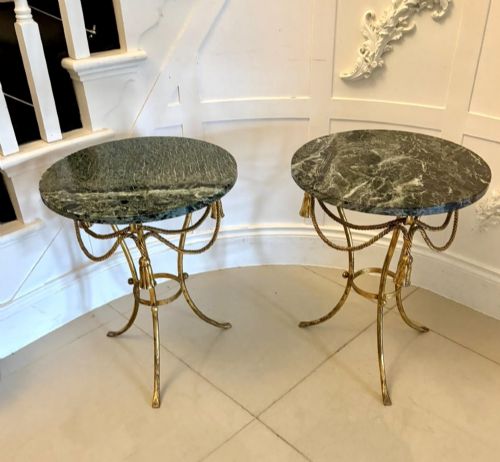
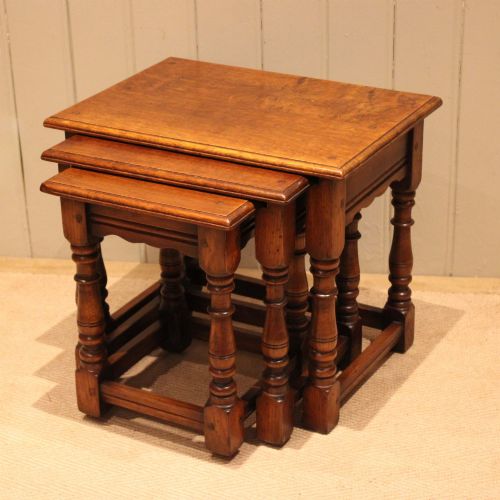
The material record spans solid oak, mahogany, walnut, and walnut veneer, complemented by occasional inclusions of brass, marble, and bamboo. These tables arrive in diverse configurations, from simple two-drawer designs to interlocking nests of three and five tables.
Materials and Construction
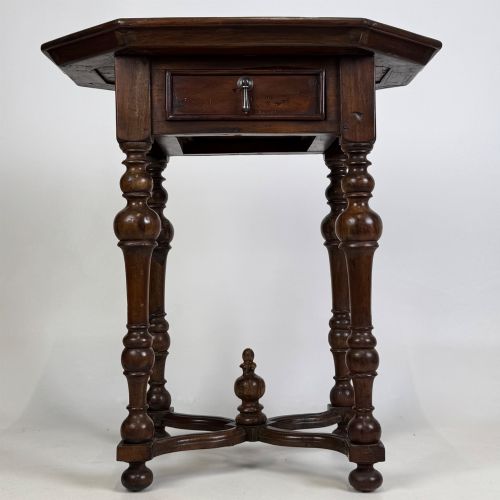
Timbers such as oak, mahogany, and walnut form the structural core of these pieces, utilised either as solid wood or applied as figured veneers. Workshops employed traditional joinery techniques, turning supports into barley twists and carving details directly into the wood.
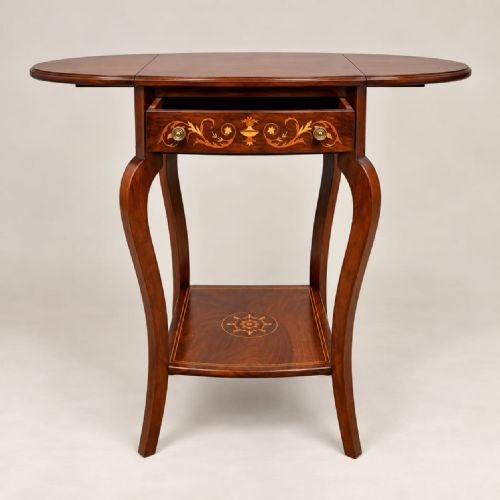
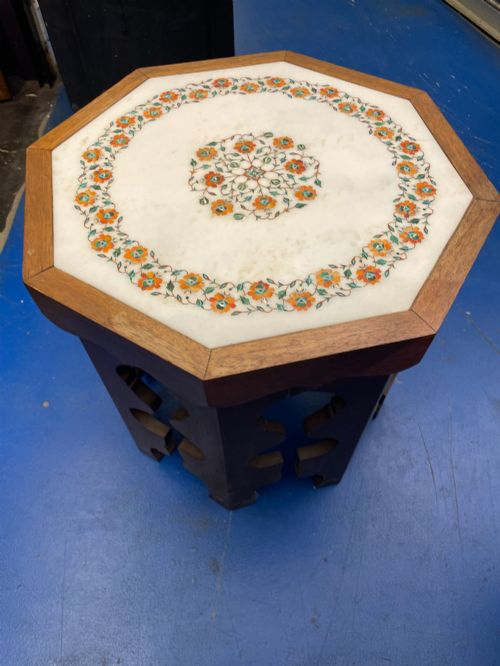
Surface ornamentation ranges from marble tops and gilded brass mounts to painted floral decoration on satinwood and chip carved borders. Finishes include limed treatments on oak alongside polished mahogany and walnut surfaces.
Assessing Craftsmanship
The standard of timber selection and grain figuring governs the visual weight of each piece, distinguishing simple utility items from finely figured walnut or satinwood specimens. Superior examples display crisp carving, balanced proportions, and integrated secondary woods.
Structural integrity relies on the tightness of joints and the stability of veneered surfaces, where even shrinkage and careful matching indicate higher workshop competence. Hardware execution, such as cast brass mounts or fitted drawers, further separates standard production from exceptional work.
The Vintage Occasional End Table Glossary
- Nest of tables
- A set of graduated small tables designed to fit neatly beneath one another when not in use. They appeared frequently in Edwardian drawing rooms.
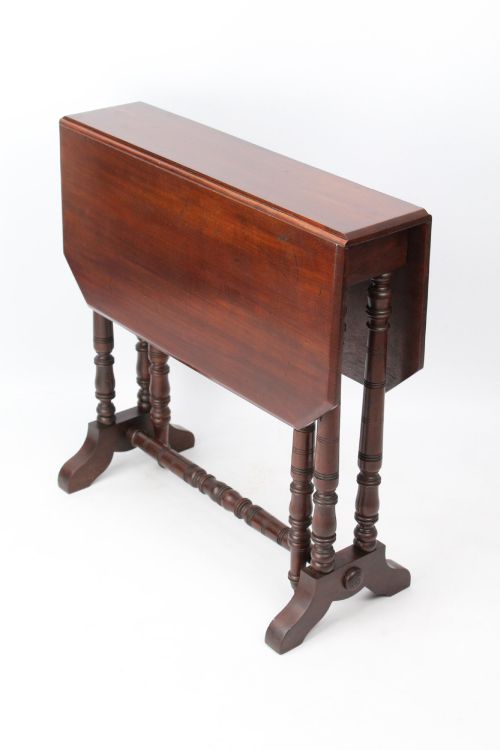
- Sutherland table
- A narrow drop-leaf table featuring exceptionally slender hinged flaps supported by swing legs. Victorian iterations often served tea.
- Jacobean Revival
- A style popular in the early twentieth century borrowing heavy turning, geometric panels, and dark finishes from seventeenth-century furniture.
- Drop leaf
- A table top with hinged flaps that fold down to save space or lift up to extend the surface area.
- Figured walnut
- Timber cut to reveal complex, decorative grain patterns such as burrs or curls. It gained heavy favour during the Art Deco period.
Vintage Occasional End Table: Frequently Asked Questions
What defines an occasional table?
An occasional table is a small, movable piece designed for specific, intermittent use rather than heavy daily service. These tables typically sit beside chairs or sofas to hold lamps, books, or drinks.
Their compact scale allows them to move easily around a room as needed. In period homes, they fulfilled diverse social functions like serving tea or displaying ornaments.
How do I date an oak side table?
Dating relies on observing construction methods, timber choices, and stylistic revival markers. Edwardian and 1920s pieces often exhibit lighter oak finishes, machine-planed interiors, or revival elements like barley twist legs.
Victorian examples tend to use heavier timber sections and darker shellac polishes. Examining the secondary woods inside drawers helps confirm the manufacturing era.
Are nest of tables practical?
Nests of tables offer exceptional spatial efficiency for modern living rooms. The graduated sizes stack into the footprint of a single small table until extra surfaces are required.
Edwardian and later iterations provide sturdy pull-out platforms for entertaining guests. Their multi-tiered design suits flats and compact seating areas.
Where should I place a lamp table?
Lamp tables fit naturally beside reading chairs, armchairs, or at the ends of sofas. Their primary historical role was supporting task lighting in darkened corners.
Placing them against a wall or beside upholstery creates a balanced focal point. Marble-topped or polished wood versions handle everyday items while adding texture to a room.