


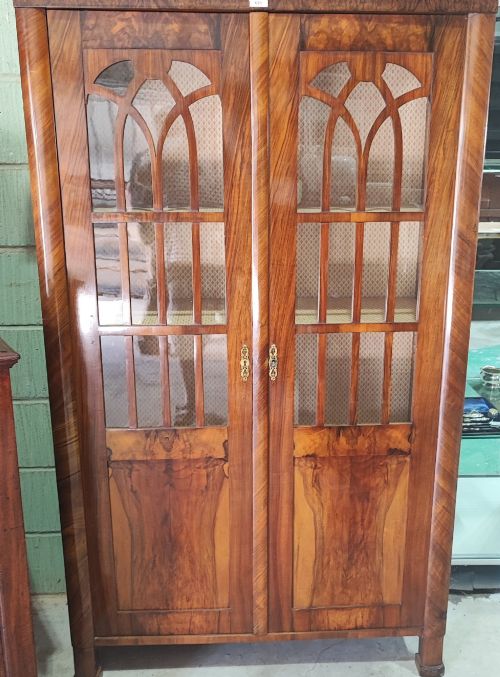
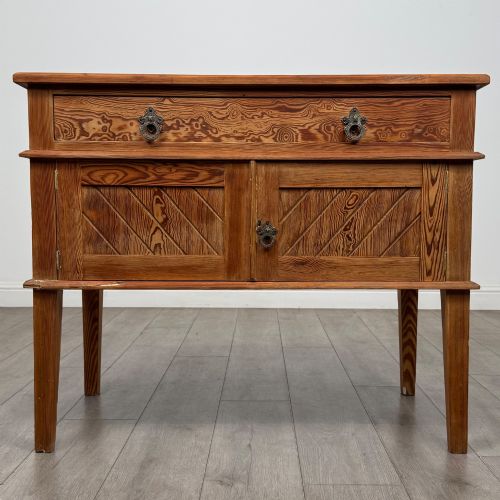
Warm Brown Cabinet
A warm brown cabinet brings rich timber tones to a room, offering practical storage through centuries of craftsmanship.
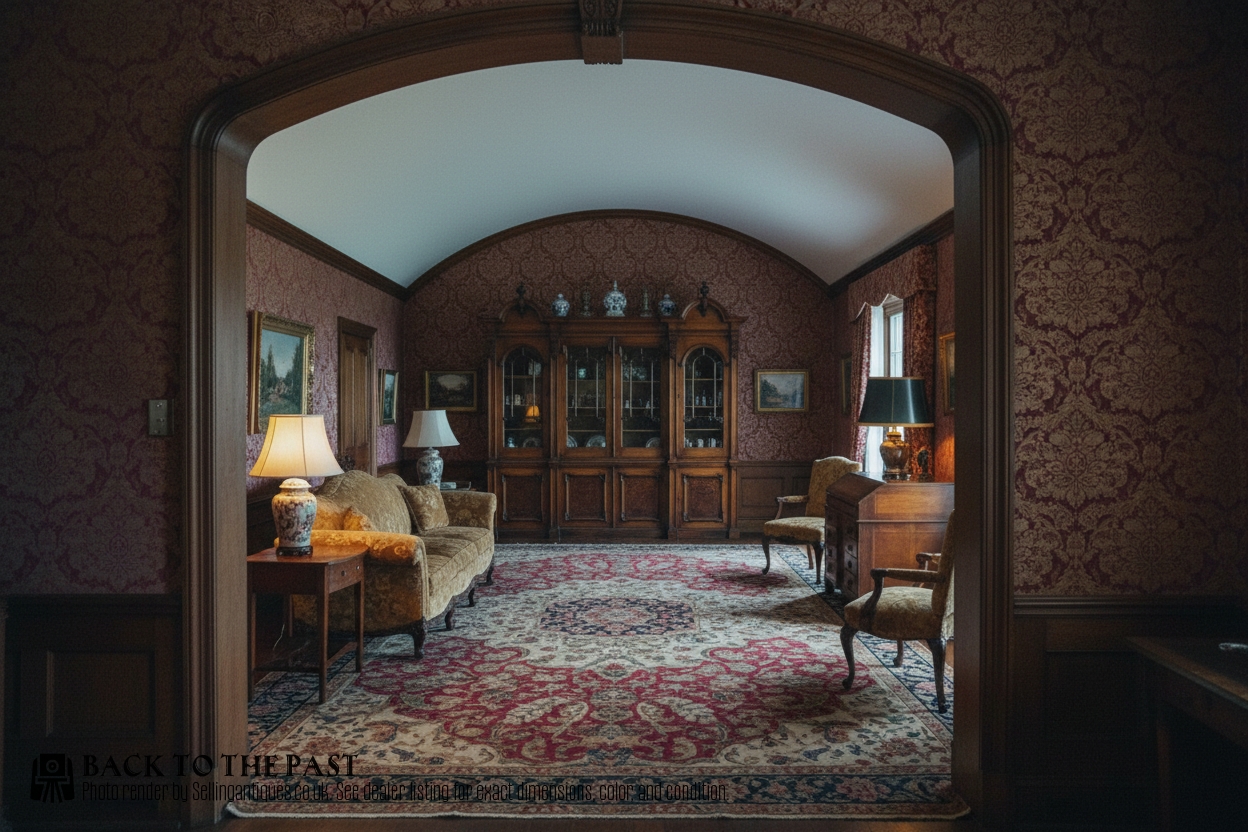
Warm Brown Cabinet
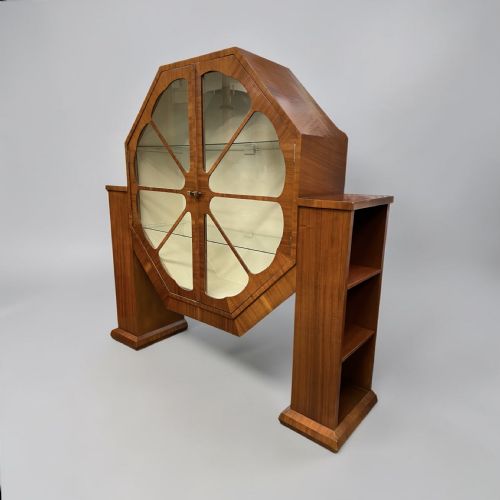
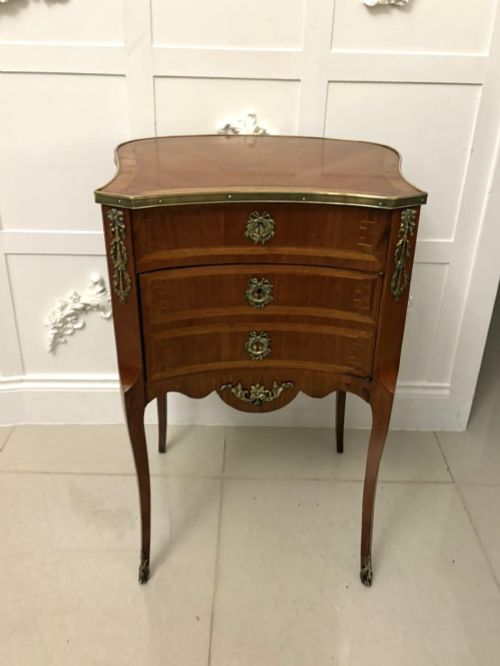
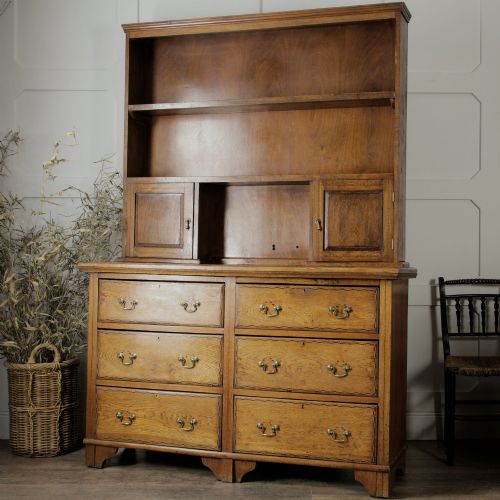
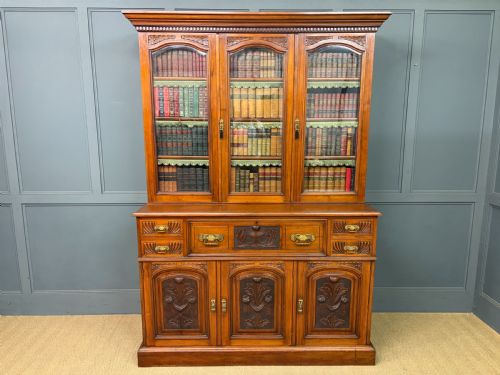
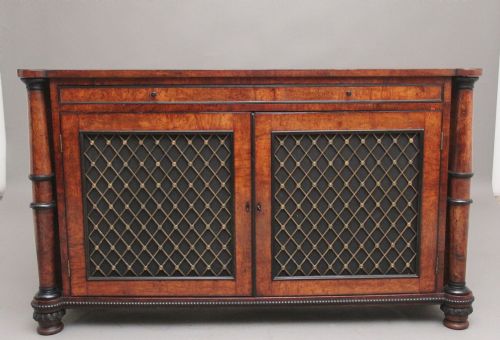
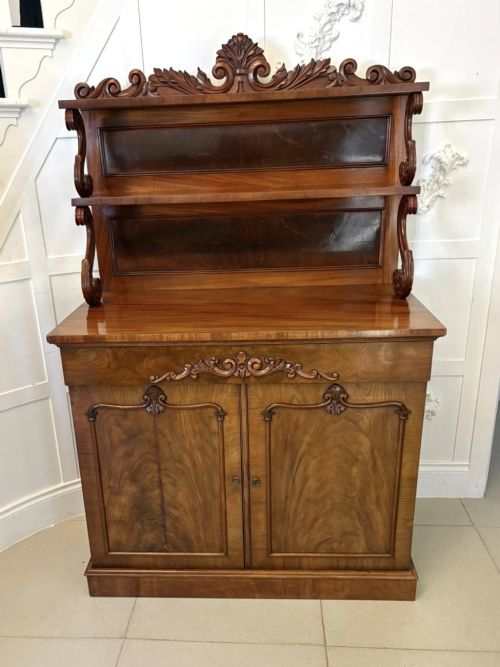
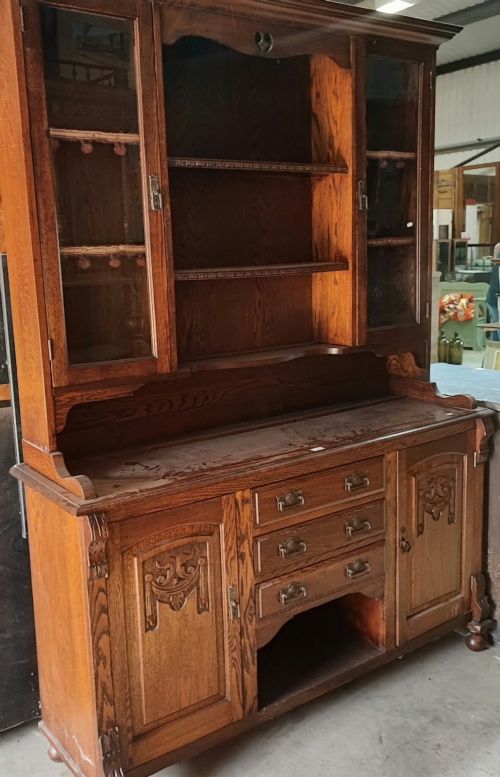
A warm brown cabinet encompasses a variety of timber storage furniture designed for daily utility and display. Buyers seeking a warm brown cabinet will find pieces ranging from compact bedside chests to tall bookcases and kitchen dressers.
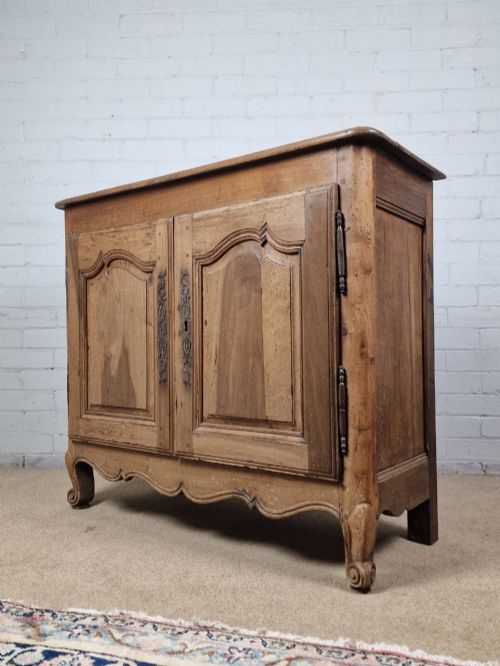
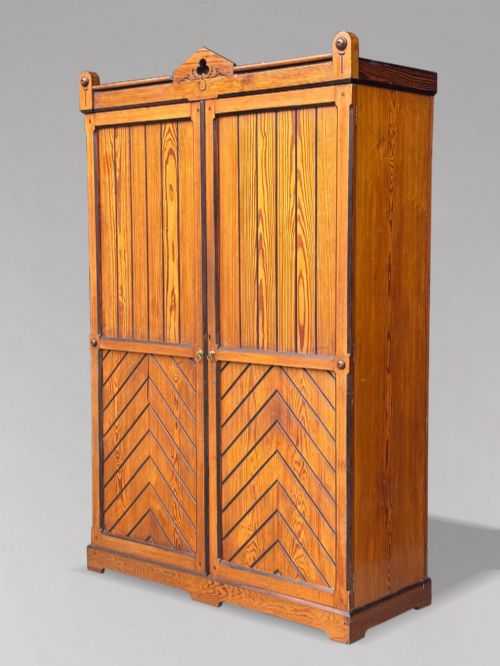
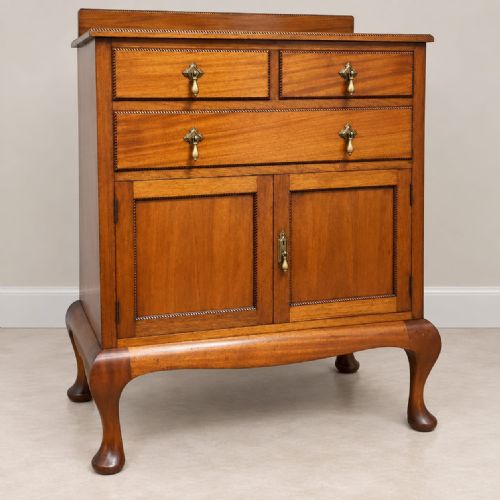
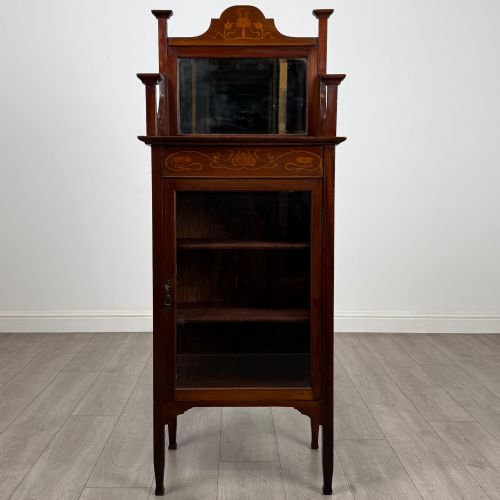
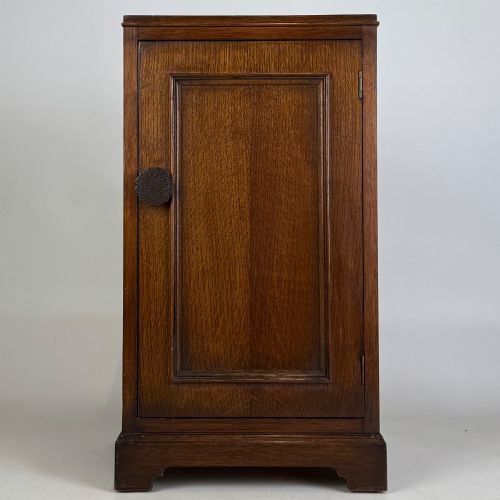
The selection on this page draws primarily from the eighteenth, nineteenth and early twentieth centuries. Common forms include side cabinets, display cases, wardrobes and chests of drawers.
Origin styles stretch from British Georgian and Victorian workshops to French provincial and continental traditions. Walnut, oak and mahogany dominate these historical forms, providing the characteristic deep brown palette.
Materials and construction
Cabinet makers utilised solid timbers such as oak, walnut and mahogany alongside decorative veneers like burr walnut and pollard oak. Brass fittings, glass panels and iron hardware complete the construction of these pieces.
Joining techniques relied on traditional dovetails for drawers and mortise and tenon frames for structural integrity. Surfaces received polish or wax to protect the timber while accentuating natural grain figures.
Warm Brown Cabinet Retail Price Guide 2026
Typical asking prices for warm brown cabinet among the pieces listed under this phrase on Sellingantiques today, from the lower quarter to the upper quarter. They describe what is for sale here now, not the wider market.
Cabinet styles represented include Georgian, Victorian, French Provincial, Arts and Crafts and Art Deco.
Distinctions in craftsmanship
Quality separates through the selection of timber figures and the precision of joinery. Finer examples display carefully matched veneers, such as burr walnut or figured mahogany, arranged symmetrically across drawer fronts and doors.
Construction detail reveals the hand of the maker through cleanly cut dovetails, solid timber drawer linings and original brass or iron hardware. Less refined pieces rely on simpler secondary woods and heavier, plain boards.
Heals
The Warm Brown Cabinet Glossary
- Dovetail
- A joint used in drawer construction formed by interlocking wedge-shaped fingers. This technique provides strong resistance to pulling forces.
- Veneer
- A thin slice of decorative timber applied to a stable underlying wood base. This method allows the display of figured grains without warping.
- Tallboy
- A tall chest of drawers standing upon another chest or a separate base. This form maximises vertical storage space in domestic rooms.
- Chiffonier
- A low sideboard or cabinet equipped with drawers and enclosed shelving. It emerged during the nineteenth century for dining and drawing rooms.
- Biedermeier
- A Central European style prioritising clean lines and polished timber surfaces over excessive ornamentation. It gained popularity during the nineteenth century.
Warm Brown Cabinet: Frequently Asked Questions
How do I date a wooden cabinet?
Dating relies on observing construction methods, timber choices and hardware styles. Hand-cut dovetails and secondary woods often point to earlier centuries.
Secondary clues include regional design characteristics and the presence of original locks or hinges.
Are these cabinets suitable for modern homes?
These timber cabinets provide versatile storage that integrates easily into contemporary interiors. Their natural brown tones complement neutral colour schemes and mixed material rooms.
Smaller side cabinets and bedside chests adapt particularly well to modern bedroom layouts.
What is the difference between oak and mahogany?
Oak is a native British and European timber with an open, coarse grain and high durability. It appears frequently in early country furniture and Arts and Crafts pieces.
Mahogany is an imported tropical hardwood known for its tight grain and reddish-brown colour. It became standard in Georgian and Victorian formal furniture.
How should I care for antique timber?
Maintain timber cabinets by keeping them away from direct sunlight and sudden temperature changes. Regular dusting with a soft, dry cloth preserves the polished surface.
Applying occasional specialist wax feeds the wood without building up heavy chemical layers.