
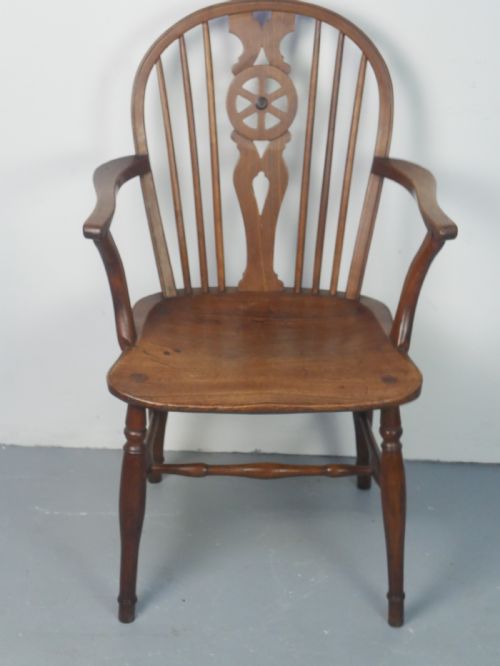


Warm Brown Accent Chairs
Warm brown accent chairs bring rich timber tones and traditional seating into a room.
Warm Brown Accent Chairs
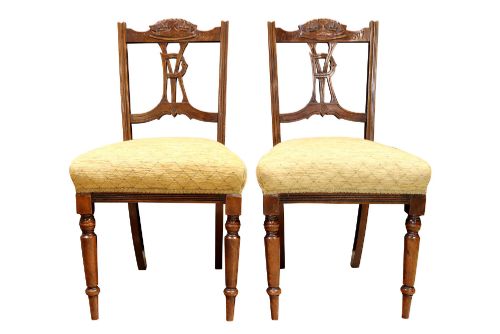
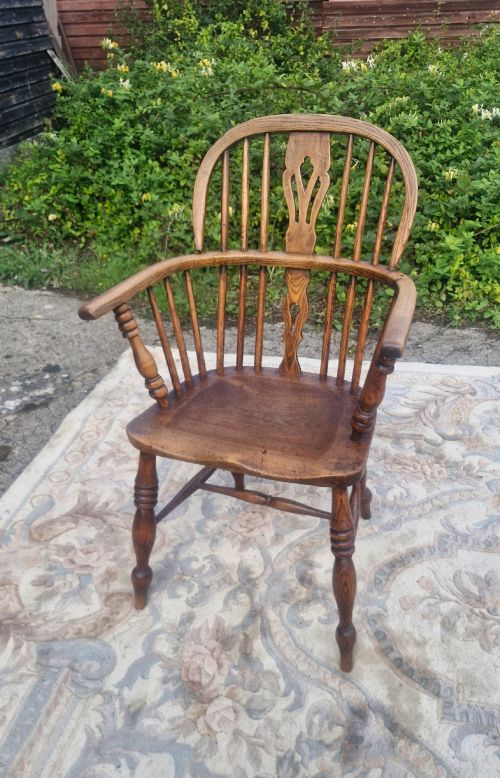
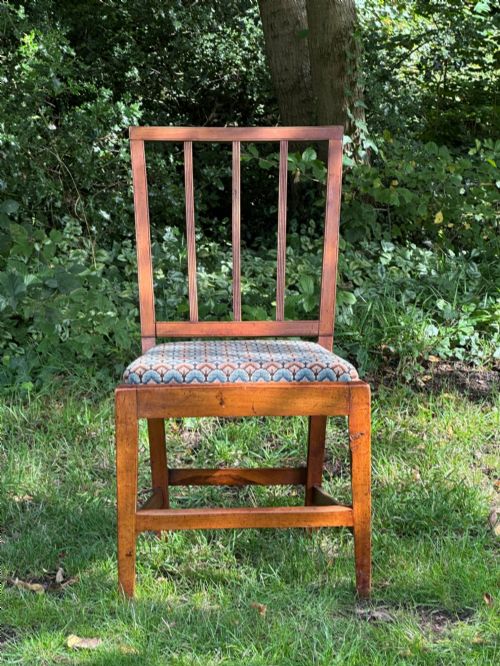
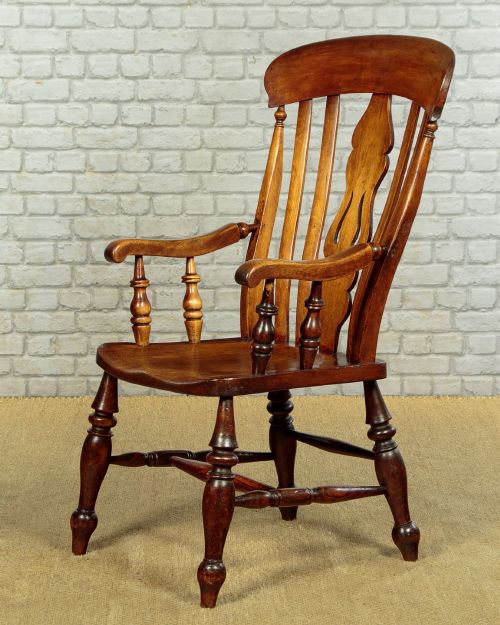
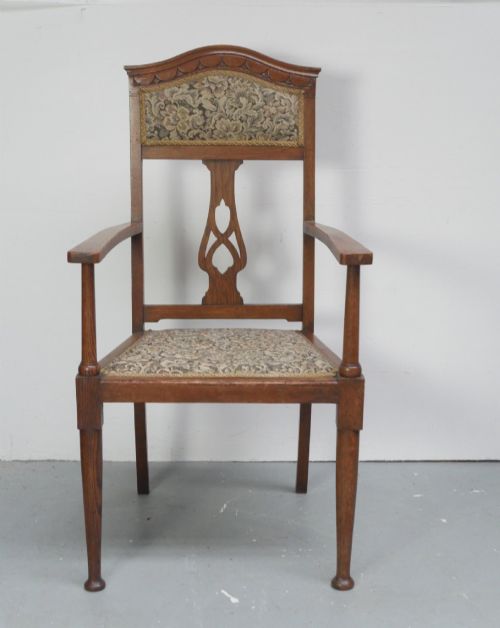
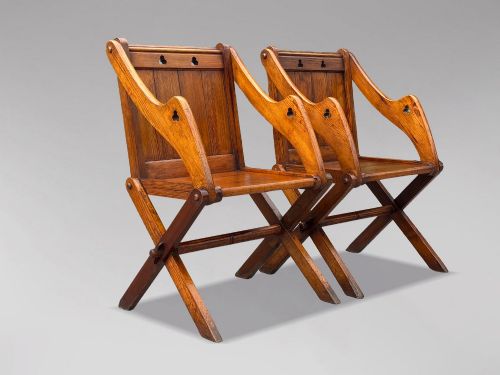
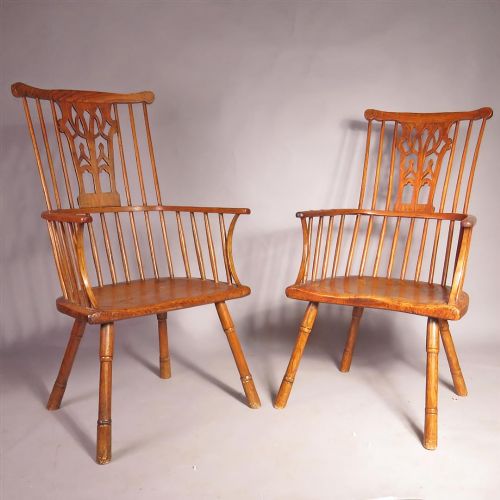
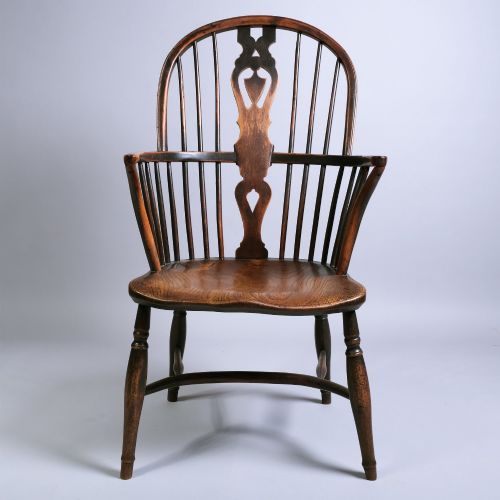
Warm brown accent chairs encompass a variety of traditional timber seating options including Windsor armchairs, hall chairs, and side chairs. These pieces span the 18th century, Victorian era, and Edwardian period, offering rich historical character.
How they were made
Cabinet makers and bodgers utilised a combination of native timbers such as elm, ash, yew, oak, and mahogany. Solid wood construction forms the core of these traditional chairs, relying on pegged joints and turned spindles.
Makers shaped seats from single slabs of elm or fruitwood, boring holes to receive steam-bent hoops and legs. Surface finishes developed through decades of wax polishing, highlighting the natural grain and warm patina of the wood.
Early chair bodgers worked deep in the woods, turning green timber on pole lathes right beside the trees they felled.
What varies in quality
Quality rests upon the selection of timber and the complexity of the turning work on spindles and legs. Chairs featuring combined woods, such as a yew wood hoop paired with an elm seat, show superior regional craftsmanship.
Proportion and structural integrity distinguish finer examples from standard utility seating. Retained original surfaces and crisp carved details on Georgian and Victorian frames elevate the standing of a piece.
Gabbitass of Worksop
The Warm Brown Accent Chairs Glossary
- Windsor chair
- A wooden chair built with a heavy solid wooden seat into which the legs and back spindles are direct-inserted. This form originated in rural England and developed distinct regional variations.
- Hoop back
- A continuous bentwood rail that forms the crest and arms of an armchair. The technique requires steam-bending a single piece of ash or yew.
- Carver
- An armchair designed in the style of a dining or hall chair, often used at the head of a table. These pieces feature open arms attached to the side of the seat.
- Satin wood
- A durable exotic hardwood known for its golden lustre and fine grain. It found favour during the Edwardian period for lighter decorative seating.
- Comb back
- A Windsor chair variation where the top rail resembles the teeth of a comb, with vertical spindles rising through a horizontal crest piece.
Warm Brown Accent Chairs: Frequently Asked Questions
What is a Windsor armchair?
A Windsor armchair is a traditional wooden seat featuring a solid carved saddle seat with independent legs and back spindles pegged directly into the timber.
These chairs developed distinct regional characteristics across Britain, often combining different woods like yew and elm within a single frame.
How do I care for antique wooden chairs?
Antique wooden chairs require stable indoor humidity and protection from direct heat sources to prevent timber shrinkage and cracking.
Applying a traditional beeswax polish maintains the surface sheen and nourishes the dry grain of older hardwoods.
What woods are common in these chairs?
Common timbers include elm for seats, ash and beech for spindles and legs, and yew for high-grade hoops and arms. Mahogany and oak appear more frequently in formal Georgian and Victorian designs.
Makers selected each wood for its specific structural properties, such as the splitting resistance of elm.
Are these chairs comfortable for daily use?
These chairs offer firm upright support derived from ergonomically carved wooden seats and supportive spindle backs. While lacking modern foam cushioning, their traditional proportions suit sitting at a desk or table.
Adding a loose pad provides extra comfort without altering the historic character of the seat.