

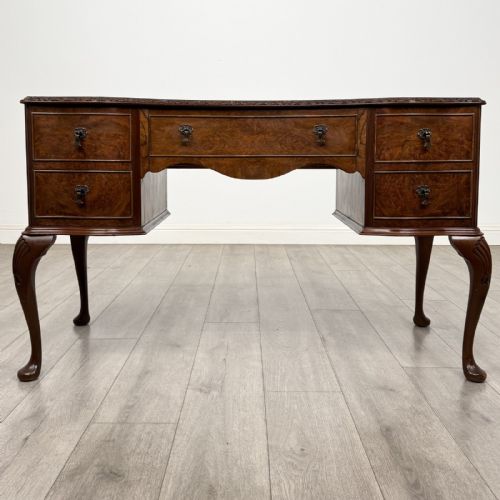
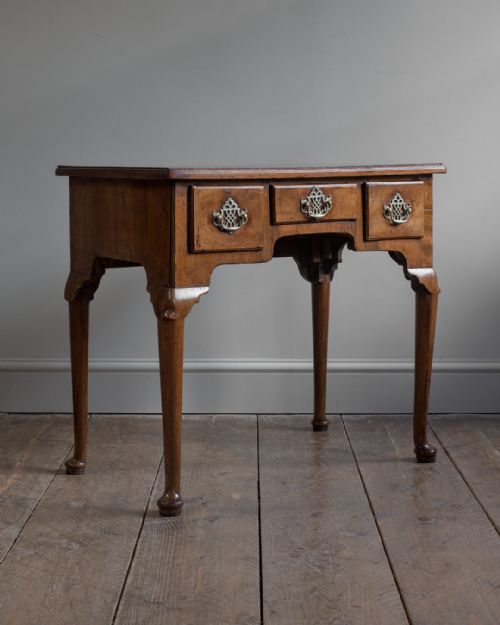
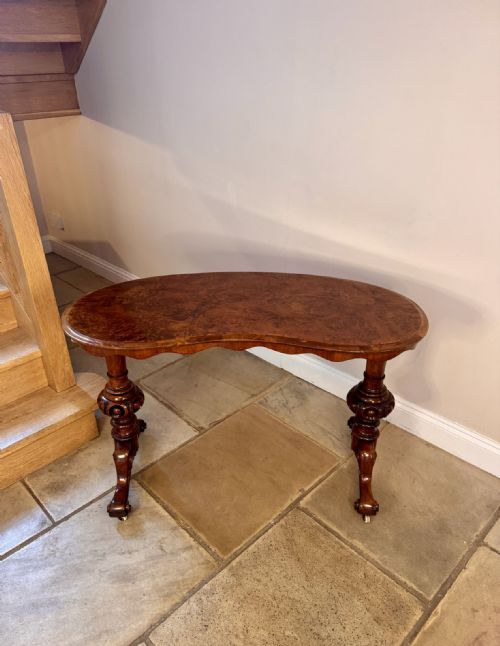
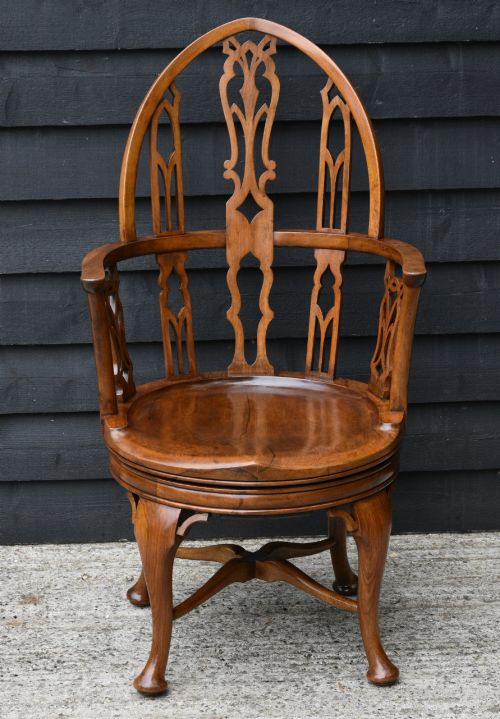
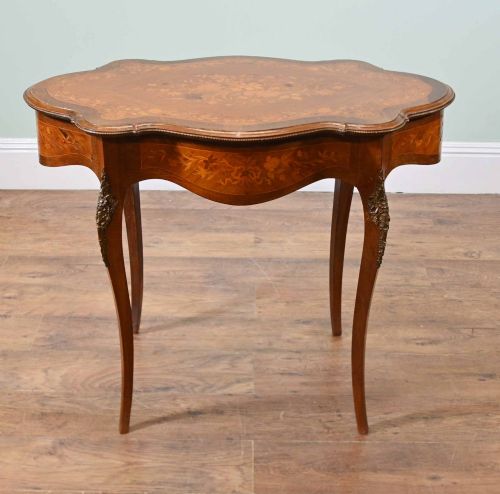
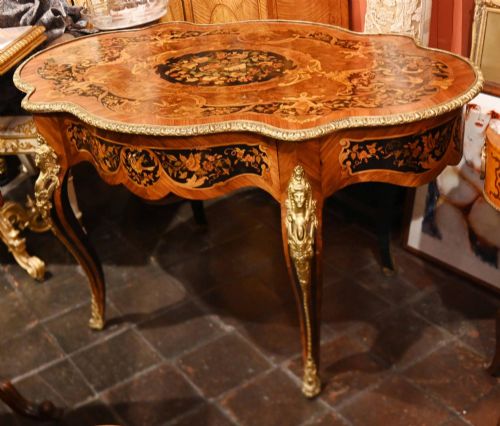
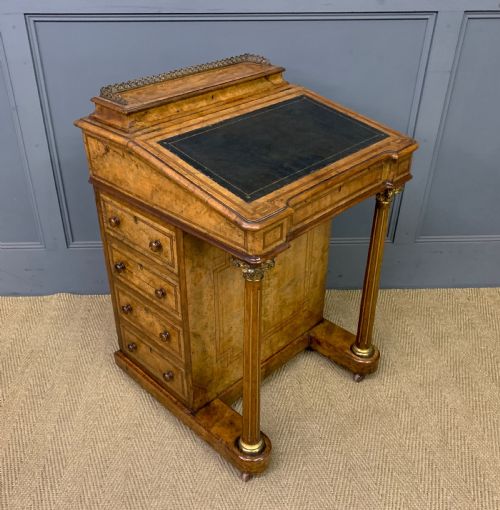
Walnut Wood Desk
A walnut wood desk brings rich grain and warmth to a room, offering a solid surface for correspondence that spans from Victorian burl to Art Deco minimalism.
Walnut Wood Desk
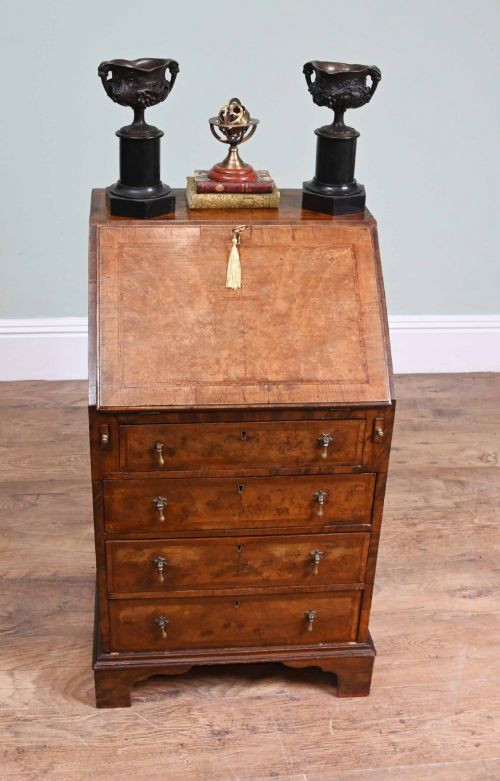
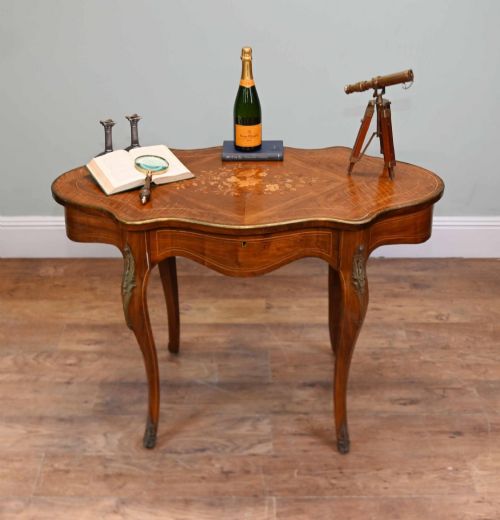
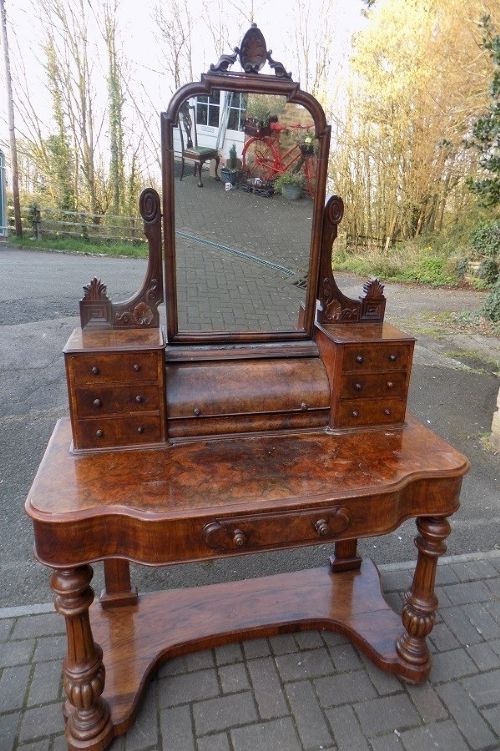
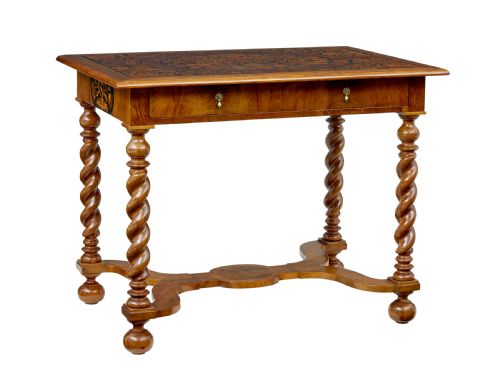
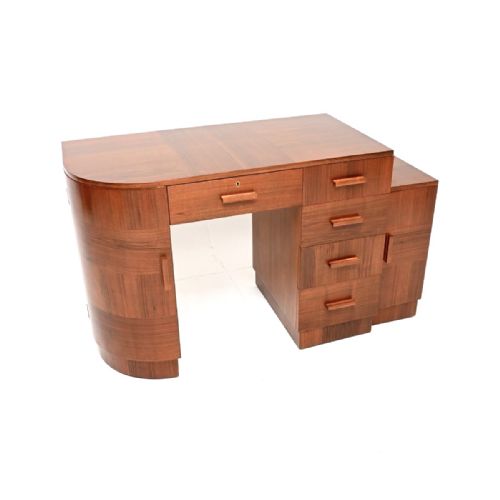
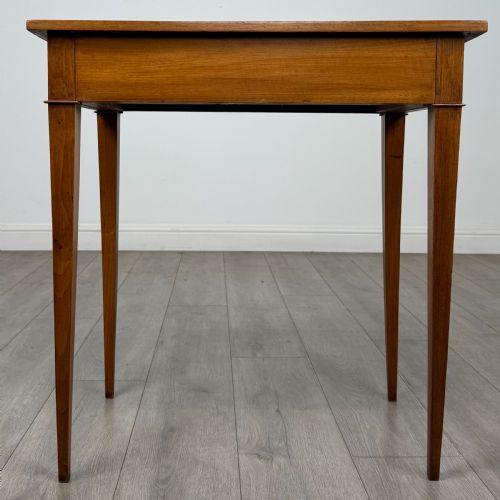
A walnut wood desk brings together practical workspace and rich timber figure, appearing across periods from the eighteenth century to the early twentieth century. When exploring a walnut wood desk, one encounters forms ranging from Victorian pedestal writing tables to Edwardian writing tables and twentieth-century interpretations.
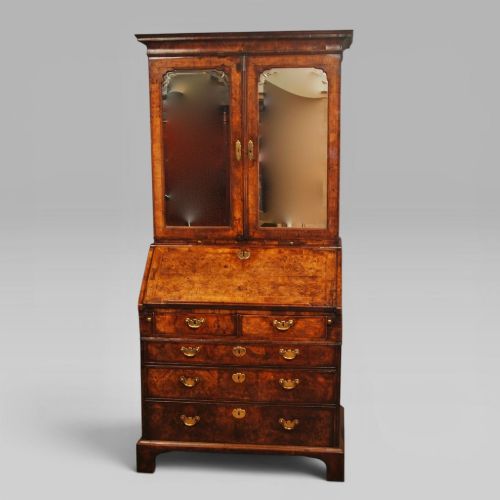
The selection includes bureau desks with fitted interiors, Davenport forms with upper compartments, and flat-top writing tables finished in burr or figured veneers. Pieces span multiple eras, showing the enduring appeal of the timber across Georgian, Victorian, Edwardian, and Art Deco design vocabularies.
Materials and construction
Construction relies heavily on solid walnut and decorative veneers applied over secondary timbers, frequently enhanced by burr figuring to create intricate patterns across the primary surfaces. Cabinetmakers utilised brass hardware, leather writing inserts, and marquetry inlay to finish the exteriors.
Joinery techniques matched the period, from eighteenth-century dovetailed drawers to nineteenth-century pedestal structures and twentieth-century veneered frames. Supplementary materials such as fruitwood and boxwood occasionally appear as stringing or contrasting inlay.
Walnut Wood Desk Retail Price Guide 2026
Typical asking prices for walnut wood desk among the pieces listed under this phrase on Sellingantiques today, from the lower quarter to the upper quarter. They describe what is for sale here now, not the wider market.
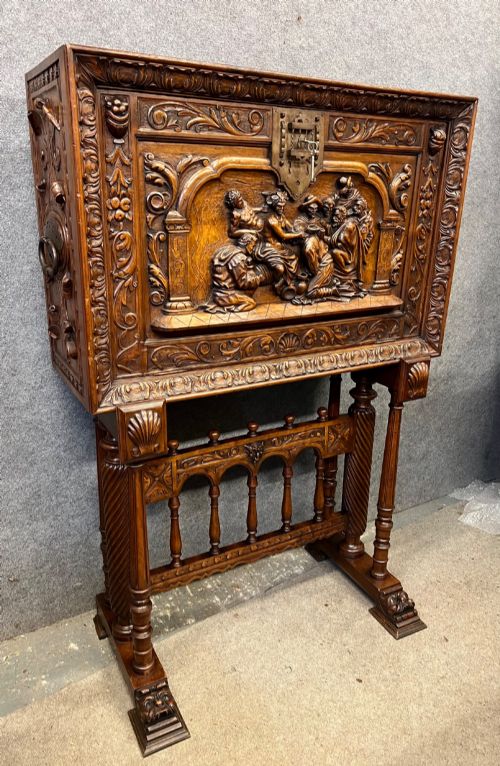
Some nineteenth-century models feature hidden drawers cunningly concealed behind carved mouldings for confidential correspondence.
Markers of quality
Quality rests primarily in the choice and matching of the timber veneer, where symmetrical burr walnut patterns indicate careful selection by the cabinetmaker. Crisp hand-carving, substantial brass handles, and tightly fitted drawer construction distinguish superior examples from standard production pieces.
The integrity of the internal secondary woods and the preservation of the original polish reveal the piece's history and original workshop standards. Desks retaining their original leather inserts and stable structural frames command greater appreciation among collectors.
Richardson and Sons·H.A.C.
The Walnut Wood Desk Glossary
- Burr walnut
- A prized timber veneer taken from the growth excrescences of the tree, displaying swirling, highly decorative grain patterns. It forms the primary visual feature on many high-grade writing tables.
- Davenport
- A compact writing desk featuring a sloping, hinged writing surface above a bank of side drawers. The form became particularly popular during the Victorian era for domestic correspondence.
- Marquetry
- The art of applying decorative veneer pieces in geometric or floral patterns onto a structural surface. It appears frequently on French-influenced writing tables and cabinets.
- Pedestal desk
- A freestanding desk comprising two supporting pedestals of drawers beneath a main writing top, often inset with leather. This form provides substantial storage and a finished back for placement in a room.
Walnut Wood Desk: Frequently Asked Questions
How do I date a walnut desk?
Dating relies on examining construction methods, hardware styles, and the specific veneer patterns used across different decades. Eighteenth-century examples display hand-cut dovetails and simpler underlying frames, whereas Victorian and Edwardian pieces incorporate machine assistance and distinct revival styling.
Secondary woods inside the drawers also provide clues to origin and period. Comparing the overall silhouette against known design eras helps narrow down the decade of manufacture.
Are these desks suitable for daily computer use?
Many antique desks accommodate modern laptops and writing accessories quite comfortably, provided the height and kneehole dimensions match your requirements. Consideration should be given to protecting historical leather writing surfaces with a blotter or pad.
Drawer depths and internal compartments vary by style, meaning cable management requires careful placement. Selecting a pedestal or larger writing table ensures adequate surface area for everyday work.
What is the difference between burr walnut and figured walnut?
Burr walnut derives from the burl or knot of the tree, producing dense, swirling patterns of overlapping eyes and intricate grain loops. Figured walnut refers to timber cut to highlight natural grain variations, waves, or speckling rather than complete knot formations.
Both finishes were utilised to create striking visual contrast on prominent desk surfaces and drawer fronts. Burr walnut generally commands higher visual status due to the complexity of cutting and laying the veneer.
How should I care for antique walnut furniture?
Maintaining walnut furniture involves keeping pieces away from direct sunlight and sudden temperature shifts that can dry out old timber and veneers. Regular dusting with a soft, dry cloth preserves the finish without requiring heavy polishes.
Applying microcrystalline wax occasionally helps nourish the historic polish and protect against minor moisture marks. Avoid silicone-based sprays, as they penetrate open grain and complicate future conservation work.