


Walnut Wall Mount
A walnut wall mount organises interior space with timber grain and practical utility, spanning hanging cabinets, barometers, and shelves.
Walnut Wall Mount
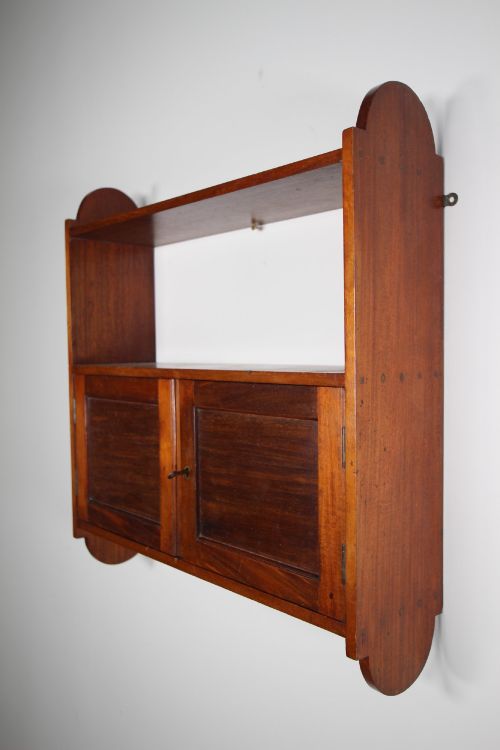
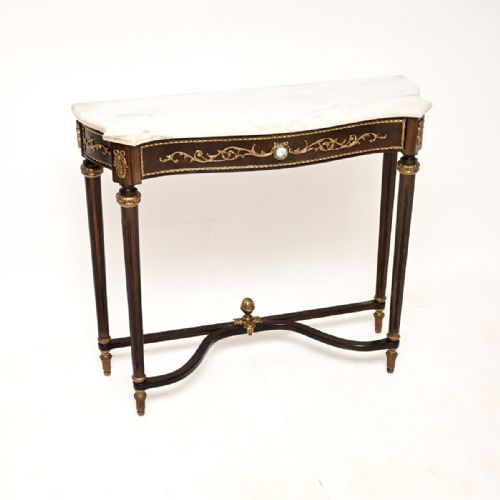
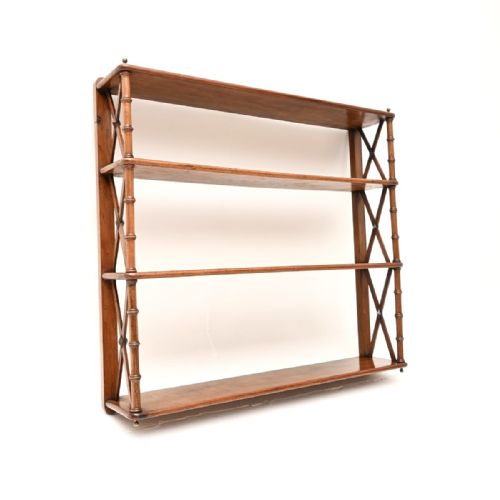
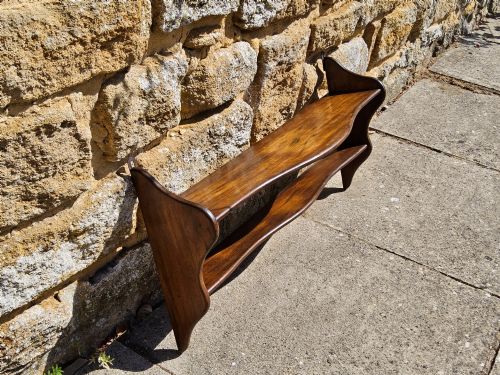
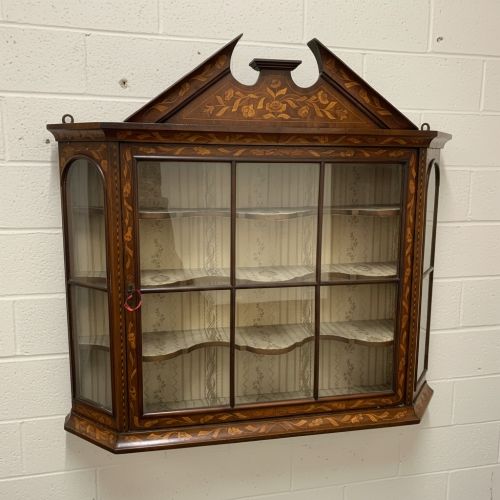
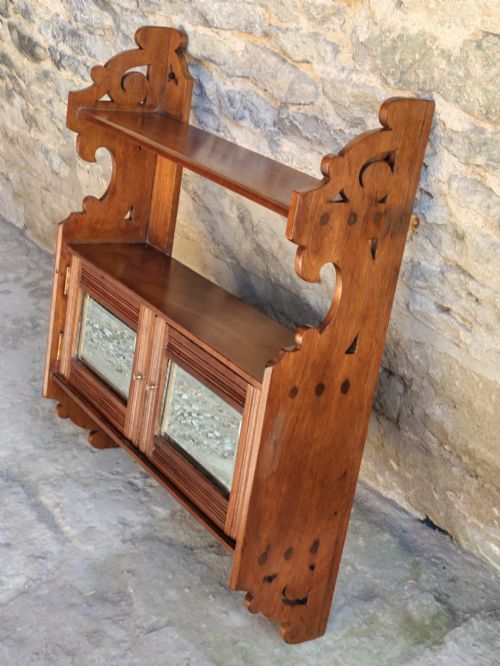
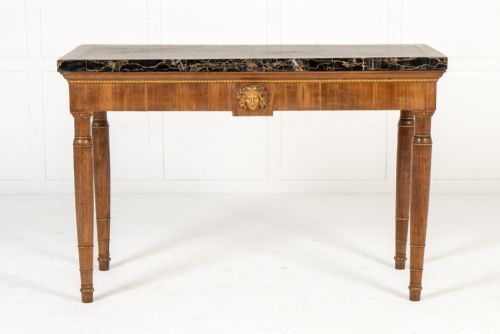
A walnut wall mount encompasses hanging cabinets, corner cupboards, barometers, consoles, and shelves designed to secure directly to vertical surfaces. These items originate across the eighteenth, nineteenth, and early twentieth centuries, reflecting styles from Queen Anne and Georgian to Victorian, Edwardian, and Aesthetic Movement.
Buyers encounter hanging corner cabinets, display cabinets, and wall shelves alongside functional items like key cabinets, hat and coat racks, and barometers. The selection draws on timber frames formed in varied domestic and provincial workshops across Britain and continental Europe.
How they were made
Craftsmen built these wall-mounted pieces primarily using solid walnut and burr walnut veneers, often augmented with secondary timbers such as mahogany and fruitwood. Structural stability relied on traditional joinery techniques, while decorative surfaces utilised marquetry inlay and carved relief work.
Metal elements including brass hinges, plates, and ormolu mounts provide structural reinforcement and visual contrast to the dark timber. Selected pieces incorporate glazed panels, mirrored glass, and fabric backings within cabinet doors and display sections.
Listings feature walnut wall mounts spanning the eighteenth, nineteenth, and early twentieth centuries, incorporating materials like brass, glass, and marble.
What varies in quality
The standard of a walnut wall mount rests on the choice of timber figure, particularly the richness of burr walnut veneers and the depth of hand-carved ornamentation. Finer examples display meticulous marquetry work and integrated architectural details like lion heads or parcel-gilt highlights.
Construction integrity distinguishes workshop output, seen in the precision of cabinet doors, the preservation of original brass hardware, and the clarity of fitted glass or mirror panels. Simpler utilitarian items contrast with elaborately styled Black Forest or Dutch Baroque interpretations.
Negretti and Zambra·Lenzkirch·Manton
The Walnut Wall Mount Glossary
- Burr walnut
- A prized timber veneer characterised by swirling knot formations and intricate grain patterns. It is frequently applied to the primary doors and display surfaces of eighteenth and nineteenth-century cabinets.
- Marquetry
- The art of forming decorative patterns using fitted pieces of wood veneer of different colours and grains. This technique defines many Dutch and continental wall cabinets.
- Black Forest
- A nineteenth-century carving style originating in Switzerland and Germany, noted for deep, naturalistic animal reliefs and foliage. Pieces often take the form of barometers or large lion head mounts.
- Aesthetic Movement
- A late nineteenth-century design style emphasising simplicity, Anglo-Japanese motifs, and artistic refinement. Hanging cabinets from this period reject heavy Victorian ornament in favour of clean structural lines.
- Console table
- A wall-mounted table supported by brackets or legs fastened against a vertical surface. Examples in the evidence frequently pair with matching wall mirrors.
Walnut Wall Mount: Frequently Asked Questions
What is the difference between a corner cupboard and a wall cabinet?
Corner cupboards feature a triangular footprint designed specifically to fit into ninety-degree room angles, maximising unused space. Wall cabinets have flat backs intended for standard wall mounting.
Both forms utilise hinged doors, but corner pieces often display prominent cornices and curved shelving suited to display ceramics or glassware.
How do I care for walnut veneer?
Walnut veneer requires protection from direct sunlight and sudden humidity changes to prevent timber drying and lifting. Dusting with a soft, dry cloth maintains the polished surface without moisture damage.
Occasional application of appropriate wax nourishes the grain and preserves the historic finish. Avoid synthetic polishes that build up residue over time.
How can I tell an 18th-century piece from a Victorian copy?
Eighteenth-century pieces typically exhibit hand-cut dovetails, older secondary woods like fruitwood, and subtle patination developed over generations of use. Construction methods, tool marks, and fastener types offer clear indicators of age.
Victorian and later revival pieces often incorporate machine-sawn components and standardised hardware fittings. Stylistic cues like Queen Anne revival proportions also help identify nineteenth-century interpretations.