


Walnut Tripod Lamp Table
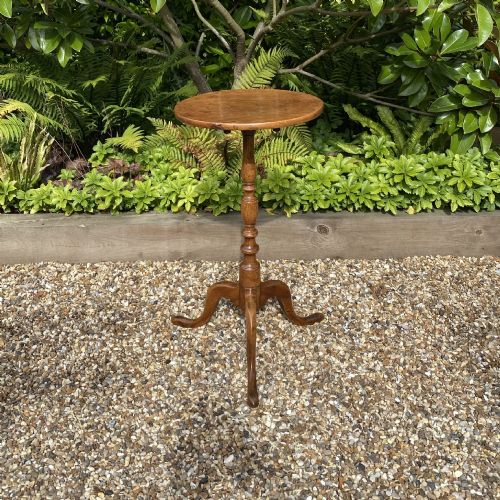
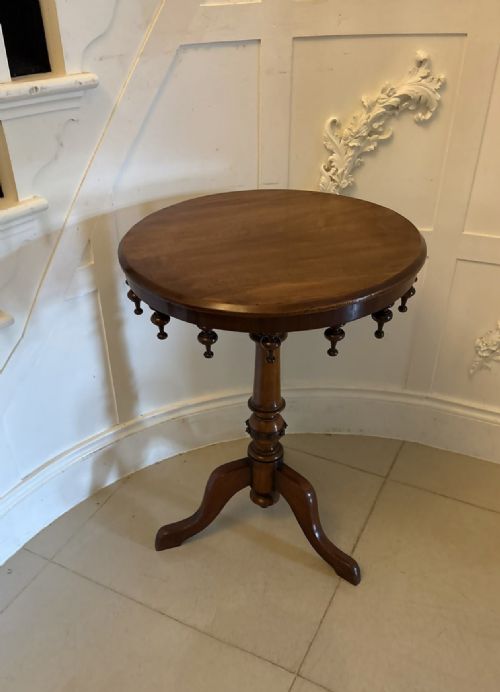
A walnut tripod lamp table brings compact elegance to a corner, offering a stable raised surface rooted in nineteenth-century craftsmanship.
Walnut Tripod Lamp Table
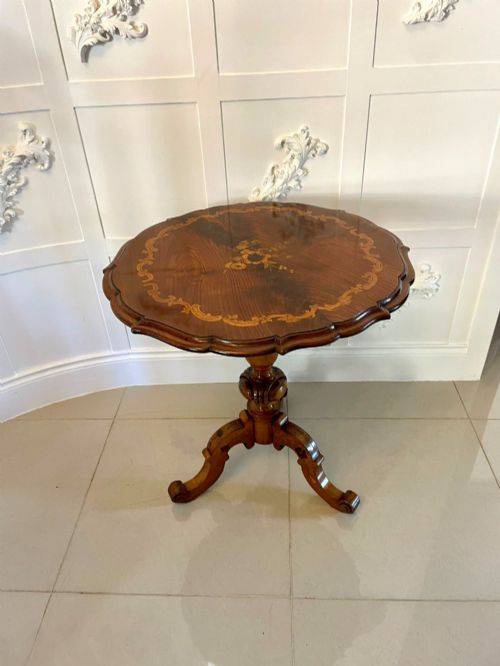
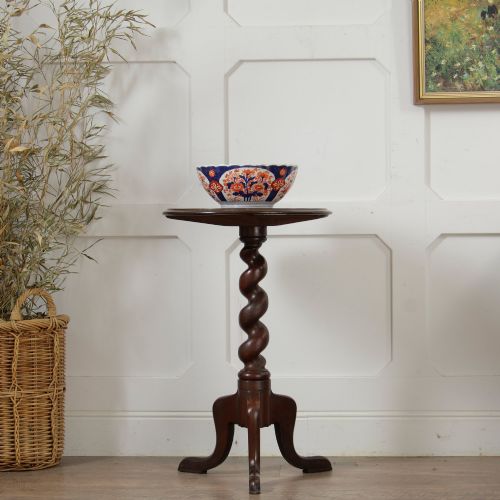
A walnut tripod lamp table is a versatile small stand traditionally utilised for lighting or holding wine in period interiors. The pieces gathered here span the eighteenth, nineteenth, and early twentieth centuries, encompassing Victorian, Edwardian, and George II influences.
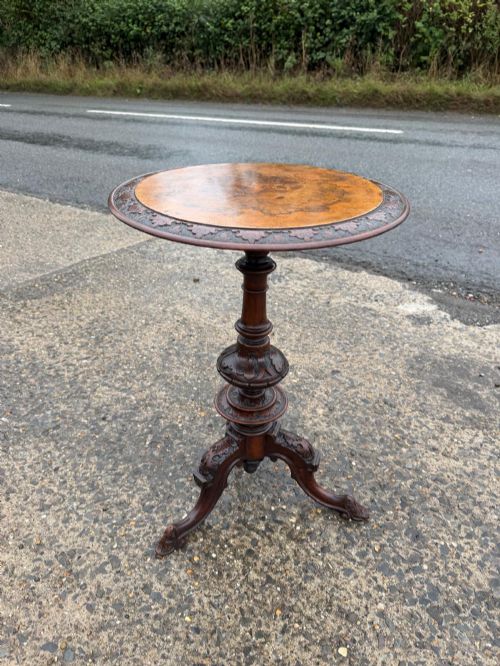
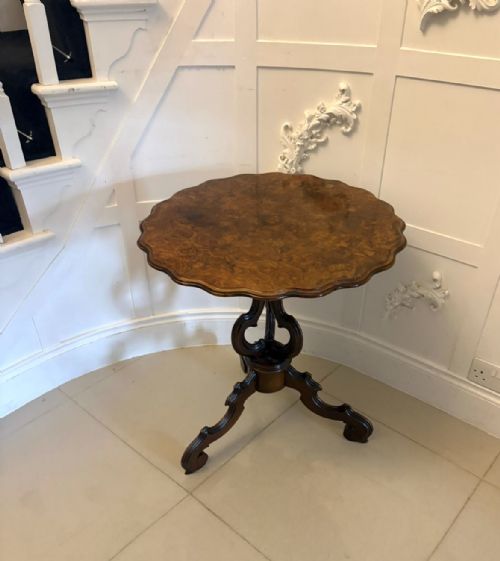
Most examples you encounter on this page date from the Victorian era, heavily featuring burr walnut tops supported by turned pedestals and three swept legs. Alongside dedicated lamp tables, the selection includes related occasional, side, and wine tables fulfilling similar domestic roles.
How they were made
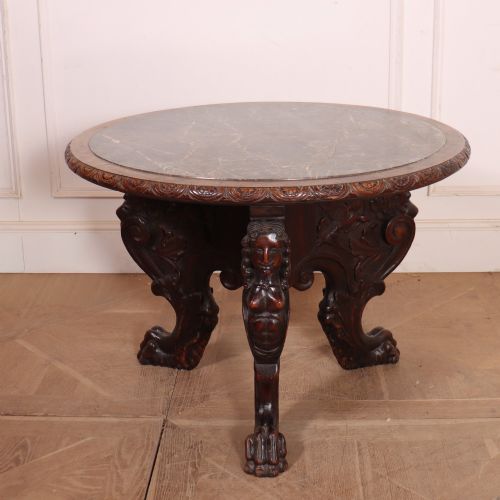
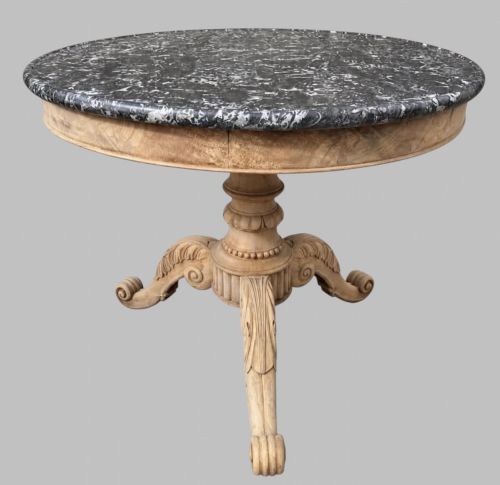
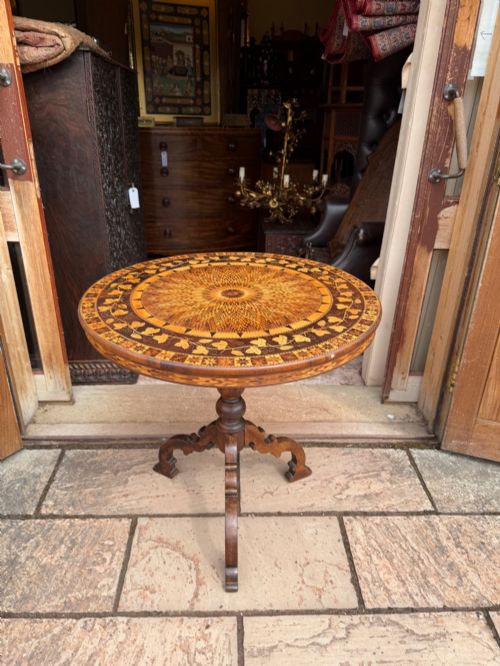
Cabinetmakers constructed these tables primarily using solid walnut and highly figured burr walnut veneers, occasionally combining mahogany, olive wood, or boxwood inlay. Surfaces often display intricate marquetry, parquetry, or specimen wood patterns, sometimes finished with carved details, bobbin galleries, or marble and onyx inserts.
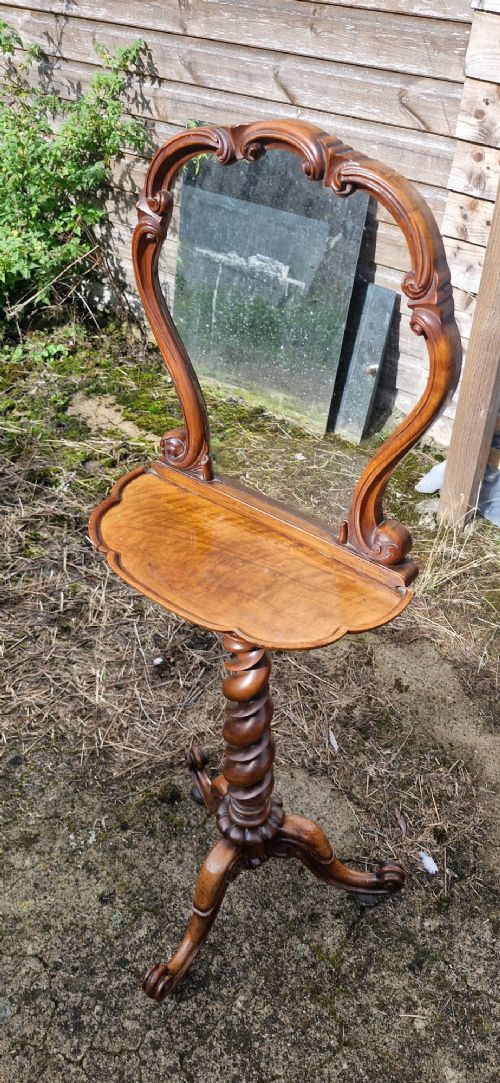
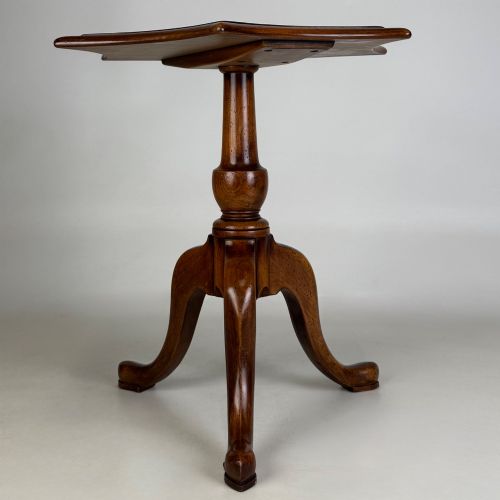
Support structures rely on a central turned column rising from a tripod base with three curved legs. Joinery techniques from the period ensured stability despite the slender proportions, while specialised additions like swivel tops or drop leaves appeared on select occasional forms.
Several tables secretly double as chess boards or sewing work stations, proving Victorians loved furniture that could multitask.
What varies in quality
The distinction between ordinary and exceptional tables lies chiefly in the selection of the timber and the crispness of the carving or inlay. Richly figured burr walnut and finely executed Sorrento marquetry separate ambitious parlor furniture from utilitarian household pieces.
Proportion and structural harmony dictate the upper tiers of quality, where the sweep of the tripod legs balances the diameter of the circular, oval, or octagonal top. Refined turning on the central pedestal and tight, seamless joints reveal the hand of a more accomplished workshop.
The Walnut Tripod Lamp Table Glossary
- Burr Walnut
- A highly prized wood grain featuring swirling patterns formed by growths on the walnut tree. It is sliced into veneer to create decorative table tops.
- Tripod Base
- A support structure consisting of three legs radiating from a central pillar. This design provides stability on uneven floors.
- Marquetry
- The art of applying pieces of veneer to a structure to form decorative patterns and pictures. Italian Sorrento examples frequently utilise this technique.
- Gueridon
- A small decorative stand or table, often of French origin, resting on a central column and feet. They appeared in various revival styles around the nineteenth century.
Walnut Tripod Lamp Table: Frequently Asked Questions
What is a walnut tripod lamp table used for?
These compact pieces were originally designed to hold portable lighting or small refreshments beside seating areas in period drawing rooms. Today, they function well as bedside stands or decorative accents in modern sitting rooms.
Their modest footprint allows them to occupy tight corners without overwhelming surrounding furniture.
How do I date a Victorian walnut table?
Dating relies on observing structural characteristics, timber choices, and decorative motifs recorded across the nineteenth century. Victorian pieces often combine burr walnut veneers with turned pedestals and tripod legs.
Closer inspection of construction methods and secondary timbers helps narrow the timeframe down to specific decades.
What is the difference between a lamp table and a wine table?
Lamp tables and wine tables share similar dimensions and tripod forms, originating from overlapping domestic uses. Wine tables traditionally offered a smaller top for holding glasses, while lamp tables accommodated heavier lighting.
In practice, makers and buyers frequently used the terms interchangeably across the Victorian period.
Are these tables suitable for everyday use?
Solid construction and durable hardwood materials make these antique stands robust enough for daily domestic tasks. Placing them away from direct heat sources protects the walnut timber and delicate veneer work.
Routine dusting and careful handling keep the polished surfaces in stable condition for regular living.