
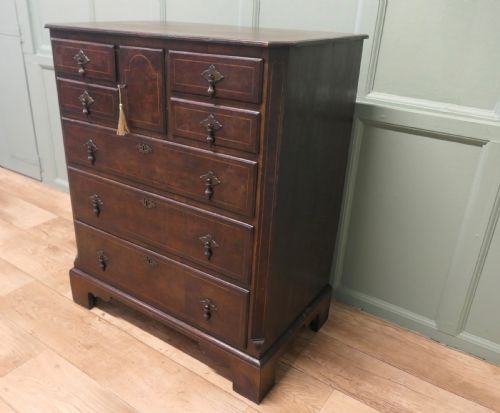
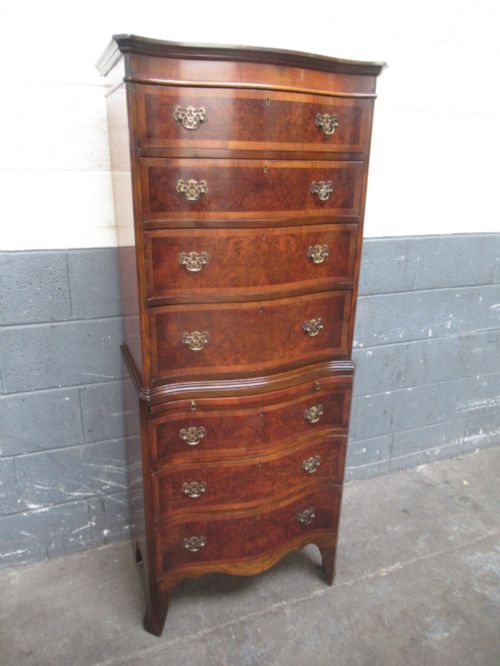
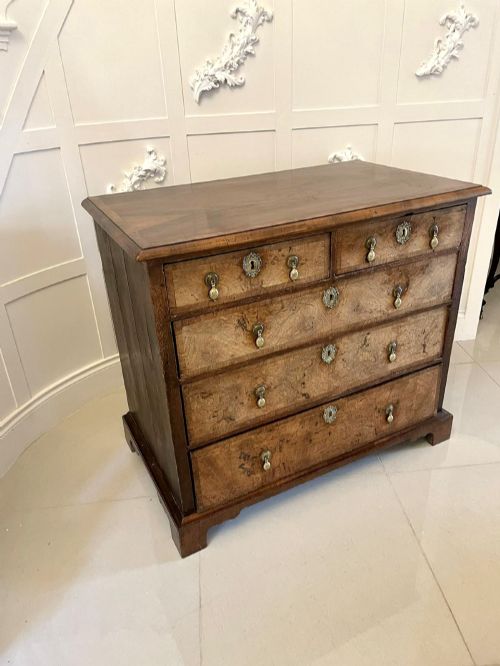
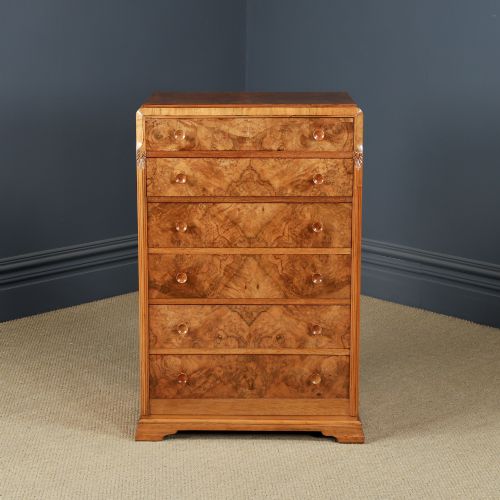
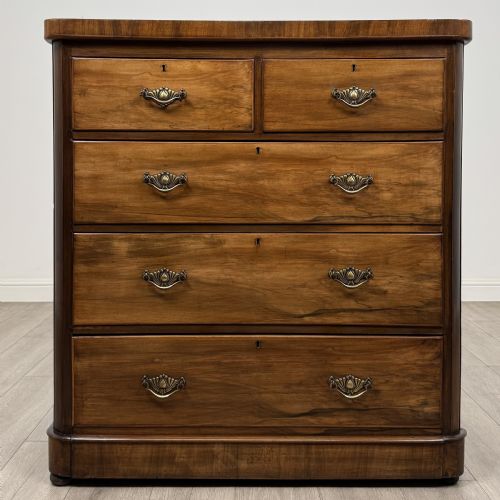
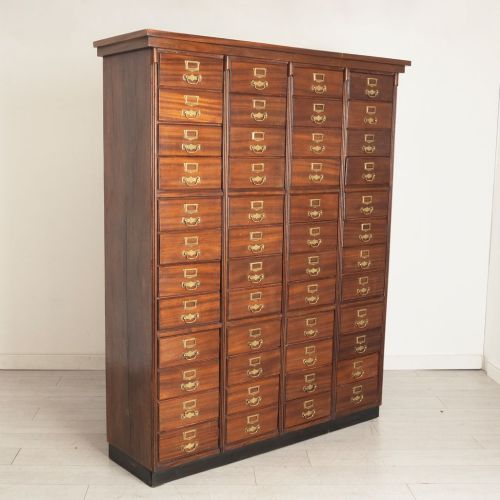
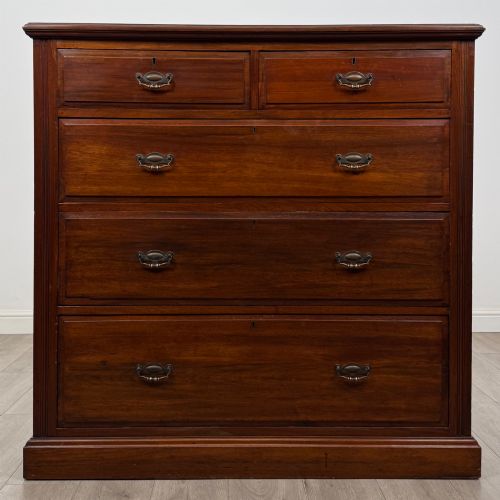
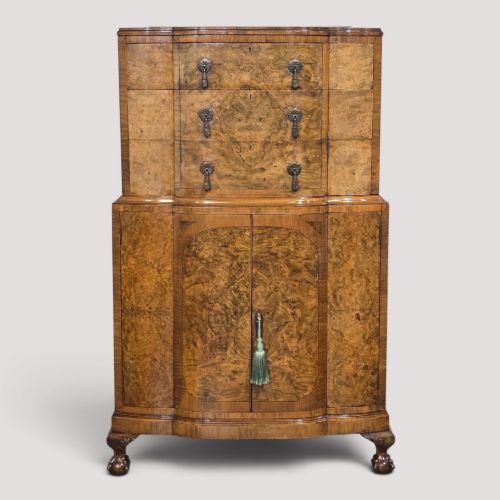

Walnut Tallboy Storage
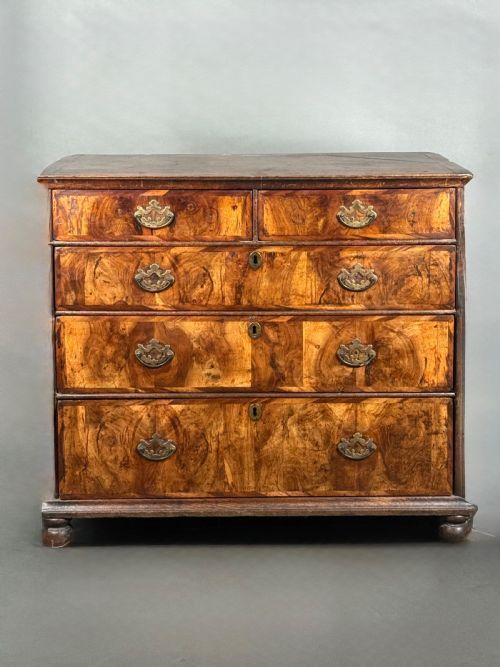
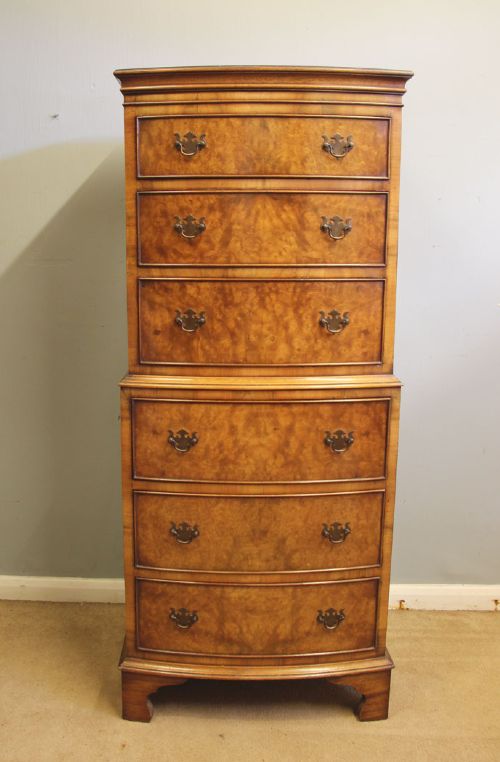
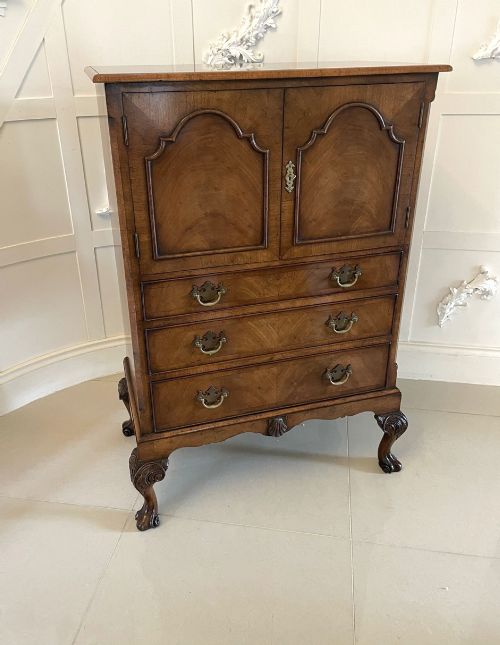
These walnut tallboy storage pieces offer deep vertical drawers for domestic organisation, uniting centuries of cabinet-making skill in rich timber.
Walnut Tallboy Storage
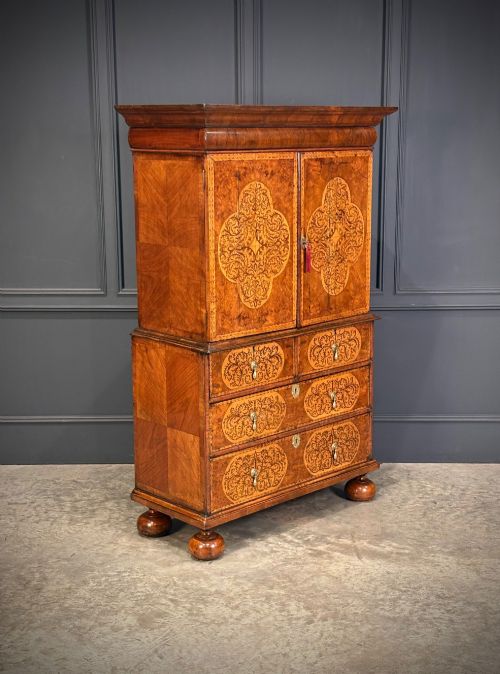
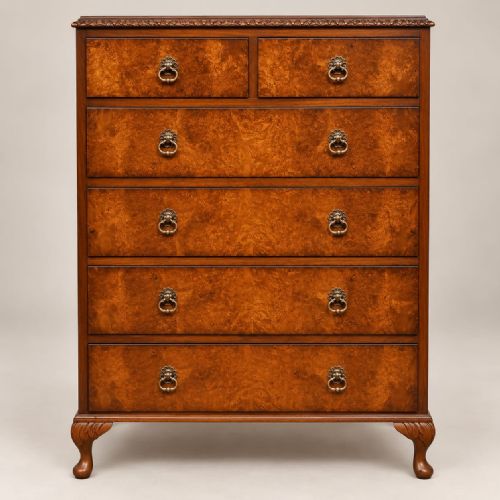
A walnut tallboy storage piece provides stacked vertical capacity, grouping chest of drawers, tallboy, and cabinet forms into a single vertical footprint. Buyers searching this phrase meet everything from early eighteenth-century Queen Anne examples to 1930s Art Deco interpretations.
The selection ranges across formal Georgian proportions, Victorian Wellington styles, and Edwardian small cabinets. Formats alternate between single upright chests, two-part chests on chests, and linen presses.
Origin spans English workshops, Dutch marquetry traditions, and twentieth-century revival pieces. The unifying thread is the vertical arrangement of drawers contained within walnut timber.
Materials and construction methods
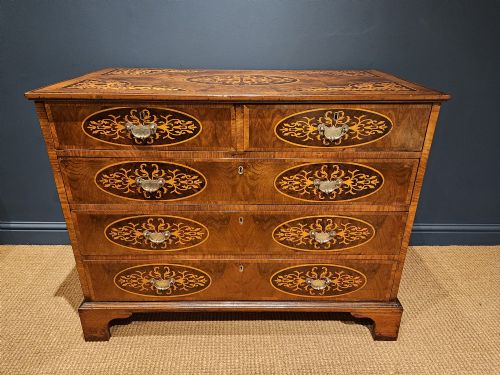
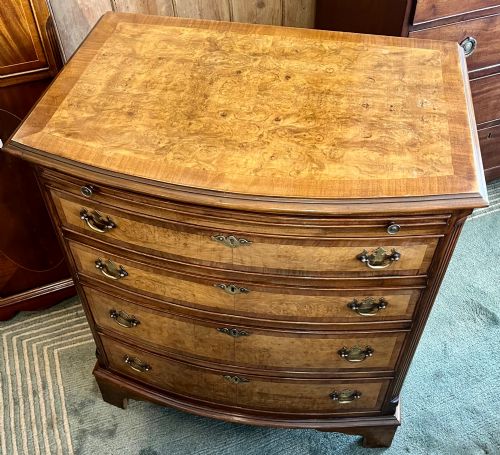
Makers utilised solid walnut, fruitwood, and oak for structural carcasses, applying decorative veneers across primary surfaces. Figured, burr, and oyster veneers create distinctive grain patterns across drawer fronts and top panels.
Surface decoration incorporates marquetry floral inlay, herringbone banding, and satinwood contrasting details. Brass drawer pulls, escutcheons, and handles complete the construction across periods.
Certain nineteenth-century pieces include secret locking mechanisms hidden behind side pilasters to guard family valuables.
Judging cabinet quality
Quality rests upon the selection of the timber veneer and the precision of its matching across drawer fronts. Uniform figuring and symmetrical grain alignment distinguish finer pieces from standard production.
Cabinetwork integrity depends on the retention of original brass hardware, stable carcass construction, and crispness in mouldings or inlay. The depth of the polish and the preservation of the underlying timber grain define the visual standard.
Jas Shoolbred
The Walnut Tallboy Storage Glossary
- Tallboy
- A tall chest of drawers, often constructed as one chest standing atop another to maximise storage without increasing floor space.
- Burr walnut
- Timber taken from the warted growths on walnut trees, yielding complex, swirling grain patterns highly prized for decorative veneer.
- Oyster veneering
- A technique of slicing small branch wood transversely to produce circular or oval patterns resembling oyster shells.
- Herringbone banding
- A decorative inlay border composed of small veneer pieces arranged in a alternating V-shape pattern.
- Wellington chest
- A tall, narrow chest of drawers secured by a hinged locking side pilaster that fastens over the drawer edges.
Walnut Tallboy Storage: Frequently Asked Questions
What is a walnut tallboy storage piece?
It is a tall vertical chest of drawers designed to hold clothing and linens while taking up minimal floor space.
The form combines multiple drawers in a stacked arrangement, often using figured walnut timbers for decorative effect.
How do I date a walnut tallboy?
Dating relies on stylistic clues such as cabriole legs, brass hardware types, veneer patterns, and carcass construction methods.
Eighteenth-century examples often display cross-banding and herringbone inlay, while twentieth-century pieces show Art Deco influences or simpler revival lines.
Where should I place a tallboy in my home?
Their vertical profile makes them suitable for bedrooms, dressing rooms, or hallways where floor space is restricted.
They provide substantial storage capacity inside deep drawers while maintaining a narrow physical footprint against a wall.
What is the difference between a tallboy and a chest on chest?
A tallboy typically refers to a single tall chest or a chest on a stand, whereas a chest on chest consists of two distinct stacked carcases.
Both formats achieve vertical storage but differ in their internal division and structural framing.