






Walnut Swivel Mirror
These walnut swivel mirror examples span centuries of dressing and shaving furniture, offering rich wood grains and adjustable glass for daily grooming.
Walnut Swivel Mirror
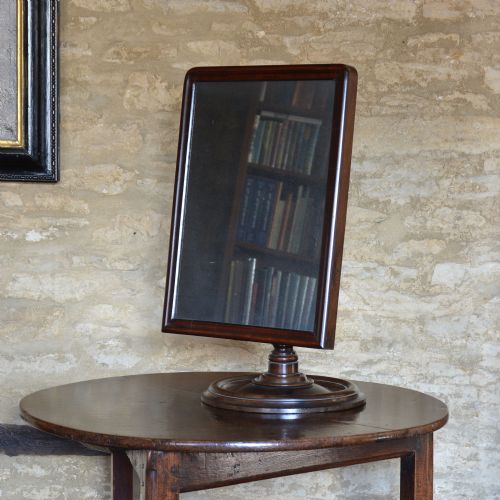
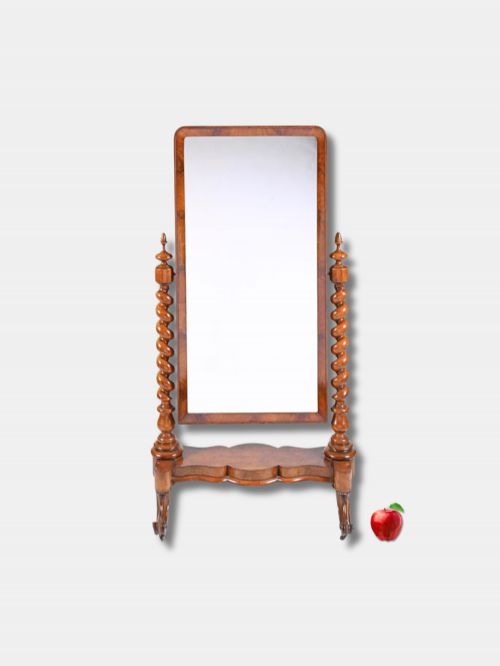
When you search for a walnut swivel mirror, you encounter a variety of forms including dressing table mirrors, toilet mirrors, and large cheval mirrors. These pieces date from the seventeenth century through to the art deco period, reflecting shifting domestic habits in grooming and bedroom design.
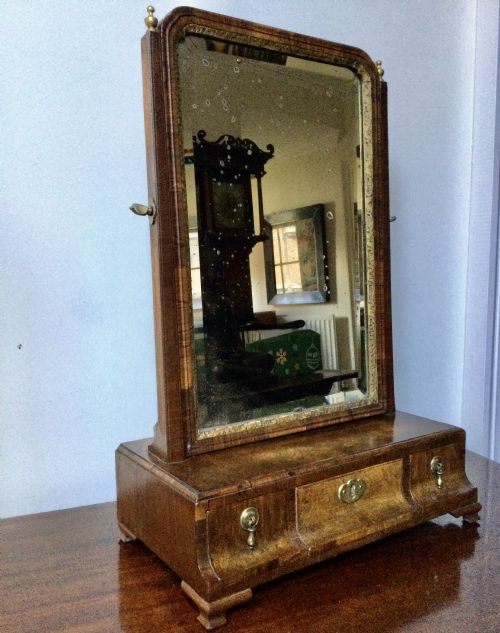
The selection here encompasses compact table top toilet mirrors alongside substantial floor-standing cheval mirrors and complete dressing tables with integrated swing glass. Walnut dominates the timber choice, frequently appearing as burr walnut or enriched with boxwood stringing and marquetry.
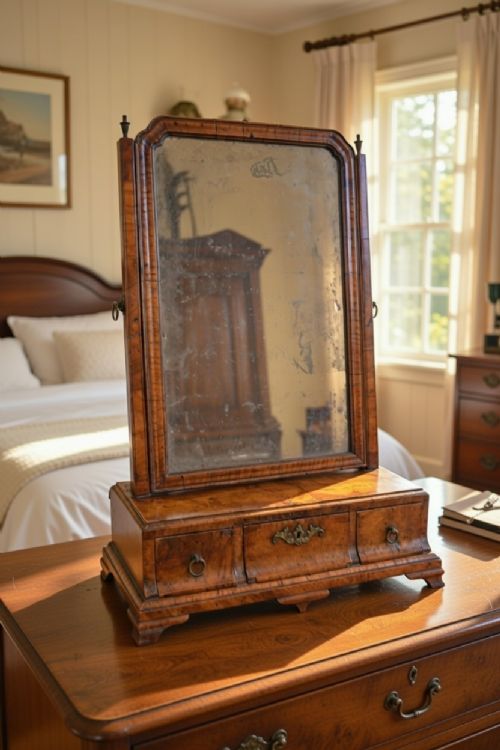
Earlier examples often feature simple box bases with small drawers for trinkets or shaving gear, whilst later Victorian and Edwardian iterations present more elaborate barley twist supports or gilded details. Art deco pieces introduce streamlined proportions that suit twentieth-century interiors.
What separates the fine from the ordinary
Quality rests upon the selection of the timber grain, particularly the vibrancy of burr walnut veneers and the precision of any boxwood inlay or marquetry work. Finer pieces demonstrate superior joinery in the box bases and well-balanced proportions in the swivel mechanisms.
The integrity of the mirror glass and the originality of the brass hardware contribute significantly to the standing of a piece. Robust construction of the upright supports ensures the pivoting frame holds its position securely without sagging.
The listings span from the seventeenth century through to the art deco period, incorporating materials like burr walnut, brass, and boxwood.
Whytock And Reid
The Walnut Swivel Mirror Glossary
- Cheval mirror
- A full-length swing mirror supported on a freestanding frame with four legs. This tall format allows a person to view their entire outfit.
- Toilet mirror
- A smaller mirror designed to sit upon a dressing table or chest of drawers. These portable pieces usually feature small storage drawers in the base.
- Burr walnut
- Timber taken from a tree growth that produces intricate, swirling grain patterns. Cabinet makers prized this figured wood for highly decorative veneer panels.
- Marquetry
- The art of forming decorative patterns by fitting together small pieces of veneer. Artisans used various woods to create pictorial designs on furniture surfaces.
- Barley twist
- A turned wooden column resembling the spiral twist of barley. This decorative support appears frequently on Victorian furniture frames.
Walnut Swivel Mirror: Frequently Asked Questions
How do I date a walnut swivel mirror?
Dating relies on observing the construction methods, hardware types, and prevailing styles such as georgian, victorian, or art deco.
Early pieces often feature simple box bases with drawers, whereas later nineteenth-century examples incorporate barley twist turnings or elaborate veneers.
Where should I place a toilet mirror?
Toilet mirrors sit comfortably upon dressing tables, chests of drawers, or sturdy console surfaces in bedrooms and hallways.
Ensure the supporting surface is level so the pivoting frame remains stable during daily use.
Are the mirror glasses original?
Many antique mirrors retain their original glass, which may show light foxing or spotting due to age.
Replacements do occur when older glass has deteriorated beyond practical use over the centuries.
How do I adjust the swivel mechanism?
Most swivel mirrors use side screws or threaded brass knobs that tighten against the upright posts to hold the glass angle.
Adjusting these fittings carefully prevents undue stress on the wooden frame and pivot points.