






Walnut Specimen Top Table
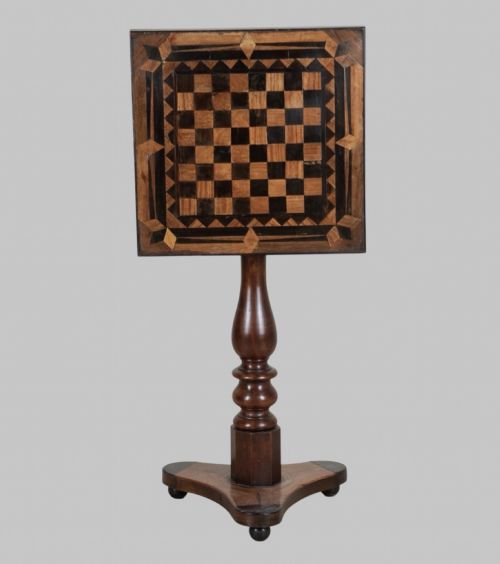
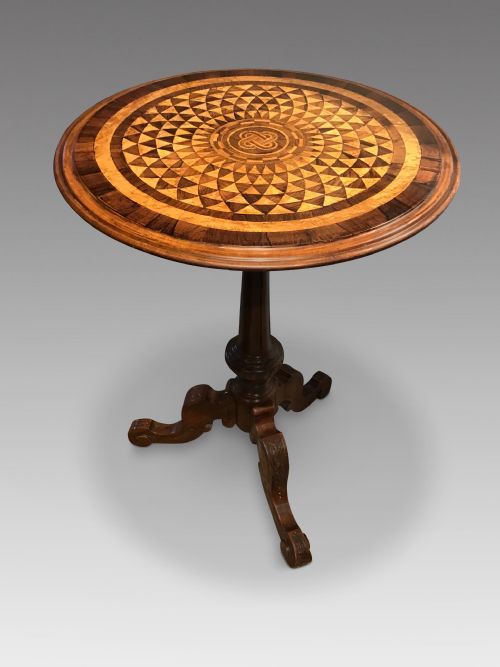
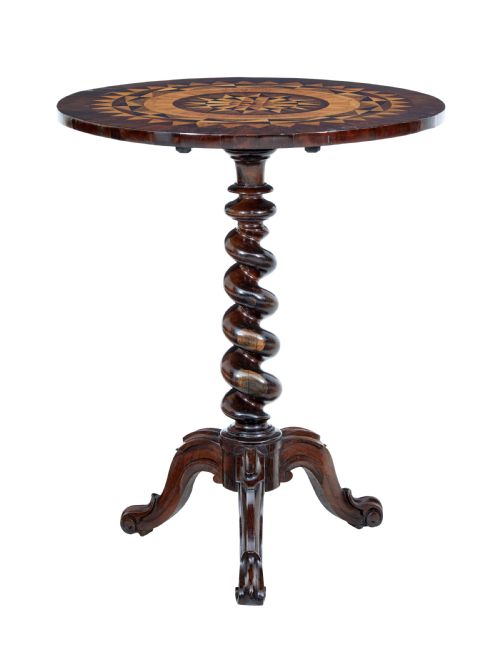
A walnut specimen top table brings together timber and meticulous inlay to create a surface designed to catch the eye.
Walnut Specimen Top Table
A walnut specimen top table is a surface created to display a mosaic of native or exotic woods and stone, set upon a sturdy timber frame. When you search for a walnut specimen top table, you encounter pieces that function as occasional tables, games tables, centre tables, and side tables.
The versions most commonly met on this page span the Georgian, Regency, and Victorian periods, alongside mid-century Italian examples. These forms range from circular pedestal occasional tables and tilt-top designs to larger centre tables featuring marble tops and detailed wood veneers.
Makers utilised contrasting timbers like boxwood, mahogany, and rosewood alongside brass and burr walnut to build these pieces. The resulting tables serve practical functions in sitting rooms and hallways while functioning primarily as decorative focal points.
How they were made
Craftsmen built the structural frames of these tables using solid walnut, mahogany, and rosewood, often forming tripod bases or central pedestals to support the weight above. These timbers provided the strength required for furniture that frequently doubled as games surfaces or heavy centrepieces.
The tabletops themselves relied on precision veneering and inlay techniques, assembling geometric patterns or pictorial scenes from small pieces of specimen woods, boxwood, and specimen marble. Makers secured these meticulous arrangements onto a stable backing board before mounting the top to the base.
Walnut Specimen Top Table Retail Price Guide 2026
Typical asking prices for walnut specimen top table among the pieces listed under this phrase on Sellingantiques today, from the lower quarter to the upper quarter. They describe what is for sale here now, not the wider market.
Listings span the Georgian, Regency, William IV, and Victorian periods, alongside mid-century Italian examples.
What varies in quality
The degree of skill evident in the tabletop arrangement largely determines the quality of a walnut specimen top table. Tighter joints between individual wood or marble segments and a more inventive geometric or pictorial layout signal superior craftsmanship.
The choice of secondary timbers and the structural integrity of the pedestal or legs also separate standard workshop output from finer examples. Heavier proportions, balanced wood grain, and crisp carving on the base distinguish the more accomplished pieces.
The Walnut Specimen Top Table Glossary
- Specimen wood
- Timber selected for its distinct grain, colour, or rarity and cut into thin sections to form geometric patterns on a tabletop. These mosaics showcase a variety of domestic and exotic species.
- Pietra dura
- An inlay technique using cut and fitted polished coloured stones to create pictorial designs on tabletops. This Italian method frequently incorporates marble to depict floral or geometric motifs.
- Tilt-top
- A table mechanism allowing the surface to pivot to a vertical position when not in use. This design saved space in period interiors.
- Pedestal
- A central vertical support resting on a tripod base or a plinth. It elevates the tabletop while allowing legroom around the perimeter.
- Veneer
- A thin layer of figured timber applied to a secondary wood base to provide a decorative exterior. Burr walnut is commonly utilised in this manner for its swirling grain patterns.
Walnut Specimen Top Table: Frequently Asked Questions
What is a specimen top?
A specimen top is a tabletop composed of many small, individually cut pieces of different woods or marbles arranged in geometric or pictorial patterns. This mosaic technique was designed to showcase the variety and beauty of natural materials.
These tops required precise cutting and fitting by skilled makers, resulting in surfaces that functioned as both furniture and decorative art.
How do I style one at home?
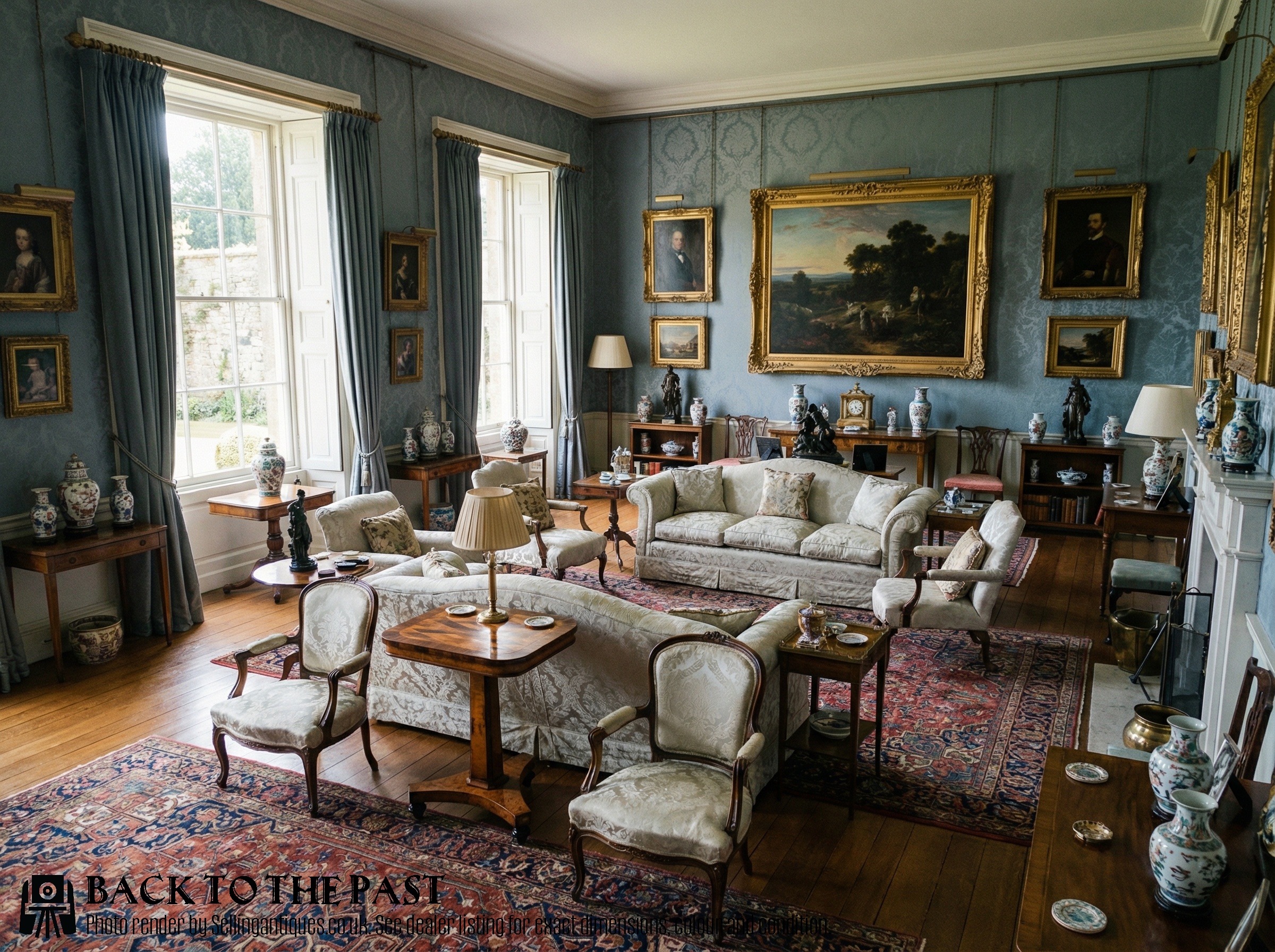
A walnut specimen top table works well as an occasional or centre table where the top can be clearly seen from above. Keeping the surface relatively clear allows the wood or marble inlay to remain the focal point of the room.
Pairing the table with simple seating helps balance the intricate patterns of the timber and stone work.
Were these tables used for games?
Many examples from the Georgian and Victorian periods served as games tables, featuring specialised surfaces or inlaid boards for chess and cards. The folding or tilt-top mechanisms accommodated these dual functions.
Even without explicit game markers, the decorative tops provided suitable surfaces for light parlour entertainment.
How do I tell Victorian from Georgian tables?
Georgian and Regency tables often exhibit restrained proportions and classical restraint in their pedestal and leg designs, relying on subtle inlay. Victorian examples tend to be heavier in proportion, utilising burr walnut and bolder architectural or carved details.
Examining the construction methods and the specific styling of the base helps clarify the period of manufacture.