



Walnut Specimen Chest
A walnut specimen chest is a compact, multi-drawer cabinet designed for orderly storage, prized for rich timber figuring and refined scale.
Walnut Specimen Chest
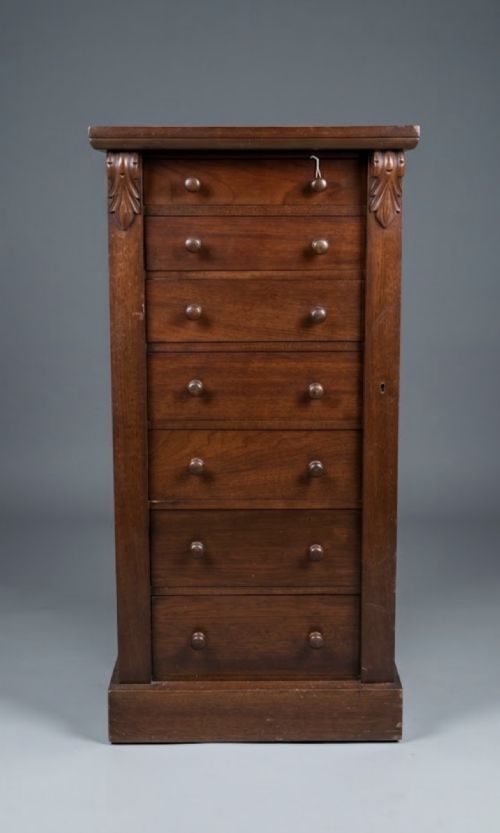
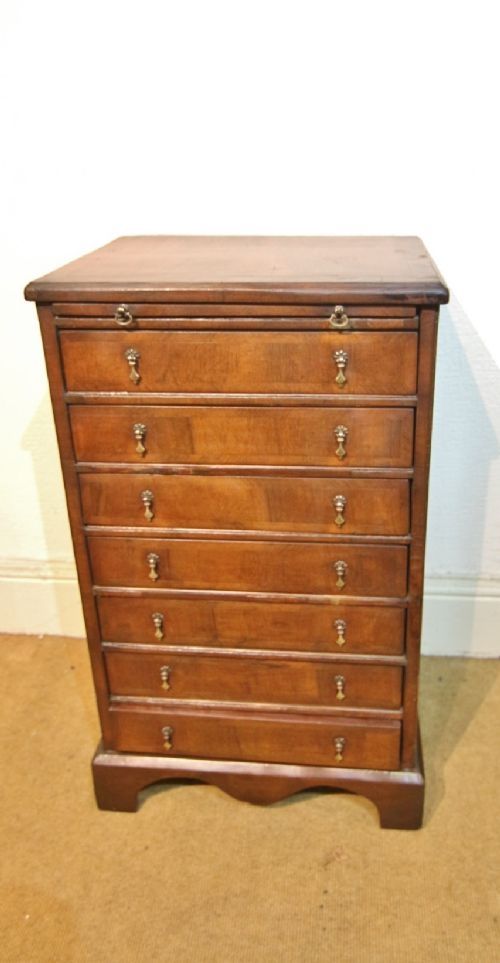
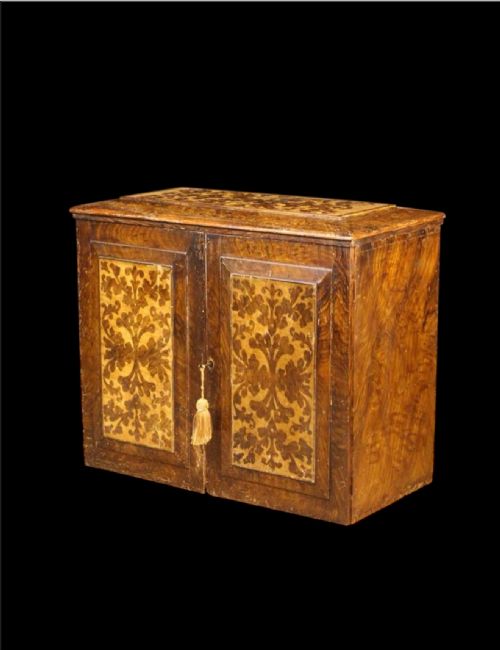
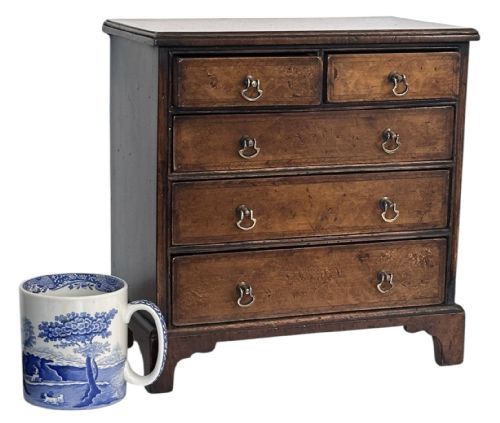
A walnut specimen chest serves as a compact housing for small treasures, natural history samples, or jewellery. These pieces range from miniature chests of drawers and Wellington chests to dedicated collectors cabinets and banks of drawers.
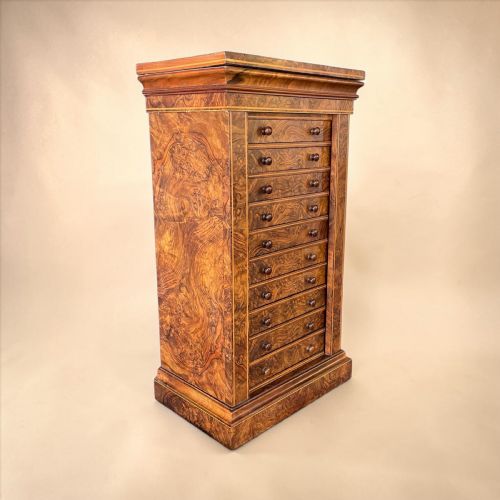
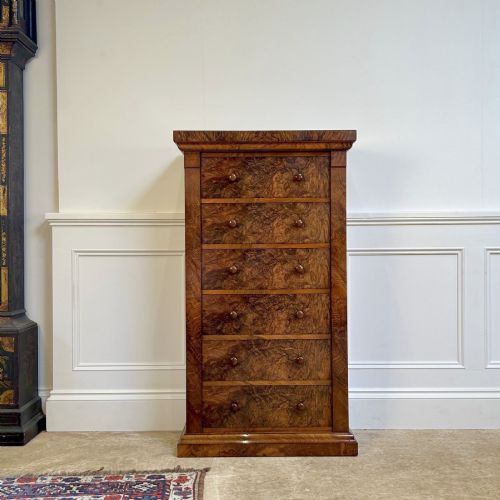
The version most commonly met on this page is the Victorian burr walnut specimen chest or Wellington chest, often featuring multiple small drawers framed by classical proportions. Examples span from the 18th century through the Regency period and into the late 19th and early 20th centuries.
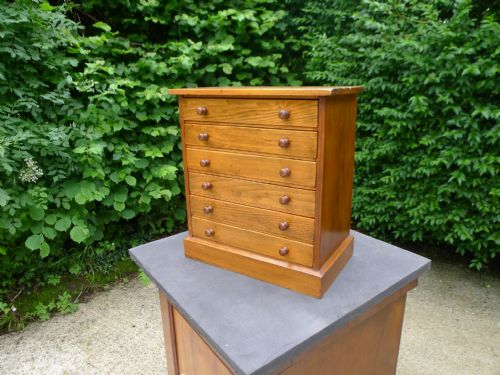
Makers and cabinetmakers utilised varied forms including miniature furniture, tabletop cabinets, and chests on stands. The unifying characteristic across these pieces is the dedication of numerous shallow drawers tailored for meticulous organisation.
Materials and construction
Makers built these cabinets using solid walnut, burr walnut, and walnut veneer over secondary timbers such as oak and mahogany. The use of burr walnut veneer on primary surfaces created striking, highly figured patterns across the front of the drawers.
Cabinetmakers incorporated brass hardware, including recessed handles and locking mechanisms characteristic of Wellington chests, alongside glass panels on select display doors. Internal construction frequently relied on tight-fitting dovetail joints to ensure the stability of numerous small drawers.
Walnut Specimen Chest Retail Price Guide 2026
Typical asking prices for walnut specimen chest among the pieces listed under this phrase on Sellingantiques today, from the lower quarter to the upper quarter. They describe what is for sale here now, not the wider market.
Form variations include Wellington chests, banks of drawers, microscope slide cabinets, and miniature chests of drawers.
What separates the fine from the ordinary
The standard of a walnut specimen chest rests upon the choice of timber and the dexterity of the veneer work. Cabinets displaying richly figured burr walnut and harmonious grain matching across multiple drawer fronts sit at the top of the range.
Mechanical execution and hardware integration define the grade of the piece. Smooth drawer action, well-fitted locking stiles on Wellington chests, and crisply cast brass handles distinguish superior examples from simpler utilitarian banks of drawers.
Gillows
The Walnut Specimen Chest Glossary
- Wellington chest
- A tall, narrow chest of drawers secured by a locking hinged side flap that fastens over the drawer edges. This form originates from the early 19th century.
- Burr walnut
- Timber taken from a tree growth or wart, yielding complex, swirling grain patterns. It is sliced into veneers for decorative cabinet fronts.
- Specimen chest
- A small cabinet with numerous shallow drawers originally intended for classifying natural history items like fossils, shells, or insects.
- Dovetail joint
- An interlocking carpentry joint formed by fan-shaped tenons and mortises. It provides exceptional tensile strength for drawer construction.
Walnut Specimen Chest: Frequently Asked Questions
What fits inside a walnut specimen chest?
These cabinets house small collectibles, jewellery, fountain pens, or botanical and geological specimens within their shallow drawers. The compartmentalised nature makes them ideal for orderly sorting.
Today, owners utilise the numerous small drawers to organise modern collections, keepsakes, and craft supplies while displaying rich timber grain in a study or drawing room.
How do I identify a Victorian specimen chest?
Victorian examples frequently utilise burr walnut veneer, brass handles, and robust carcass construction in mahogany or oak. Stylistic cues often follow classical revival proportions popular during the 19th century.
Examining the drawer linings, secondary timbers, and locking mechanisms helps distinguish mid-to-late 19th-century production from earlier Georgian or later Edwardian pieces.
Where should I place a specimen chest?
Tabletop versions, miniature chests, and small cabinets sit comfortably on desks, sideboards, or dedicated stands. Their modest footprint allows them to occupy spaces where large furniture cannot fit.
Keep these cabinets away from direct sunlight and strong heat sources to protect the walnut veneer and prevent the timber from drying out.
What is a Wellington chest?
A Wellington chest is a vertical stack of drawers secured by a locking pilaster bar on one side. This design locks all drawers simultaneously with a single key.
Cabinetmakers developed this style during the Regency period to keep sensitive documents and valuable specimens secure within a slim, space-saving profile.