



Walnut Slide Cabinet
These walnut slide cabinet examples combine rich timber and pull-out surfaces, offering a practical way to store collections or manage books.

Walnut Slide Cabinet
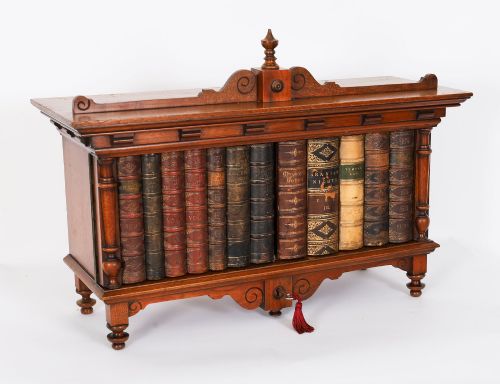
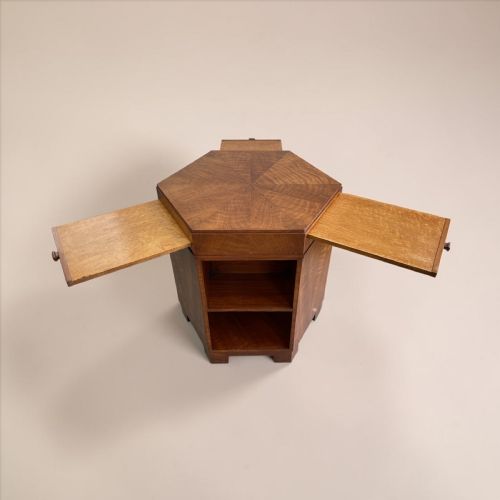
When searching for a walnut slide cabinet, collectors encounter a diverse group of items ranging from tabletop storage units to large bureau bookcases and specialised micro-slide cabinets. These pieces often incorporate pull-out components such as candle slides, writing surfaces, or book slides alongside traditional cupboard and drawer storage.
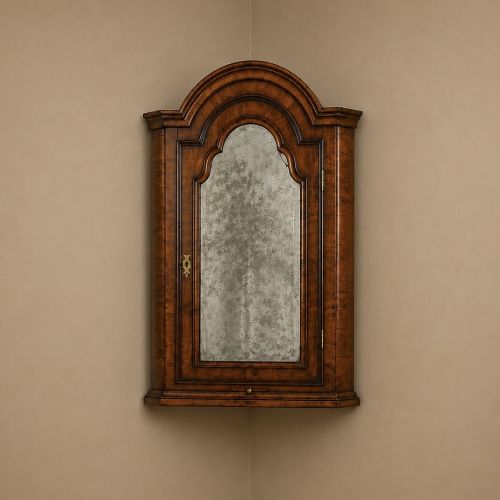
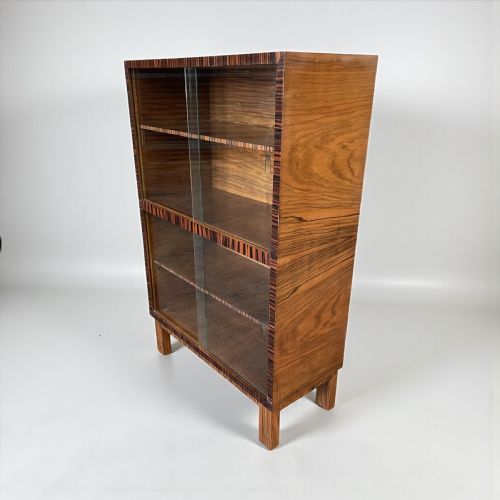
The selections span significant historical periods, with Georgian and 18th-century examples featuring alongside Victorian designs and later 1930s Art Deco interpretations. Buyers frequently meet tabletop collectors cabinets and corner cupboards equipped with functional slides that demonstrate the versatility of walnut furniture across centuries of craftsmanship.
How they were made
Construction relies heavily on walnut timber, frequently utilised as burr walnut or walnut veneer over secondary woods like oak to achieve striking figured surfaces. Cabinet makers integrated functional hardware including brass fixtures, glass panels, and leather inserts to complete the internal and external structure of each piece.
Joinery techniques span multiple eras, supporting the complex requirements of bureau bookcases, fitted interiors, and multi-drawer collectors cabinets. The application of veneer demands precise skill to align grain patterns across doors, falls, and slide mechanisms.
Walnut Slide Cabinet Retail Price Guide 2026
Typical asking prices for walnut slide cabinet among the pieces listed under this phrase on Sellingantiques today, from the lower quarter to the upper quarter. They describe what is for sale here now, not the wider market.
The listings demonstrate that walnut slide cabinets span several centuries, moving from 18th-century bureau bookcases to 1930s Art Deco tables and bookcases.
What varies in quality
The sophistication of the form dictates distinction, separating standard utility pieces from exceptional bureau bookcases and designated collectors cabinets. Finer items demonstrate meticulous attention to internal detailing, hardware integration, and the smooth operation of every sliding element.
Liberty's of London
The Walnut Slide Cabinet Glossary
- Slide
- A pull-out shelf or board integrated into a cabinet or desk. It provides temporary auxiliary surface space for candles, writing, or books.
- Burr walnut
- A specialised timber cut from the warted growths of walnut trees. It yields highly decorative, swirling grain patterns prized in cabinet making.
- Bureau bookcase
- A dual-purpose tall furniture form combining a sloping writing flap over drawers with an upper shelving section. It often includes internal compartments and candle slides.
- Collectors cabinet
- A specialised storage unit containing multiple shallow drawers or trays. These are traditionally used for organising specimens, coins, or microscopic slides.
Walnut Slide Cabinet: Frequently Asked Questions
What is a walnut slide cabinet?
A walnut slide cabinet is a storage piece constructed from walnut that incorporates one or more pull-out shelves or trays. These additions function as auxiliary working surfaces or housing for specific collections.
The category spans multiple forms in the evidence, including tabletop collectors chests, hanging corner cupboards, and library furniture featuring integrated book or candle slides.
How were the slides used?
Slides served practical daily functions depending on the specific furniture type. Candle slides provided a stable platform for illumination near writing surfaces, while book slides offered temporary support in libraries.
In specialised storage items, shallow internal slides kept delicate items secure. These mechanisms maximised utility without permanently enlarging the furniture footprint.
How do I date an antique walnut cabinet?
Dating relies on stylistic markers, construction methods, and material usage characteristic of specific eras. Pieces from the early 18th century often display distinct Georgian or Queen Anne proportions and detailing.
Later Victorian and 1930s Art Deco examples introduce contrasting design languages, such as streamlined geometric forms or alternative secondary timbers like oak and sycamore.
How do I care for walnut furniture?
Walnut furniture benefits from stable indoor humidity and protection from direct sunlight to preserve the rich timber tones and veneers. Regular dusting with a soft, dry cloth maintains the surface finish.
Avoid harsh chemical cleaners and excessive moisture, particularly on veneered surfaces and antique polished finishes. Gentle handling of sliding mechanisms ensures their longevity.