

Walnut Plant Stand Table
A walnut plant stand table brings both organic timber grain and functional display space into a room, serving plants or lamps with quiet elegance.
Walnut Plant Stand Table
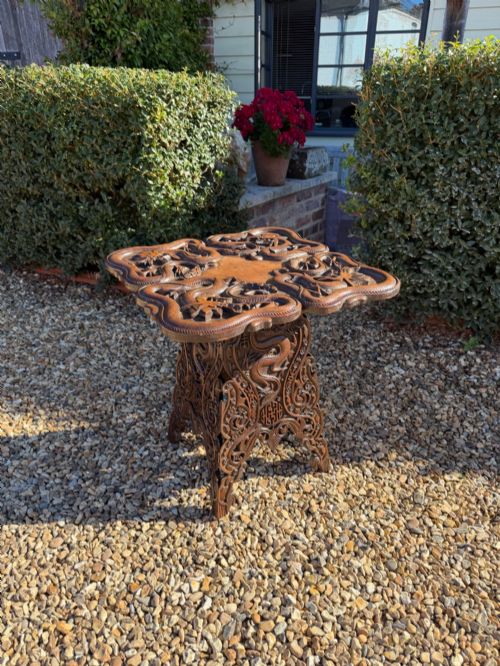
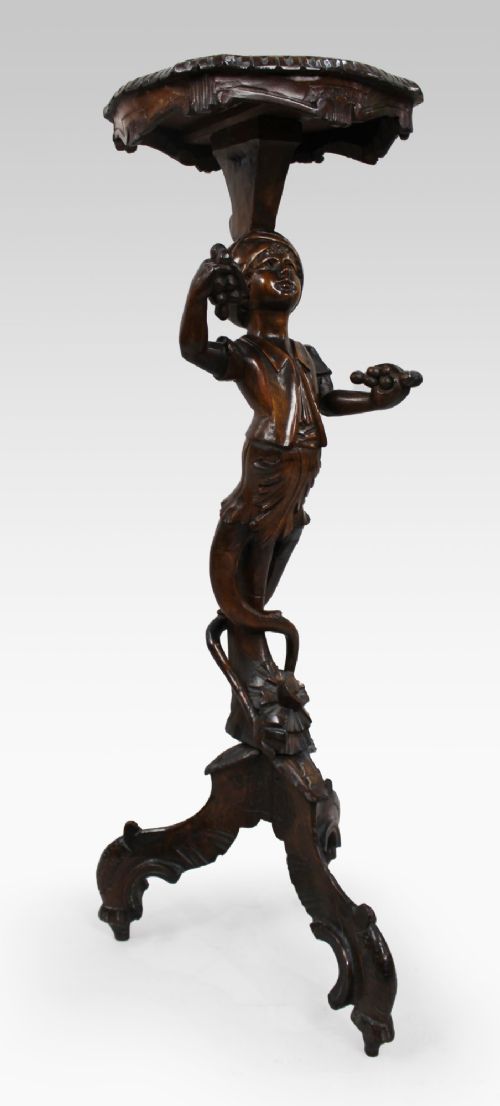
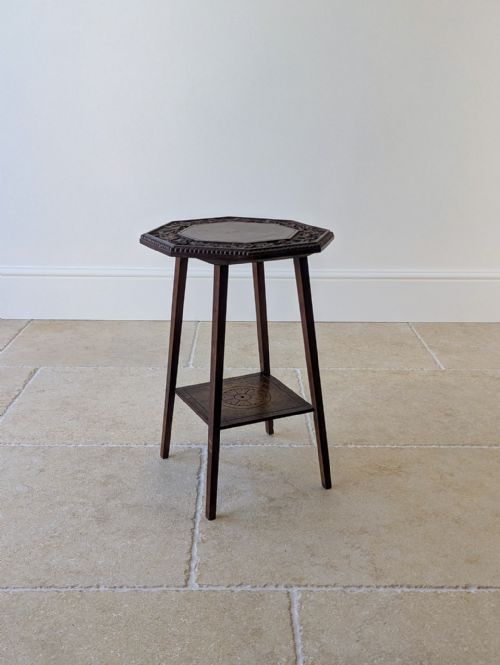
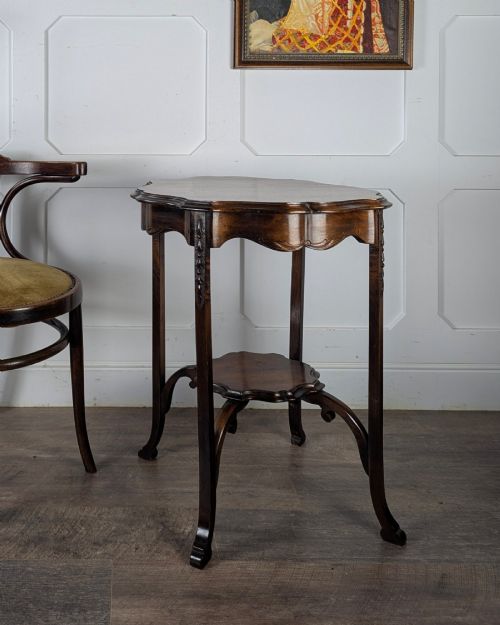
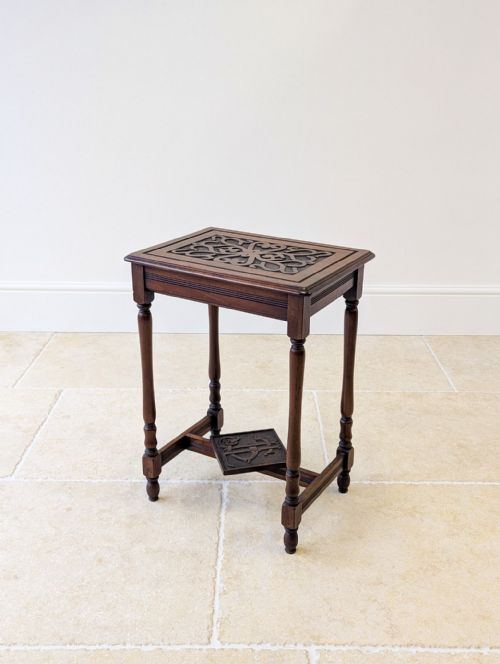
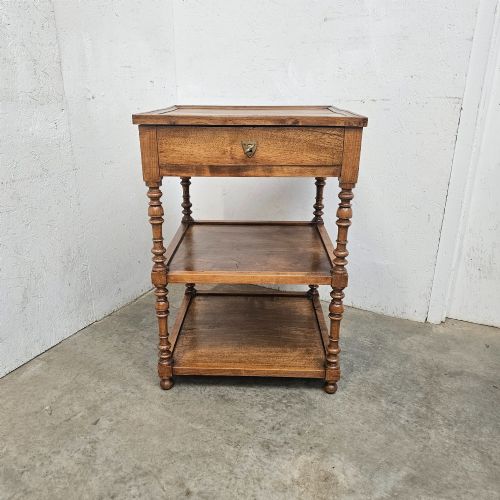
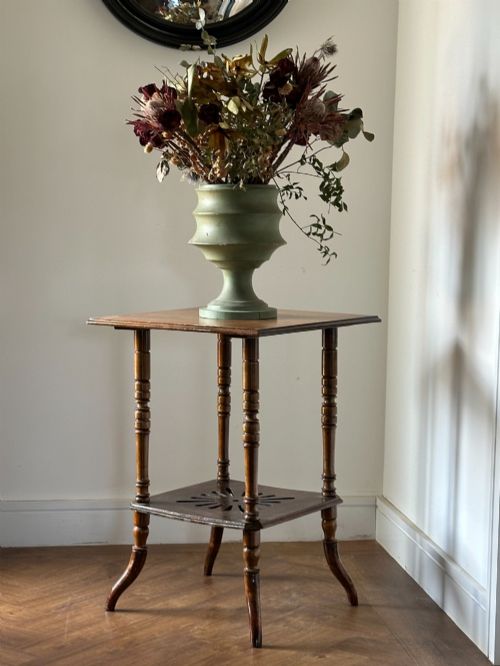
A walnut plant stand table functions primarily to elevate greenery, floral arrangements, or decorative objects within Victorian and Edwardian interiors. These pieces appear frequently as occasional tables, jardiniere stands, and two-tier etageres designed to hold pots or display precious items.
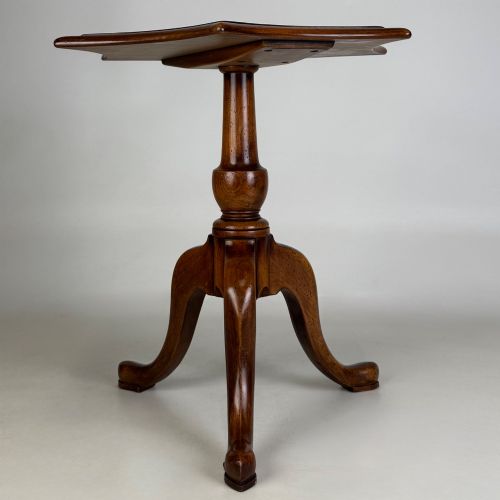
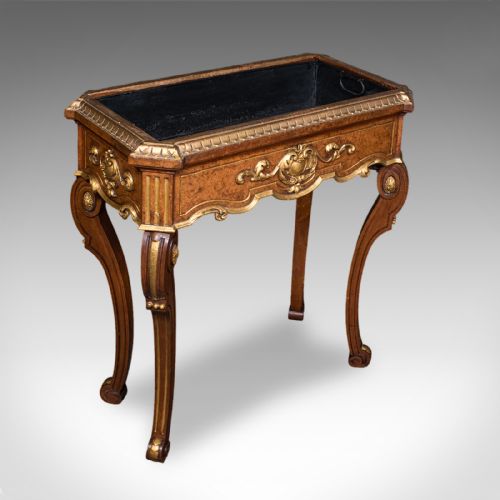
Makers of this period also produced related forms such as side tables, candle stands, and wine tables that share the same slender proportions and timber construction. Buyers encounter numerous variations ranging from simple turned-leg stands to ornate French revival planter tables fitted with metal liners.
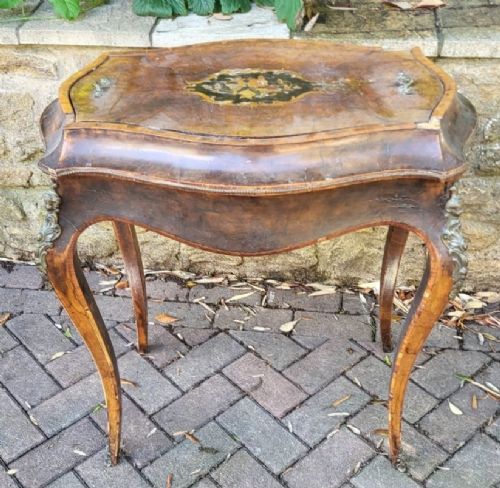
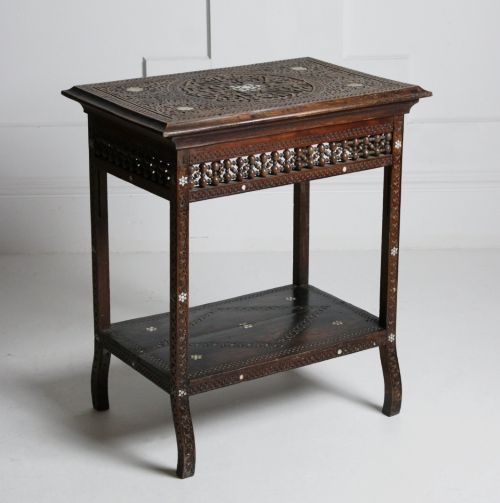
Origins span British workshops alongside continental European centres, encompassing specific regional tastes like Moorish Revival inlay work, Anglo-Japanese designs, and Arts and Crafts simplicity. The most common version met on this page is the 19th-century occasional table or jardiniere incorporating burr walnut veneers.
Evaluating Quality
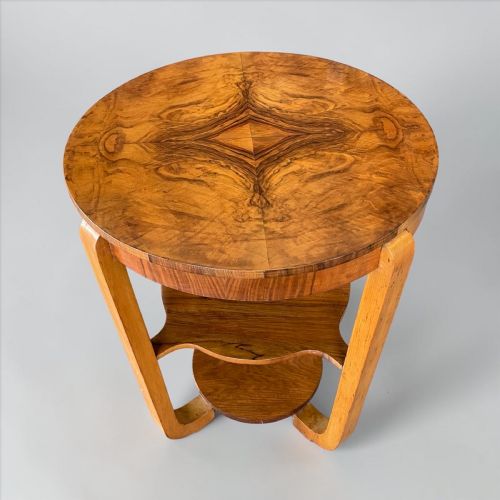
Quality rests heavily on the selection of the timber veneer, where rich figure and careful book-matching distinguish superior examples from plain or heavily repaired surfaces. The crispness of hand-carved details and the retention of original brass or ormolu mounts signal higher workshop standards.
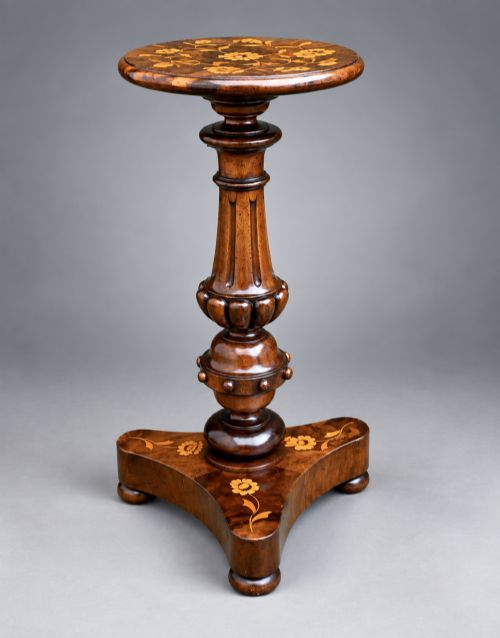
Structural integrity depends on the stability of pedestals and joints, ensuring that tall plant stands support weight safely without wobbling. Subtle execution of marquetry inlay and the presence of original interior metal liners in jardiniere tables elevate a piece above standard utility items.
Table forms range widely from simple candle stands and wine tables to multi-tiered etageres and specialised planter boxes.
Liberty of London·William Birch·Shoolbred
The Walnut Plant Stand Table Glossary
- Jardiniere
- A decorative stand or container designed to hold plants and flowers indoors. These often feature waterproof metal liners to protect the surrounding timber.
- Burr walnut
- Timber taken from a tree growth or burl, prized for its swirling, highly figured grain patterns. Cabinet makers utilised these veneers on prominent table surfaces.
- Ormolu
- Gilt bronze mounted onto furniture as a decorative accent. French revival pieces frequently employ these cast metal mounts along table rims and legs.
- Etagere
- A piece of furniture consisting of open shelves for displaying small objects. These tiered structures provide multiple levels for plants and ornaments.
- Marquetry
- Decorative patterns formed by inserting pieces of contrasting veneer into a wood foundation. Floral motifs appear frequently on 19th-century table tops.
Walnut Plant Stand Table: Frequently Asked Questions
What is a jardiniere table?
A jardiniere table incorporates a built-in well or tray designed specifically to display live plants indoors. They often feature protective metal liners.
These pieces served Victorian and Edwardian drawing rooms as both functional plant holders and elegant occasional tables when fitted with a removable lid.
Are these tables sturdy enough for plants?
Most plant stands and jardiniere tables were engineered to bear the weight of heavy ceramic pots and damp soil safely. Solid timber frames and weighted pedestals provide necessary balance.
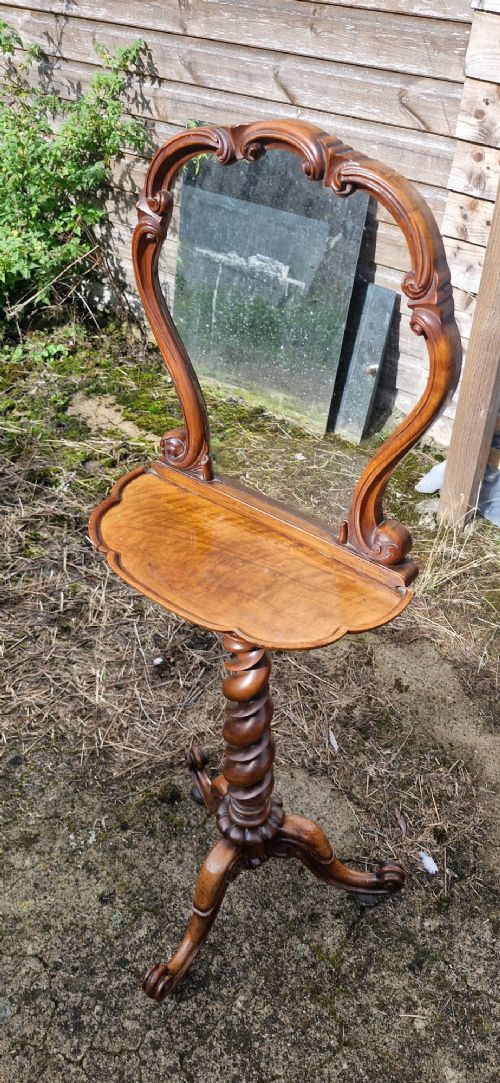
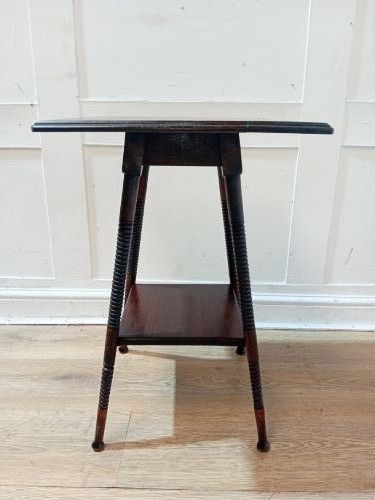
Taller stands require level flooring to prevent tipping, particularly those with slender barley twist or carved figural stems.
How do I identify Arts and Crafts examples?
Arts and Crafts tables emphasise simple construction, exposed joinery, and the natural grain of the walnut timber over surface ornamentation. Makers like Liberty championed these understated forms.
Such pieces usually dispense with heavy veneer or gilt mounts, favouring clean lines and functional two-tier designs.