




Walnut Miniature Drawers
Walnut miniature drawers are small-scale pieces of cabinetry prized for their timber figure and intricate construction.
Walnut Miniature Drawers
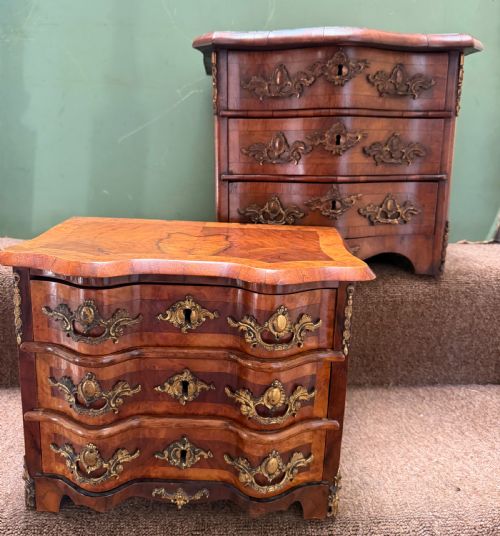
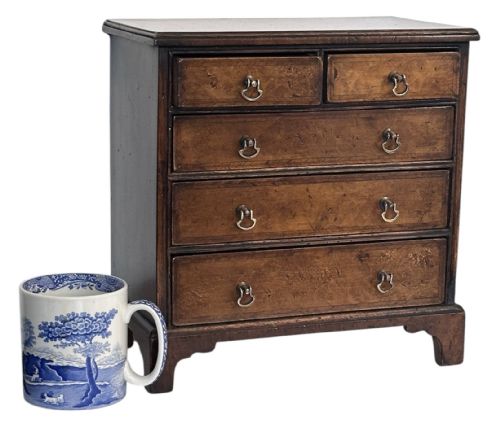
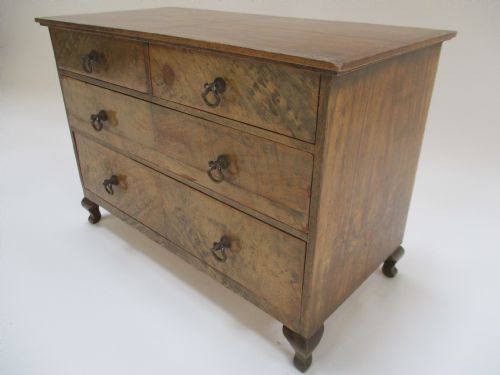
When you search for walnut miniature drawers, you encounter a specialised form of small-scale cabinetry designed for domestic display, storage, or travel use. The examples gathered here span from the seventeenth century through to the opening decades of the twentieth century, taking the form of table cabinets, apprentice chests, and miniature commodes. Most commonly, you will meet nineteenth-century Victorian and French revival pieces alongside earlier seventeenth-century work.
These items served various practical purposes in historic interiors, functioning as jewellery chests, specimen cabinets, or desk-top companions with bureau fitments. The dimensions remain consistently small, often standing only twenty centimetres high or proportioned specifically for tabletops and stands. Makers utilised the compact format to demonstrate mastery of joinery and timber selection on a reduced scale.
How they were made
The primary material across these pieces is walnut, frequently enhanced by burr walnut veneers selected for dynamic grain patterns and rich figuring. Artisans frequently combined this with secondary timbers such as oak, while incorporating brass for handles, escutcheons, and mounts, and occasional gilt bronze or ebonised wood detailing.
Construction techniques mirror full-size high-style cabinetry, employing dovetailed drawer boxes, frame-and-panel assemblies, and specialised marquetry inlay as seen in German Renaissance table cabinets. Glass panels appear in display doors or mirror inserts, and lockable mechanisms utilise fitted brass hardware integrated directly into the carcase.
Walnut Miniature Drawers Retail Price Guide 2026
Typical asking prices for walnut miniature drawers among the pieces listed under this phrase on Sellingantiques today, from the lower quarter to the upper quarter. They describe what is for sale here now, not the wider market.
Some nineteenth-century makers packed an astonishing four fully functioning drawers into a chest standing barely twenty centimetres tall.
What varies in quality
Quality in walnut miniature drawers rests on the selection and matching of the walnut timber veneer across the primary visible surfaces. Uniformity in grain movement and the crispness of the surrounding mouldings distinguish superior examples from simpler utilitarian boxes.
The integration of functional hardware, such as original brass mounts, working locks, and precisely fitted miniature drawers, dictates the overall execution. Pieces retaining their original stands, glass components, or integrated bureau fitments demonstrate a higher level of original ambition.
The Walnut Miniature Drawers Glossary
- Burr walnut
- A figured wood veneer harvested from the irregular growths of a walnut tree, prized for its swirling grain patterns. It is frequently applied to the principal drawer fronts of nineteenth-century pieces.
- Apprentice piece
- A small-scale item traditionally demonstrated to a guild to prove a craftsman's skill. Many nineteenth-century miniature chests carry this traditional attribution.
- Table cabinet
- A cabinet designed to sit upon a desk, table, or dedicated stand rather than rest directly on the floor. These often incorporate multiple internal small drawers or lockable doors.
- Escutcheon
- A protective plate surrounding a keyhole, usually cast in brass on these cabinets. It serves both a functional purpose and a decorative role on the drawer fronts.
Walnut Miniature Drawers: Frequently Asked Questions
What were miniature drawers used for?
These small cabinets stored precious items such as jewellery, documents, or small botanical and geological specimens.
They allowed owners to keep valuables securely on tabletops or inside private chambers.
How old are these miniature chests?
The examples on this page range from seventeenth-century Flemish and German pieces to nineteenth-century Victorian and French productions.
Stylistic details and construction methods help distinguish the earlier seventeenth-century works from later revival items.
Are apprentice pieces genuine?
Many nineteenth-century small chests carry the label of apprentice pieces, though a significant portion served as luxury tabletop receptacles for the domestic market.
Both categories represent high standards of scaled-down cabinetmaking.
Where should I place them?
Because of their compact proportions, walnut miniature drawers suit tabletops, sideboards, or dedicated display stands where their timber grain can be appreciated.
Keeping them away from direct heat sources protects the walnut veneers and underlying structure.