



Walnut Marquetry Mirror
A walnut marquetry mirror brings together figured timber and delicate floral or geometric inlays to anchor a room.
Walnut Marquetry Mirror
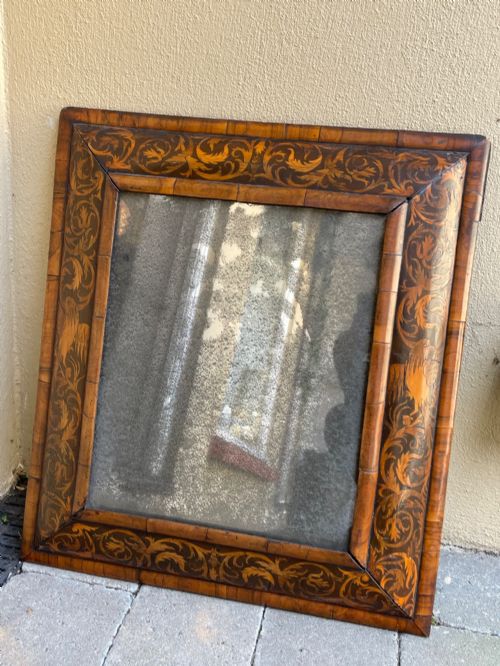
A walnut marquetry mirror combines the rich grain of walnut timber with intricate wood inlay work, creating a focal point for a wall or mantelpiece. These pieces range from seventeenth-century cushion frames to nineteenth-century overmantel mirrors produced during the Victorian era.
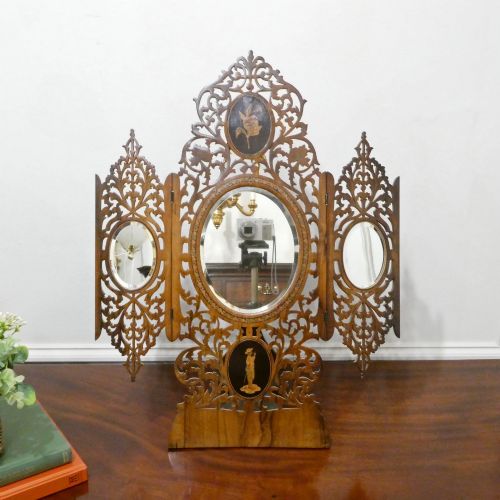
The selection on this page relies heavily on nineteenth-century interpretations alongside earlier seventeenth-century William and Mary examples and eighteenth-century Dutch pieces. Buyers will frequently encounter wall-hanging mirrors, overmantels, and dressing table swing mirrors executed in this style.
How they were made
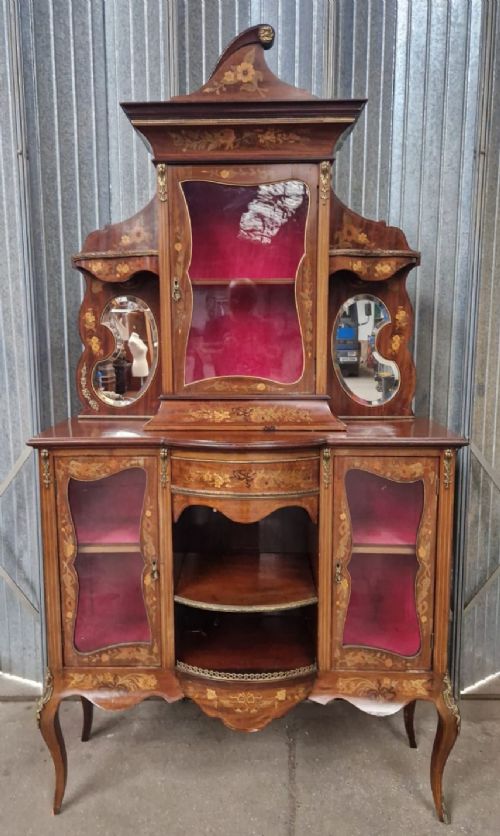
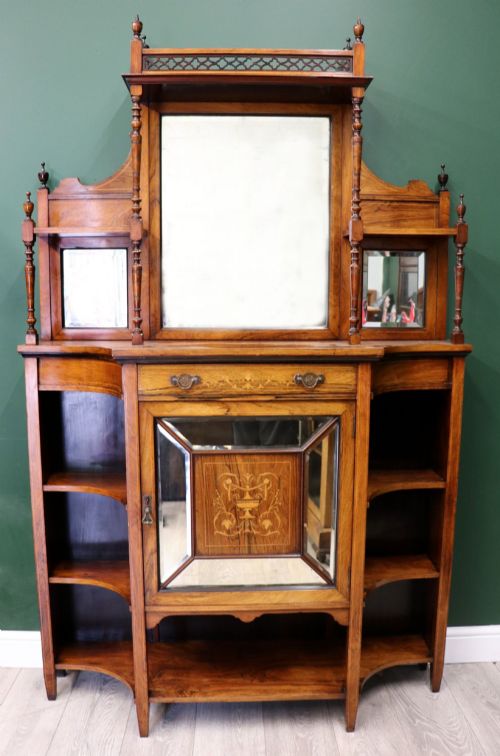
Craftsmen built these frames using solid walnut or applied burr walnut veneers over secondary timbers, selected for their dramatic figured grain patterns. Contrasting woods such as boxwood and satinwood were then hand-cut and fitted into the surface to form floral or geometric marquetry designs.
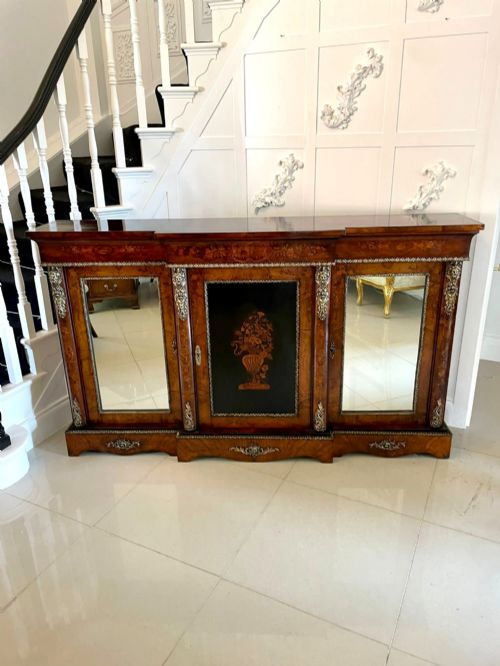
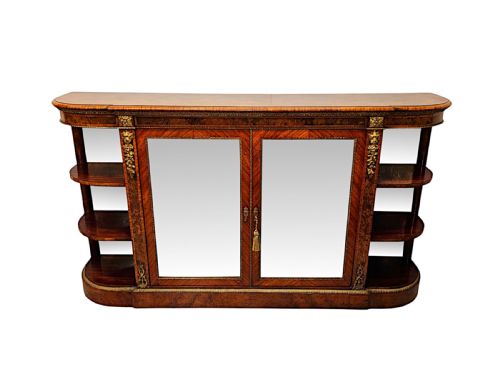
Many nineteenth-century examples incorporate cast brass or ormolu mounts to accent the timber frame, while earlier seventeenth-century cushion mirrors rely purely on the depth of the moulded frame and the precision of the wood inlay.
Walnut Marquetry Mirror Retail Price Guide 2026
Typical asking prices for walnut marquetry mirror among the pieces listed under this phrase on Sellingantiques today, from the lower quarter to the upper quarter. They describe what is for sale here now, not the wider market.
The listings demonstrate a strong presence of Victorian overmantel mirrors alongside seventeenth-century cushion frame designs.
What varies in quality
The distinction between ordinary and exceptional pieces lies in the crispness of the marquetry cutting and the choice of veneer. Superior examples display tightly fitted inlays without excessive filler, using highly figured burr walnut that creates natural depth across the surface.
Construction details also dictate value, including the integrity of the original mirror plate, the depth of the moulded frame profiles, and whether the secondary timbers remain undisturbed by later restoration.
Gillows
The Walnut Marquetry Mirror Glossary
- Marquetry
- A decorative technique of applying thin veneers of different woods to a structure to form intricate pictorial or floral patterns. This method defines the surface ornamentation of the frames.
- Burr Walnut
- A specialised wood cut from the abnormal growth of a walnut tree, yielding highly swirled and mottled grain patterns. Cabinet makers prized this timber for its decorative impact on primary surfaces.
- Cushion Mirror
- A mirror frame characterised by a broad, rounded profile that swells outward toward the outer edge, typical of seventeenth-century English design. This convex shape emphasises the grain of the surrounding wood.
- Overmantel Mirror
- A large mirror designed to hang specifically above a fireplace mantelpiece, often spanning the width of the hearth. These pieces frequently incorporate architectural proportions and mirrored glass panels.
- Ormolu
- Gilded bronze mounts applied to furniture and mirror frames for decorative contrast. This technique adds metallic highlights against the dark walnut timber.
Walnut Marquetry Mirror: Frequently Asked Questions
How do I date a walnut marquetry mirror?
Dating relies heavily on the profile of the frame and the complexity of the wood inlay. Seventeenth-century examples often feature deep cushion moulding, whereas Victorian pieces tend to use flat or architectural overmantel formats.
Examining the construction of the backboards and the type of mirror glass provides further clues to the period of manufacture.
Where should I hang an overmantel mirror?
An overmantel mirror is traditionally placed directly above a fireplace mantelpiece to reflect light and anchor the room's proportions. Ensuring secure wall fixings is essential due to the substantial weight of these large wooden frames.
They also function effectively on main reception room walls where their size can command the space.
What is Dutch marquetry?
Dutch marquetry involves elaborate floral and bird motifs executed in contrasting light and dark woods across the entire surface of the frame. This style gained popularity during the seventeenth century and influenced later nineteenth-century revival pieces.
The density and naturalism of the floral patterns help distinguish these regional variations from simpler English designs.
How do I care for antique walnut veneer?
Maintaining walnut veneer requires keeping the piece away from direct sunlight and steady humidity fluctuations to prevent the wood from drying out. Gentle dusting with a dry cloth preserves the polished surface without stripping the natural oils of the timber.
Avoid using modern silicone-based polishes that can penetrate old finishes and damage the delicate inlay work.