

Walnut Highboy Chest
A walnut highboy chest brings stately vertical presence and rich timber figure to an interior, joining distinct upper and lower storage sections.
Walnut Highboy Chest
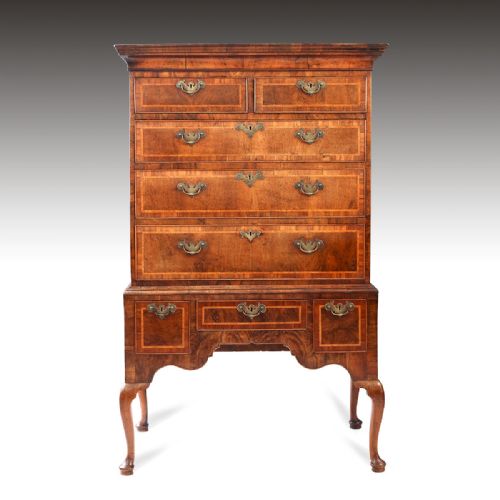
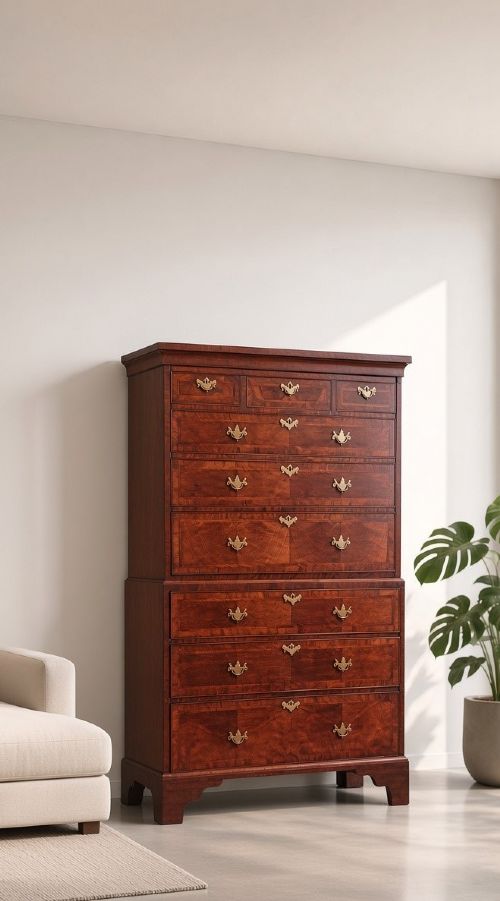
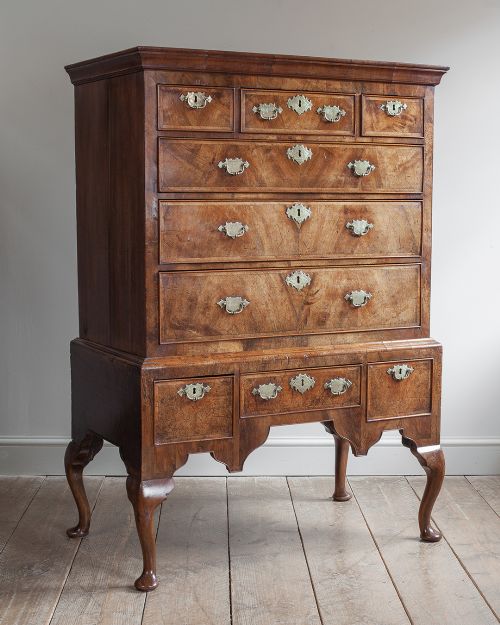
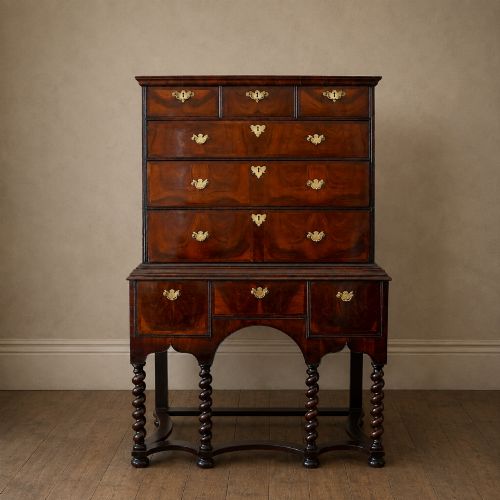
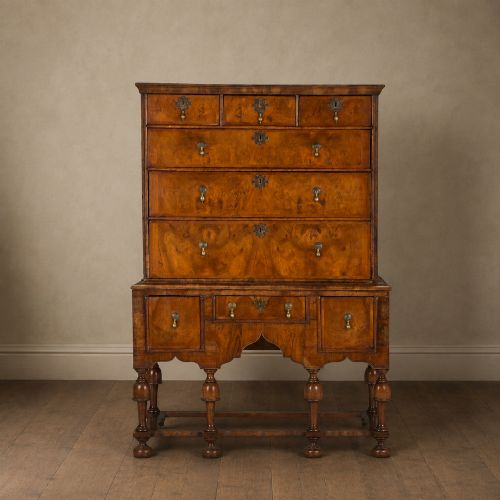
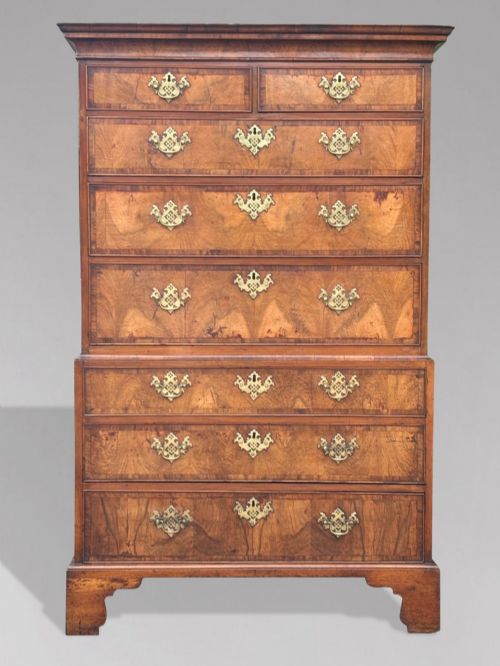
A walnut highboy chest combines a tall upper set of drawers with a lower stand or secondary chest section, creating a commanding presence in a room. Buyers searching for a walnut highboy chest will find numerous variations on this page originating from the seventeenth, eighteenth, and nineteenth centuries, alongside later revival pieces.
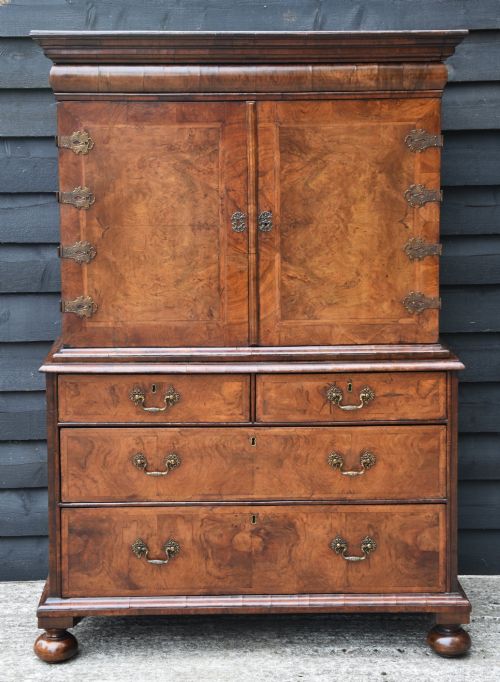
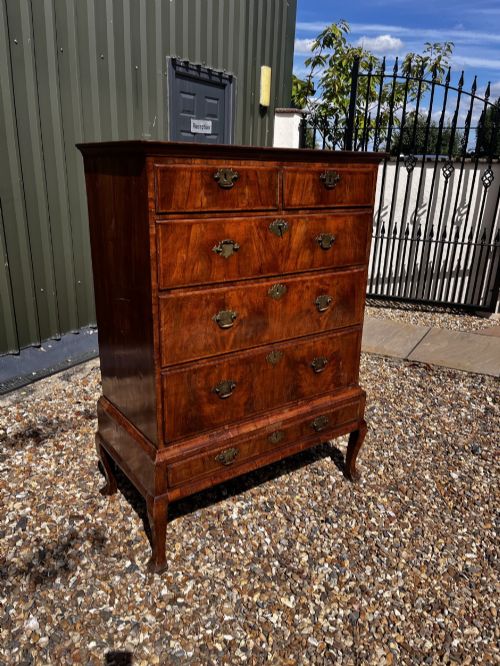
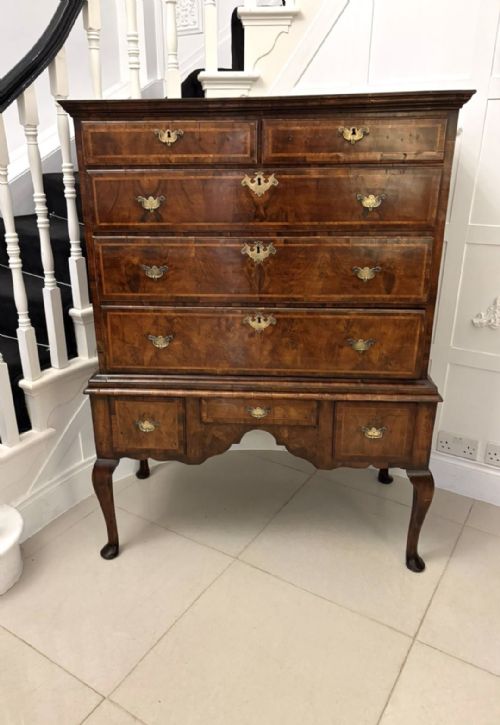
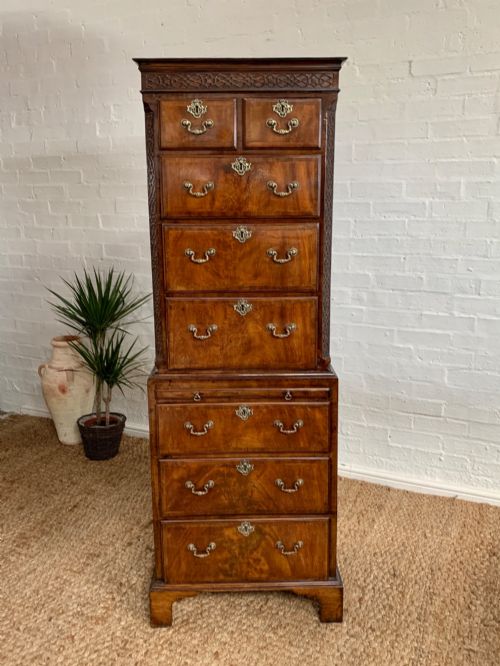
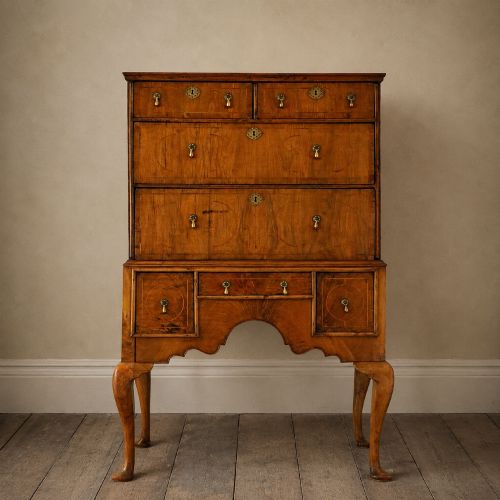
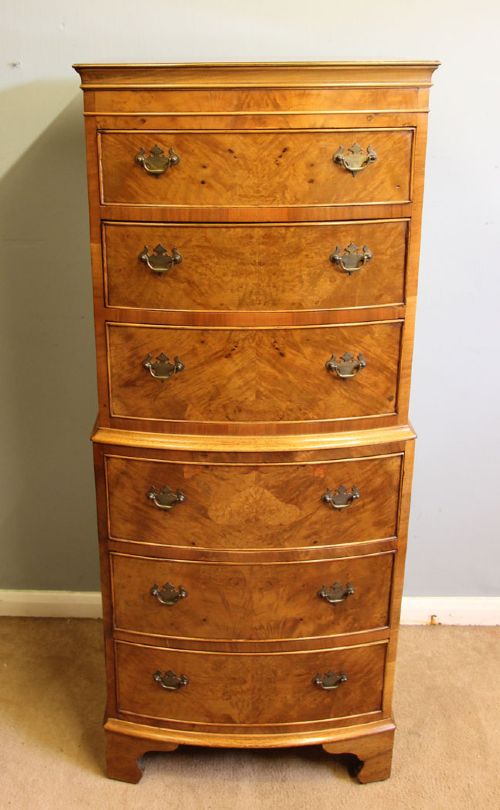
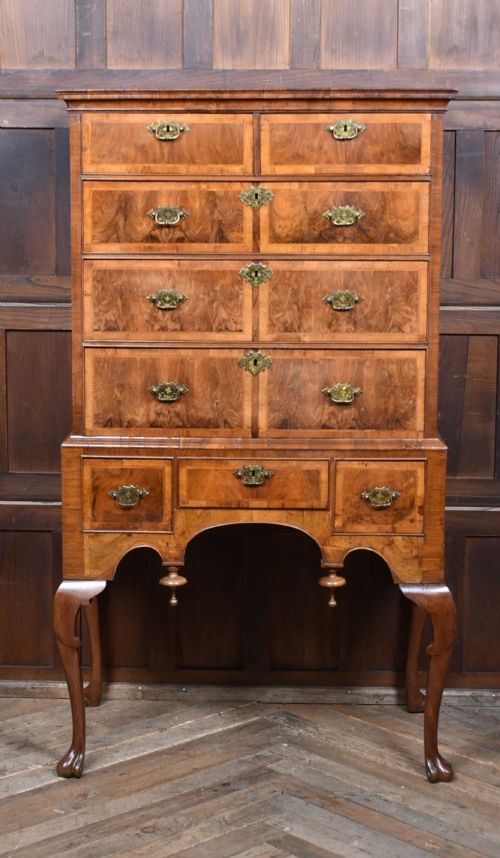
The dominant forms appearing here include chests on stands, tallboys, and cabinets on chests executed in styles such as Queen Anne, William and Mary, and George I. Many examples rely on a two-part construction designed to ease movement and placement within historic domestic spaces.
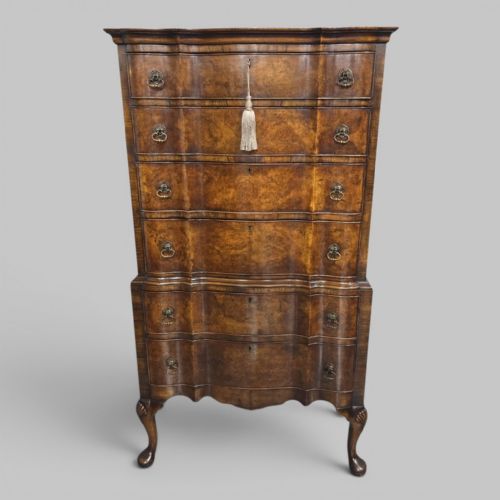
Earlier periods favour walnut chests on stands with slender cabriole legs, while mid-eighteenth-century pieces often present as taller chests on chests with graduated drawers. Later twentieth-century interpretations draw directly upon these earlier Georgian and Queen Anne archetypes.
Construction and Materials
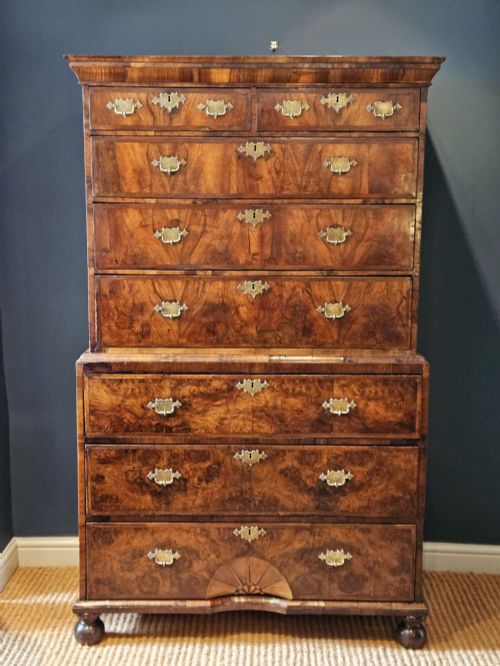
Cabinetmakers constructed these pieces using solid timbers like oak or fruitwood for internal carcases and structural frames, applying figured walnut or burr walnut veneers to primary visible surfaces. Crossbanding and geometric stringing frequently border drawer fronts and top panels to frame the grain patterns.
Surface ornamentation relies heavily on the natural figure of the timber, supplemented by marquetry work or distinctive details like dished sunburst inlays. Brass drop handles and escutcheons secure the drawers, while cabriole legs or bracket feet support the heavier upper bodies.
Some eighteenth-century walnut chests hide secret compartments inside, designed to keep family letters away from visiting eyes.
Assessing Craftsmanship and Condition
Quality rests upon the selection and matching of the walnut veneers, where symmetrical grain alignment across drawer fronts indicates superior planning by the maker. The crispness of carved details, such as knees on cabriole legs or mouldings around drawer divides, further separates standard production from finer work.
The integrity of the structural carcass and the retention of original brass hardware influence the standing of a piece. Associated stands or replaced elements alter the historical continuity of the furniture, distinguishing unified original examples from later marriages.
The Walnut Highboy Chest Glossary
- Tallboy
- A tall chest of drawers made in two stacked sections, frequently combining a smaller upper chest with a larger lower chest. The term often overlaps with chest on chest in historical descriptions.
- Burr walnut
- Timber taken from the abnormal growth growths of a walnut tree, yielding highly decorative swirling grain patterns. Cabinetmakers sliced this wood into thin veneers for principal facades.
- Crossbanding
- A border technique where narrow strips of veneer are laid perpendicular to the surrounding grain. This frames drawer fronts and top surfaces with a contrasting linear direction.
- Marquetry
- The art of applying pieces of veneer to a structure to form decorative patterns or pictorial designs. Dutch examples often display floral marquetry across the entire surface.
Walnut Highboy Chest: Frequently Asked Questions
What is a walnut highboy chest?
A walnut highboy chest is a tall piece of case furniture consisting of multiple stacked drawers, often split into an upper chest resting on a lower stand or secondary chest base.
These pieces provide substantial vertical storage while occupying a modest floor footprint, making them practical for bedrooms and dressing rooms.
How do I date a walnut highboy?
Dating relies on examining structural joinery, timber selection, leg styles, and hardware configurations. Earlier pieces from the seventeenth and early eighteenth centuries feature walnut veneers on oak frames with cabriole legs.
Later Georgian and nineteenth-century examples introduce bracket feet, denser drawer arrangements, and occasionally revival styling characteristic of the early twentieth century.
Where should I place it?
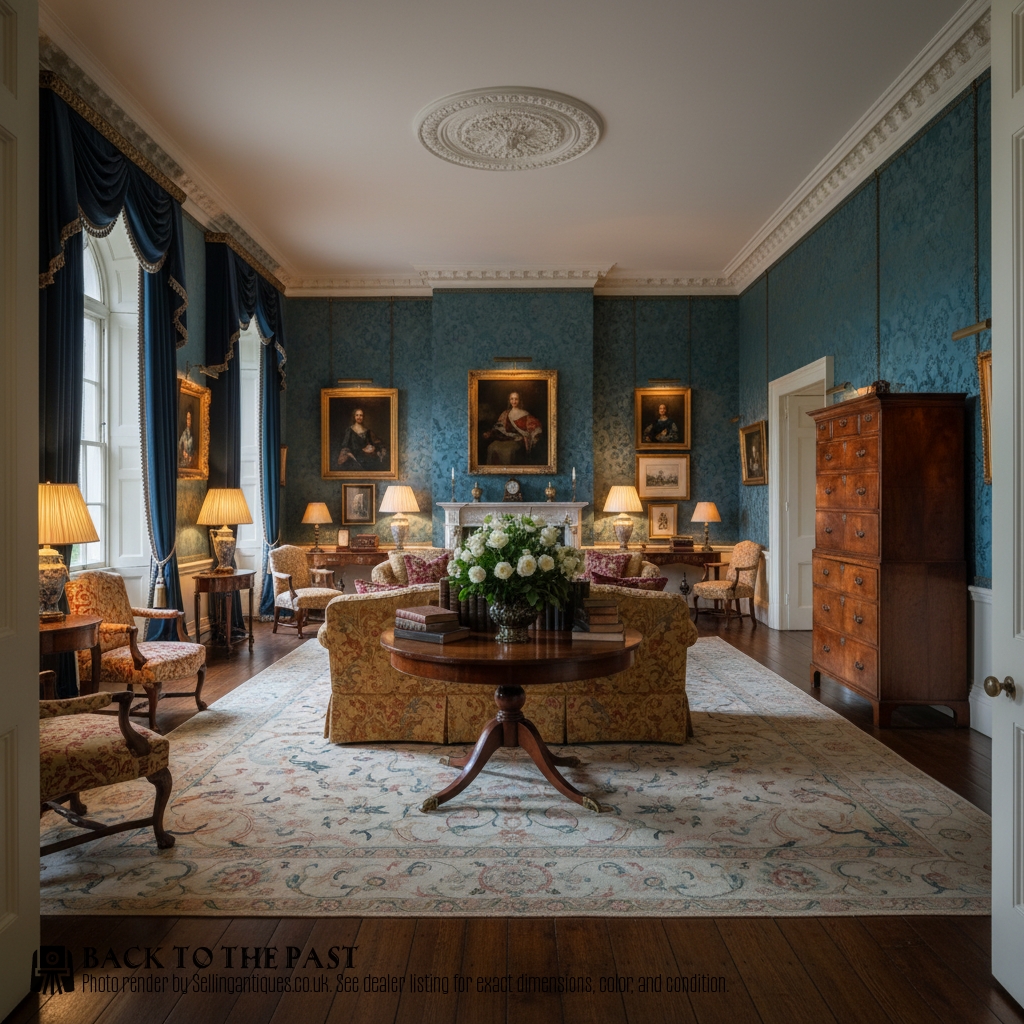
These tall chests suit living rooms, hallways, or bedrooms where vertical wall space allows the piece to anchor the room. Their rich timber tones pair well with traditional and neutral interiors.
Ensure placement avoids direct sunlight and dramatic humidity shifts to protect the fragile walnut veneers and polished surfaces.