

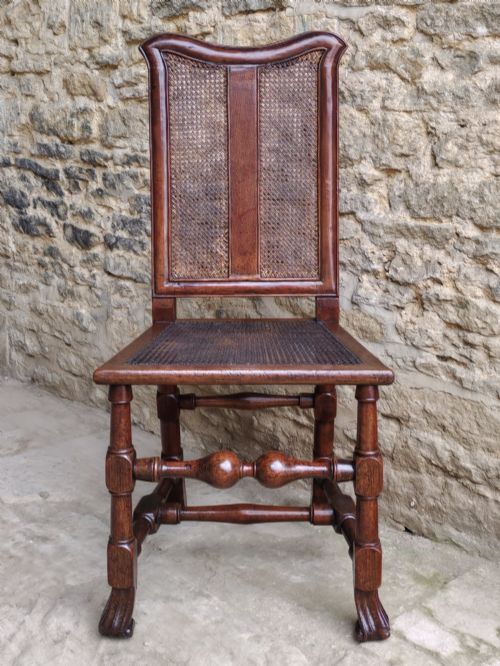
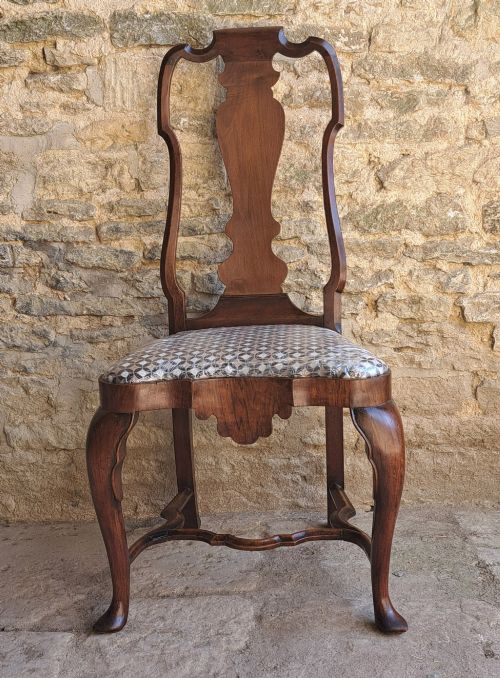
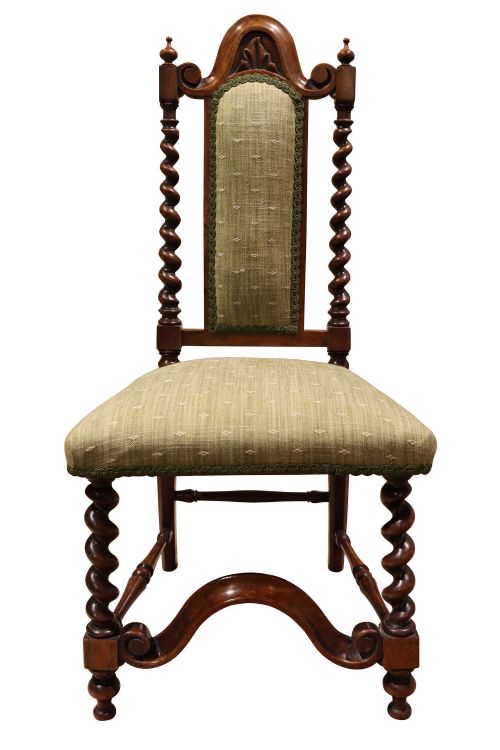
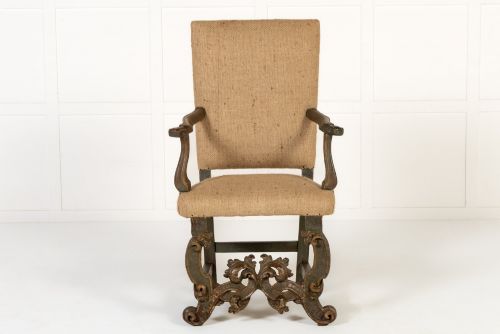
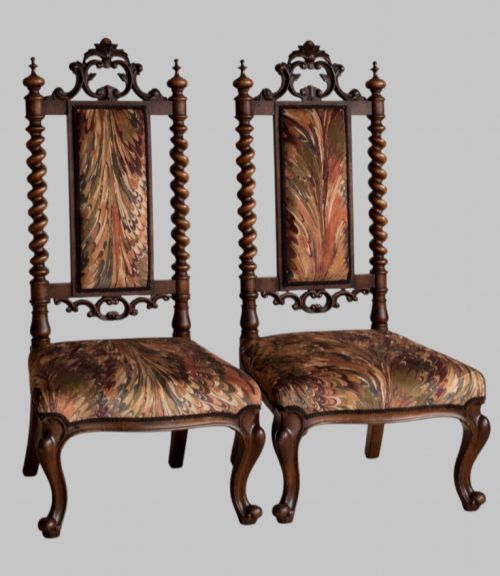


Walnut Hall Seat
A walnut hall seat offers a striking combination of dark timber and practical entry space, drawing the eye the moment you step inside.
Walnut Hall Seat
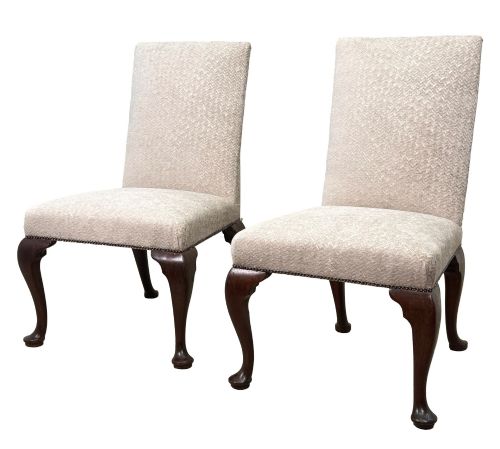
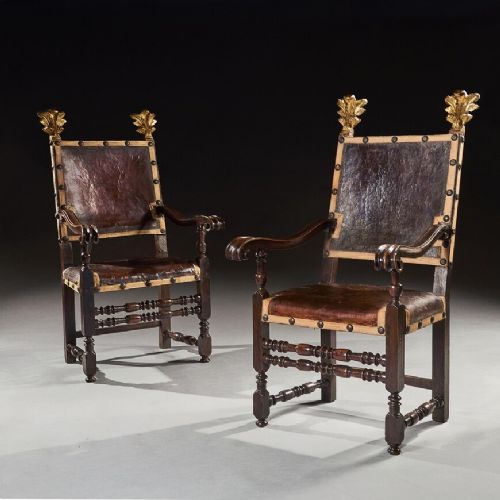
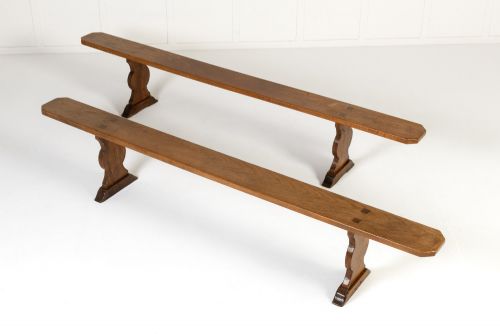
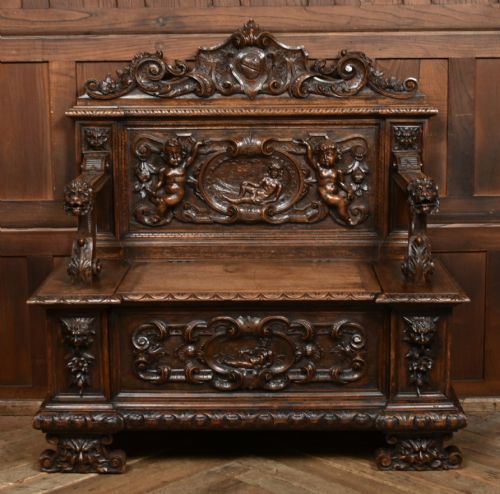
You meet pieces originating from English workshops, French ateliers, and Italian makers, crossing periods from the 17th century through the Victorian era and into the early 20th century. Styles range from restrained Georgian forms to ornate Renaissance Revival and Italian Baroque carvings.
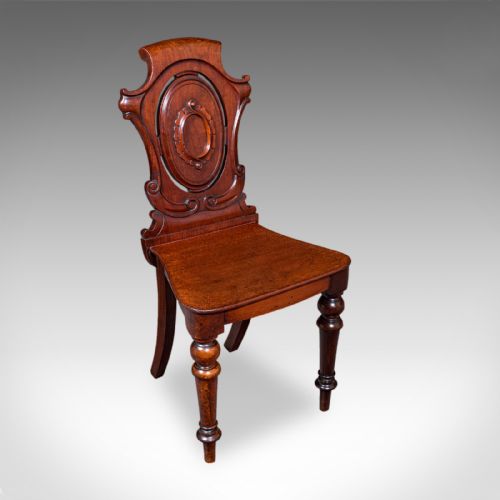
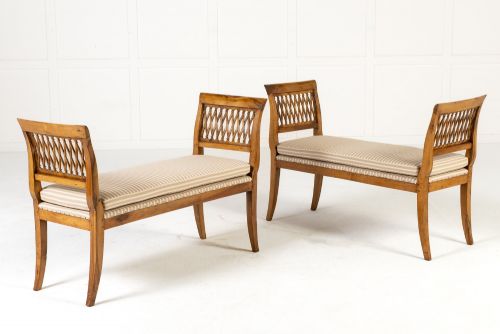
The layout often incorporates firm wooden panels, pierced splats, or upholstered pads covered in fabric, leather, or tapestry. These forms serve as functional seating and focal points in domestic halls.
How They Were Made
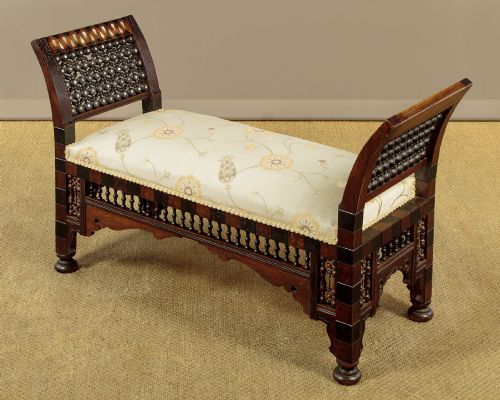
Cabinet makers worked primarily with walnut timber, selected for its dense grain and deep tone, frequently pairing the wood with secondary supports in brass and cane. Construction techniques include traditional joinery, carved detailing, and inlaid marquetry or pearl work.
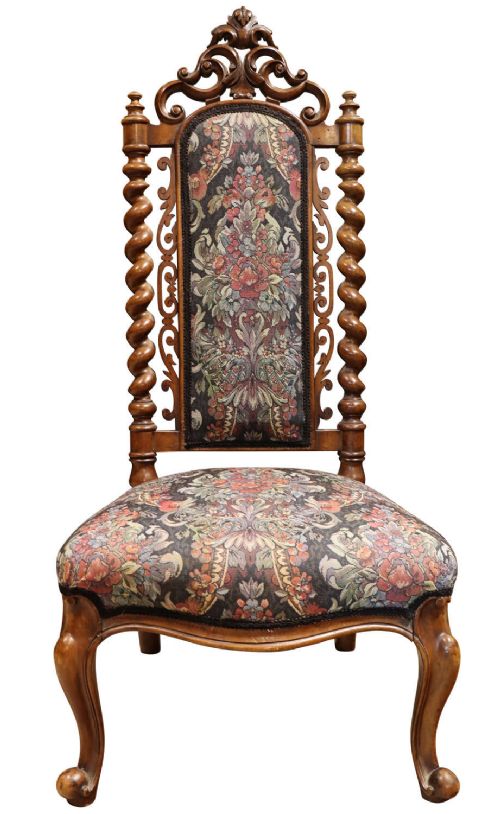
Upholstered versions relied on textiles such as needlepoint, tapestry, leather, rush, and linen fixed over internal padding. Structural elements often feature turned components like barley twist supports, fluted legs, and carved parcel-gilt highlights.
One exceptional piece incorporates a musical mechanism inside the woodwork, playing tunes while someone sits.
What Varies In Quality
The standard of a walnut hall seat rests on the depth of the carving and the precision of the timber joints. Pieces featuring hand-carved figural elements, crisp pierced splats, or intricate marquetry display superior craftsmanship compared to simpler production items.
The integrity of the walnut timber itself dictates the grade, alongside the authenticity of applied surface treatments like parcel-gilding or bone inlay. Original upholstery materials and period-appropriate textiles elevate the execution of the work.
Charles Tozer·Waring & Gillow·Shoolbred & Co
The Walnut Hall Seat Glossary
- Cassapanca
- An Italian wooden bench featuring a high back and arms, often incorporating a storage chest beneath the seat. This form combines seating with heavy architectural carving typical of continental interiors.
- Barley twist
- A turned wooden support resembling a twisted rope, common on the legs and stretchers of Victorian and 17th-century seating. This technique requires skilled lathe work to achieve uniform helical ridges.
- Marquetry
- The art of applying decorative veneer pieces to a structure to form geometric or pictorial designs. Makers used contrasting woods to create detailed patterns across the backrests and seats.
- Splat
- The vertical central strip of wood in the back of a chair, frequently shaped or pierced for decorative effect. Georgian examples often showcase refined pierced profiles.
- Window seat
- A long, upholstered or wooden bench designed originally to fit into the recess of a bay window. These pieces share forms with hall benches and reception seating.
Walnut Hall Seat: Frequently Asked Questions
What is a walnut hall seat used for?
A walnut hall seat provides a firm place to sit while putting on or removing shoes near an entrance. These pieces also serve as decorative display furniture in reception rooms and corridors.
The enclosed box versions, such as settles, additionally offer concealed storage space for household items. They function primarily as practical transit furniture for high-traffic zones.
How do I identify a Victorian walnut piece?
Victorian examples frequently display heavy carved walnut frames, dark polished surfaces, and turnings like barley twist supports. Upholstered variants often utilise tapestry, needlepoint, or deep-buttoned leather.
The construction tends to be robust, reflecting the heavy domestic requirements of 19th-century hallways. Makers of this era also drew inspiration from earlier Renaissance and Baroque styles.
Where should I place a window seat?
Window seats suit entryways, wide corridors, and bedrooms, matching their original architectural purpose of filling transitional spaces. Their long profiles fit against flat walls or beneath low windows.
Positioning them away from direct, strong sunlight helps protect the walnut timber and fabric coverings from fading. Adequate floor space allows the decorative carved details and armrests to remain visible.
Are Italian baroque chairs different from Georgian ones?
Italian Baroque designs incorporate dramatic carved walnut, parcel-gilding, and leather upholstery suited to grand palazzo interiors. They emphasise heavy ornamentation and figural motifs.
Georgian chairs focus on balanced proportions, clean lines, and refined details such as pierced splats. The distinction lies between continental theatricality and English restraint.