


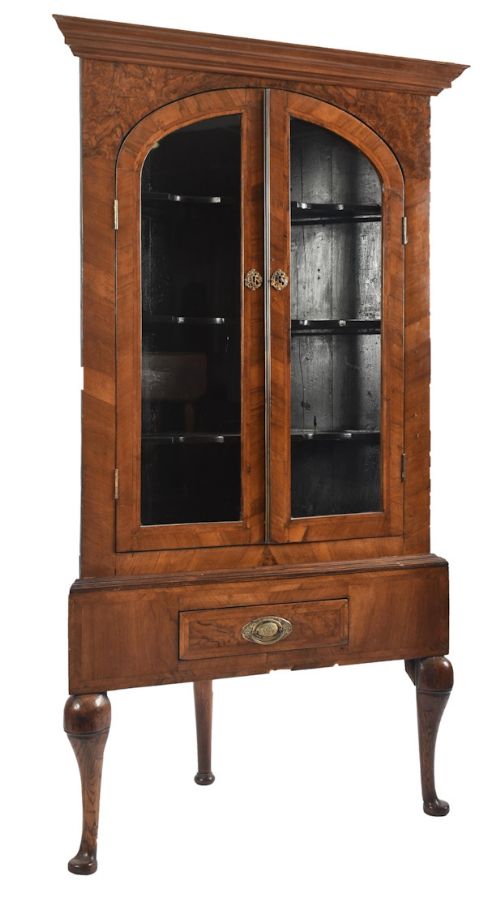

Walnut Glazed Standing Cupboard
A walnut glazed standing cupboard brings warmth and display space to a room, offering glazed doors to showcase books or collections while keeping contents secure.
Walnut Glazed Standing Cupboard
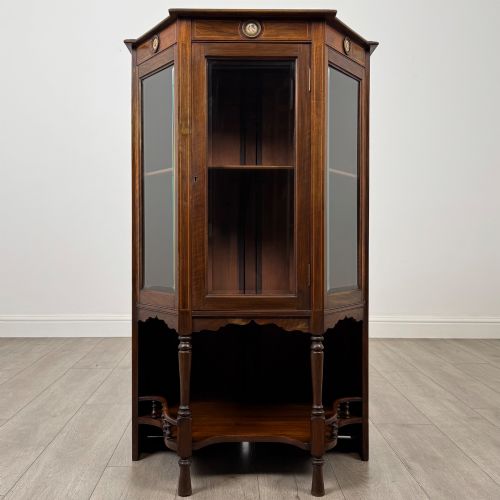
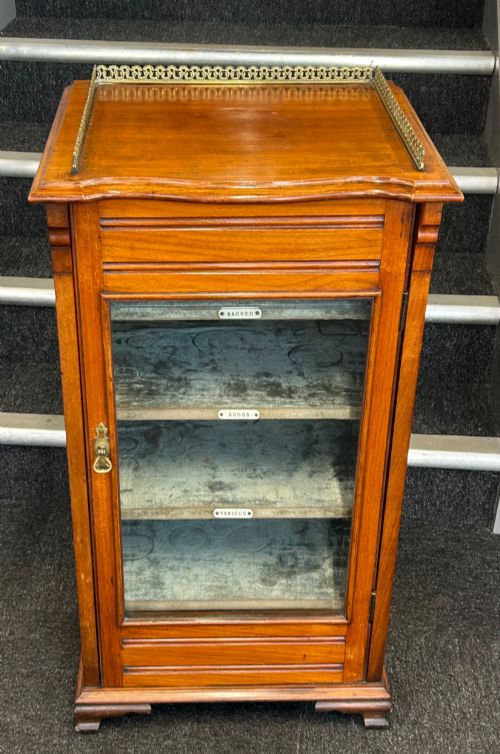
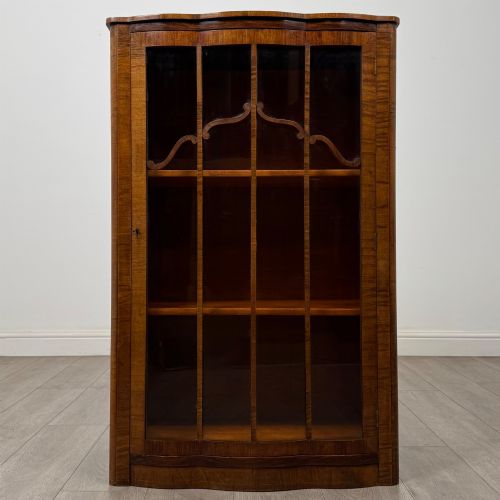
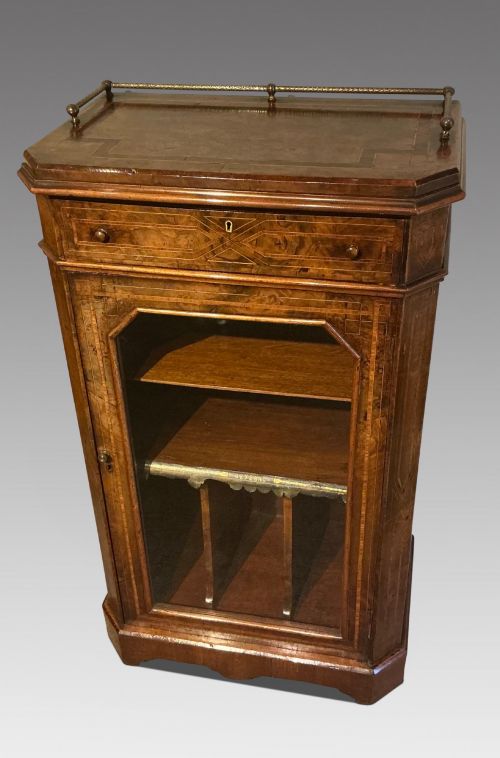
When you search for a walnut glazed standing cupboard, you encounter a variety of tall storage furniture, including corner cabinets, display cabinets, music cabinets, and bookcases spanning the 18th century to the early 20th century. These pieces stand independently on the floor, utilising vertical space to display and store possessions behind glass panels.
The selections on this page lean heavily toward Edwardian and Victorian examples, alongside 18th-century pieces reflecting Dutch Baroque and Queen Anne styles. Corner cabinets and music cabinets appear frequently among the listings, alongside two-part display cabinets and bookcases on stands.
Makers and craftsmen utilised forms ranging from compact corner cupboards designed to fit room angles to expansive glazed display cases. Each type serves a specific domestic function, whether housing sheet music, corner display items, or general household books and treasures.
Materials and construction methods
Makers relied primarily on walnut, frequently employing burr walnut, figured walnut, and black walnut veneers to create rich, patterned surfaces on the exterior panels. Secondary timbers such as oak and fruitwood occasionally appear in the internal structure and framing.
Glass panels are set into doors to allow visibility into the cabinet interior, while brass hardware such as hinges, escutcheons, and handles provides functional closure. Fabric linings occasionally feature within the display sections of specific cabinets to soften the background behind stored items.
Pianists once kept their sheet music safely stored inside specially partitioned walnut lounge servers.
Assessing quality in walnut furniture
The handling of the walnut timber dictates much of the visual merit, particularly where burr or figured veneers exhibit deliberate grain matching across the doors and facade. Superior examples display precise cabinetmaking in the joinery of cornices, glazing bars, and drawer linings.
Proportion and decorative restraint separate standard production from exceptional pieces, especially in revival pieces referencing Queen Anne or Dutch Baroque idioms. The integration of original glass, brass fittings, and stable structural carcases maintains the integrity of the antique.
The Walnut Glazed Standing Cupboard Glossary
- Burr walnut
- A figured wood grain obtained from tree growths, highly prized for its swirling patterns on cabinet doors.
- Glazed
- Fitted with glass panels in the doors to permit visibility of the interior shelves.
- Corner cabinet
- A standing cupboard built with an angled footprint designed to fit neatly into the corner of a room.
- Music cabinet
- A specialised standing piece containing shallow drawers or shelves originally designed to hold sheet music.
- Figured walnut
- Timber featuring distinctive, decorative grain patterns that occur naturally within the wood.
Walnut Glazed Standing Cupboard: Frequently Asked Questions
Where should I place a standing cupboard?
These cabinets suit living rooms, dining spaces, or hallways where vertical wall space permits a freestanding piece of furniture. Corner versions make efficient use of otherwise empty room angles.
Position the cabinet away from direct sunlight and heat sources to protect the walnut timber and veneer from drying out over time.
How do I clean walnut wood?
Dust the timber regularly with a soft, dry cloth to prevent particulate buildup on the polished surface. Avoid silicone-based polishes and excessive moisture.
Applying a traditional beeswax periodically helps maintain the lustre of the walnut finish without harming the historic surface.
Can these cabinets hold heavy books?
Many standing cupboards feature adjustable or fixed wooden shelving capable of supporting moderate loads of books or display items. Check the thickness and support of the interior shelves before loading heavy volumes.
Music cabinets and display units typically suit lighter objects rather than dense libraries.
How do I identify an 18th-century piece?
Eighteenth-century examples often exhibit specific stylistic markers such as Dutch Baroque marquetry or Queen Anne proportions, alongside hand-cut dovetails and older secondary timbers. Construction methods show hand tool marks rather than modern machine production.
Examine the hinges, locks, and glass for signs of period manufacture to confirm the age of the cupboard.