
Walnut French Chair
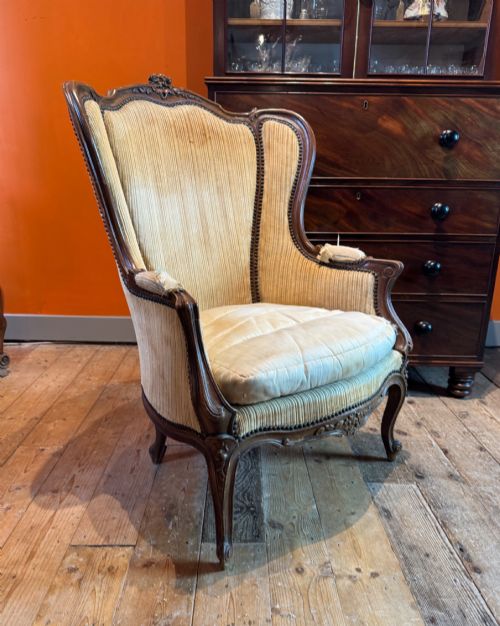
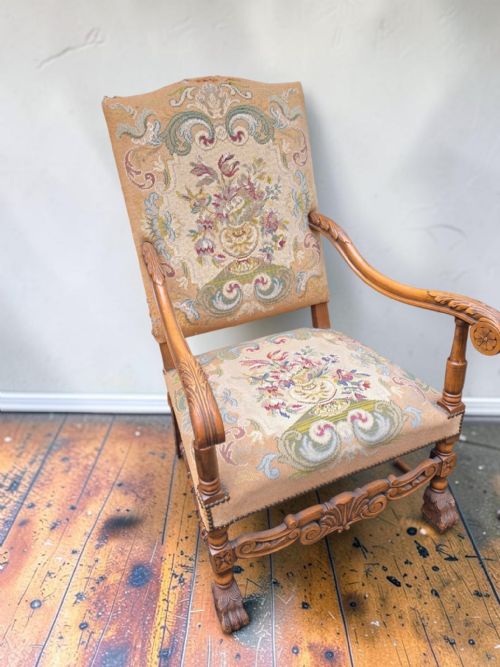
A walnut french chair brings warmth and carved detail into a room, offering a seat rooted in centuries of continental cabinet-making.
Walnut French Chair
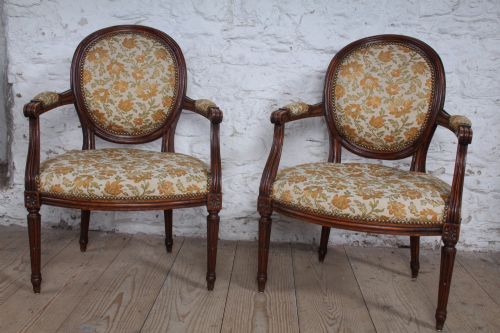
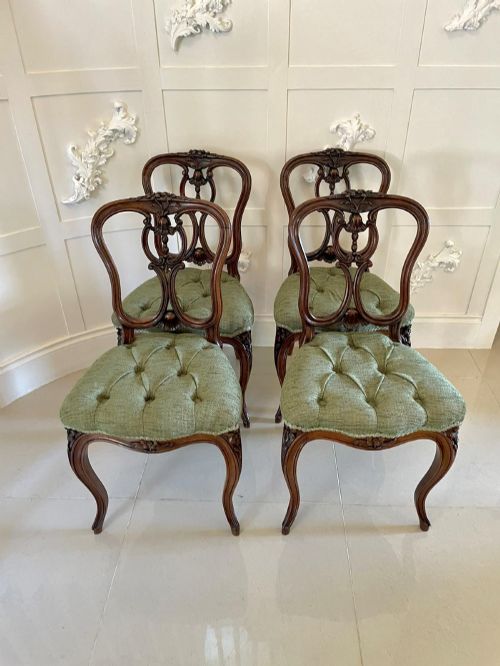
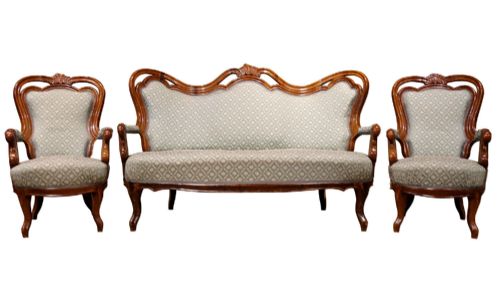
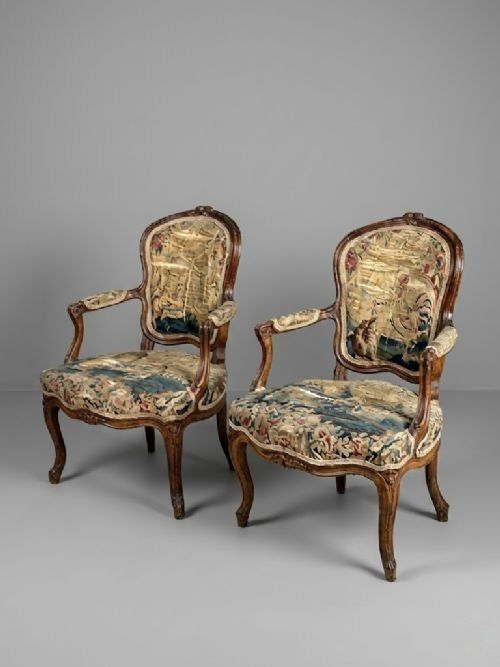
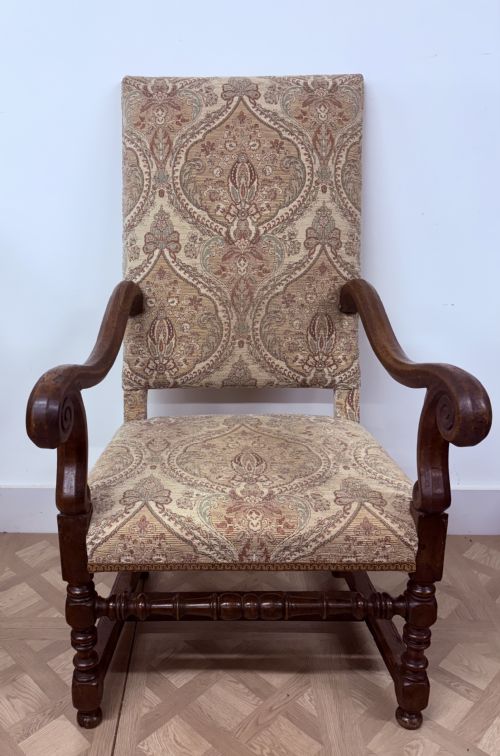
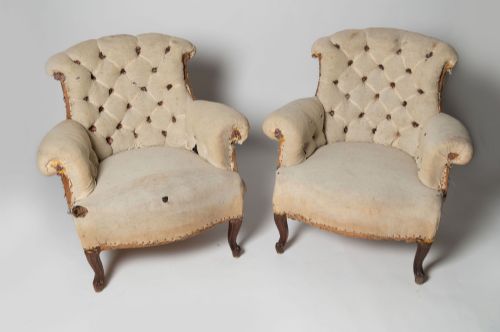
A walnut french chair encompasses seating ranging from compact side chairs and open armchairs to generous bergères and salon suites. The nineteenth century yields the highest volume of surviving examples, often channelling earlier court aesthetics through revival styles.
Makers drew on historic blueprints, producing pieces that function as practical seats while serving as decorative focal points in drawing rooms, bedrooms and studies.
How they were made
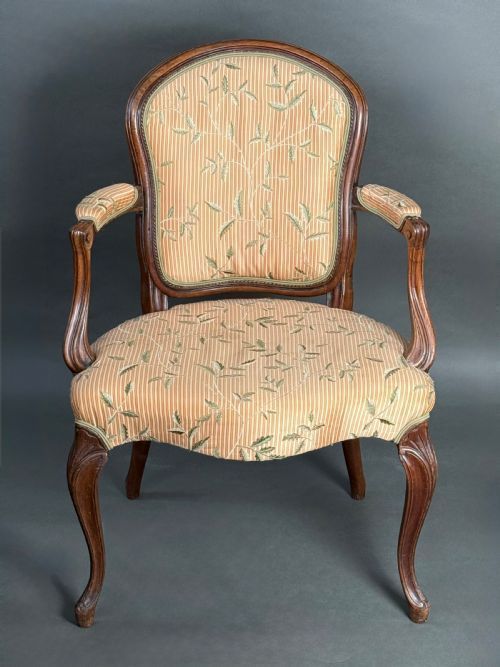
Frames rely predominantly on solid walnut, valued for its rich grain, structural stability and suitability for deep, curvilinear carving. Artisans shaped these timbers into cabriole legs and contoured backs using traditional joinery.
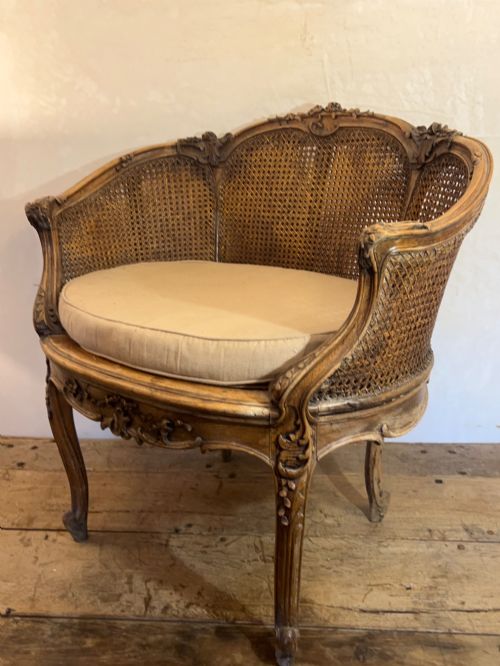
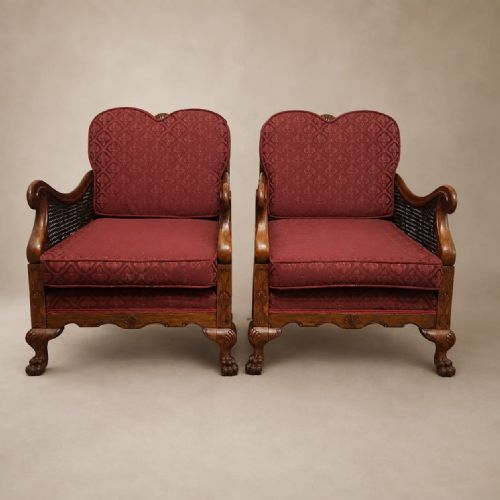
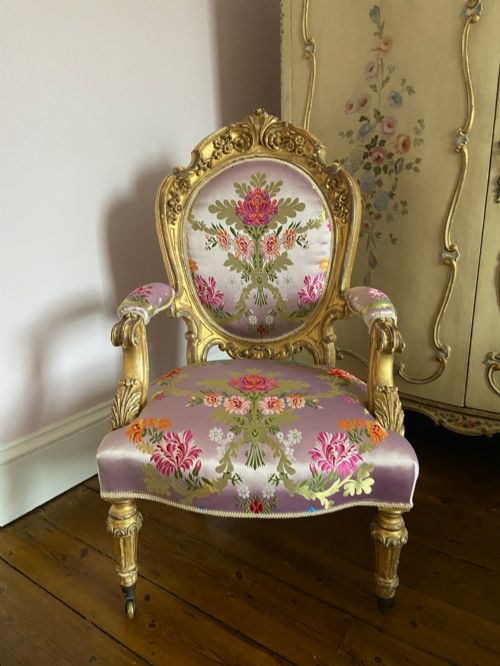
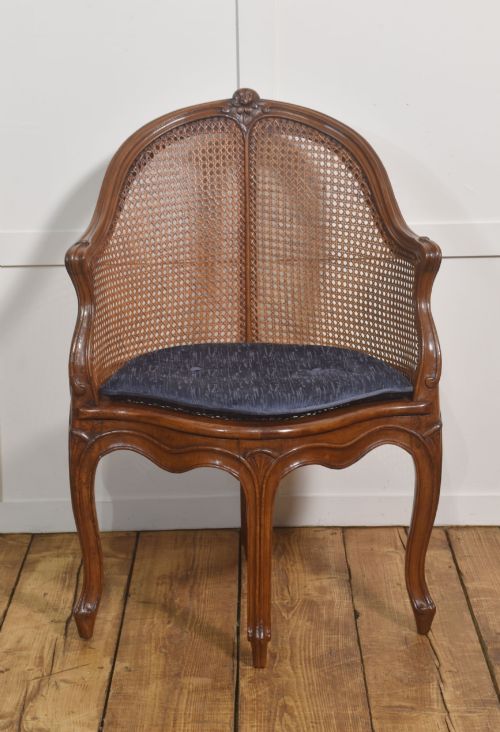
Upholstery relies on a mix of traditional textiles including silk, velvet, tapestry, needlework and leather, frequently secured with brass tacking. Caning appears on lighter frames, woven split cane panels providing resilient support for seats and backrests.
A porters chair wrapped in tartan brings unexpected Scottish wool flair to a French walnut frame.
What varies in quality
Quality reveals itself in the crispness and depth of the hand-carved ornamentation on the walnut frame, where fluid lines and detailed floral motifs distinguish master workshops from routine production. The choice of secondary woods and the integrity of the joinery beneath the upholstery dictate the structural longevity of the piece.
The choice of covering material tells its own story, with heavy silk damasks, antique tapestries and hand-stitched needlework indicating higher tiers of production or subsequent high-end restoration.
The Walnut French Chair Glossary
- Bergère
- An enclosed upholstered armchair with wooden framing and a solid or caned back and sides. This form gained popularity during the eighteenth century and remained a staple of French seating design.
- Cabriole leg
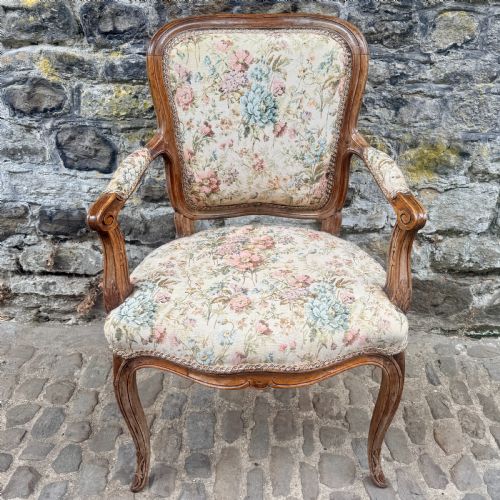
- A furniture leg that curves out and then in, mimicking an animal's leg in motion. It typically terminates in a scroll or pad foot.
- Fauteuil
- An open-arm armchair with exposed wooden armrests and upholstered elbow pads. The sides remain open beneath the padded armrests.
- Caning
- A method of weaving split rattan or cane through drilled holes in a wooden frame. It creates a lightweight, flexible panel for seats and backs.
- Tapestry
- A heavy, hand-woven textile featuring pictorial scenes or repeating patterns. It is frequently applied to grander salon seating.
Walnut French Chair: Frequently Asked Questions
How do I clean a caned seat?
Dust the caned panels gently with a soft brush or a dry cloth to prevent debris accumulation between the strands. Avoid using harsh liquid cleaners that can dry out and snap the natural fibres over time.
Occasionally dampen the cane with a slightly wet sponge to maintain its elasticity, allowing it to dry naturally in a well-ventilated room.
Are these chairs comfortable for daily use?
Many examples, particularly bergères and club chairs, offer deep, supportive cushioning designed for relaxation. Upholstered frames with sprung bases provide a forgiving sit suitable for evening reading or conversation.
Side chairs and salon seating, by contrast, prioritise upright posture and decorative presence over deep lounging comfort.
How do I date a carved walnut frame?
Examine the tool marks and the style of the carving, as nineteenth-century revivals often display machine-assisted precision compared to eighteenth-century hand execution. The patination of the walnut itself, along with the construction of the underlying frame joints, provides further clues to age.
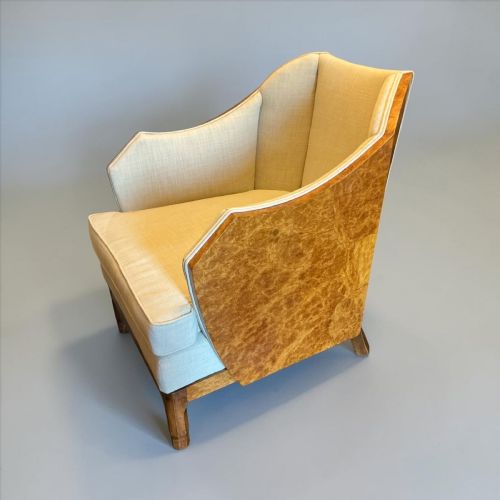
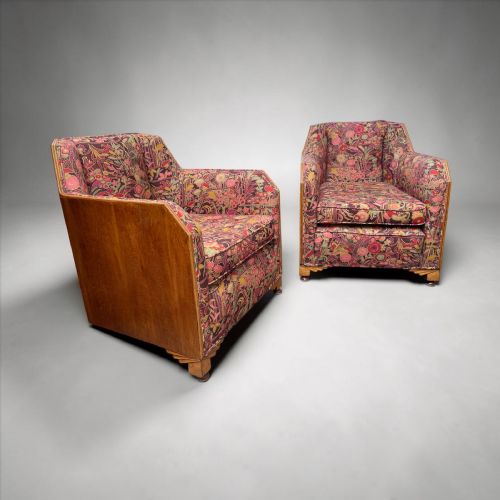
Changes in stylistic preferences, such as the shift from Rococo curves to Art Deco geometry, anchor pieces within specific decades.
Can I mix different revival styles together?
Combining pieces from different periods, such as pairing a Louis XV style armchair with an Art Deco side chair, adds layered character to an interior. The shared use of walnut timber helps bridge variations in silhouette and ornamentation across eras.
Keeping scale and wood tone in mind ensures disparate seating choices converse harmoniously within the same room.