




Walnut Footstool Bench
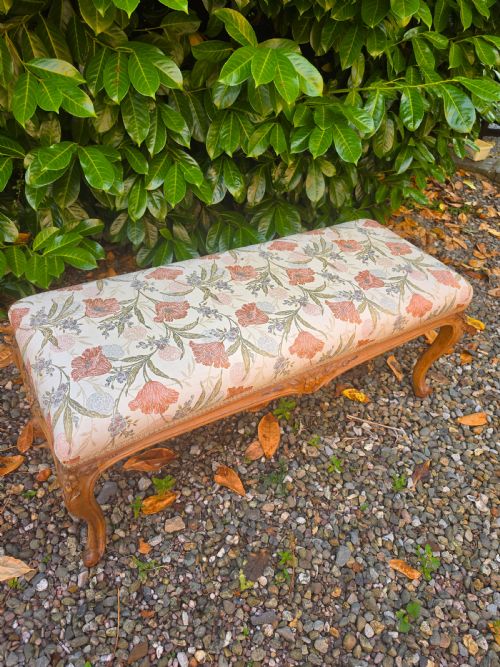
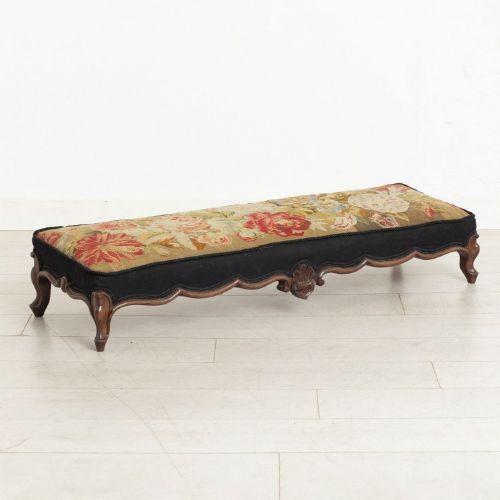
A walnut footstool bench brings warmth and solid timber framing to a room, offering versatile seating or a low surface.
Walnut Footstool Bench
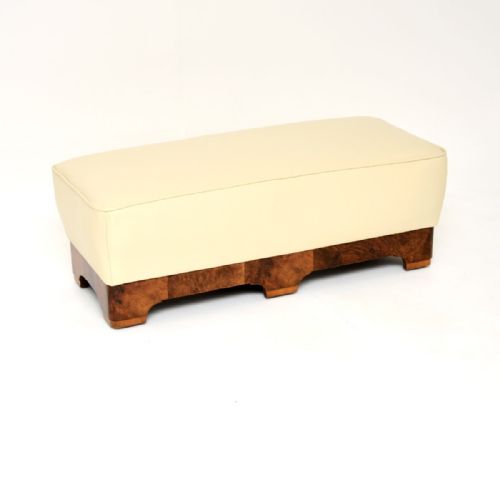
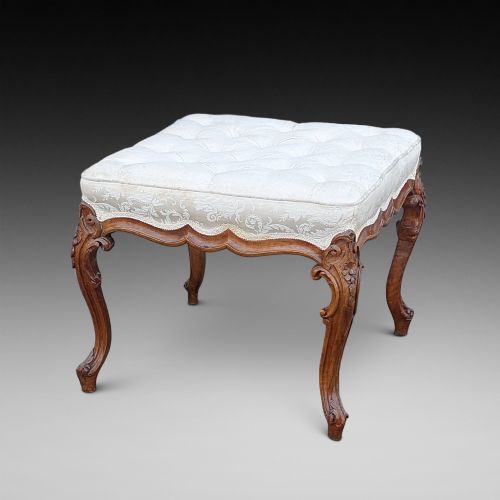
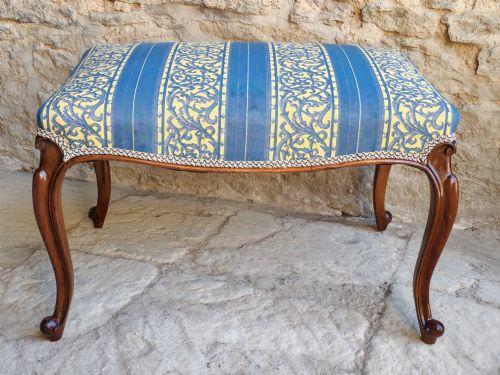
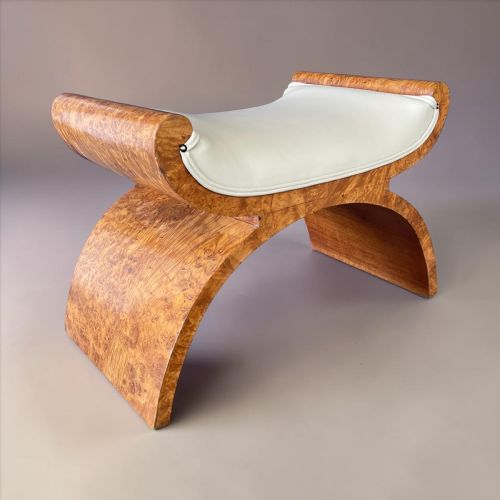
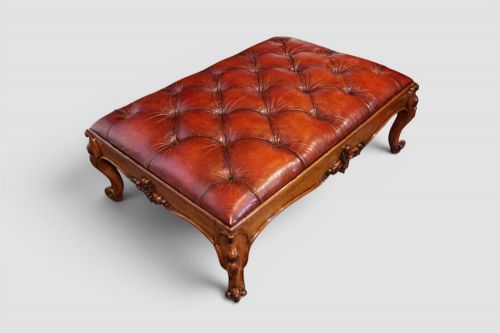
A walnut footstool bench combines sturdy hardwood construction with upholstered surfaces designed for resting feet or sitting near dressing tables. Pieces matching a walnut footstool bench often appear in nineteenth century Victorian styles or Art Deco designs from nineteen thirty.
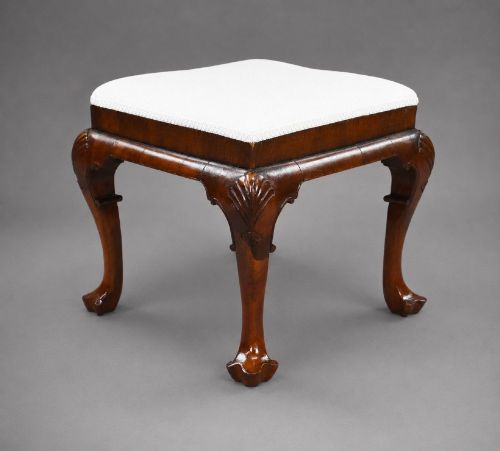
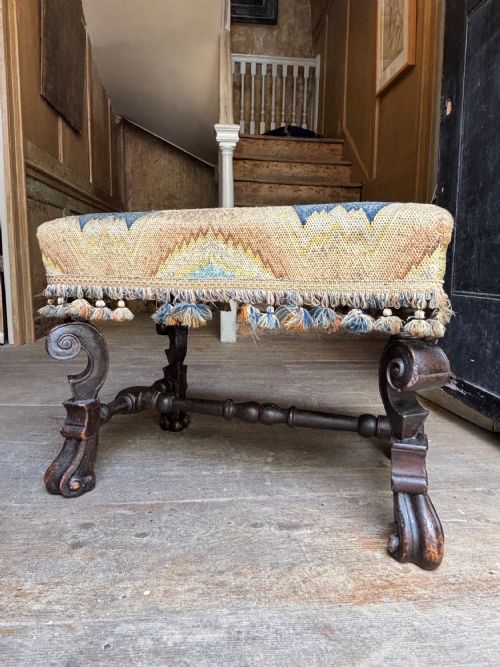
Makers shaped these walnut frames into low stools, window seats, and long fender stools for domestic interiors. The forms span revival movements like Queen Anne, Carolean, and George I alongside practical dressing and piano stool variants.
Distinguishing quality across examples
Depth of timber carving and the choice between plain walnut and highly figured burr walnut set individual pieces apart. Well-drawn proportions in the legs and frame determine the overall visual balance of the seating.
The integrity of the frame construction and the fidelity of revival styles, whether referencing seventeenth century baroque or eighteenth century Georgian forms, dictate the standing of a piece.
Certain nineteenth century walnut window seats feature carved hunting dog heads on their X-frame terminals.
Harry and Lou Epstein·Morris and Co
The Walnut Footstool Bench Glossary
- Cabriole leg
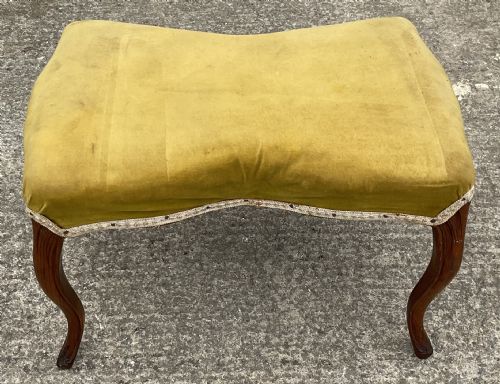
- A furniture leg that curves outward and then tapers inward, mimicking an animal shape. This profile appears frequently on Victorian and Queen Anne style walnut frames.
- Fender stool
- A long, low seat designed to sit near a hearth or fireplace. These narrow benches allow comfortable proximity to warmth.
- Burr walnut
- Wood taken from walnut tree growths that produces intricate, swirling grain patterns. Cabinet makers utilised this veneer for decorative surfaces on Art Deco pieces.
- X frame
- A structural base formed by two crossed diagonal supports creating an intersecting shape. This design provides robust support for window seats and salon stools.
- Needle point
- Stitched canvas embroidery utilised as a decorative upholstery covering. This textile finish often appears on nineteenth century dressing table stools.
Walnut Footstool Bench: Frequently Asked Questions
What distinguishes a fender stool?
A fender stool is exceptionally long and narrow, designed specifically to sit directly in front of a fireplace hearth.
These pieces allowed occupants to sit close to the fire while keeping clear of the metal fire guard or fender.
How are piano stools different?
Piano stools are built to accommodate musicians at keyboard instruments, frequently incorporating adjustable heights or internal storage compartments beneath the seat.
They share the same walnut framing materials as standard footstools but serve a dedicated functional purpose.
Where were window seats placed?
Window seats were positioned in deep window recesses to create comfortable spots for reading or looking outside.
These upholstered benches often featured decorative carving on the frame to complement the surrounding room architecture.
How do I identify Art Deco pieces?
Art Deco walnut stools from the nineteen thirties favor smooth surfaces, burr walnut veneers, and clean leather upholstery rather than heavy nineteenth century carvings.
Their geometric simplicity separates them visually from earlier Victorian or revival designs.