




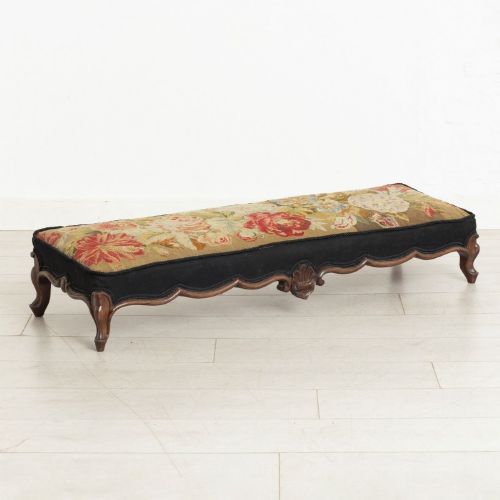


Walnut Floral Footstool
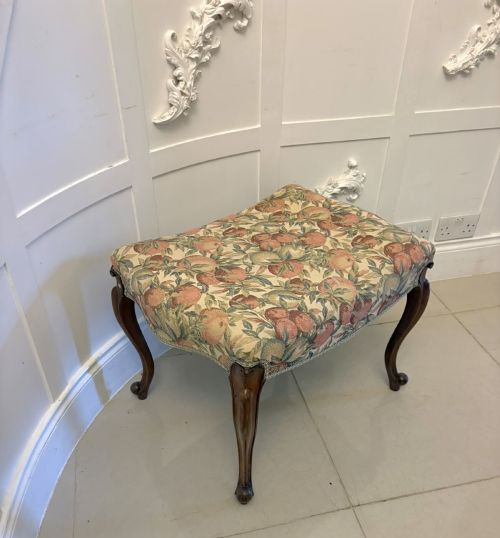
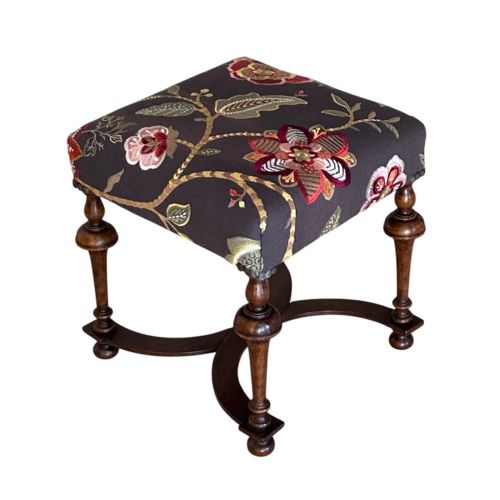
A walnut floral footstool offers a touch of period charm, bringing rich timber frames and intricate textile tops together by the fireside or dressing table.
Walnut Floral Footstool
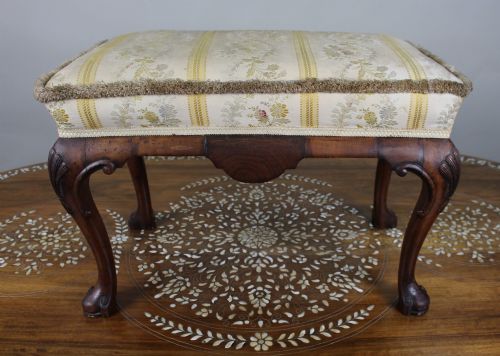
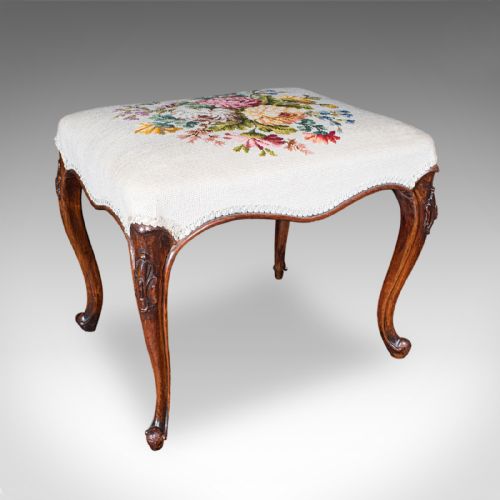
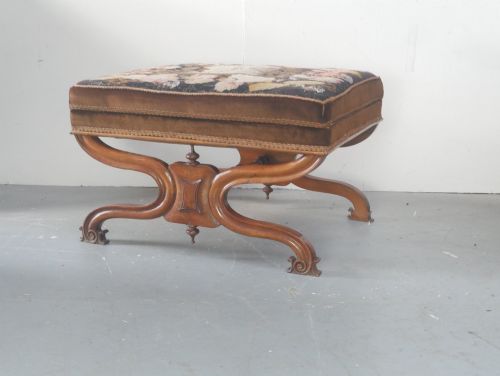
A walnut floral footstool brings together traditional timber frames and patterned textile upholstery. When you search for a walnut floral footstool, you encounter pieces spanning from the eighteenth century through to the twentieth century, with nineteenth-century Victorian examples appearing most frequently.
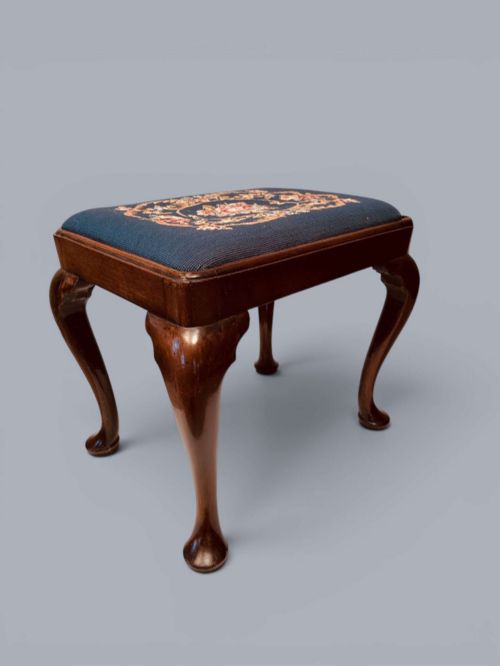
The selection ranges from low dressing table stools to larger fireside and centre pieces. Stylistic revivals run strong, with Queen Anne and William and Mary designs appearing across various decades alongside nineteenth-century interpretations.
Materials and Construction
Makers shaped the structural frames from walnut, sometimes incorporating carved details, brass accents, or twisted rope legs. Timber sections provide sturdy support for the upholstered top components.
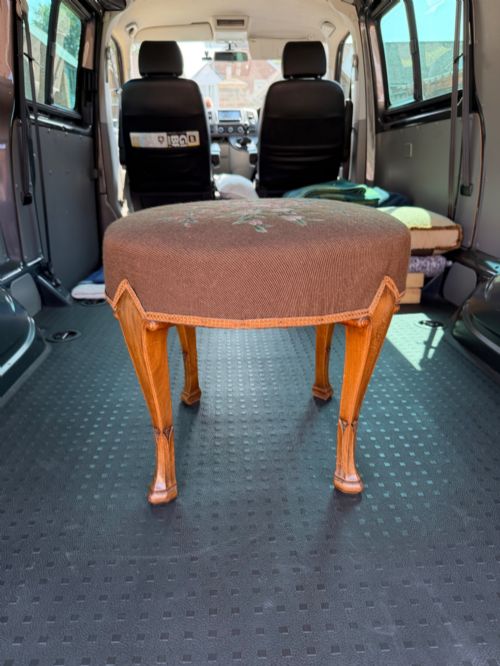
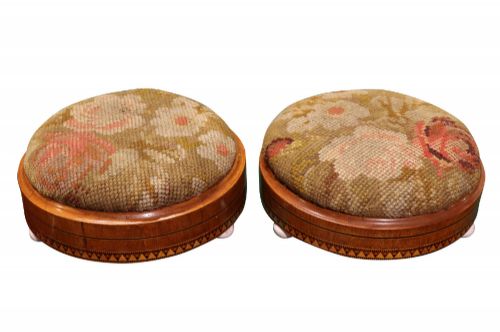
Seats feature textiles such as needlepoint, tapestry, velvet, wool, and fabric. These covers are secured over padding, with some pieces retaining original fabric while others feature new or restored upholstery.
Walnut Floral Footstool Retail Price Guide 2026
Typical asking prices for walnut floral footstool among the pieces listed under this phrase on Sellingantiques today, from the lower quarter to the upper quarter. They describe what is for sale here now, not the wider market.
Listings demonstrate a strong presence of Victorian walnut framing alongside eighteenth-century revival styles and twentieth-century needlepoint upholstery.
Craftsmanship and Proportion
Finely turned legs, crisp wood carving, and robust joinery distinguish the superior frames from simpler commercial output. Timber selection also plays a part, with rich grain patterns elevating the presence of the base.
The needlework and tapestry covers demand skilled handwork, where tight stitching and harmonious colour palettes set the better textile examples apart. Proportion between the wooden frame and the upholstered seat dictates the overall balance of the piece.
The Walnut Floral Footstool Glossary
- Cabriole leg
- A furniture leg that curves out and then in, resembling an animal's curving leg. This form appears frequently on eighteenth-century and revival stools.
- Needlepoint
- A type of canvas work embroidery used for decorative upholstery. It provides the floral and pictorial patterns seen on many stool tops.
- Tapestry
- A thick textile woven with decorative designs, often utilised for seat covers. It adds warmth and texture to the top of the stool.
- Victorian
- Pertaining to the reign of Queen Victoria, spanning the mid-to-late nineteenth century. Pieces from this era often feature heavy walnut framing and elaborate carving.
- Queen Anne style
- A design movement characterised by curved lines, cabriole legs, and understated elegance. This style saw revivals well into the twentieth century.
Walnut Floral Footstool: Frequently Asked Questions
Where were these stools used?
These stools served practical purposes in various rooms throughout the home. They were positioned beside dressing tables for seating or placed near fireplaces to rest weary feet.
Larger variations functioned as centre stools or benches within principal reception rooms. Their compact size allowed them to move easily from one living space to another.
How do I care for the upholstery?
Needlepoint and tapestry seats require gentle treatment to preserve the delicate wool and fabric threads. Regular light brushing helps remove surface dust without disturbing the fibres.
Direct sunlight should be avoided to prevent the textile colours from fading over time. Professional cleaning is recommended for antique fabrics to maintain the integrity of the original materials.
Are the fabric covers original?
Many surviving stools have undergone reupholstery over the decades due to natural wear and tear. Some pieces retain their original period needlework or tapestry covers.
Listings often specify whether the textile is a period survivor or a replacement. Restored pieces frequently feature newly applied covers that respect historical styles.