
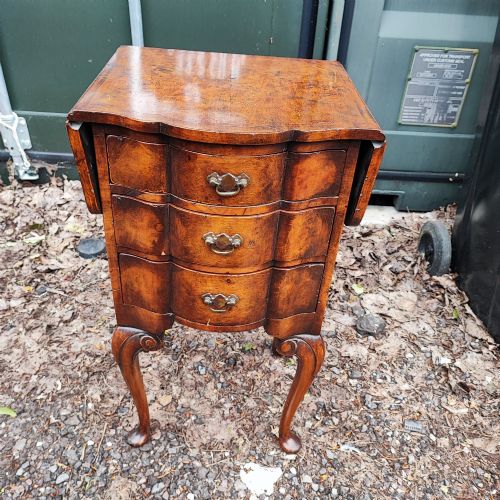


Walnut Drop Flap Table
A walnut drop flap table offers a neat folding surface, moving easily from a compact side piece to a generous dining or writing top.
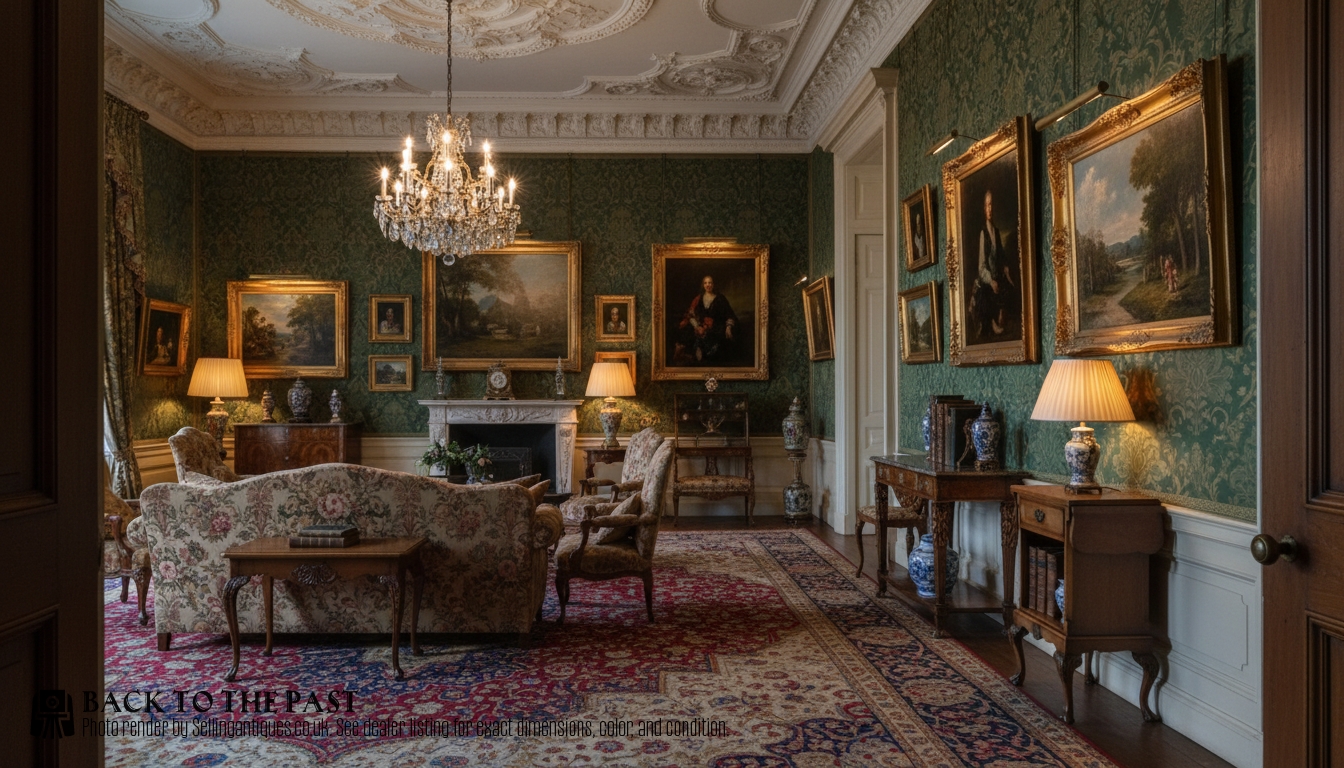
Walnut Drop Flap Table
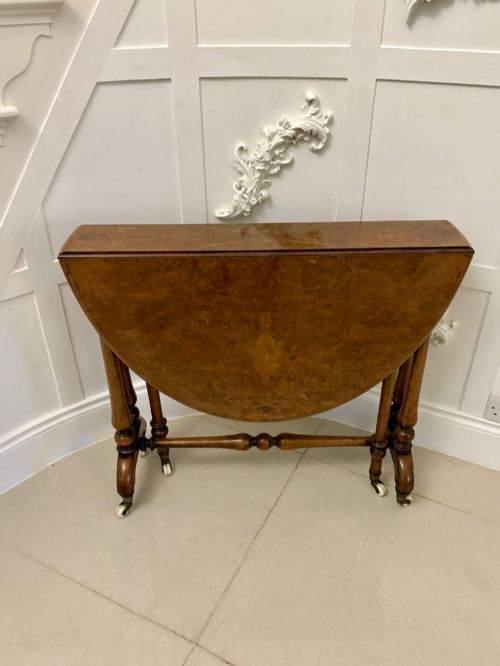
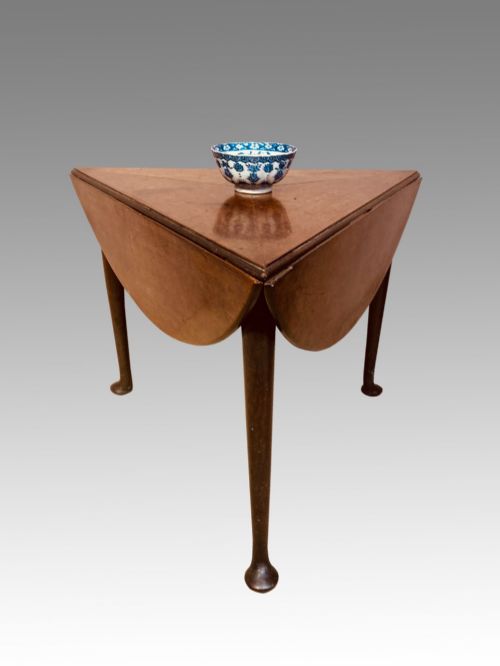
A walnut drop flap table provides a flexible surface with hinged leaves that lower when space is tight and lift when needed. These practical pieces appear across several distinct periods, ranging from seventeenth-century gateleg forms to nineteenth-century Sutherland and sofa tables.
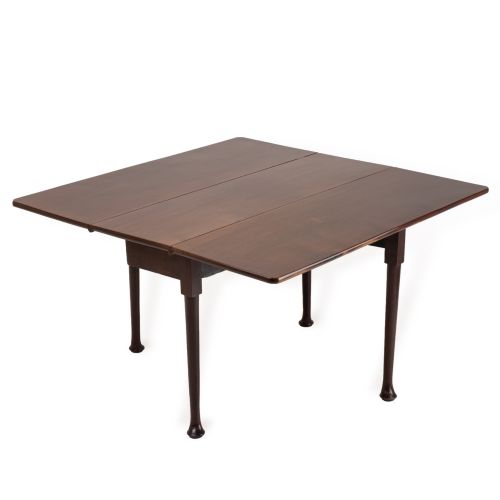
Buyers seeking this form will frequently encounter Victorian examples alongside eighteenth-century Georgian designs. The selection spans various utilitarian forms including occasional tables, side tables, dining tables, and compact bedside units.
Origins stretch from early English workshops to continental makers utilising rich timbers and marquetry inlay. Each piece reflects the domestic requirements of its era, balancing movable leaves with sturdy timber frames.
How they were made
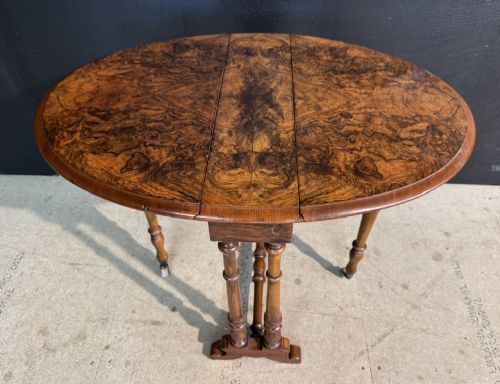
Cabinet makers utilised solid timber alongside figured veneers such as burr walnut to create patterned surfaces on the tops and leaves. Brass hinges and fittings secure the dropping flaps to the main frame, allowing smooth movement while maintaining structural integrity.
Underframes often rely on sturdy gateleg actions or pillar supports to bear the weight of the extended leaves. Marquetry inlay appears on select continental and English surfaces, adding decorative contrast to the warm brown tones of the wood.
Miniature Sutherland tables exist, proving that Victorians loved tiny folding furniture just as much as full-sized hospitality.
What varies in quality
The choice of timber grain fundamentally distinguishes everyday pieces from finer examples, particularly where richly figured burr walnut or select red walnut is employed. The crispness of the cabinet work and the precision of the hinge placement dictate how cleanly the leaves drop and align with the central top.
Proportion and structural balance separate simpler utilitarian tables from sophisticated architectural commissions across different centuries. Finer execution shows in the seamless integration of drop flaps and the stability of the support mechanism under load.
The Walnut Drop Flap Table Glossary
- Drop flap
- A hinged leaf attached to a table top that lowers when not in use. This mechanism maximises floor space in smaller rooms.
- Sutherland table
- A narrow drop-leaf table with exceptionally slender leaves and a low-slung underframe. The design became popular during the Victorian period.
- Gateleg table
- A table with legs hinged to swing outwards and support the dropping leaves. This ancient construction provides robust support for dining surfaces.
- Burr walnut
- A specialised timber cut from walnut tree growths, prized for its swirling, highly figured grain patterns. Cabinet makers utilised veneers of this material on prominent surfaces.
- Marquetry inlay
- Decorative patterns formed by fitting contrasting veneers into prepared recesses on a wooden background. This technique decorates the top surfaces of select tables.
Walnut Drop Flap Table: Frequently Asked Questions
How do I use a drop flap table in a small room?
Drop both leaves against the central base to push the table flat against a wall as a console or side unit. Lift one or both flaps when you require an expanded surface for dining or writing.
The folding action makes these tables adaptable for rooms where permanent furniture footprint must remain minimal.
How can I tell an eighteenth-century table from a Victorian one?
Eighteenth-century examples frequently exhibit simpler structural forms like early red walnut or oak-lined gatelegs with rich patination. Victorian pieces often showcase highly figured burr walnut veneers and slender Sutherland frames.
Examining the construction methods and timber preparation helps determine the period of origin.
Can I use a walnut drop flap table for daily dining?
Many larger drop flap and gateleg tables were originally built for dining and remain entirely sturdy for everyday meals. Lighter occasional or Sutherland variants suit decorative display or occasional writing better than heavy family dining.
Check the stability of the leg supports and hinges before committing a table to regular dining use.