
Walnut Display Shelving Unit
A walnut display shelving unit brings warm timber tones and open storage to any room.
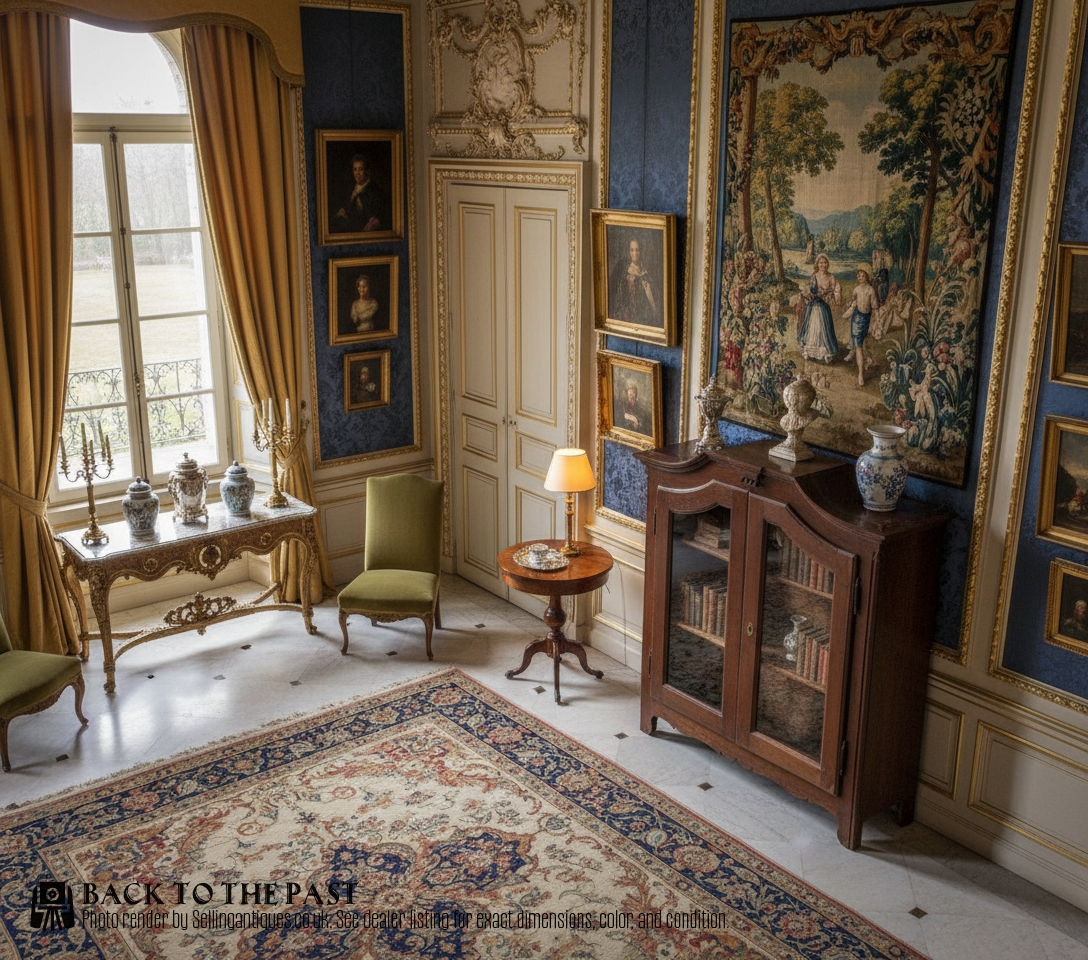
Walnut Display Shelving Unit
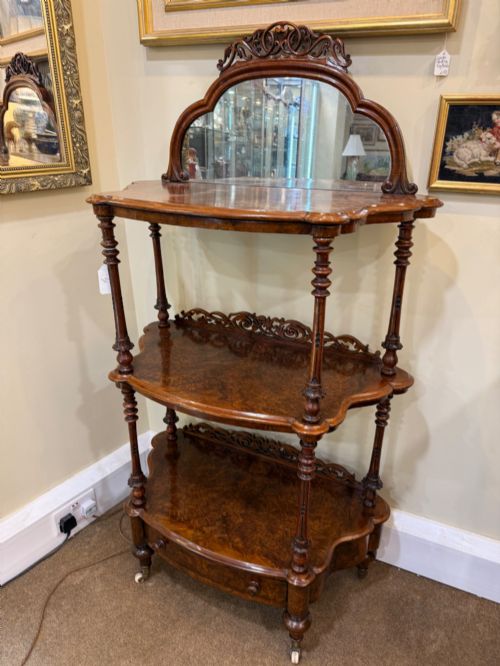
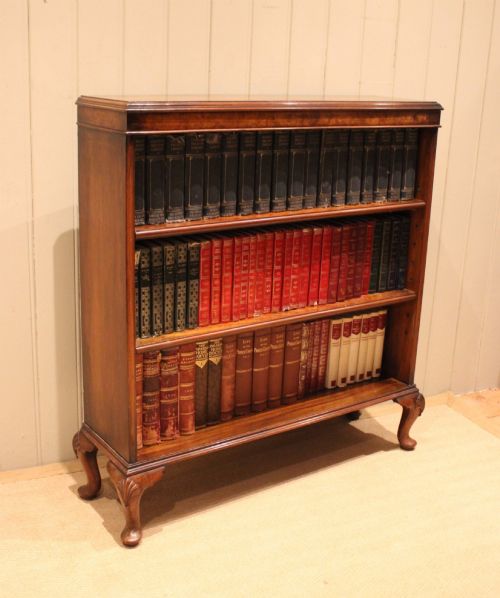
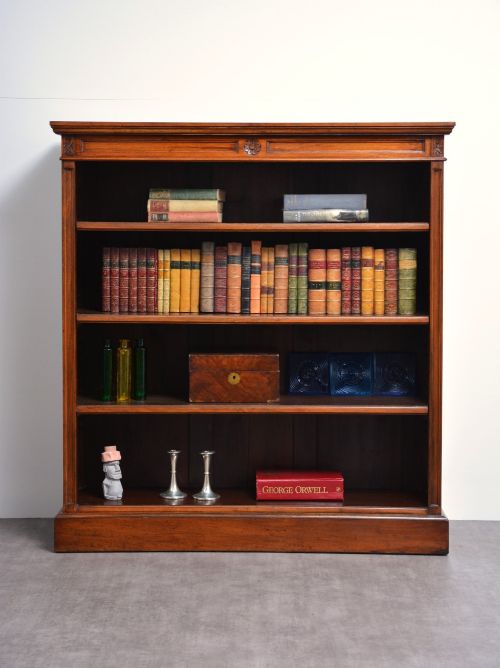
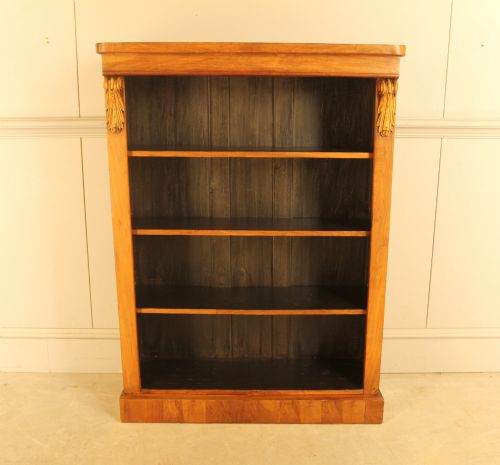
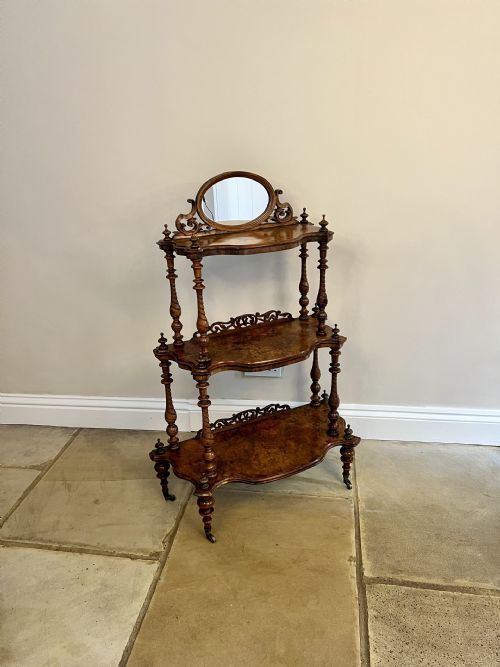
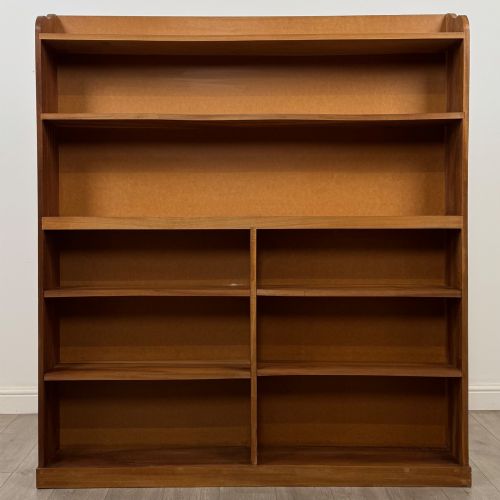
A walnut display shelving unit covers an array of open storage forms designed to exhibit books and decorative objects. Buyers searching for a walnut display shelving unit encounter open bookcases, multi-tiered whatnots, etageres, and wall shelves.
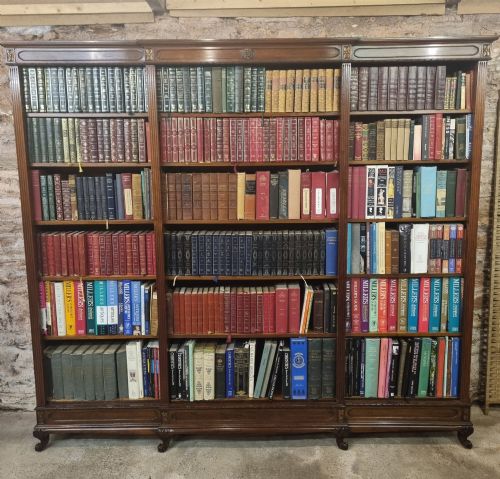
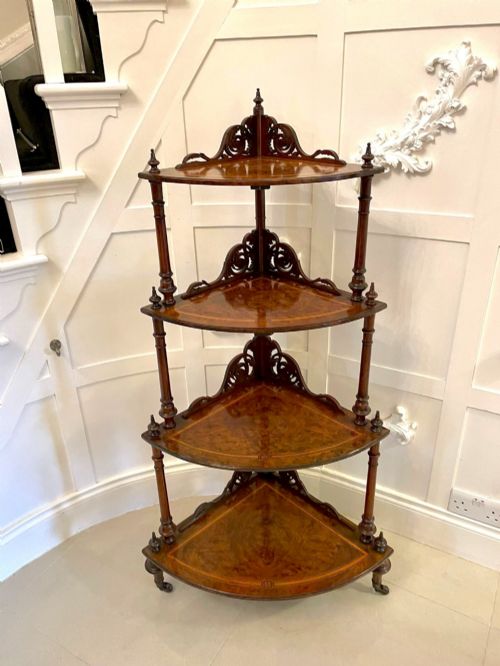
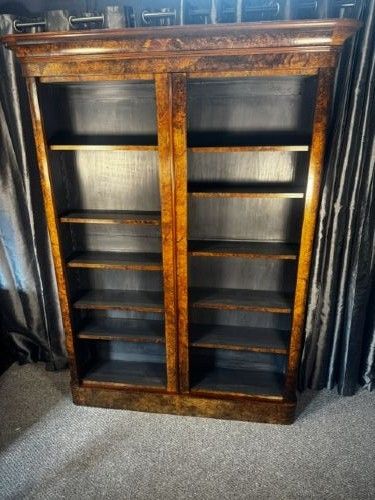
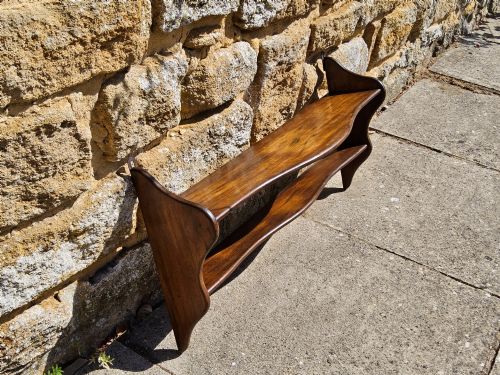
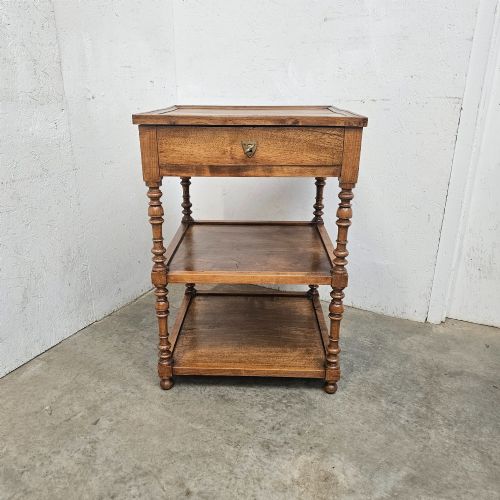
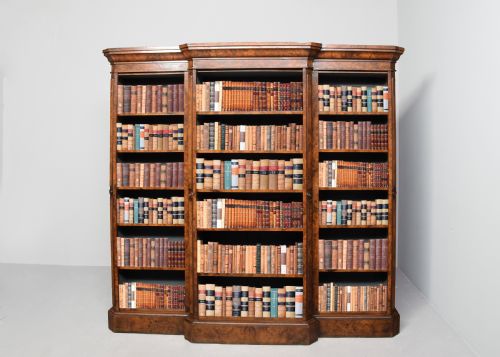
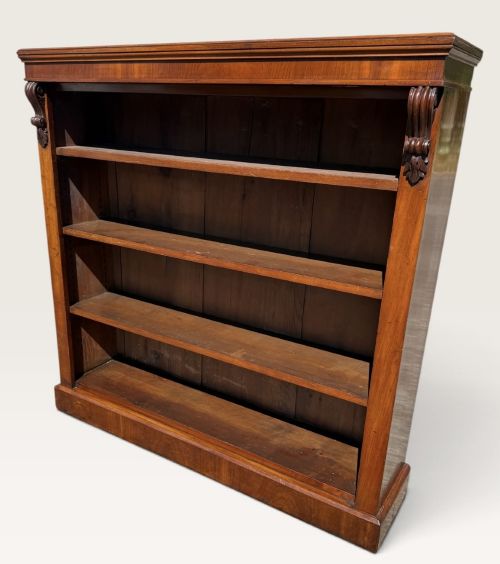
The pieces appearing on this page span the nineteenth century through the art deco era, with Victorian examples and burr walnut finishes forming the core of the selection. Formats range from tall breakfront bookcases to diminutive corner whatnots and hanging wall cabinets.
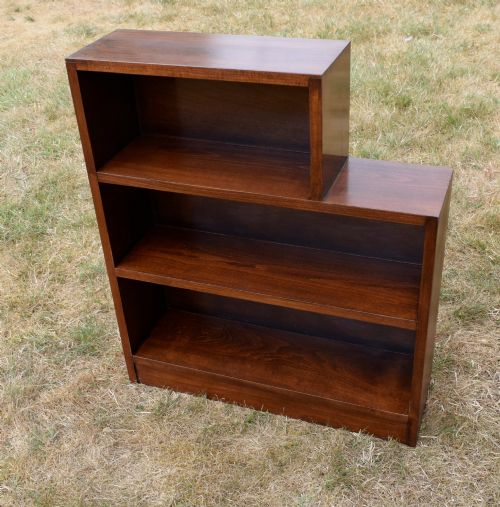
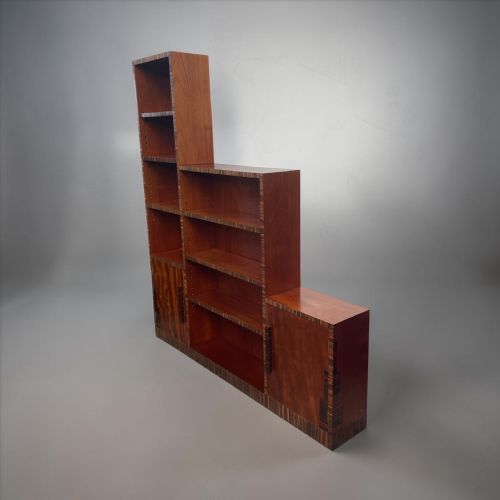
Makers and designers from various periods utilised these open configurations to combine practical book storage with display space for ornaments. Examples stretch from simple nineteenth-century wall shelves to elaborate stepped art deco designs.
Materials and construction methods
Cabinet makers relied primarily on walnut and highly figured burr walnut, often applied as veneers over secondary timbers such as pine and hardwood. Brass hardware, glass panels, and turned wooden legs appear across the listings to accent the primary timber.
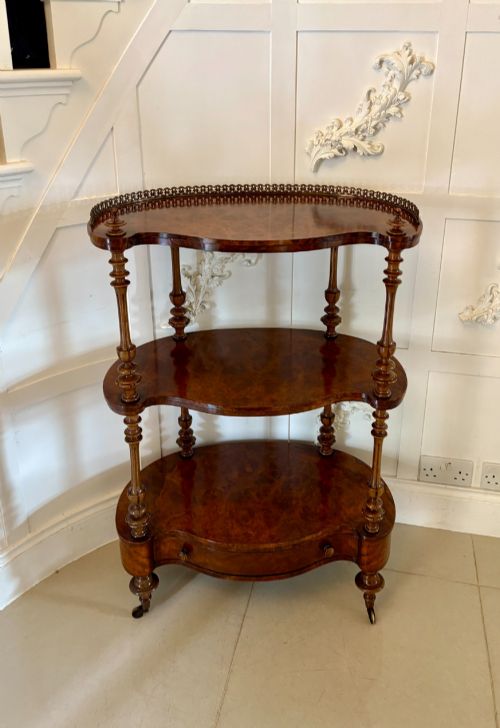
Construction techniques involve internal adjustable shelving systems, multi-tiered stacked platforms supported by turned columns, and serpentine-shaped facades. Artisans matched veneer grains symmetrically to create decorative patterns on the main display surfaces.
Keep your walnut display shelving unit away from direct sunlight, unless you enjoy watching your timber slowly acquire a deeper tan.
Quality factors in walnut shelving
The distinction between standard pieces and top-tier examples lies in the selection of the timber and the complexity of the silhouette. Finely figured burr walnut veneers, serpentine shapes, and breakfront configurations denote superior craftsmanship.
Proportion and scale also separate the ordinary from the exceptional, particularly in matched pairs of whatnots or large multi-section libraries. The precision of the joinery in adjustable shelf mechanisms and turned supports reveals the maker's skill.
Maurice Adams
The Walnut Display Shelving Unit Glossary
- Burr walnut
- Timber taken from a tree growth where the grain has swirled into intricate knots and patterns. This highly decorative veneer appears on the most desirable nineteenth-century pieces.
- Whatnot
- A piece of furniture consisting of several open shelves for displaying small objects. These tiered stands frequently feature turned supports and corner designs.
- Etagere
- A piece of furniture with a set of open shelves for displaying ornaments. Originating in France, these lightweight tiered units often utilise slender turned legs.
- Breakfront
- A piece of furniture whose central section projects forward from the flanking sections. This architectural arrangement adds depth and visual interest to large bookcases.
- Stepped
- A design configuration where shelves or cabinet sections ascend in graduated tiers. This profile is particularly characteristic of the art deco period.
Walnut Display Shelving Unit: Frequently Asked Questions
What is a whatnot shelf?
A whatnot is a multi-tiered open shelving unit designed specifically for displaying ornaments, ceramics, and small collections rather than heavy books.
These pieces typically feature three or more tiers supported by turned columns and can stand freely or fit into room corners.
How do I use an etagere?
An etagere serves as an open display piece in a living room, hallway, or study to hold decorative items, plants, and books.
Because the shelving is open on all sides, these units work well to divide space visually without blocking light.
Are the shelves adjustable?
Many of the open bookcases listed feature adjustable shelving systems that allow you to alter the vertical spacing between tiers.
This adaptability makes the units suitable for accommodating books of varying heights alongside decorative objects.
How do I identify Victorian walnut?
Victorian walnut furniture often displays rich dark brown tones with prominent grain patterns, particularly when burr walnut veneer is utilised.
Pieces from this era frequently incorporate turned wooden legs, brass fittings, and serpentine or breakfront outlines.