
Wooden Book Shelves
These wooden book shelves bring warmth and function to a room, offering practical storage built from solid timbers.
Wooden Book Shelves
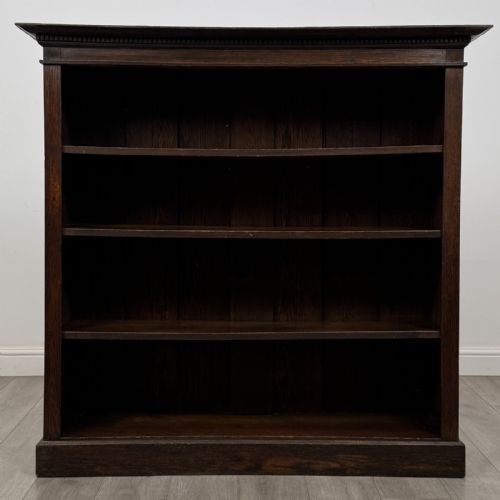
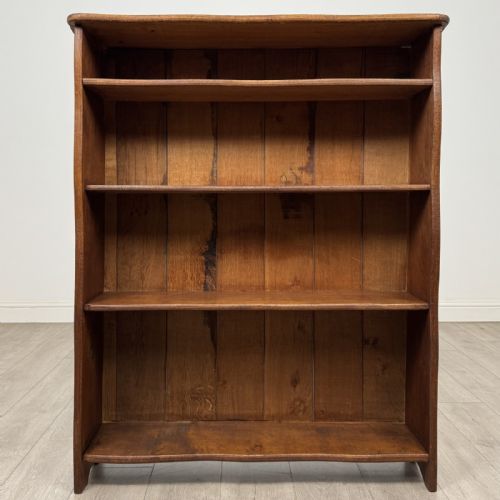
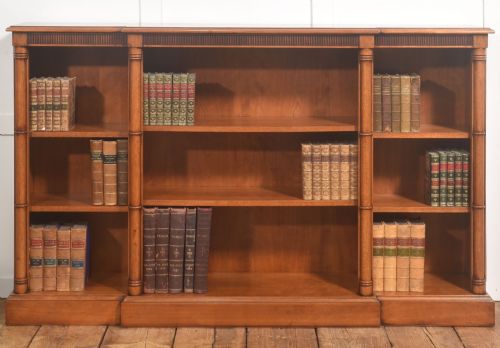
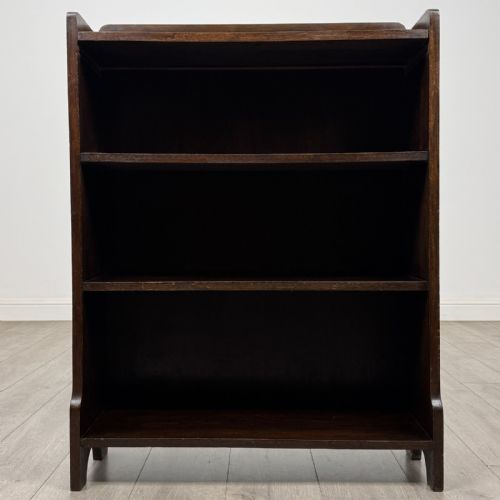
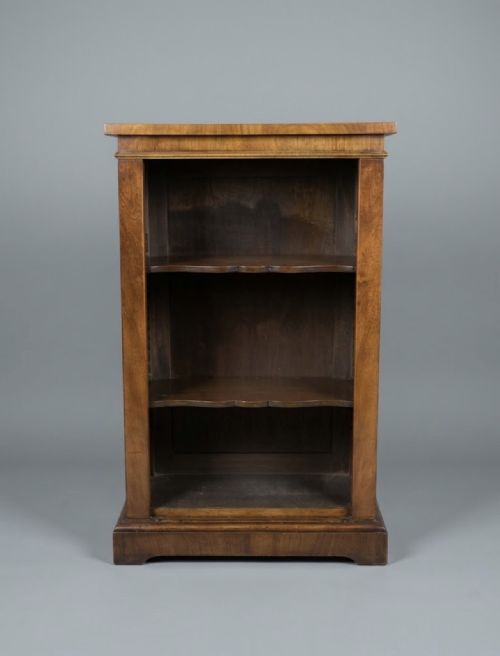
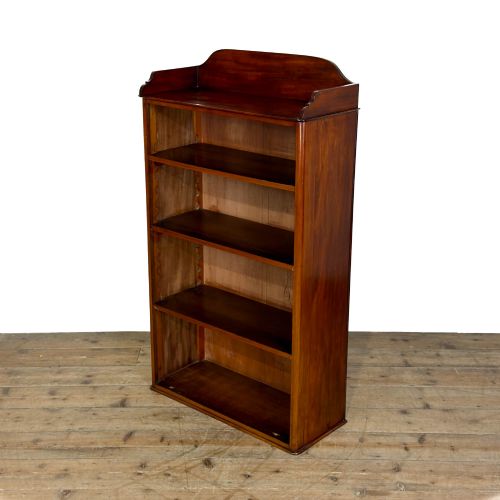
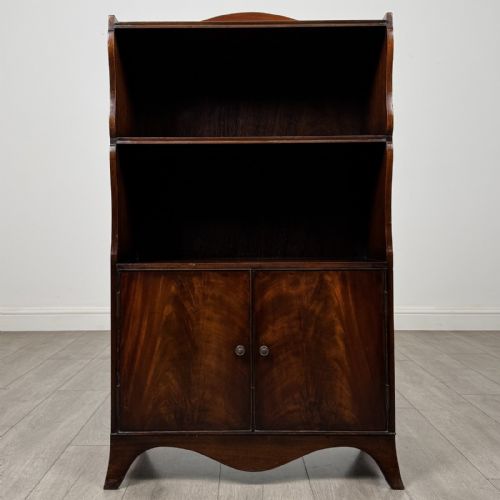
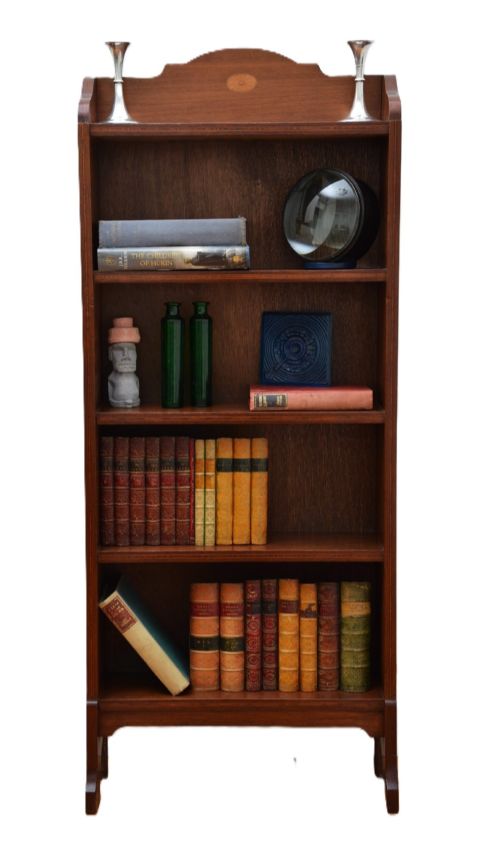
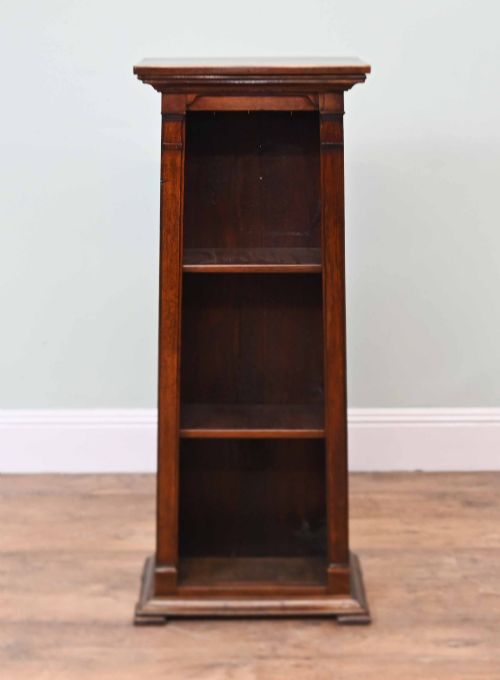
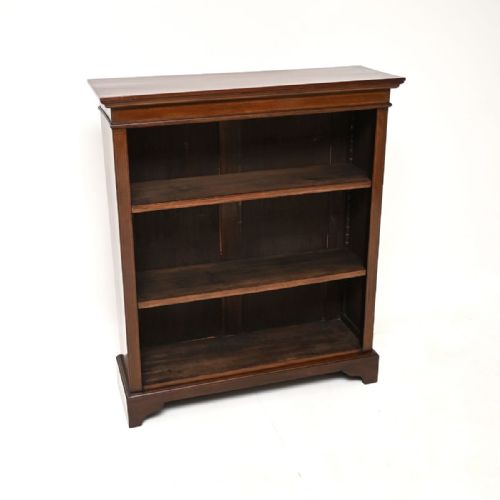
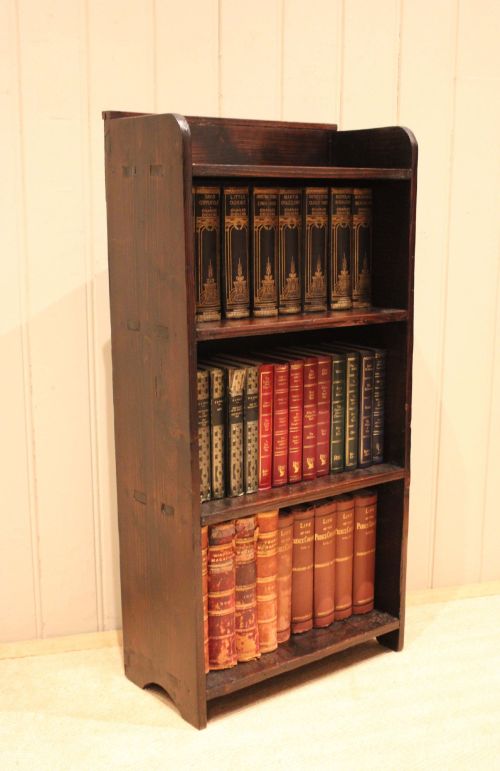
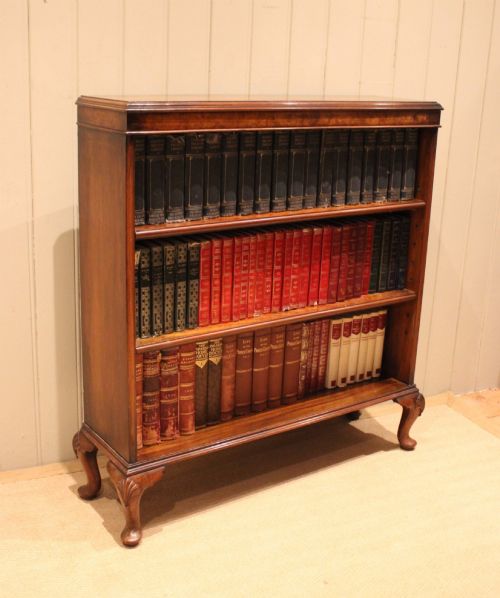
Buyers will frequently encounter open bookcases alongside smaller rustic pine and waterfall variants. These domestic items range from compact early twentieth-century oak units to larger breakfront library pieces from the Victorian era.
The selection demonstrates how utility and display combined across different decades, with adjustable shelves appearing frequently in later nineteenth and early twentieth-century designs. Most examples prioritise straightforward access to volumes while displaying the natural grain of the timber.
Materials and Construction
Cabinet makers relied predominantly on hardwoods such as oak, mahogany, and walnut, often selecting figured veneers for statement furniture. Pine served for simpler rustic country pieces, while brass hardware appeared on specialised fittings and adjustable mechanisms.
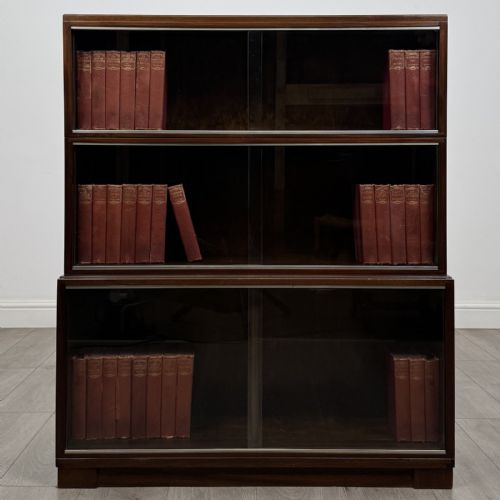
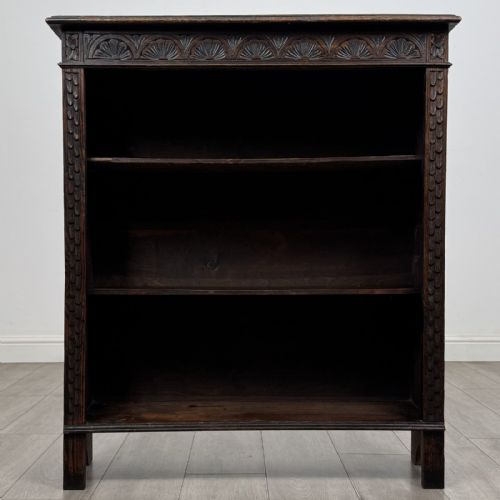
Joinery techniques varied from traditional dovetailing in carcases to pegged joints in earlier Arts and Crafts pieces. Open fronts dominated the domestic forms, though occasional glazed sections or carved panels added decorative emphasis to Victorian and Edwardian iterations.
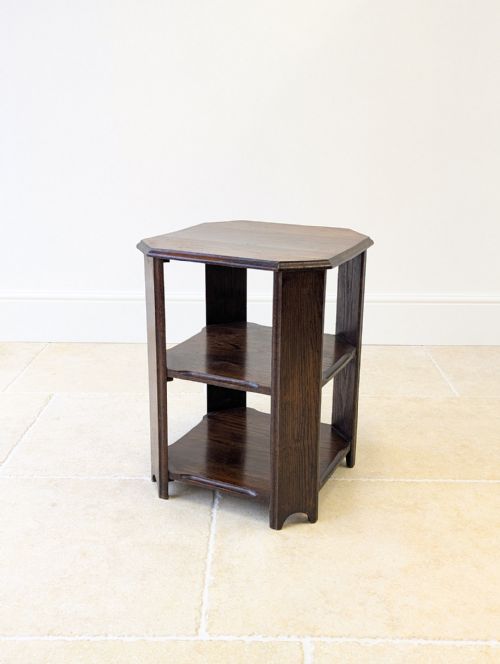
Early twentieth-century makers sometimes added clever angled shelves so titles could be read without tilting your head sideways.
Assessing Quality
The standard of timber selection and the precision of the joinery mark the difference between standard utility items and finer cabinet work. Superior pieces utilise solid hardwoods and burr veneers with careful attention to grain matching across the front.
The presence of functional mechanisms, such as smooth timber or brass ratchets for adjustable shelving, distinguishes better workshops. Carved detailing and inlaid decoration indicate skilled execution rather than mass production.
The Wooden Book Shelves Glossary
- Open Bookcase
- A freestanding storage unit without doors, designed for easy access to books. These form the majority of surviving domestic shelving.
- Waterfall Bookcase
- A stepped set of shelves where each tier is narrower than the one below, resembling a cascading stream. This design gained popularity during the Regency and Edwardian periods.
- Breakfront
- A cabinet or bookcase whose central section projects forward from the flanking wings. This architectural arrangement creates depth and visual interest in larger library furniture.
- Adjustable Shelves
- Shelves resting on pins, ratchets, or moving supports that allow the user to alter vertical spacing. This practical innovation appears frequently in nineteenth and twentieth-century bookcases.
Wooden Book Shelves: Frequently Asked Questions
How do I date a wooden bookcase?
Dating relies on identifying timber choices, construction methods, and stylistic cues associated with specific periods like the Victorian or Edwardian eras. Secondary woods and fastener types also provide clues regarding the decade of manufacture.
Heavier carved ornament often points towards Victorian or Arts and Crafts origins, whereas lighter golden oak and simple open forms frequently signal early twentieth-century production.
Are adjustable shelves common on older bookcases?
Adjustable shelving appears regularly on nineteenth and early twentieth-century pieces, particularly in larger library bookcases and walnut or mahogany formats.
Mechanisms range from simple wooden notches to brass studs and ratchets, allowing owners to accommodate volumes of varying heights.
How do I care for antique wooden shelving?
Maintaining antique wood requires stable room humidity and protection from direct sunlight to prevent the timber from drying or warping. Occasional application of suitable wax helps nourish the finish.
Avoid overloading individual shelves beyond their historical capacity, particularly on pieces with fixed timber supports.