



Walnut Collector Chest
A walnut collector chest is a compact, multi-drawer case designed to hold specimens, coins, or small treasures, valued for rich timber figure and clever internal security.
Walnut Collector Chest
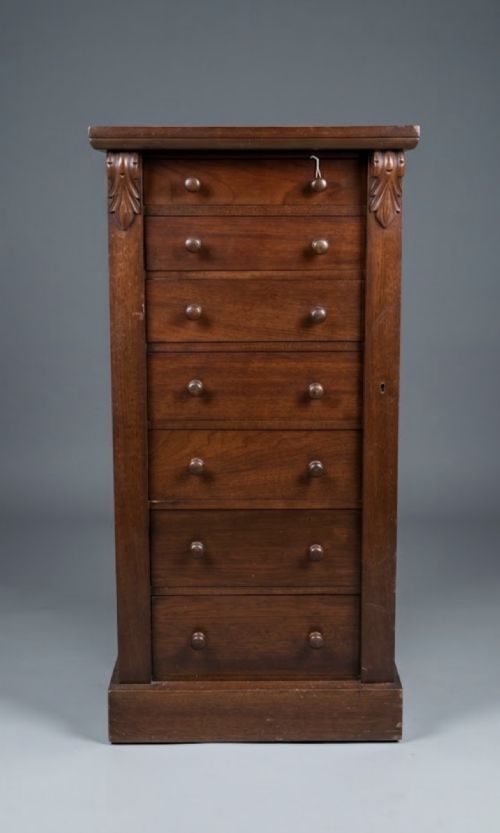
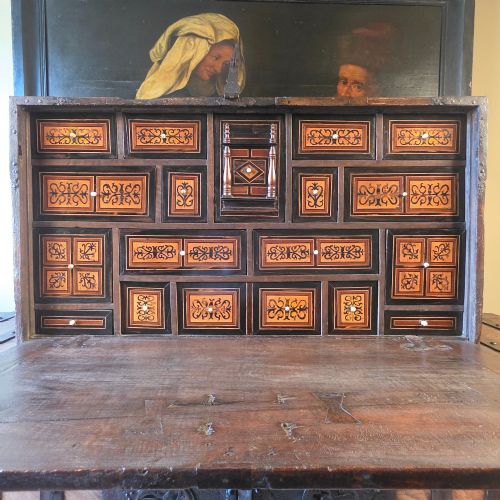
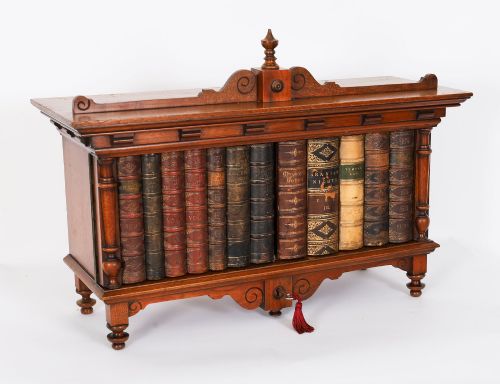
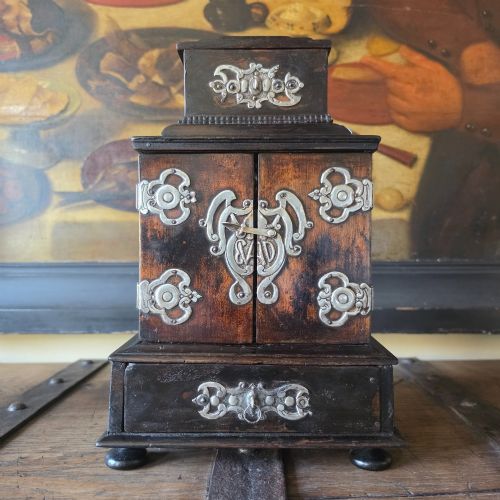
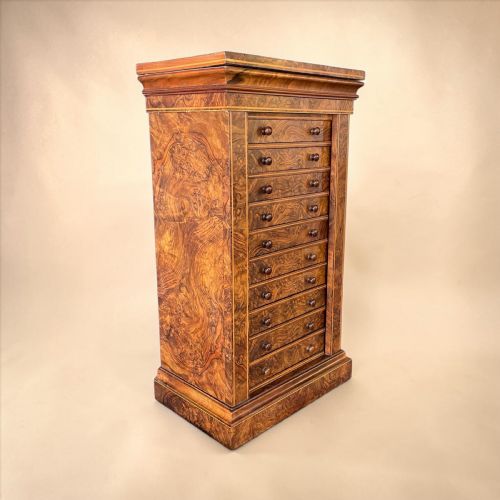
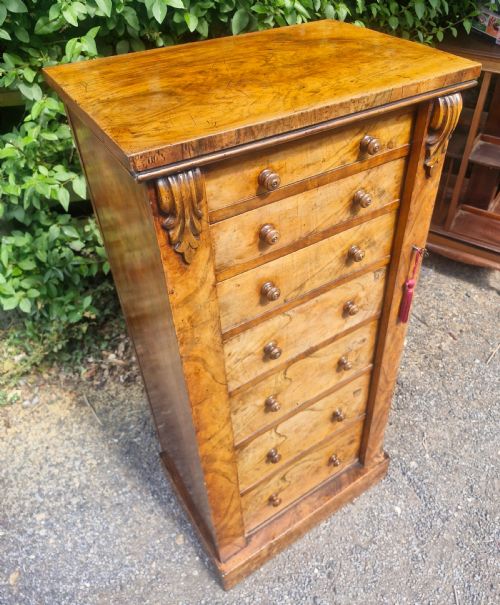
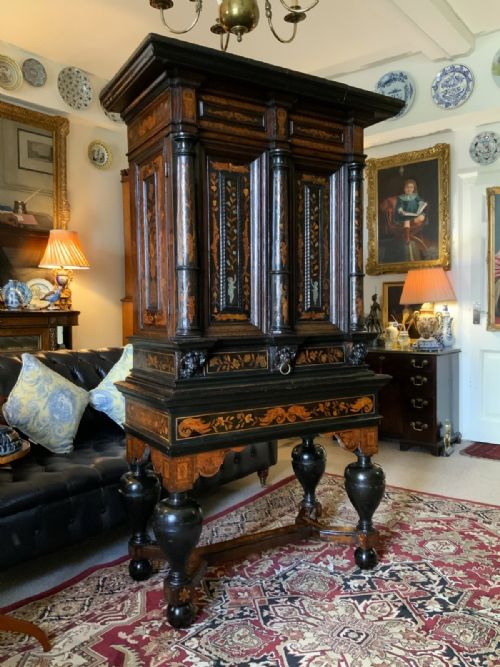
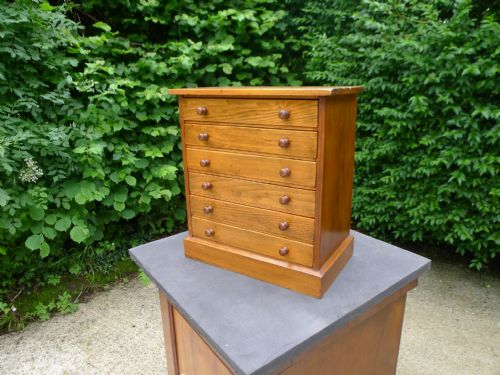
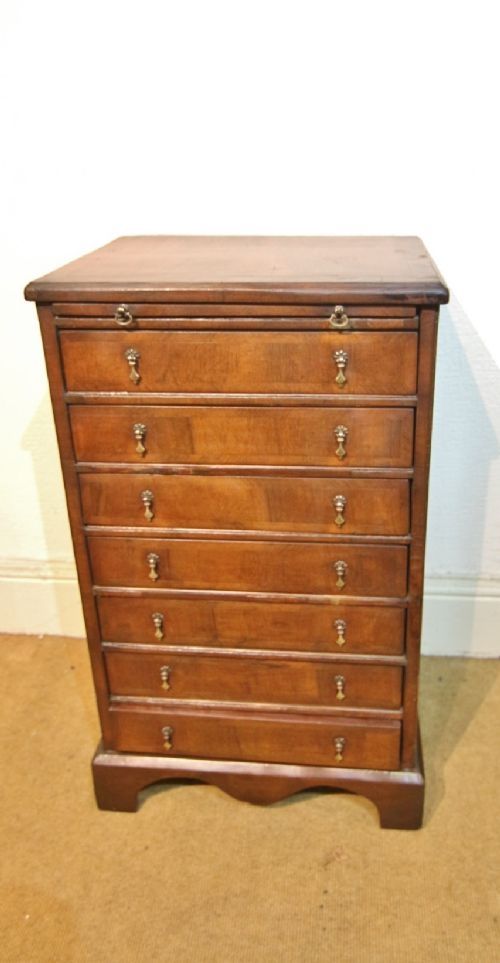
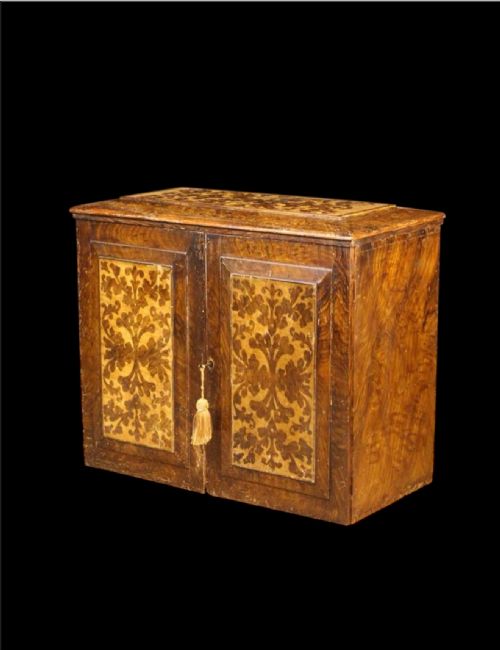
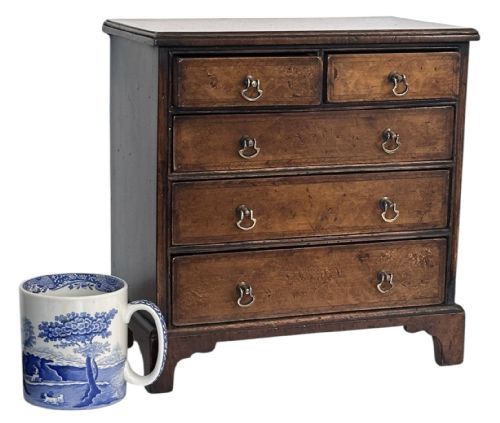
A walnut collector chest takes many forms across the evidence, appearing as diminutive Wellington chests, narrow filing cabinets, table-top specimens cases, and cabinets on stands. These pieces date from the seventeenth century through to the Edwardian era, with Victorian examples appearing most frequently.
Makers designed these compact pieces with multiple shallow drawers to organise small items such as microscope slides, coins, jewellery, or dental equipment. The walnut collector chest bridges utilitarian storage and fine furniture, frequently utilising figured timbers or burr veneers to display prominent natural grain patterns.
How they were made
Cabinetmakers built these pieces using solid walnut, oak, and fruitwood carcases, applying burr walnut or figured veneers to the exterior surfaces. Marquetry inlay, brass hardware, glass panels, and iron locking mechanisms completed the construction.
The characteristic Wellington design incorporates a hinged locking stile secured by a side bar, which fastens all drawers simultaneously with a single key. Interior drawer linings often utilise secondary timbers like satin birch, oak, or mahogany.
Listings feature walnut, burr walnut, oak, fruitwood, satin birch, and satin walnut across Victorian, Edwardian, Baroque, and Georgian periods.
What varies in quality
Quality rests primarily on the choice of timber figure, such as richly patterned burr walnut or meticulously matched veneers, alongside the crispness of inlaid details like marquetry and pewter stringing. The integration of maker-marked brass locks and robust locking mechanisms also elevates a piece.
Proportion and execution distinguish standard utilitarian furniture from exceptional cabinet work, particularly in diminutive or miniature formats. The integrity of the drawer construction, matching of grain patterns across multiple drawer fronts, and survival of original polished finishes define the upper tier.
S. Mordan & Co·Gillows of Lancaster
The Walnut Collector Chest Glossary
- Wellington chest
- A tall, narrow chest of drawers featuring a hinged locking stile on one side that secures all drawers when locked. This form originated in the nineteenth century and often houses specimen or collector drawers.
- Burr walnut
- Timber cut from walnut tree growths or burls, producing intricate, swirling grain patterns. Cabinetmakers applied this veneer to primary display surfaces on high-status nineteenth-century pieces.
- Cabinet on stand
- A two-part form consisting of a tabletop cabinet resting upon a separate supporting stand with legs. Early examples from the seventeenth and eighteenth centuries frequently display Dutch Baroque or Continental styling.
- Specimen drawers
- Shallow internal drawers specifically proportioned for holding small objects, minerals, or natural history items. These are typically lined with baize, velvet, or fine timber.
- Marquetry
- The art of applying decorative veneer pieces in geometric or pictorial patterns onto a wood carcase. Seventeenth-century examples in the evidence utilise this technique with contrasting woods and pewter inlay.
Walnut Collector Chest: Frequently Asked Questions
What were walnut collector chests used for?
These cabinets stored specialised objects requiring organised, protected containment. Examples held microscope slides, dental instruments, coins, cigars, jewellery, and natural history specimens.
Interiors feature numerous shallow drawers designed to keep delicate items separated and secure. Many incorporate locking mechanisms to safeguard valuable contents.
What periods do these collector chests come from?
The pieces span from the late seventeenth century through the Victorian and Edwardian periods up to nineteen hundred. Early pieces often exhibit Dutch Baroque or William and Mary styling with marquetry.
Victorian and later examples frequently utilise burr walnut veneers in Wellington or table-top formats. The physical construction methods and secondary timbers help distinguish between these eras.
How should I care for burr walnut veneer?
Burr walnut requires stable indoor humidity away from direct sunlight and heat sources. Excessive dryness can cause delicate veneers to lift or split over time.
Apply traditional furniture wax sparingly and buff gently with a soft cloth. Avoid liquid polishes containing silicone or harsh chemical cleaners.