

Walnut Bureau Writing Cabinet
A walnut bureau writing cabinet combines a fall-front desk with compartments for correspondence and storage, offering a traditional workspace suited to period and modern interiors.
Walnut Bureau Writing Cabinet
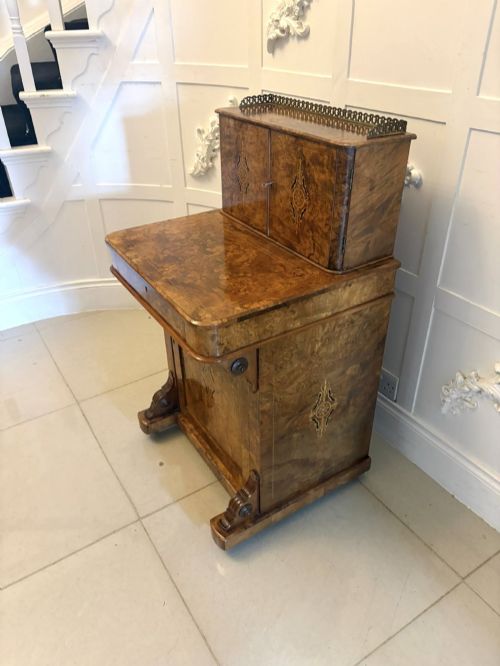
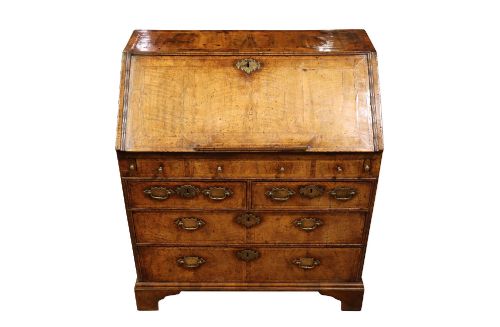
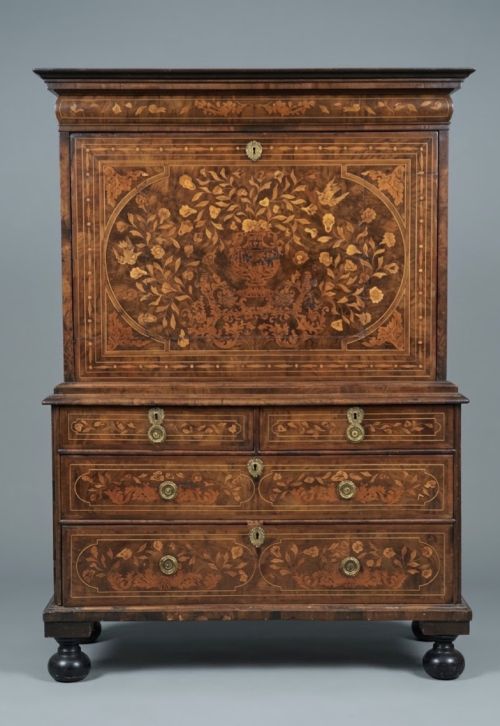
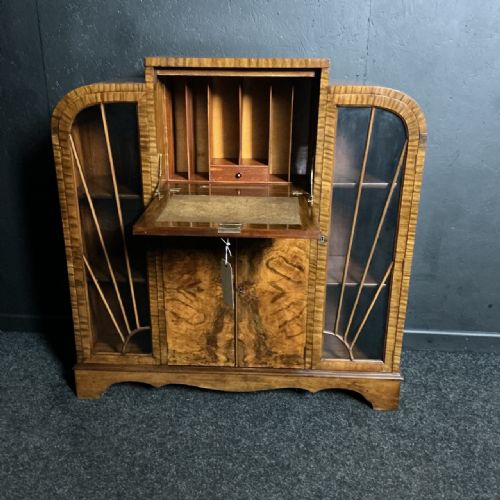
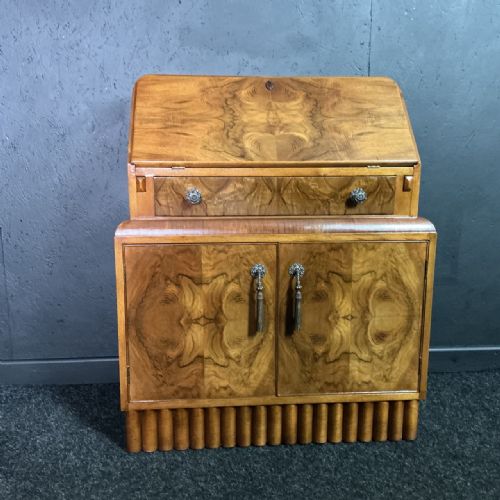
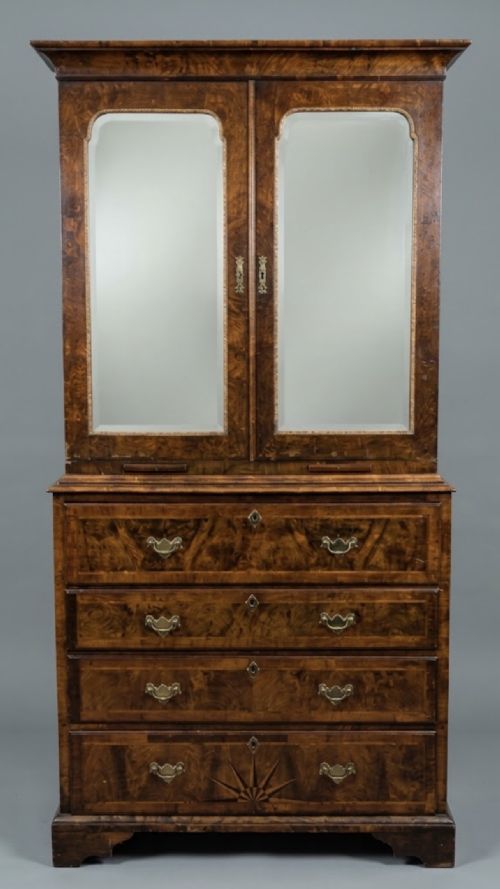
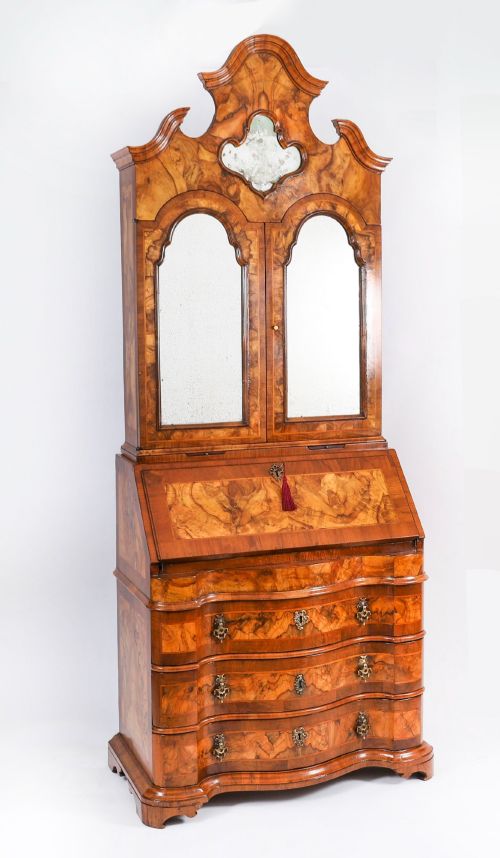
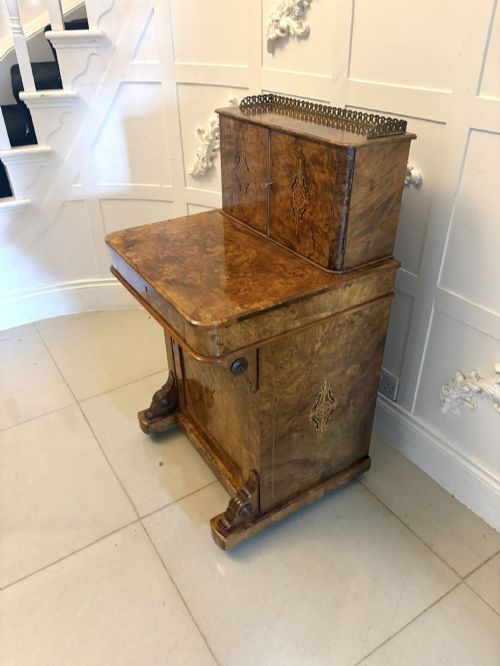
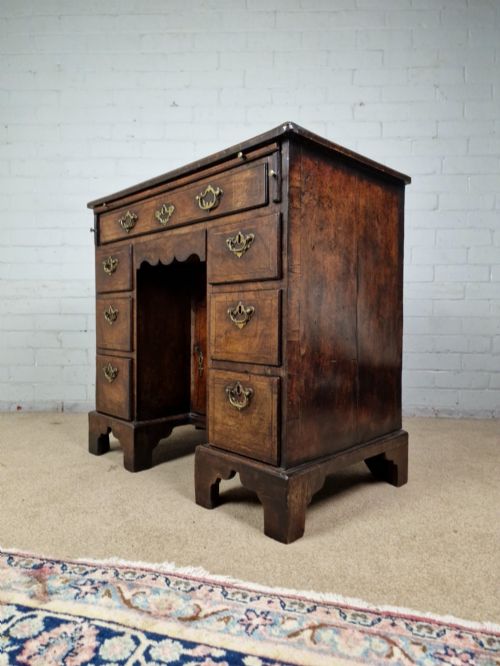
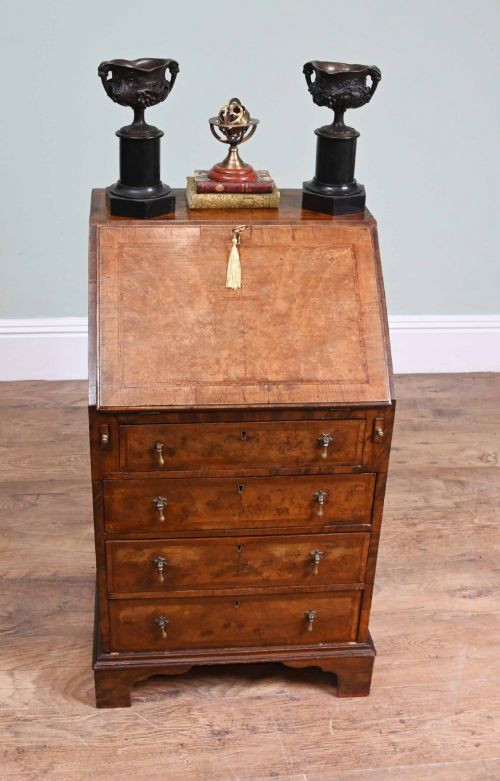
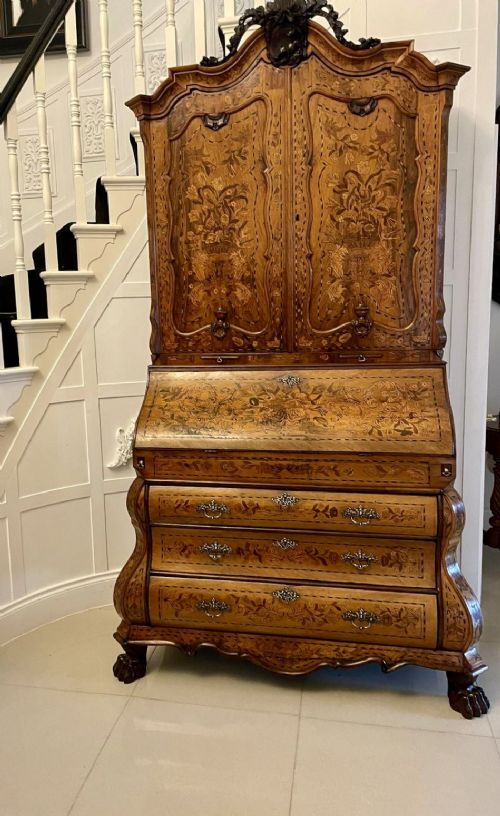
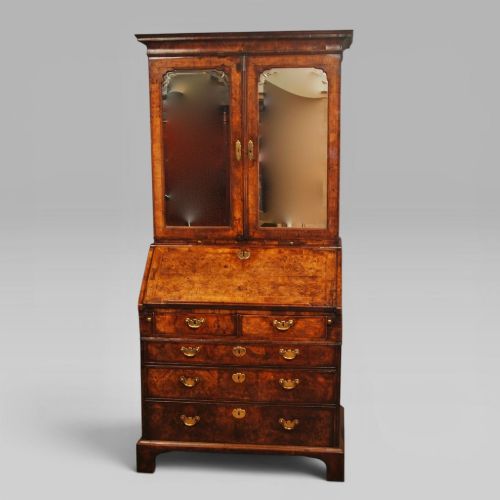
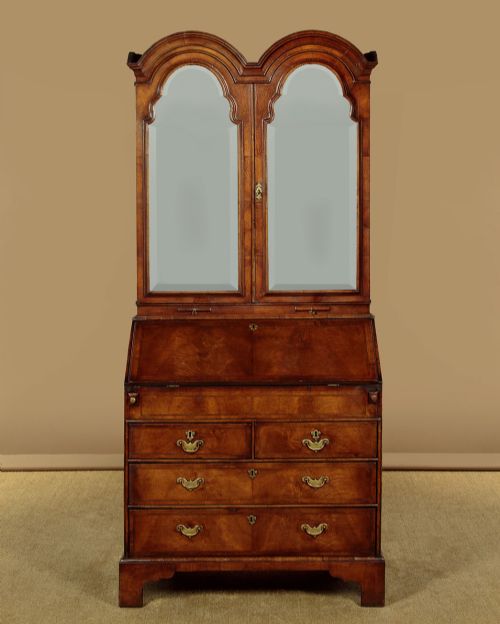
When searching for a walnut bureau writing cabinet, you will encounter pieces spanning from the seventeenth century through the Georgian and Victorian eras, alongside twentieth-century Art Deco interpretations. The most prevalent examples are bureau bookcases, combining a sloping writing flap with upper shelving, and freestanding writing desks.
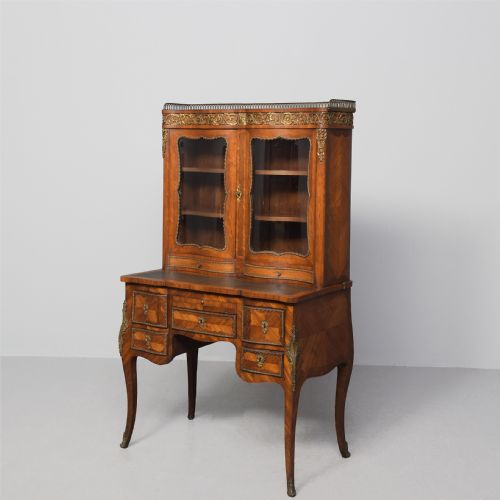
Early eighteenth-century pieces often utilise burr walnut and featherbanding, reflecting the aesthetic preferences of the Queen Anne and George I periods. Later nineteenth-century iterations incorporate carved decoration, ormolu mounts, and Davenport designs, while twentieth-century workshops produced streamlined Art Deco variations.
Materials and Construction
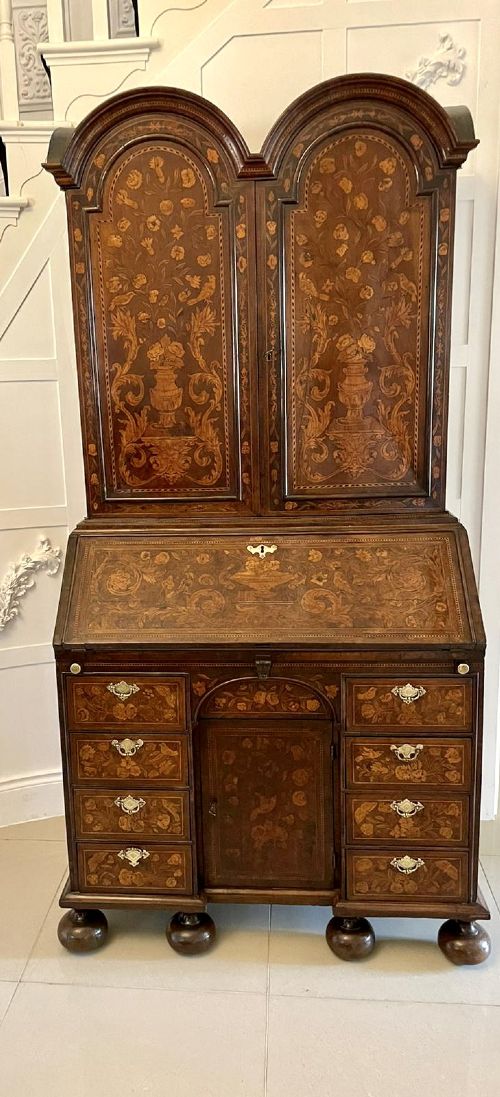
Cabinet makers utilised walnut veneers, burr walnut, and figured walnut over secondary timbers such as oak, often enhancing surfaces with floral marquetry or geometric parquetry patterns. Brass hardware, including handles and escutcheons, alongside leather writing surfaces, completes the construction of these desks and cabinets.
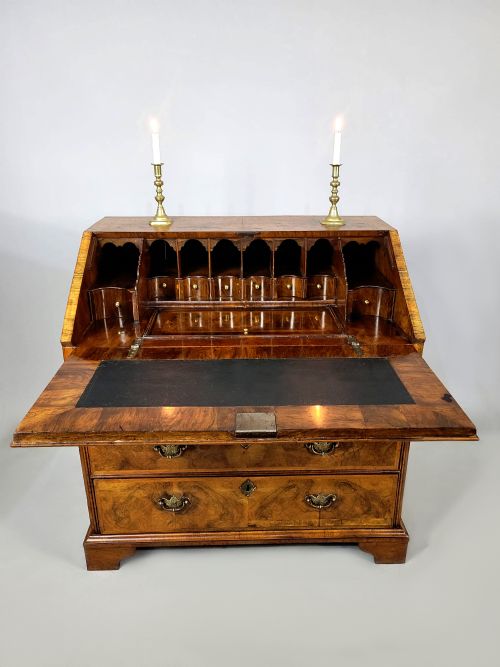
Interior compartments feature small drawers and pigeonholes accessed via a hinged writing flap, while taller formats incorporate glazed or mirrored doors in the upper bookcase section.
Walnut Bureau Writing Cabinet Retail Price Guide 2026
Typical asking prices for walnut bureau writing cabinet among the pieces listed under this phrase on Sellingantiques today, from the lower quarter to the upper quarter. They describe what is for sale here now, not the wider market.
Several bureau bookcases manage to conceal secret compartments behind their orderly rows of miniature pigeonholes.
Craftsmanship and Proportion
The distinction between tiers of execution rests in the selection of timber figure, such as richly patterned burr walnut or symmetrical veneers, and the precision of marquetry inlay. Superior examples display careful matching of grain patterns across the fall-front flap and drawer fronts.
Internal complexity also dictates distinction, with fitted compartments featuring secret drawers and well-executed pigeonholes demonstrating superior cabinet work compared to simpler utilitarian interiors.
Gillows·F.H. Marshall & Co Glasgow
The Walnut Bureau Writing Cabinet Glossary
- Bureau
- A desk featuring a sloping hinged writing flap that opens to reveal internal compartments and small drawers.
- Burr Walnut
- Timber harvested from walnut tree growths that produces highly figured, swirling grain patterns used for decorative veneer.
- Marquetry
- The art of applying decorative pieces of wood veneer to a structure to form intricate floral or geometric designs.
- Secretaire
- A piece of furniture containing a drawer or compartment designed for writing, often incorporating a drop-front writing surface.
- Featherbanding
- A type of inlay using thin strips of veneer arranged in a herringbone pattern to frame drawer fronts or panels.
Walnut Bureau Writing Cabinet: Frequently Asked Questions
What is a walnut bureau writing cabinet?
A walnut bureau writing cabinet is a piece of furniture featuring a sloping desk flap that opens for correspondence, frequently combined with an upper bookcase or cabinet section.
These items provide enclosed workspace storage while displaying decorative wood veneers on the exterior surfaces.
How do I identify a Georgian bureau?
Georgian examples typically exhibit figured walnut veneers, herringbone inlay, and bracket feet, often dating from the early eighteenth century.
The interior layout usually contains stepped pigeonholes and small drawers surrounding a central concealed compartment.
Where were these cabinets used?
These cabinets served primarily in private libraries, studies, and drawing rooms for managing personal correspondence and keeping records.
The upper bookcase sections held reference volumes and bound manuscripts.
How do I care for walnut veneer?
Maintain walnut furniture by keeping it away from direct sunlight and extreme humidity fluctuations to prevent veneer cracking or fading.
Apply traditional paste wax sparingly and buff with a soft cloth to preserve the finish.