

Walnut and Marble Table
A walnut and marble table brings together cool stone and rich timber to anchor a room with calm, enduring character.
Walnut and Marble Table
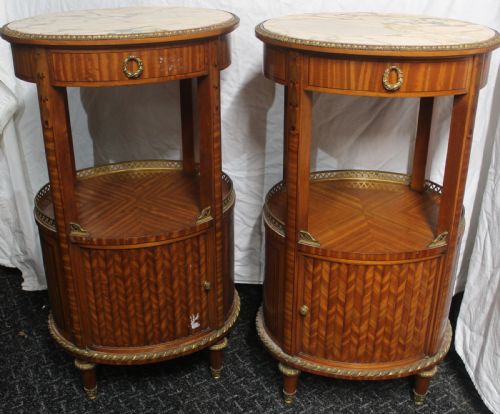
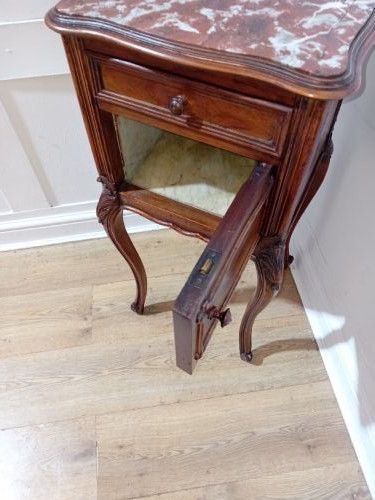
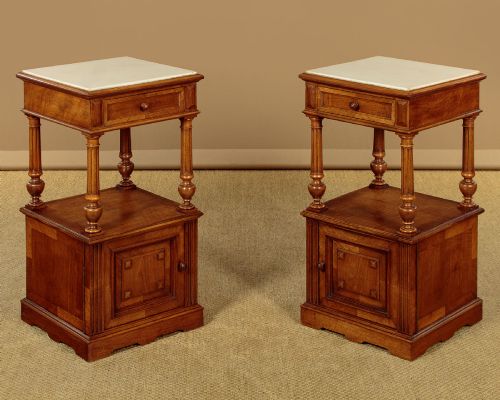
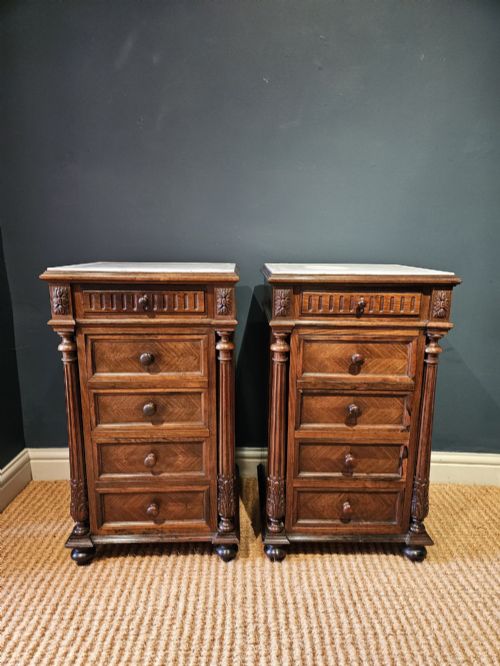
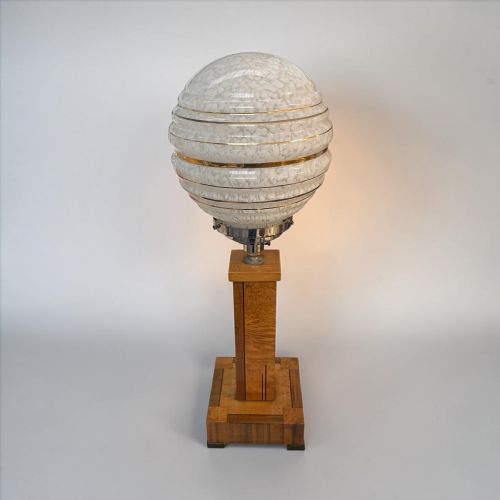
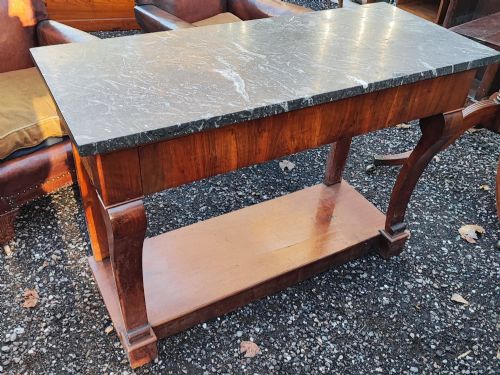
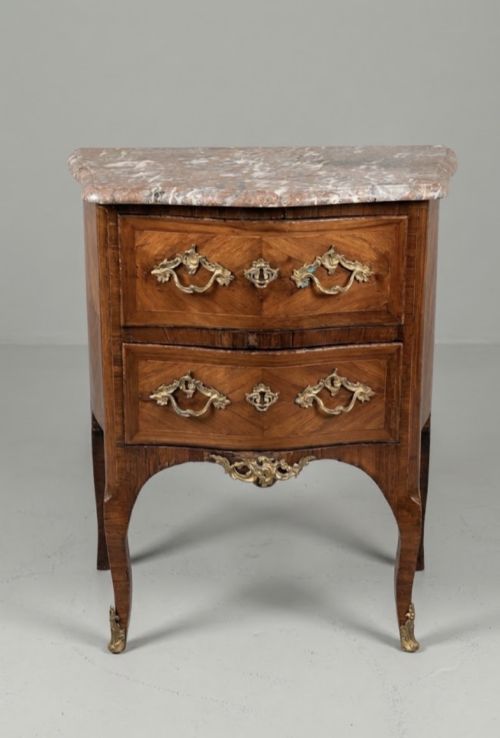
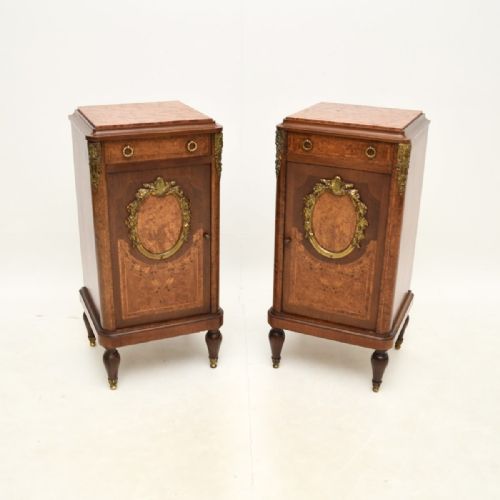
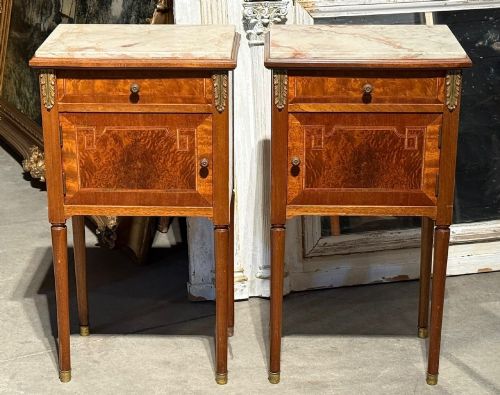
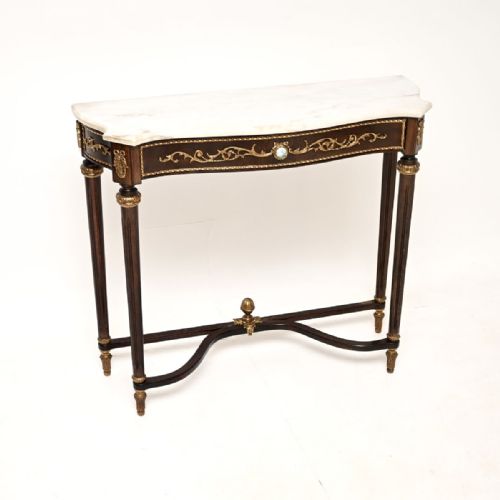
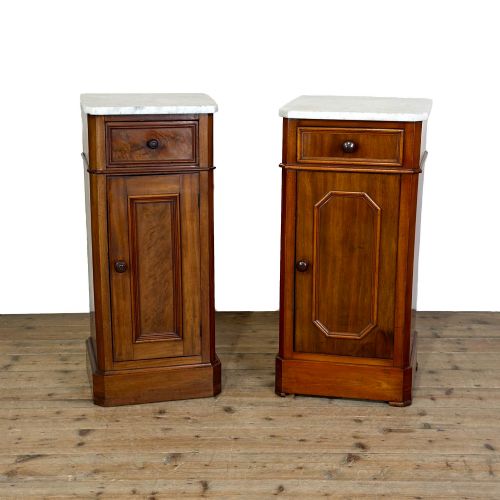
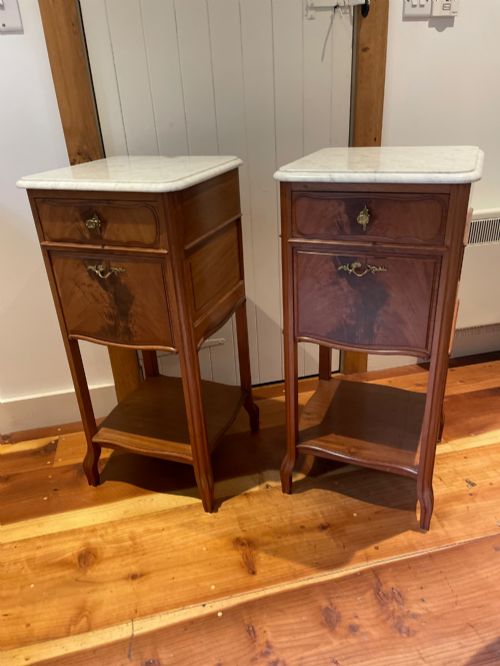
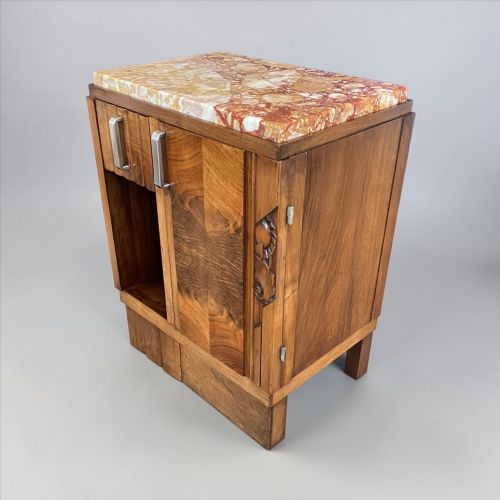
A walnut and marble table most often appears on this page as a bedside cabinet, lamp table, or console table drawn from nineteenth-century and early twentieth-century workshops. French regional furniture heavily shapes the selection, alongside English Victorian pieces and stylistic revivals recalling Louis periods.
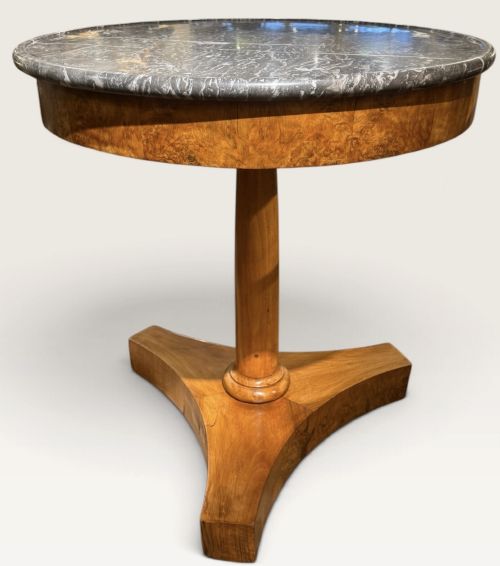
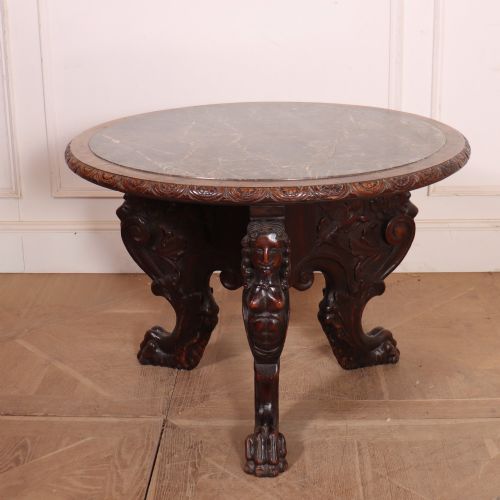
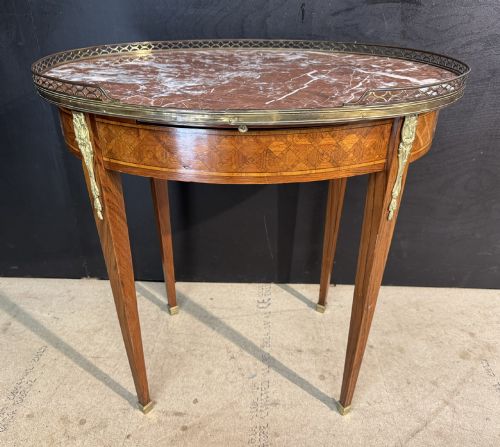
Buyers encounter smaller domestic forms frequently, particularly pairs of bedside chests and round gueridon tables intended for intimate spaces. Console tables and washstands also recur, offering heavier stone surfaces supported by carved wooden frames.
Materials and Construction
Cabinet makers built these frames primarily from solid walnut and figured burr walnut veneers, sometimes incorporating kingwood, mahogany, or parcel gilt accents. Tops were fitted with heavy slabs of marble, including rouge and other polished stone varieties.
Structural embellishments relied on traditional joinery supplemented by applied brass, ormolu mounts, and intricate marquetry or floral inlay across drawer fronts and sides.
Walnut and Marble Table Retail Price Guide 2026
Typical asking prices for walnut and marble table among the pieces listed under this phrase on Sellingantiques today, from the lower quarter to the upper quarter. They describe what is for sale here now, not the wider market.
Listings feature various forms combining walnut and marble, ranging from compact bedside cabinets to grand console tables and gueridons.
Evaluating Execution
Quality rests in the depth of figure within the walnut veneer and the crispness of hand-carved details along the legs and aprons. Superior pieces display seamless integration between the heavy marble top and the supporting wooden chassis.
The sophistication of the brass mounts, the precision of marquetry inlay, and the retention of original stone surfaces distinguish standard domestic furniture from finer workshop productions.
L. Martin of Paris
The Walnut and Marble Table Glossary
- Burr walnut
- A figured timber obtained from tree growths, producing swirling patterns used extensively in cabinet veneers. This grain creates a highly decorative surface on table tops and drawer fronts.
- Gueridon
- A small French round table supported by a central column or pillar legs. These pieces frequently feature inset marble tops for functional utility.
- Ormolu
- Gilded bronze ornamentation applied to furniture frames. It provides metallic contrast against dark walnut surfaces.
- Console table
- A wall-mounted or freestanding table designed to stand against a vertical surface. They often feature elaborate carved bases and thick marble slabs.
Walnut and Marble Table: Frequently Asked Questions
What rooms suit a marble topped console table?
Console tables function effectively in entrance halls and reception rooms where a narrow profile is required. The stone top provides a durable surface for displaying decorative objects.
Their substantial height allows them to sit neatly beneath mirrors or against blank wall spaces without cluttering the floor plan.
How do I care for marble and walnut?
Marble requires gentle cleaning with warm water and mild soap to protect the polished surface from acidic staining. Avoid harsh chemical cleaners that can etch the stone.
Walnut timber benefits from occasional waxing to maintain the lustre of the grain and prevent the wood from drying out in heated rooms.
Are bedside cabinets sold as pairs?
Many bedside cabinets and lamp tables survive as matched pairs originating from larger bedroom suites. These matched sets offer symmetry when placed on either side of a bed.
Single cabinets also appear frequently for standalone placement in smaller bedrooms or studies.
How do I distinguish French styles?
French pieces often exhibit curved cabriole legs and delicate marquetry inspired by Louis XV aesthetics. Later twentieth-century examples lean towards cleaner geometric lines.
Ormolu mounts and carved apron details further indicate the specific regional workshop tradition behind the construction.