



Walled Garden Painting
A walled garden painting captures cultivated grounds enclosed by historic brick or stone, bringing structured floral scenery directly into interiors.
Walled Garden Painting
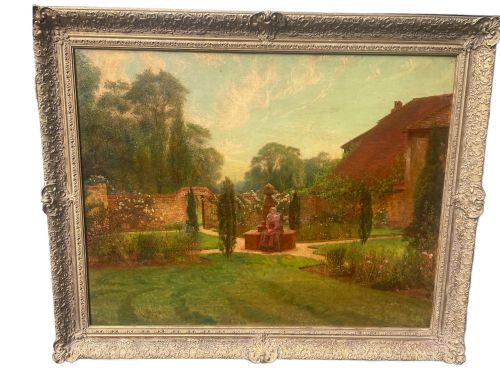
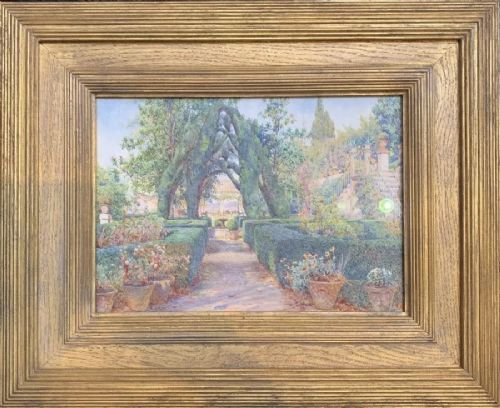
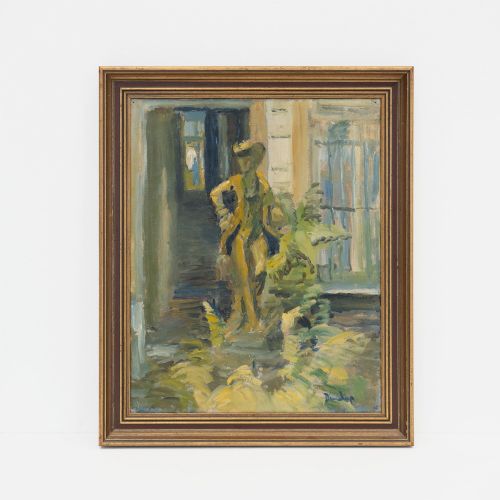
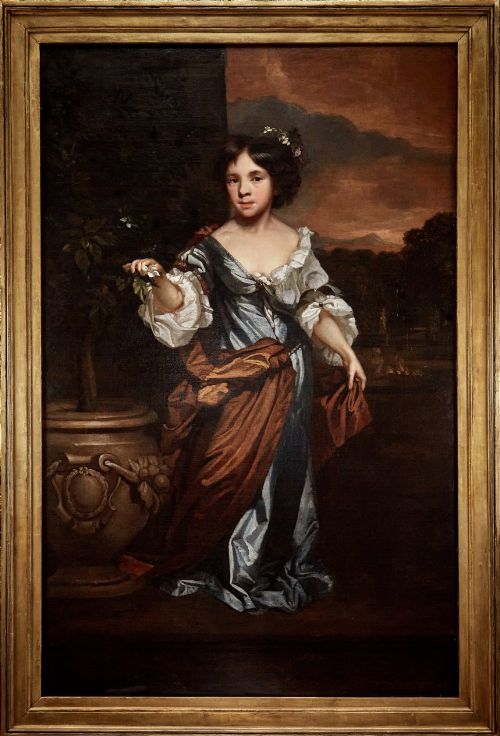
A walled garden painting depicts enclosed horticultural spaces, capturing the intimate relationship between architecture and cultivated planting. These works range from late seventeenth-century Flemish compositions to early twentieth-century British watercolours and mid-century oils.
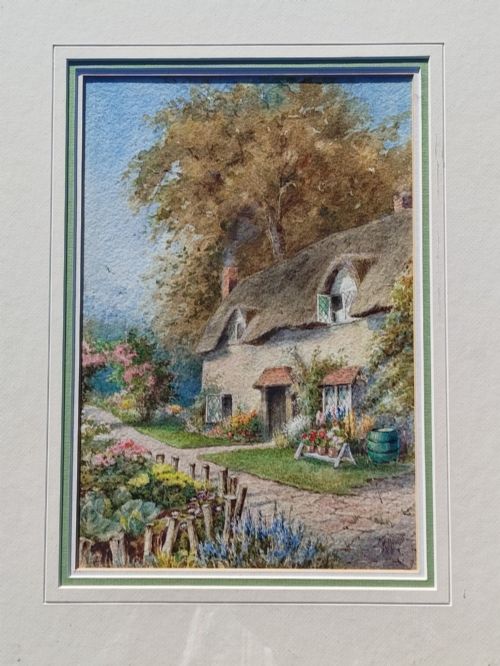
The most common examples on this page are watercolours and oil paintings created during the Victorian and Edwardian periods, focusing on cottage gardens, floral borders, and terrace settings. Artists such as Ernest Higgins Rigg and Lilian Stannard frequently recorded these sheltered domestic landscapes.
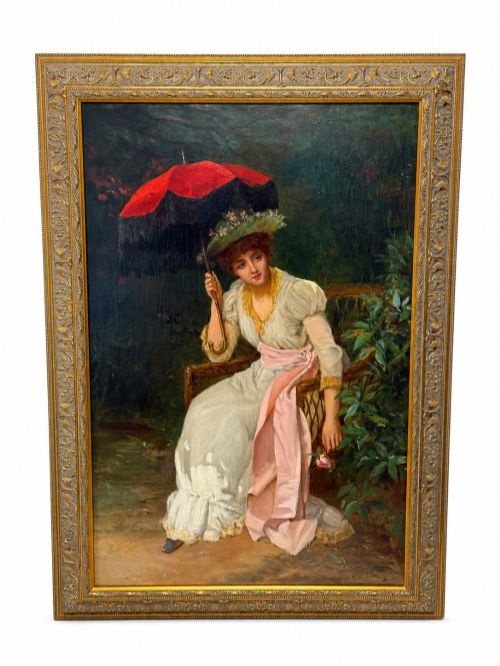
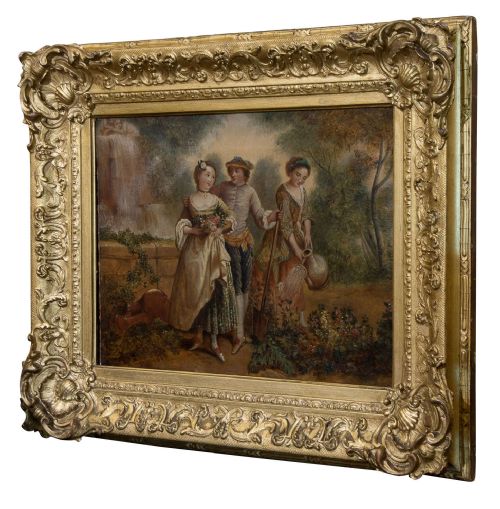
Beyond pure landscapes, some pieces integrate figurative elements, portraying figures reading, knitting, or tending plants within the protective perimeter of stone walls and hedges. These rural and pastoral scenes reflect a lasting artistic interest in enclosed, private sanctuaries.
Materials and Methods
Painters utilised oil paint on canvas or wood panels, alongside watercolour pigment applied to paper, building up vibrant layers to render foliage, blossoms, and architectural stone. Mixed media works also appear, combining different graphic and pigment techniques.
Support materials range from traditional stretched canvas and fine art paper to glass and wooden panels, often framed behind glass or within decorative mounts to preserve the delicate pigments of watercolours.
Walled Garden Painting Retail Price Guide 2026
Typical asking prices for walled garden painting among the pieces listed under this phrase on Sellingantiques today, from the lower quarter to the upper quarter. They describe what is for sale here now, not the wider market.
A solitary terrier dog occasionally stands guard in the painted vegetable patch, supervising the flowers.
Distinctions in Quality
The standard of a piece rests upon the artist's handling of light, shadow, and botanical detail, distinguishing spontaneous en plein air execution from stiff academic transcription. Skilful brushwork brings movement to foliage and depth to stone boundaries.
Provenance and attribution play significant roles, with signed works by recognised painters holding stronger documentary value than anonymous or school pieces. The integrity of the original surface, whether canvas or paper, underpins the overall standing of the work.
K Howitt·Raymond Subes·Ernest Arthur Rowe·William Oliver·Ronald Ossory Dunlop·John Riley·John Closterman·Ralston Gudgeon·Owen Bowen·G Villiers Stuart·Ernest Higgins Rigg·Kershaw Schofield·Martinetti·Samson·Lilian Stannard·William Hatherell·Samuel Sidley·David Woodlock·Thomas Nicholson Tyndale·John Emms·Lester Sutcliffe·Benjamin D Sigmund·Edgar Bundy·Edmund Alphonse Andre·Hermoine Hammond
The Walled Garden Painting Glossary
- Watercolour pigment
- A water-soluble paint medium applied in translucent washes to paper, widely used by British artists to capture outdoor light.
- Oil on canvas
- Pigment bound in a drying oil applied to a woven fabric support, allowing for rich texture and deep colour layering.
- Flemish Baroque
- An artistic movement originating in the seventeenth century, known for dramatic composition and rich detail in landscape and portraiture.
- British Impressionism
- A late nineteenth and early twentieth-century painting style focusing on natural light, loose brushwork, and everyday domestic or rural subjects.
- Mixed media
- An artwork combining two or more distinct artistic materials, such as watercolour, ink, and gouache on paper.
Walled Garden Painting: Frequently Asked Questions
What periods do these paintings date from?
The works span multiple centuries, with particular concentration in the Victorian, Edwardian, and mid-twentieth-century eras. Examples range from seventeenth-century Flemish school pieces up to works produced in the nineteen-fifties.
Earlier examples often reflect formal European garden traditions, while later nineteenth and twentieth-century pieces lean towards British impressionistic or pastoral cottage garden watercolours.
How were these artworks historically displayed?
These paintings were traditionally framed in timber or gilt surrounds and hung within domestic reception rooms, parlours, or studies. They served to bring views of nature and private domestic grounds into interior spaces.
Watercolours required protective glass glazing to prevent fading from sunlight, whereas robust oil paintings on canvas were often displayed openly on principal drawing-room walls.
How do I identify a watercolour from an oil painting?
Watercolours feature translucent pigment applied to paper, showing the texture of the sheet beneath and usually displayed behind glass. They possess a delicate, luminous quality characteristic of water-based media.
Oil paintings utilise thicker, heavier paint built up on canvas, wood panel, or board, often displaying visible brush texture and a richer surface sheen without requiring glass protection.
What subjects typically accompany walled garden scenes?
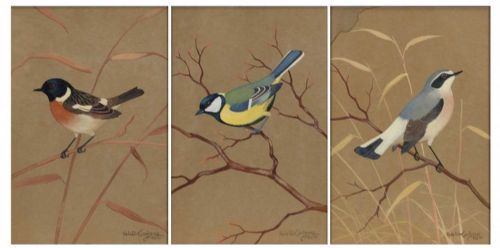
Common companion subjects include floral studies, cottage exteriors, pastoral landscapes, and occasional portraits set against terrace or garden backdrops. Artists frequently integrated domestic animals, birds, or figures engaged in quiet outdoor pursuits.
These complementary themes emphasise a cohesive nineteenth and twentieth-century interest in domestic rural life, horticulture, and sheltered personal spaces.