


Vintage Yorkshire Landscape Art
Vintage yorkshire landscape art captures the rural breadth of the northern county through oils, watercolours, and drawings spanning from the Victorian era into the mid-twentieth century.
Vintage Yorkshire Landscape Art
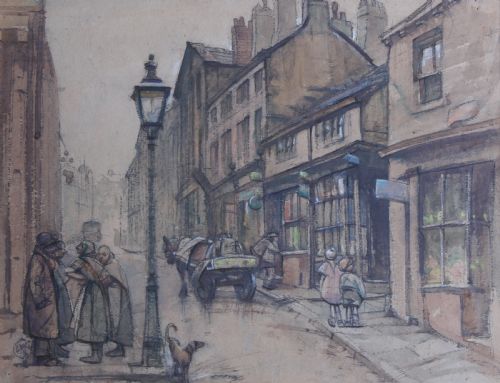
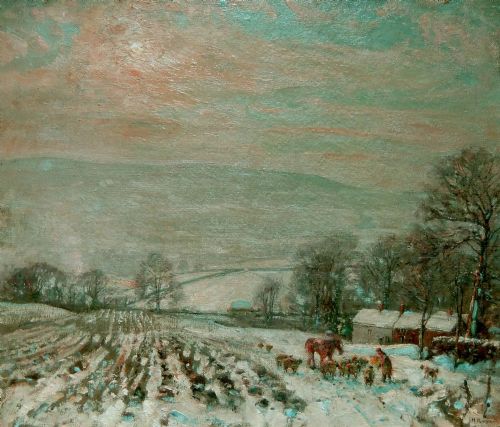
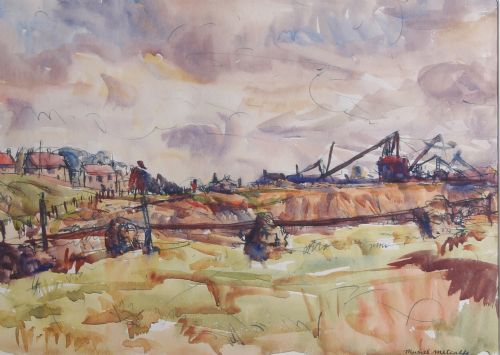
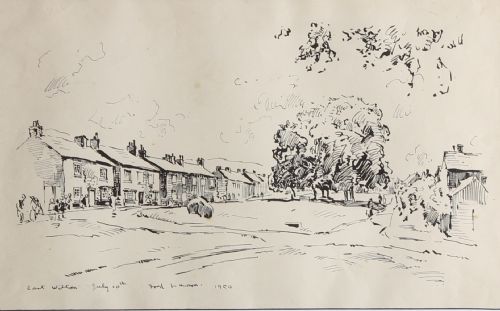
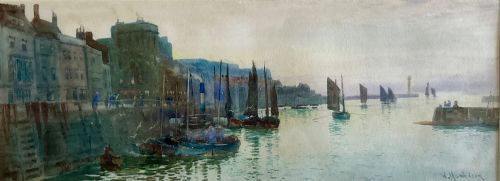
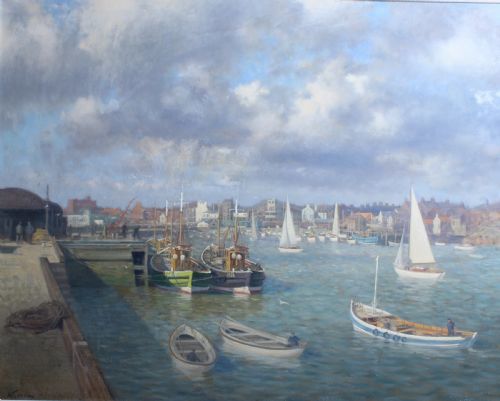
Vintage yorkshire landscape art encompasses paintings, watercolours, and ink drawings that record the rivers, moors, coasts, and farmsteads of the county. The pieces encountered most frequently on this page date from the late nineteenth century through to the mid-twentieth century, reflecting regional artistic movements such as British Impressionism and modern British styles.
The subjects range from familiar landmarks like Bolton Castle and Whitby harbour to quiet valley scenes in Wharfedale and Danby Moor. Artists working across these decades captured specific local conditions, from summer haytime to winter feeding grounds, using paper, canvas, panel, and board as their foundation.
How They Were Made
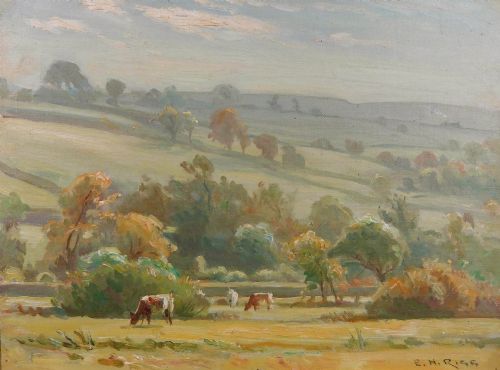
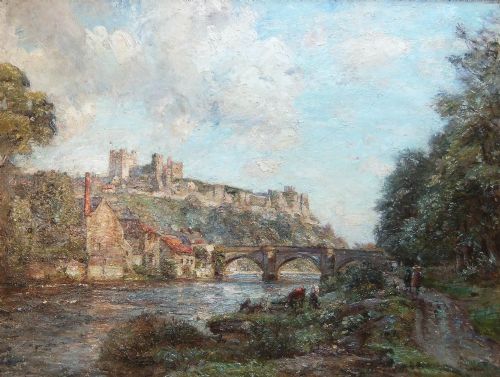
Works in oil paint utilise canvas, wood panels, or boards to build textured surfaces that capture changing light on northern hills and coastal harbours. Painters applied pigments with brushwork ranging from smooth academic finish to the looser strokes characteristic of British Impressionism.
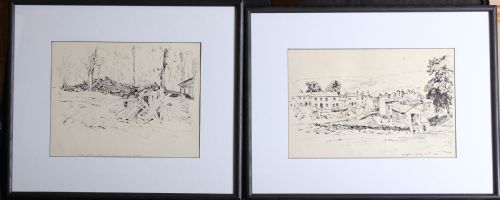
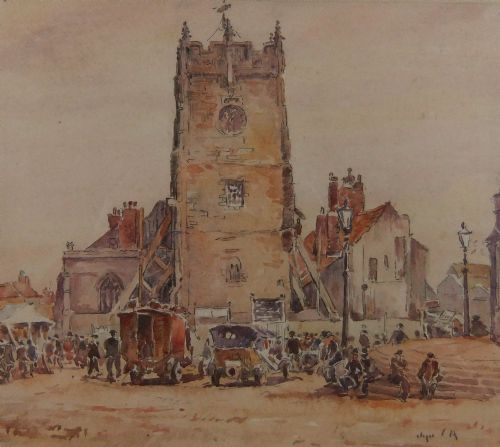
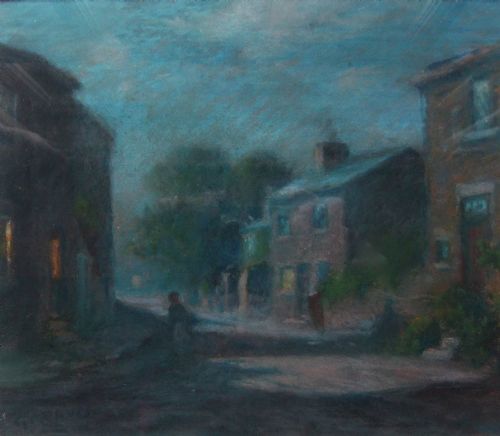
Watercolour pigment and ink on paper rely on fluid washes and precise line work to describe architectural details in villages like Richmond and Staithes. Pastel was also employed on paper to record softer evening tones across agricultural fields and riverbanks.
Several artists preferred painting farmyard ducks and sheep over grand portraits, ensuring rural livestock share equal billing with historic castles.
What Varies in Quality
The distinction between pieces rests upon the artist's handling of regional light, atmospheric depth, and topographical accuracy. Works by established regional painters demonstrate a more confident command of composition and colour harmony when recording specific locations like Wharfedale or the Yorkshire coast.
Support materials and medium handling further differentiate the range, as robust canvas preparations and stable boards preserve pigment integrity better than inferior paper supports affected by acidic mount boards or damp storage conditions.
Herbert Royle·Fred Lawson·Ernest Higgins Rigg·Owen Bowen·William Mellor
The Vintage Yorkshire Landscape Art Glossary
- Watercolour
- A paint consisting of colour suspended in a water-soluble vehicle, traditionally applied to paper to achieve translucent washes of tone. It allows artists to capture transient effects of weather and light across northern skies.
- British Impressionism
- An artistic approach focusing on everyday subjects and the play of natural light, rendered with visible brushstrokes. This style influenced many regional painters working outdoors in Yorkshire.
- Diptych
- A painting or drawing divided into two distinct panels hinged or displayed together as a single artwork. In regional views, this format often juxtaposed adjacent architectural or coastal landmarks.
- Provenance
- The documented history of ownership of an artwork, sometimes establishing a direct link to the artist's studio sale. It provides verifiable context for a piece's origin and exhibition history.
Vintage Yorkshire Landscape Art: Frequently Asked Questions
What subjects appear most often in these paintings?
The works predominantly depict recognizable Yorkshire locations, including river valleys like Wharfedale, coastal harbours such as Whitby and Staithes, and moorland farmsteads.
Artists frequently returned to specific historic sites, castles, and rural villages to record changing seasonal agricultural practices.
How do oil and watercolour works differ?
Oil paintings utilise heavy pigments on canvas, panel, or board, allowing for rich texture and layered reworking of northern light and shadow.
Watercolours employ fluid pigments on paper to achieve lighter, translucent effects well suited to atmospheric coastal and river views.
How can I tell the period of a piece?
Dating relies on stylistic markers, such as the looser brushwork of early twentieth-century British Impressionism compared to tighter Victorian topographical conventions.
Signatures, framing materials, and artist exhibition records also help place works within decades spanning from the 1890s to the 1950s.
Were these artists local to the region?
Many painters lived and worked in Yorkshire communities, maintaining studios near Bradford, Leeds, and rural dales while exhibiting regionally.
Others travelled north from artistic centres to capture the distinctive topography of the dales, moors, and North Sea coastline.