



Vintage Yew Wood Furniture
These vintage yew wood furniture pieces bring rich grain and warm tone to a room, offering both traditional seating and functional storage.
Vintage Yew Wood Furniture
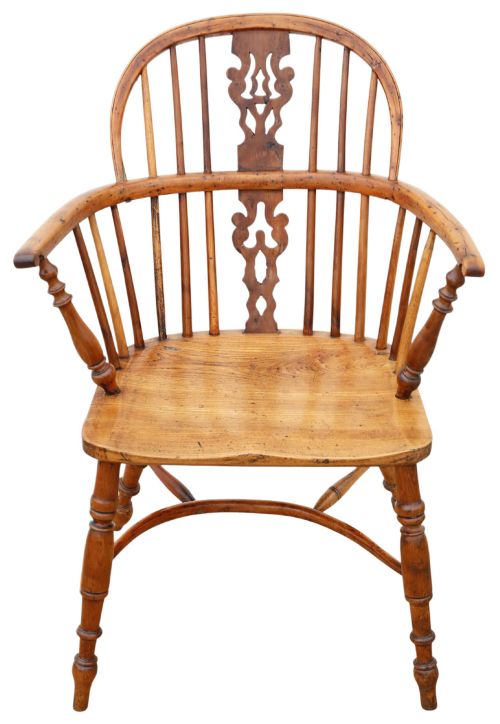
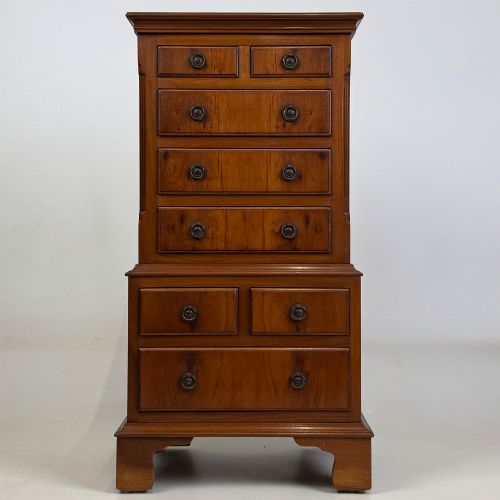
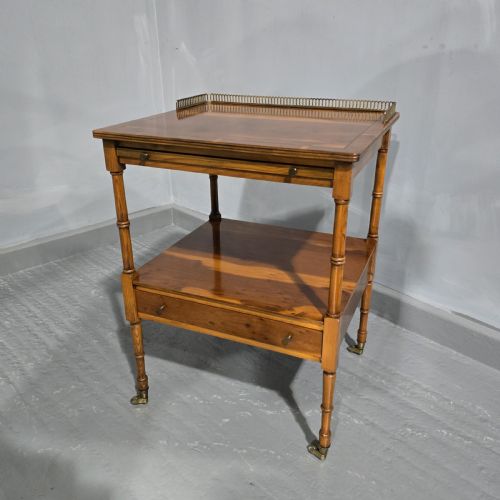
When you search for vintage yew wood furniture, you encounter a selection spanning the eighteenth, nineteenth, and early twentieth centuries. The assortment includes seating such as Windsor armchairs, alongside occasional tables, chests of drawers, and small cabinets. English country vernacular traditions strongly influence these forms, pairing robust construction with distinctive timber.
Windsor chairs represent a major portion of the seating available, often combining yew with elm for seats or bends. Case pieces like chests of drawers and side tables appear in both solid timber and burr yew veneer. These items emerge from various periods including the Georgian, Regency, and Edwardian eras, reflecting enduring craftsmanship across rural and urban workshops.
How they were made
Makers utilised solid yew wood, burr yew veneer, and supporting timbers like elm and ash to construct these pieces. Windsor chairs typically feature turned legs and spindles socketed into sculpted elm or yew seats, demonstrating traditional joinery methods. Cabinet makers applied decorative veneers over secondary woods for drawer fronts and case pieces, highlighting the natural figuring of the timber.
Metal fittings such as brass handles and bindings appear on specific storage items like serving cabinets. Surface finishes were traditionally built up with oils or polishes to protect the wood while accentuating the deep reddish-brown tones and distinctive grain patterns inherent to yew.
The listings span the eighteenth century to the mid-twentieth century, featuring materials such as yew, elm, ash, oak, and brass.
What varies in quality
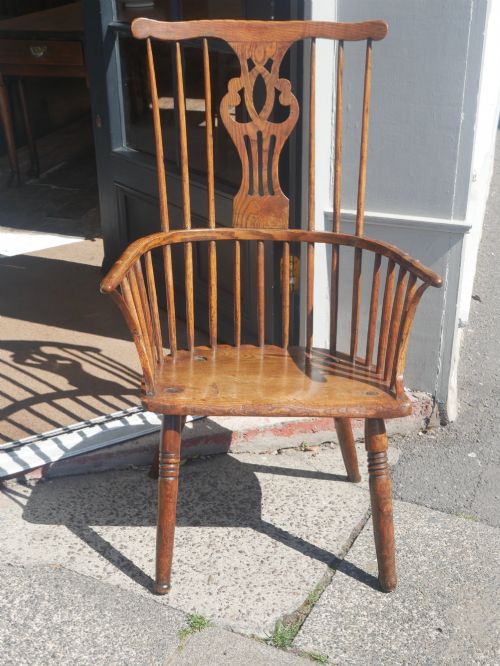
The visual appeal of vintage yew wood furniture depends heavily on the selection and figuring of the grain, particularly in burr veneers and solid boards. Superior examples exhibit rich colouration and balanced proportions, whether in the dramatic sweep of a comb-back Windsor chair or the clean lines of a Georgian chest. Construction integrity also dictates value, with tight joints and original components commanding greater appreciation.
Regional attribution and specific structural variations influence desirability among collectors. Pieces retaining their original surface patination and unblemished timber show a higher degree of preservation compared to those with extensive replacement parts or heavy restoration.
The Vintage Yew Wood Furniture Glossary
- Comb-back
- A Windsor chair variation where the central spindles extend up through a low horizontal crest rail to form a comb-like top. This design provides robust back support and requires skilled steam-bending of the wood.
- Burr yew veneer
- A thin slice of wood cut from a yew tree growth abnormality, prized for its swirling, intricate grain pattern. Cabinet makers applied this veneer to prominent surfaces like drawer fronts.
- Elm
- A durable, tough timber frequently used alongside yew for chair seats because it resists splitting when driven with legs and spindles. Its interlocking grain provides structural strength.
- Vernacular furniture
- Items made by local craftsmen for everyday use, following regional traditions rather than high-style metropolitan designs. These pieces often display practical ingenuity and regional material combinations.
Vintage Yew Wood Furniture: Frequently Asked Questions
How do I care for yew wood furniture?
Keep yew wood pieces away from direct heat sources and strong sunlight to prevent the timber from drying out or fading. Apply a traditional beeswax polish occasionally to nourish the surface and maintain its natural lustre.
Avoid using harsh chemical sprays or excessive water when cleaning. A soft, dry cloth is sufficient for removing dust and everyday debris.
What is the difference between solid yew and burr yew?
Solid yew consists of regular timber milled from the trunk or branches of the tree, displaying a straight or gently wavy grain. It offers structural stability and robust durability for items like table tops and chair legs.
Burr yew comes from a wart-like growth on the tree, yielding an intensely figured veneer full of small knots and swirling patterns. It was used decoratively on the exterior surfaces of finer chests and cabinets.
How do I date a yew wood piece?
Dating involves examining the construction techniques, tool marks, timber preparation, and design characteristics relative to known periods like the Georgian or Edwardian eras. Hand-cut dovetails, timber shrinkage patterns, and specific regional styles provide reliable chronological clues.
Secondary woods used in drawer linings and interior framing also help narrow down the period of manufacture, as material availability shifted over the centuries.