
Vintage Yellow Sapphire
Vintage yellow sapphire jewellery brings together bright corundum gems and precious metals across Edwardian, Art Deco, and mid-century periods.
Vintage Yellow Sapphire
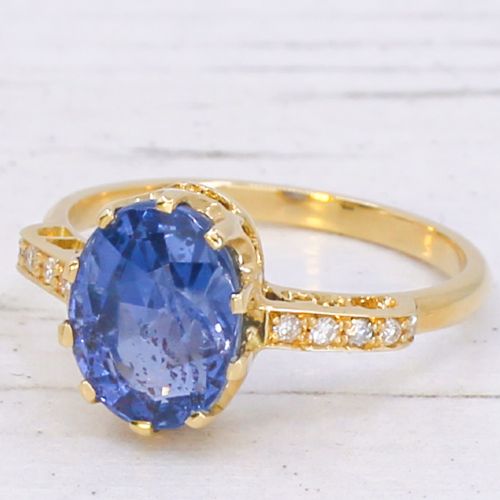
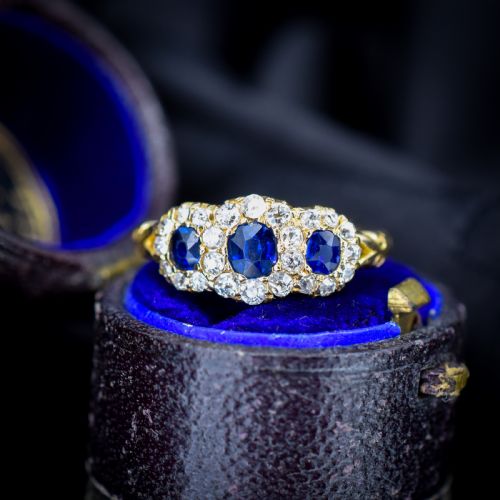
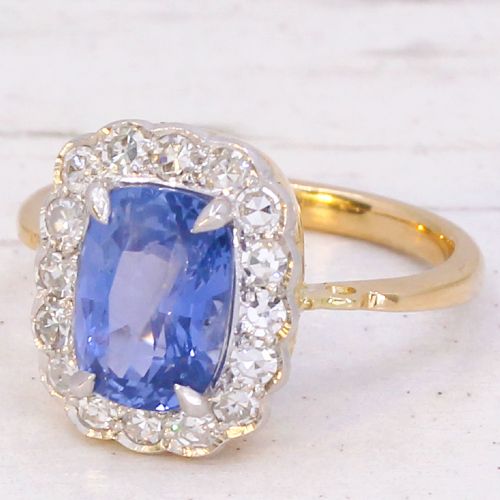
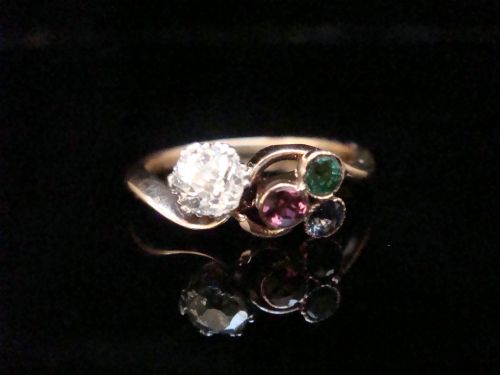
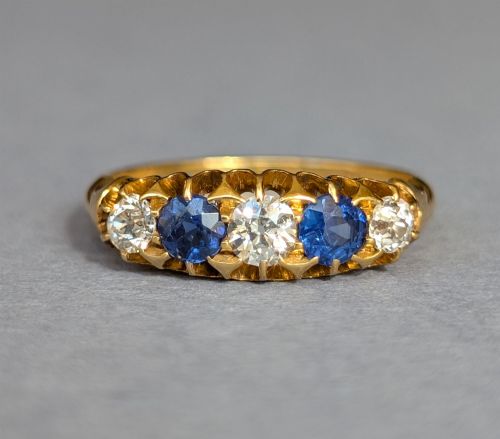
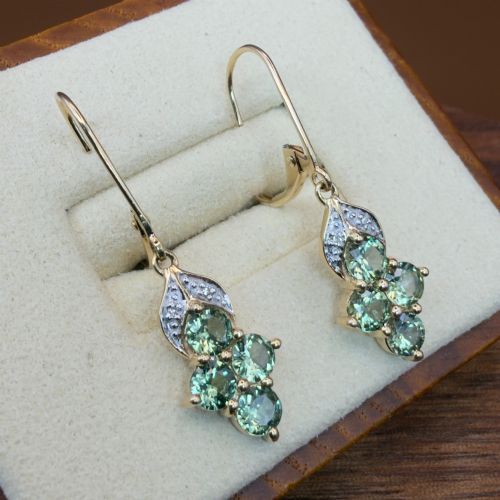
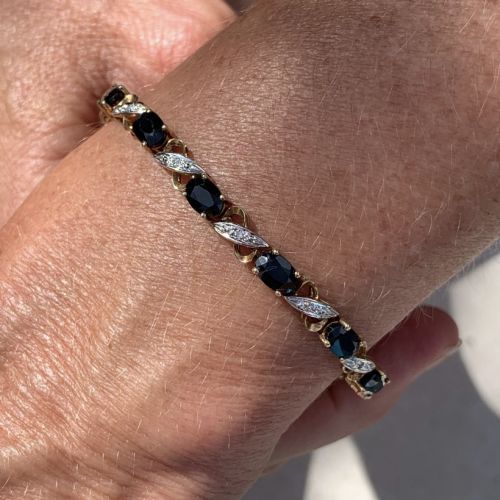
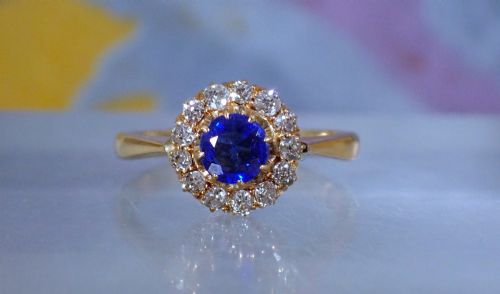
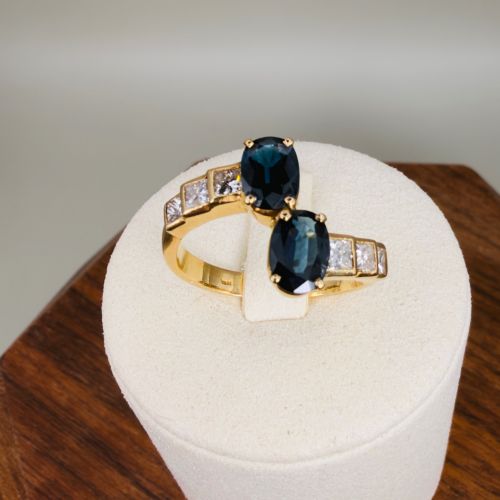
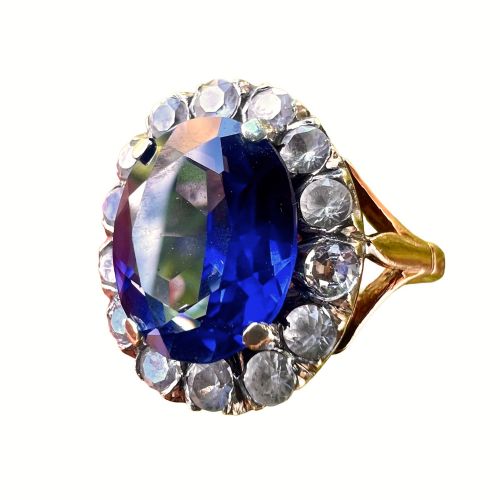
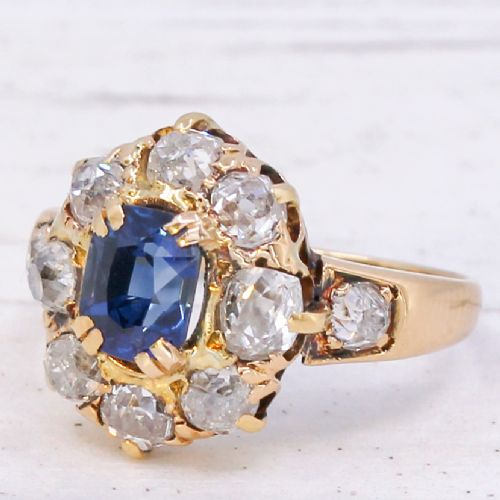
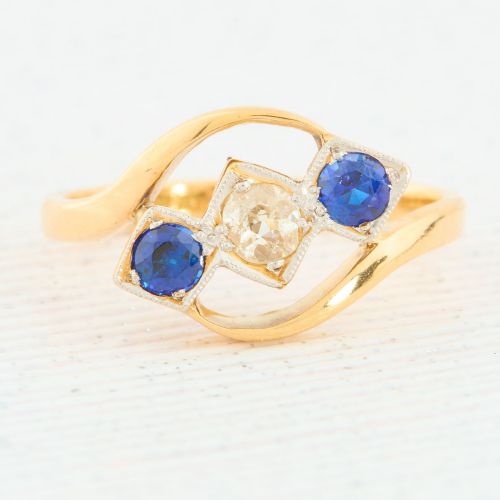
When searching for vintage yellow sapphire, buyers encounter a diverse selection of jewellery focused primarily on rings, alongside pendants, earrings, and bracelets. Cluster rings from the Art Deco period, set with emerald-cut or round stones alongside diamonds in platinum or 18ct gold, appear frequently.
The selection also spans Edwardian daisy clusters, Victorian brooches, and mid-century designs in yellow gold. These pieces utilise natural unheated gemstones as well as treated varieties mounted in enduring precious settings.
Materials and construction techniques
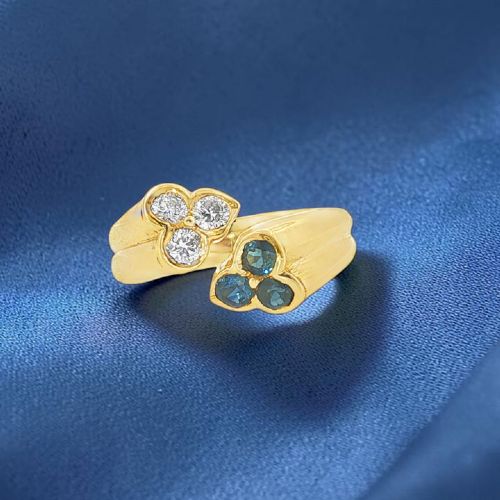
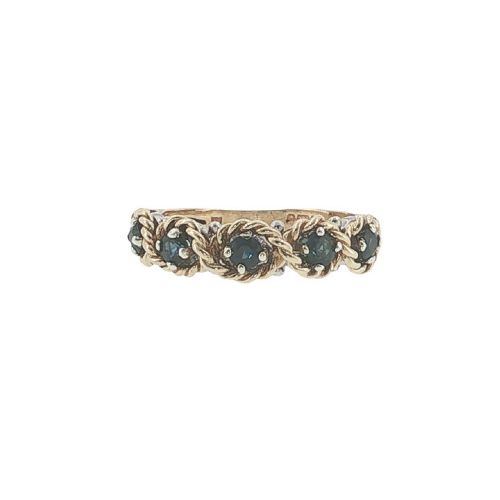
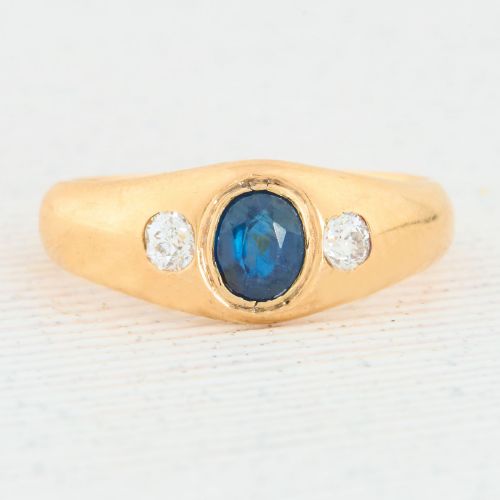
Maker construction relies heavily on 18ct yellow gold, 9ct gold, and platinum as the primary mount materials for securing gemstones. Stones are integrated using claw settings, bezel mounts, or flush gypsy settings alongside accent diamonds.
Gems such as Ceylon sapphires are shaped into emerald, round, or cushion cuts to maximise brilliance within cluster and halo arrangements. Metalwork often incorporates detailed basket settings, millegrain edges, and pierced galleries.
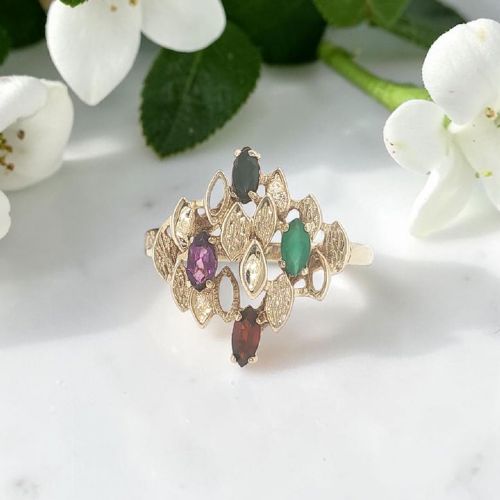
Elephants, charm pendants, and jade accents occasionally join the sapphire cluster lineup.
Quality variations in vintage pieces
Quality differences depend on the natural origin, saturation, and thermal treatment status of the central sapphire. Unheated stones from regions like Ceylon command greater interest for their natural colour purity.
The precision of the accompanying diamond work, the weight and purity of the gold or platinum mount, and the overall integrity of the setting influence the standard of each piece.
Kutchinsky
The Vintage Yellow Sapphire Glossary
- Cluster ring
- A ring featuring a central gemstone surrounded by a border of smaller stones, typically diamonds. This style was widely utilised during the Victorian, Edwardian, and Art Deco periods.
- Ceylon sapphire
- A corundum gemstone originating from Sri Lanka, noted for its bright and vibrant colour profile. These stones appear frequently in mid-century and earlier cluster designs.
- Platinum
- A dense, durable precious metal utilised extensively in Art Deco jewellery manufacturing. Its strength allows for fine, secure settings around delicate gemstones.
- Old cut diamond
- A hand-faceted diamond cut popular in antique and vintage jewellery before the adoption of modern brilliant standards. These stones exhibit smaller tables and open culets.
- Gypsy ring
- A ring style where the gemstones are flush-set directly into a heavy tapered metal band. This form dates back to the Victorian and Edwardian eras.
Vintage Yellow Sapphire: Frequently Asked Questions
What periods do these yellow sapphire pieces come from?
The available selection spans multiple historical eras, including Victorian, Edwardian, Art Deco, and mid-century decades up to the 1970s. Each era introduces distinct design characteristics in metal choice and stone arrangement.
Art Deco examples frequently utilise platinum geometric mounts, while Edwardian pieces favour delicate yellow gold and silver-topped settings.
Are the yellow sapphires natural or treated?
Many listings feature natural corundum, with specific pieces highlighting unheated stones originating from regions such as Ceylon or Burma. Gemological reports often accompany unheated stones to verify their natural status.
Synthetic alternatives also appear alongside natural gems in period pieces, particularly within specific cluster configurations.
Which metal types are most common?
Gold and platinum form the foundation of these vintage items, with 18ct yellow gold and 9ct gold appearing across rings, bracelets, and pendants. Platinum is particularly prevalent in Art Deco cluster designs.
Combinations of yellow gold bands with white metal settings around the stones are also standard across many historical periods.
How should I care for vintage sapphire jewellery?
Corundum ranks high on the Mohs hardness scale, making sapphire durable for regular wear, though precious metal mounts require gentle handling. Professional cleaning helps maintain the security of claw and bezel settings over time.
Store pieces individually to prevent softer accent stones like pearls or diamonds from scratching adjacent metals.