
Vintage Yellow Sapphire Ring
A vintage yellow sapphire ring brings together warm golden gemstones and durable precious metals across Edwardian, Art Deco and mid-century designs.
Vintage Yellow Sapphire Ring
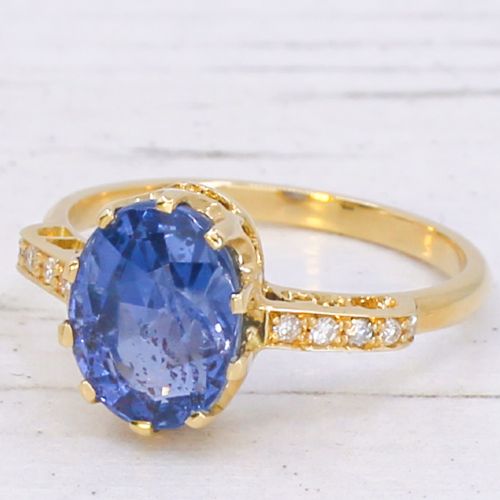
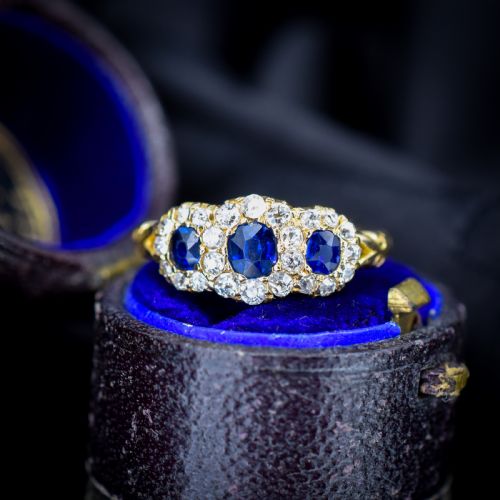
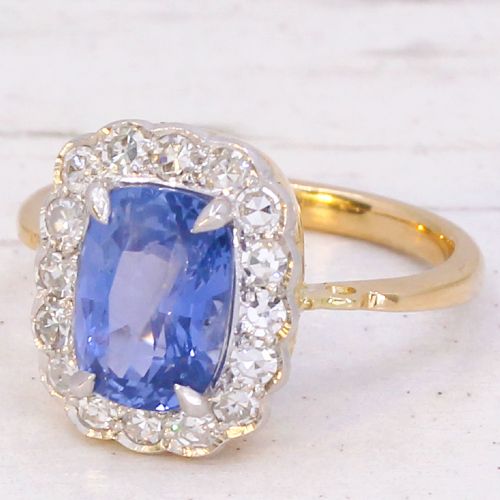
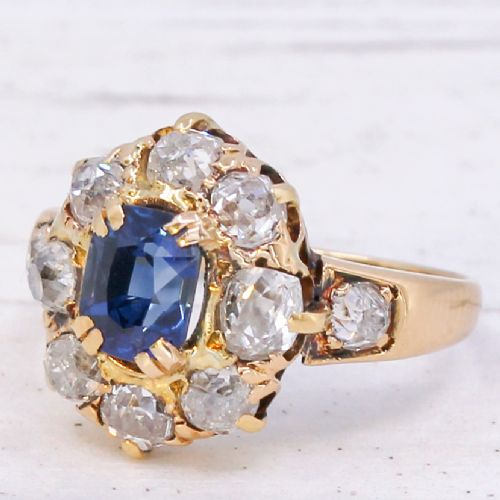
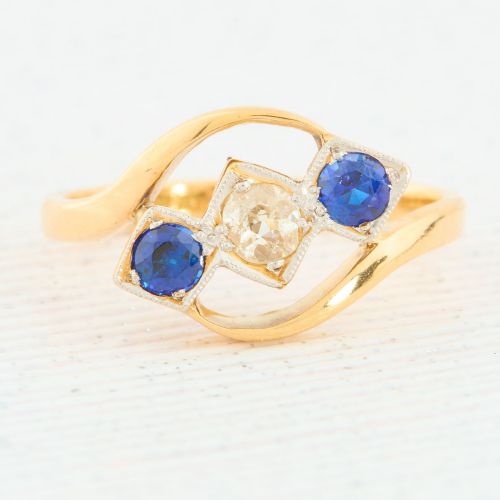
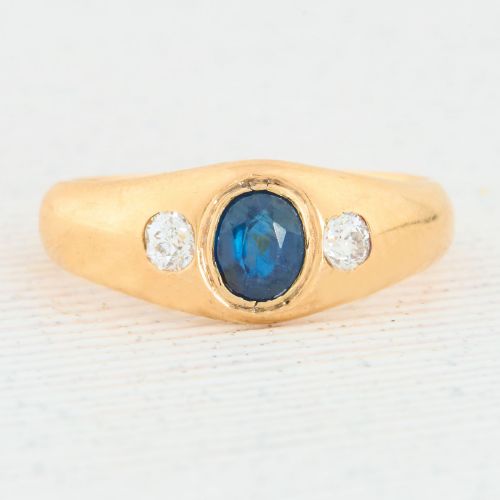
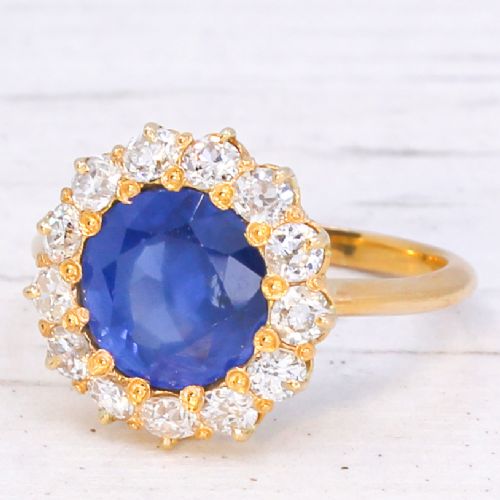
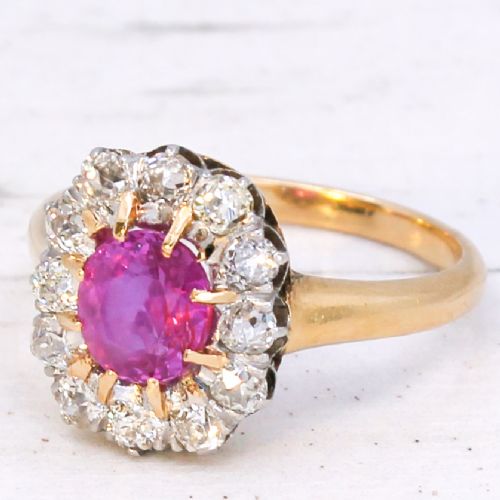
A vintage yellow sapphire ring is a finger ornament typically centered around a yellow corundum gemstone, often flanked by supporting diamonds in cluster, target or halo settings. When searching this phrase, buyers encounter examples originating from periods such as the Edwardian era, the Art Deco years, and the mid-twentieth century.
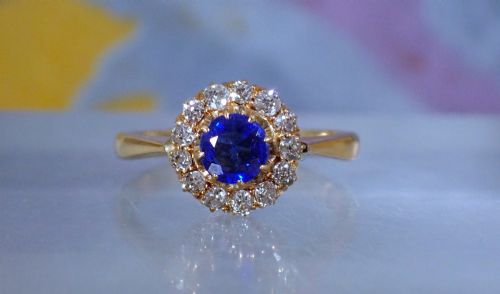
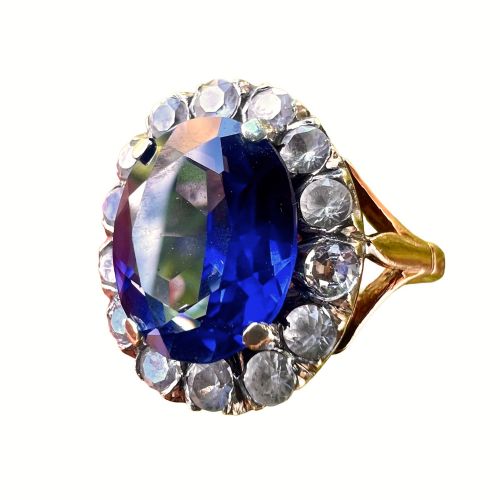
The most common formats on this page include platinum and 18ct yellow gold cluster configurations, where central emerald-cut or oval-cut yellow sapphires are surrounded by brilliant or old-cut diamonds. Simpler band styles and multi-stone arrangements also appear among pieces dating from nineteen-hundred onwards.
What varies in quality
The overall standard of a vintage yellow sapphire ring depends heavily on the natural origin, thermal treatment status, and clarity of the central gemstone. Unheated sapphires originating from specific localities command distinct attention compared to treated stones.
Metalwork execution and diamond selection further differentiate pieces across the range. Hand-finished platinum settings and well-matched old-cut diamonds demonstrate superior craftsmanship relative to standard commercial output.
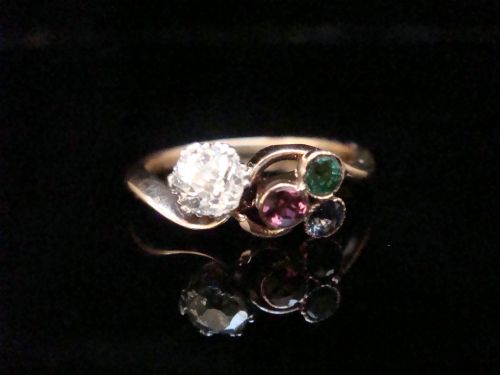
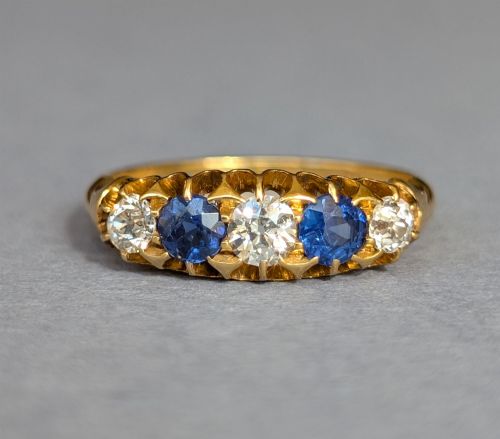
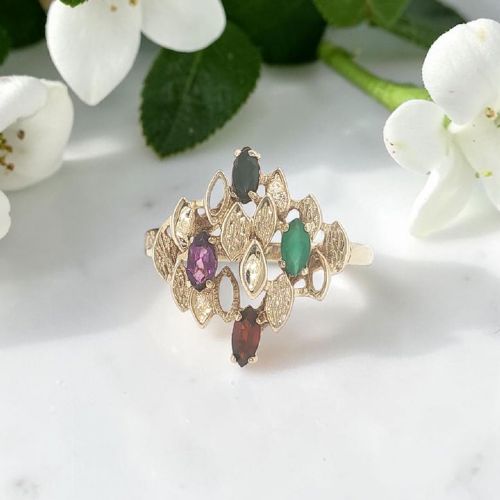
Some Edwardian rings managed to squeeze emerald, tourmaline, sapphire, diamond, and ruby all onto a single cheerful finger.
Kutchinsky
The Vintage Yellow Sapphire Ring Glossary
- Cluster ring
- A ring design featuring a central gemstone surrounded by a group of smaller accent stones, typically diamonds. This layout maximises visual presence on the hand.
- Old cut diamond
- A diamond cut by hand before modern machinery standardised facets, characterised by a small table and high crown. These stones exhibit a softer, warmer light reflection.
- Platinum
- A dense, durable white precious metal utilised extensively in twentieth-century jewellery fabrication. It holds small claw settings securely without losing structural integrity.
- Target ring
- A concentric ring style where bands of calibre-cut stones or pavé diamonds encircle a central gem in geometric tiers. The appearance resembles a traditional target graphic.
- Unheated sapphire
- A natural corundum gemstone that has undergone no artificial heat enhancement to improve its colour or clarity. Such stones are documented with gemological laboratory reports.
Vintage Yellow Sapphire Ring: Frequently Asked Questions
How do I wear a vintage yellow sapphire ring daily?
These rings require sensible care during manual tasks, particularly when set in softer 9ct gold or featuring delicate claw arrangements. Removing the jewellery during heavy work protects the metal and stones from unintended impacts.
Regular inspection by a professional jeweller ensures that gemstone settings remain secure over years of regular use. Gentle cleaning with warm soapy water restores surface brilliance without harming the metal.
What periods do these rings come from?
The available selection spans the Edwardian era, the Art Deco period, and mid-century decades up to nineteen-seventy and beyond. Each era introduces distinct design characteristics, from delicate Edwardian filigree to geometric Art Deco symmetry.
Matching a ring to a specific period involves examining the mounting style, metal combinations, and gemstone cutting techniques. Hallmarks stamped inside the band often provide definitive confirmation of the assay year and origin.
Are yellow sapphires treated?
Many yellow sapphires undergo traditional heating processes to intensify colour and improve internal clarity. Untreated stones occur naturally and are specifically noted in gemological documentation when present.
Both treated and natural stones possess the same mineral hardness, making them suitable for long-term wear. Laboratory reports accompany certain pieces to verify the exact status of the sapphire.
What metals are used in these rings?
Jewellery makers utilised 18ct yellow gold, 9ct gold, and platinum across the various manufacturing periods. Platinum gained particular favour during the Art Deco years for its bright white finish and structural strength.
Combinations of yellow gold bands and white metal settings are also common, allowing warm tones to frame the finger while accentuating white diamonds. Hallmarking conventions help identify the exact gold purity employed in each mount.