

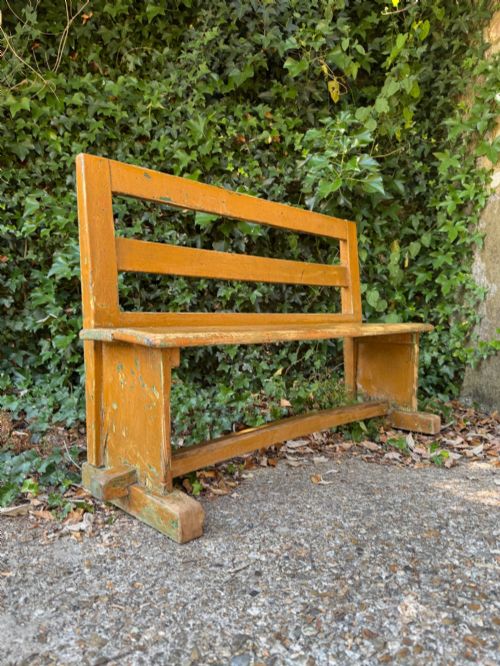


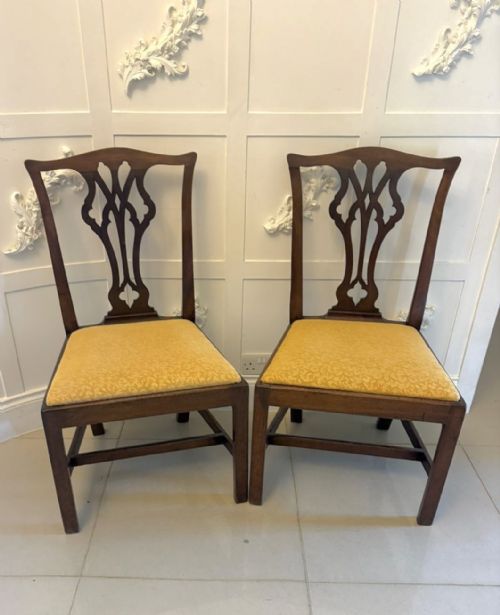
Vintage Yellow Chairs
These vintage yellow chairs bring warmth and history to a room, offering distinct period character through varied forms.
Vintage Yellow Chairs
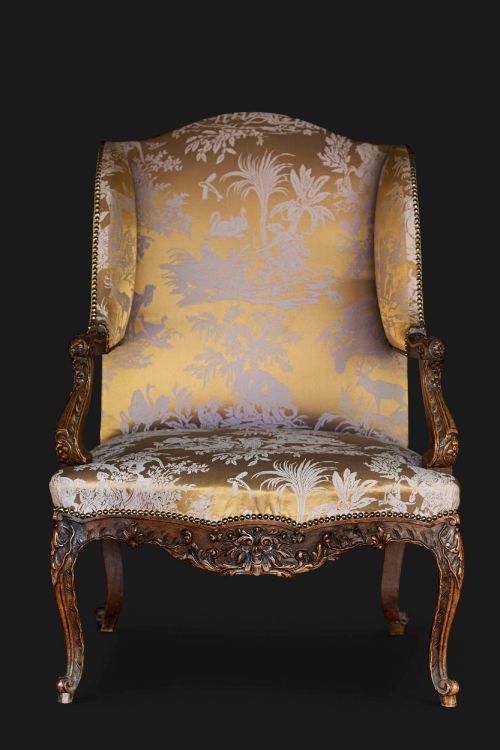
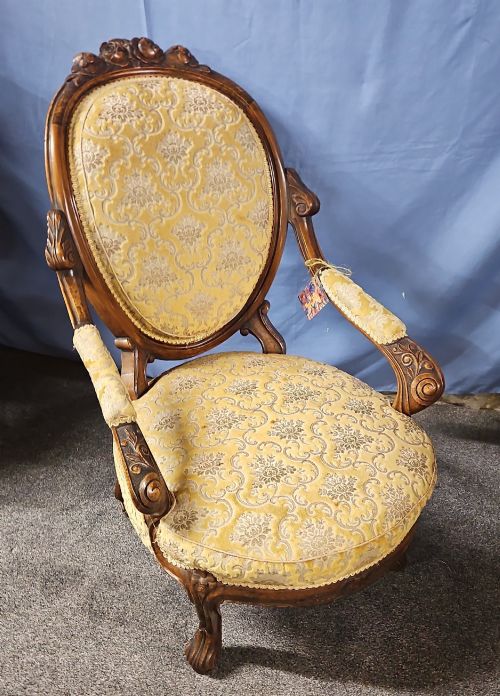
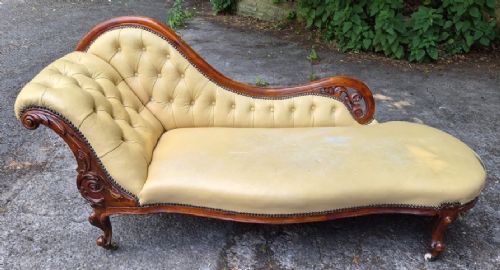
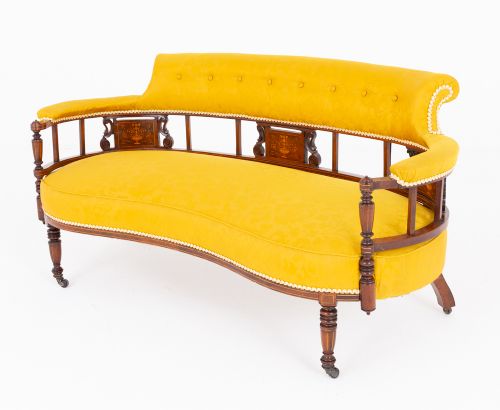
Vintage yellow chairs comprise a diverse selection of seating spanning multiple centuries and design movements. Buyers searching for vintage yellow chairs encounter various forms ranging from dining chairs and armchairs to chaise longues and settees. The pieces recorded here reflect historical periods including the Victorian era, the Edwardian period, and the Regency era.
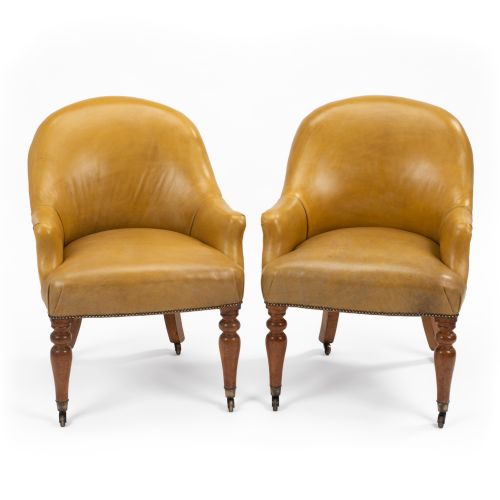
The selection includes dining chairs, salon chairs, and library chairs alongside larger pieces like benches and settees. Frames appear in woods such as mahogany, walnut, oak, rosewood, and satinwood, frequently paired with textile or leather upholstery. Many examples demonstrate revivalist aesthetics, including Georgian style and Regency revival forms.
Materials and construction
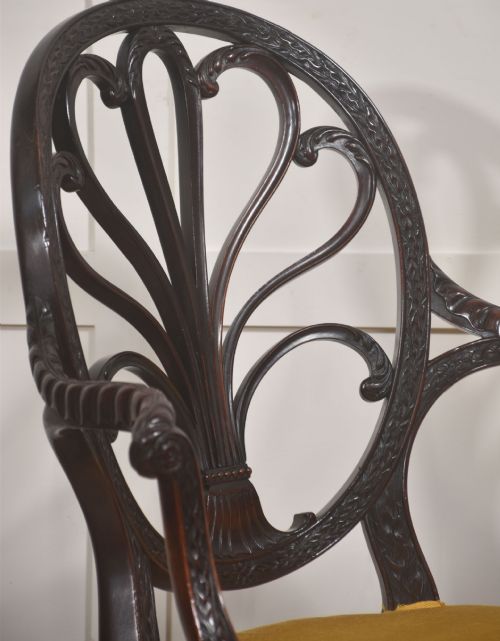
Makers constructed the timber frames of these chairs using traditional joining methods in hardwoods like mahogany, walnut, and oak. Frame ornamentation frequently involved carved details, string inlay, or painted finishes applied to woods such as satinwood and bamboo.
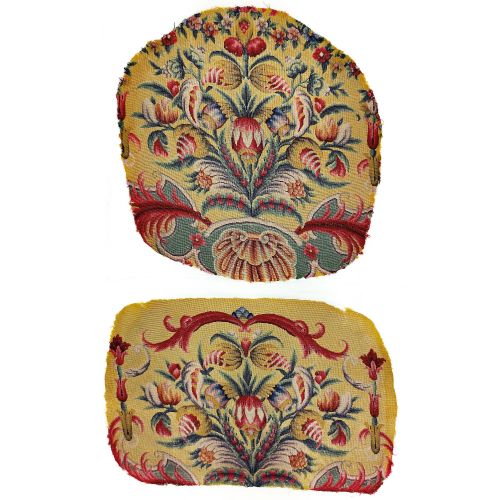
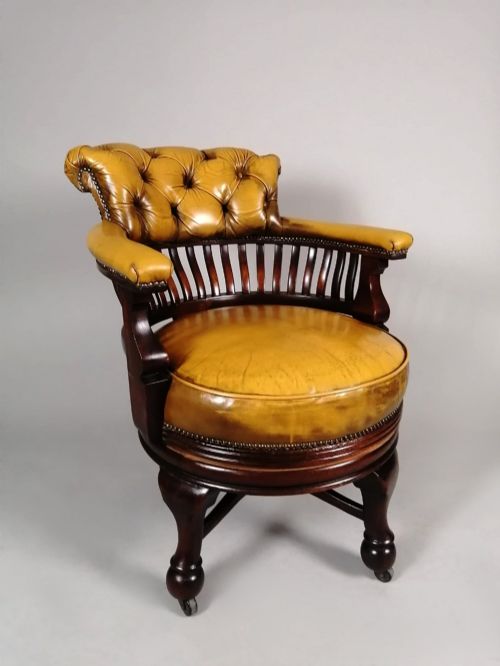
Upholstered elements rely on period textiles including fabric, velvet, and leather, alongside needlepoint tapestry panels. Internal support structures incorporate traditional padding and webbing methods suited to the respective nineteenth and twentieth-century periods of origin.
Vintage Yellow Chairs Retail Price Guide 2026
Typical asking prices for vintage yellow chairs among the pieces listed under this phrase on Sellingantiques today, from the lower quarter to the upper quarter. They describe what is for sale here now, not the wider market.
A nineteenth-century Venetian gondola chair brings aquatic elegance firmly onto dry land.
Determining quality in the selection
Quality differences emerge in the execution of carved woodwork and the precision of inlaid details on the frame. Master craftsmen achieved greater refinement in proportion and joinery, distinguishing bespoke pieces from standard production items.
The choice of covering material and the preservation of original or sympathetic upholstery contribute significantly to a piece's integrity. Timber selection, such as figured rosewood or dense mahogany, also dictates the distinction between standard and superior examples.
Harrods London·Gillows
The Vintage Yellow Chairs Glossary
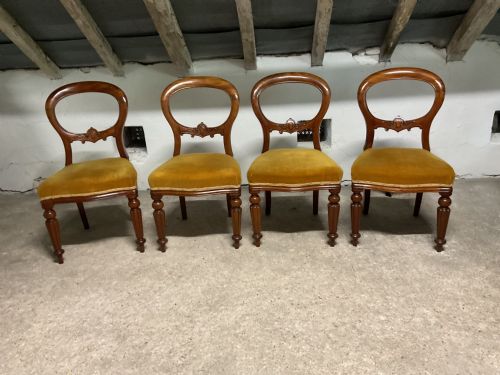
- Balloon back
- A rounded, hollowed chair back shaped like the profile of a balloon, popular during the Victorian period.
- Gainsborough chair
- A wide, open-armed armchair with a low seat and upholstered back, originating in the eighteenth century.
- Satinwood
- A pale, hard wood with a natural sheen used extensively for fine cabinetmaking and decorative string inlay.
- Needlepoint
- A type of canvas work embroidery utilised for decorative upholstery panels on nineteenth-century seating.
Vintage Yellow Chairs: Frequently Asked Questions
How do I identify a Victorian chair?
Victorian chairs frequently display dark hardwoods like mahogany or walnut with substantial carved ornamentation. Common forms include balloon backs and spoon backs.
Upholstery and frame shapes often reflect revival styles influenced by earlier historic periods, combined with nineteenth-century manufacturing techniques.
What is an Edwardian salon chair?
Edwardian salon chairs are lighter seating pieces designed for drawing rooms during the early twentieth century. They often feature inlaid mahogany or satinwood frames.
These chairs tend to have slender legs and decorative backsplats, prioritising aesthetic grace within formal spaces.
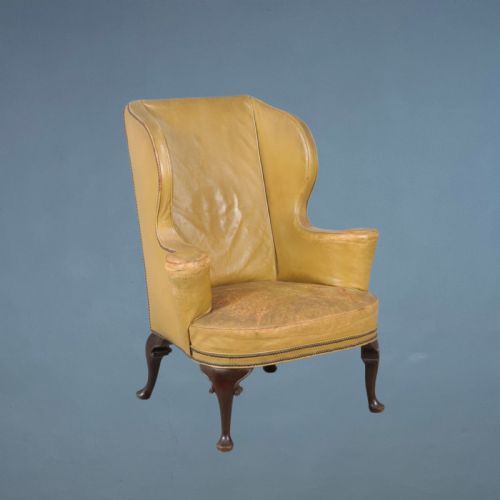
Where were wingback armchairs used?
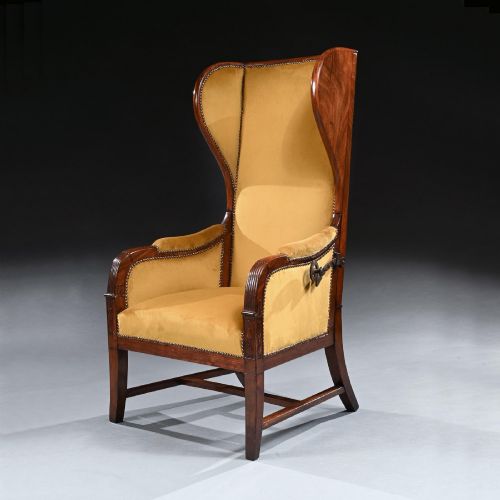
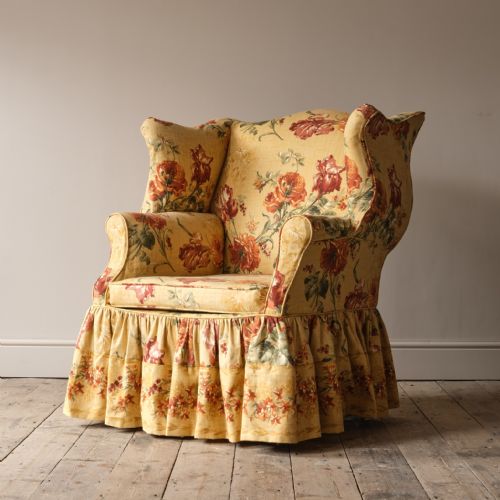
Wingback armchairs originated to protect occupants from draughts near fireplaces in large rooms. The characteristic wings trapped heat and shielded the person seated.
Later periods adapted the form for libraries and parlours, incorporating leather or heavy textile upholstery.
How should I care for antique wood?
Antique wooden frames benefit from minimal intervention using appropriate beeswax or specialist polish to nourish the timber. Avoid placing pieces in direct sunlight or near heat sources.
Consistent indoor humidity prevents the timber and traditional joinery from drying out over time.