

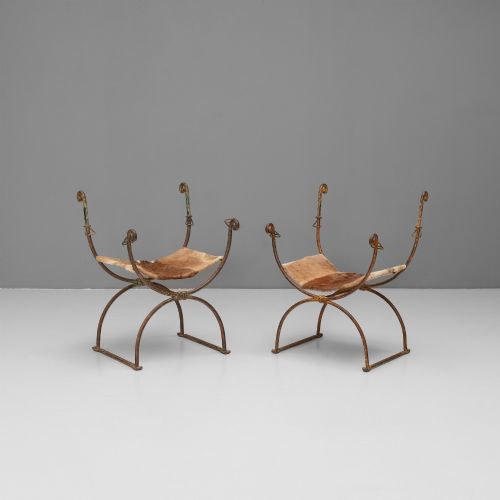
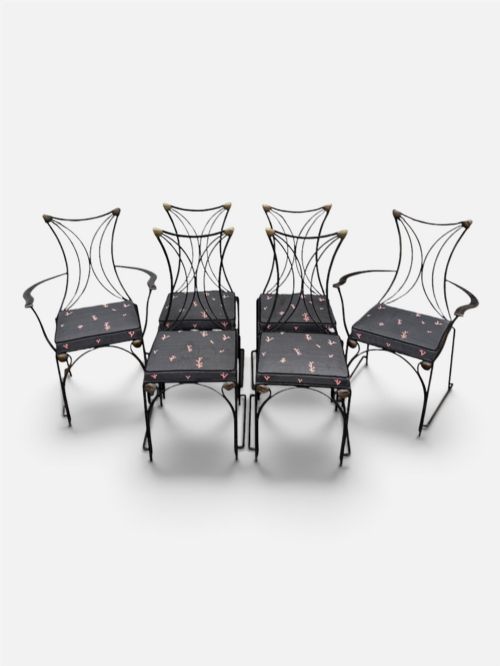
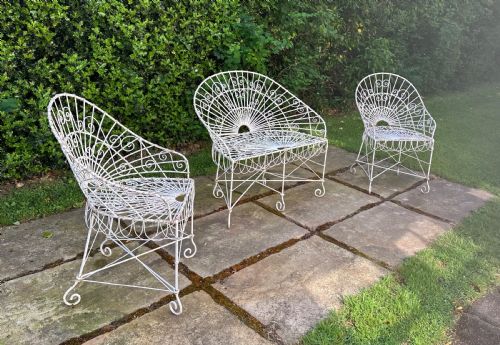
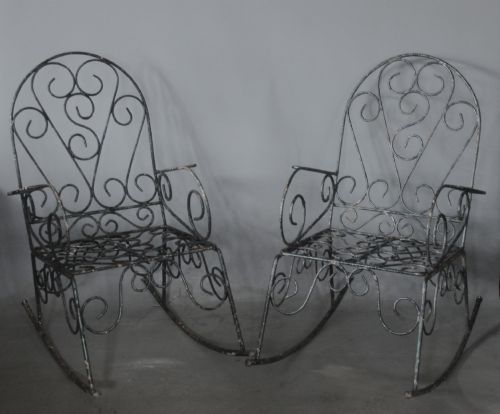
Vintage Wrought Iron Chairs
These vintage wrought iron chairs bring robust metalwork and timeless garden seating into domestic and outdoor spaces.
Vintage Wrought Iron Chairs
Vintage wrought iron chairs encompass robust seating solutions designed for gardens, conservatories, and domestic interiors alike.
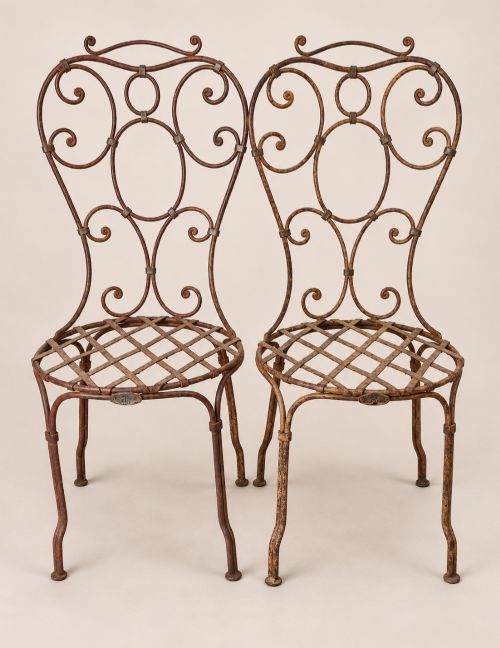
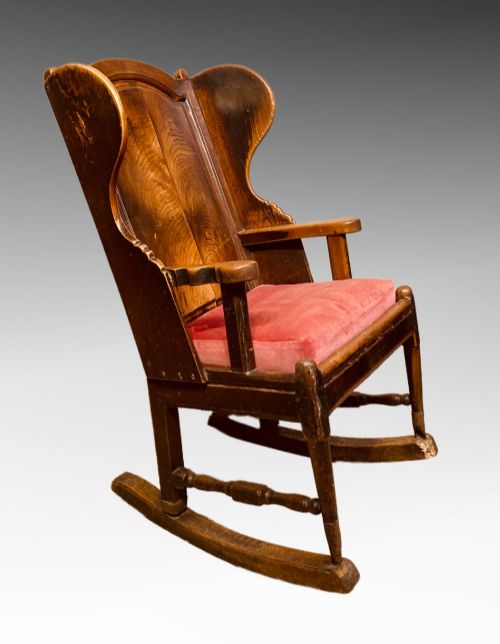
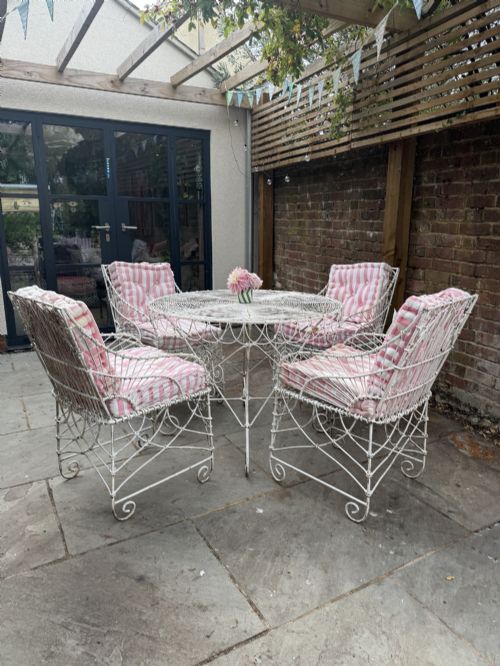
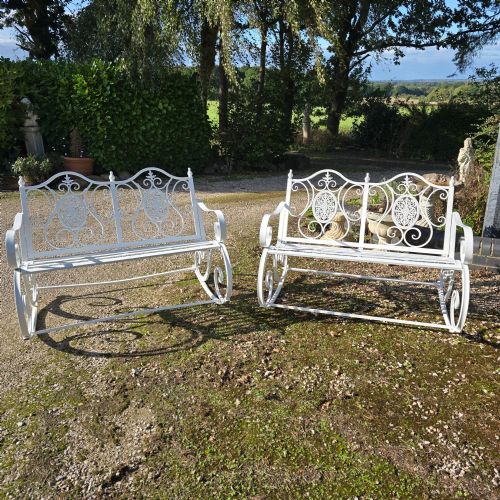
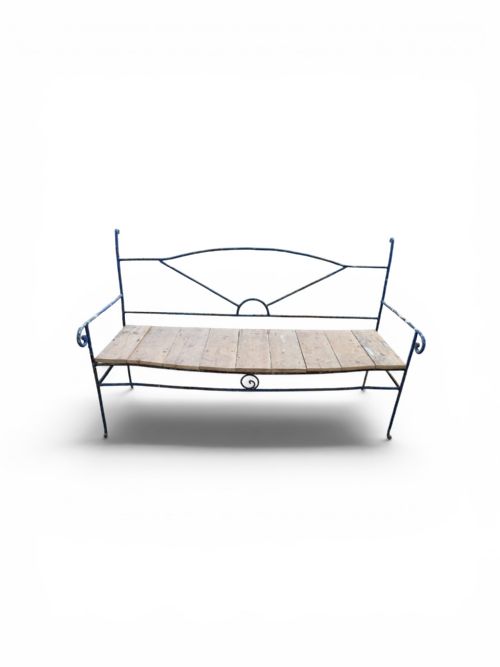
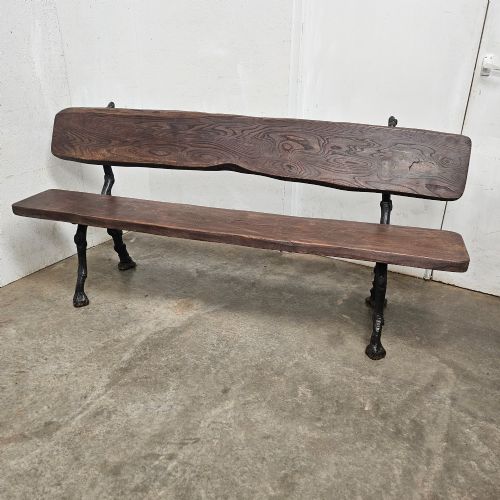
The selections available here range from Edwardian garden seats and French folding chairs to 19th-century vernacular rocking chairs incorporating elm.
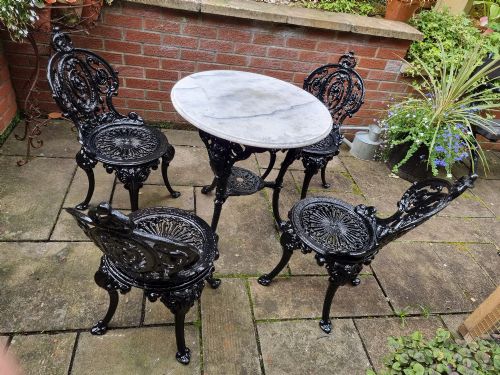
Buyers frequently encounter French bistro sets, Gothic style side chairs, and heavy cast iron dining suites originating across various early twentieth-century decades.
How they were made
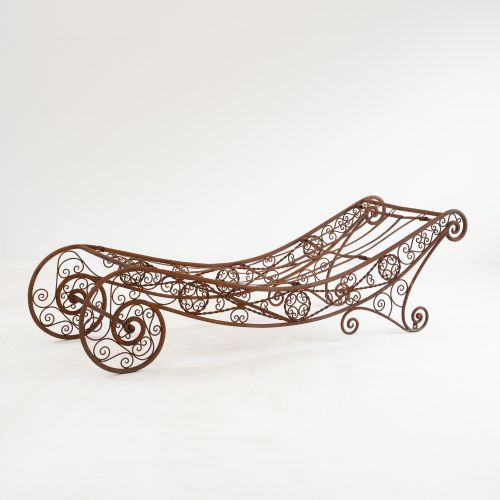
Artisans forged wrought iron and strap iron by hand, bending and shaping the metal into supportive frames and decorative scrollwork.
Many examples incorporate complementary materials such as elm timber seats, wirework mesh, zinc tops, and painted finishes to enhance durability and comfort.
Vintage Wrought Iron Chairs Retail Price Guide 2026
Typical asking prices for vintage wrought iron chairs among the pieces listed under this phrase on Sellingantiques today, from the lower quarter to the upper quarter. They describe what is for sale here now, not the wider market.
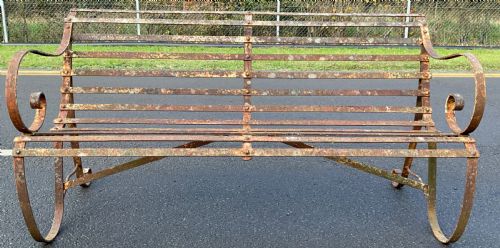
French folding chairs and bistro dining sets appear alongside heavy Victorian and Edwardian garden benches.
What varies in quality
Quality depends on the integrity of the forged metalwork, ranging from delicate strapwork and wirework details to heavy cast iron components.
The harmony between iron frames and added organic elements, such as elm seats or brass shell details, determines the refinement of each piece.
The Vintage Wrought Iron Chairs Glossary
- Wrought iron
- A tough, malleable form of iron that can be heated and forged into detailed structural shapes. It forms the primary chassis for these garden and fireside seats.
- Strap iron
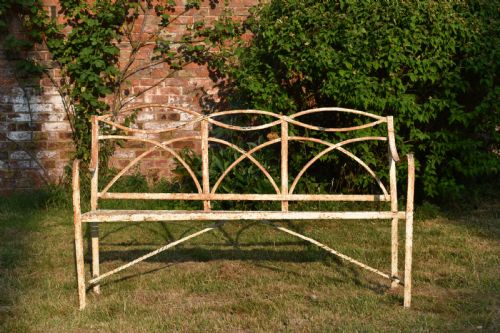
- Flat, narrow strips of iron used by blacksmiths to create supportive bands and openwork patterns. This technique appears frequently on Regency and Edwardian benches.
- Wirework
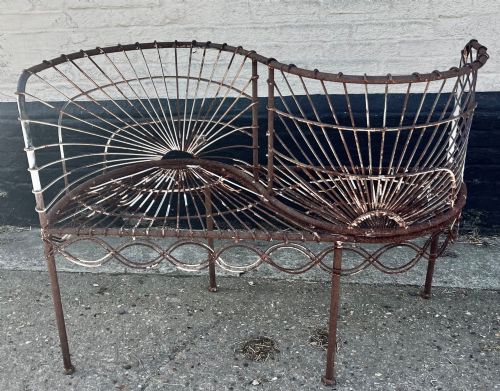
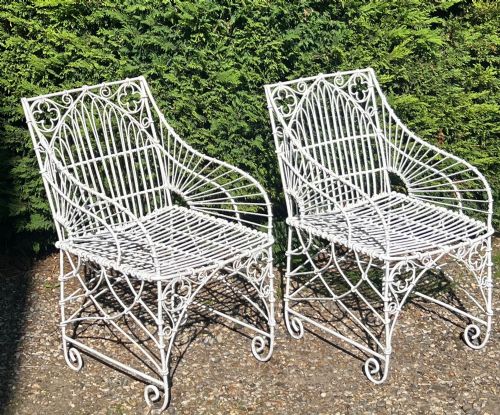
- An intricate technique involving woven or twisted metal wires to form mesh seats and backs. Victorian wirework pieces demonstrate this lighter decorative approach.
- Vernacular
- Objects made by local craftsmen using traditional regional methods rather than high-style academic designs. Vernacular examples often combine elm with iron.
- Faux bois
- A decorative technique mimicking wood grain on non-wooden materials like concrete or iron. French makers applied this finish to garden benches.
Vintage Wrought Iron Chairs: Frequently Asked Questions
Where were these chairs typically used?
These metal chairs served primarily as functional outdoor seating in European gardens, patios, and courtyards. Many pieces also furnished conservatories and interior domestic spaces.
Fireside variants, such as vernacular rocking wing chairs, brought sturdy metal and timber construction directly into living rooms.
How do I care for vintage iron seating?
Maintain iron frames by keeping them clean and protecting them from prolonged moisture exposure to preserve the existing paint or surface finish. Storing pieces indoors during harsher winter months prevents unnecessary weathering.
Wooden elements like elm seats benefit from occasional suitable conditioning to prevent drying out.
Can these chairs stay outside year-round?
While durable, heavy iron and cast iron pieces handle outdoor conditions better than mixed-media designs incorporating timber or brass details. Protecting vulnerable joints and fabric cushions extends their lifespan significantly.
Sheltered patio areas or winter storage keep delicate wirework and folding mechanisms in prime condition.