
Vintage Wristwatch
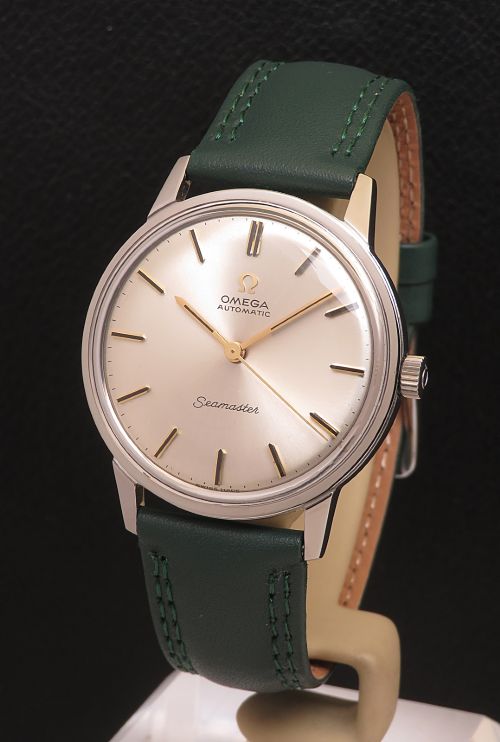
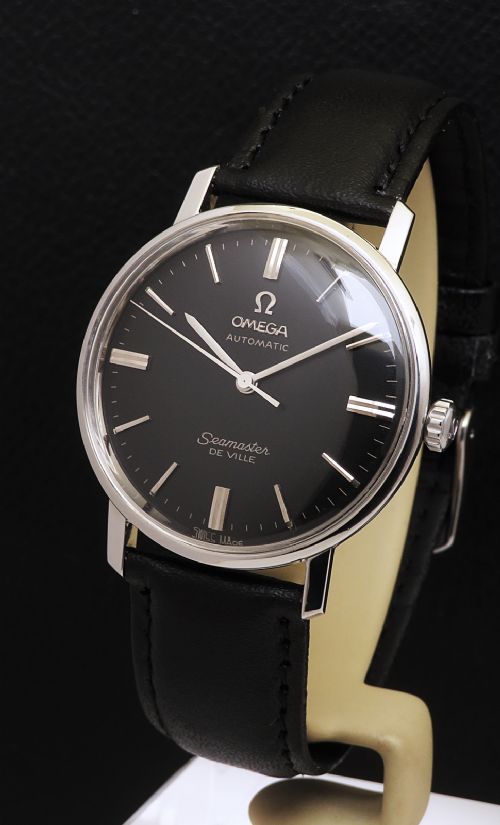
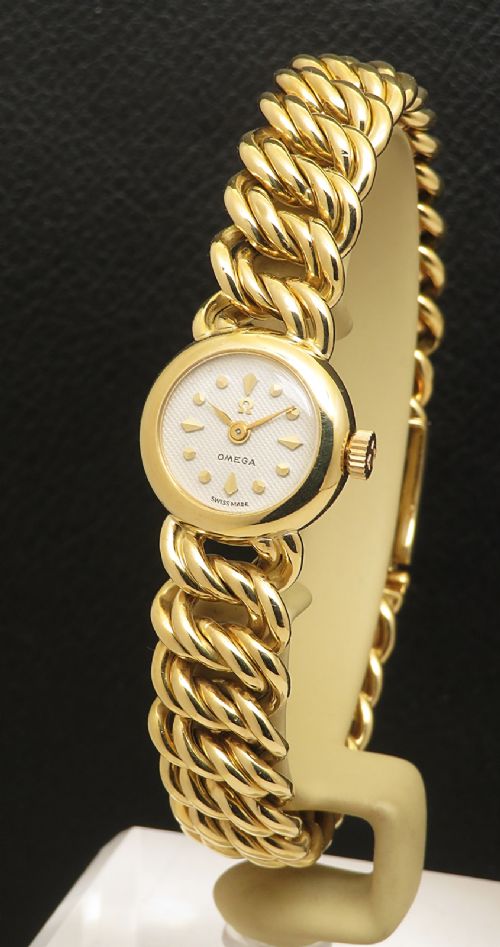
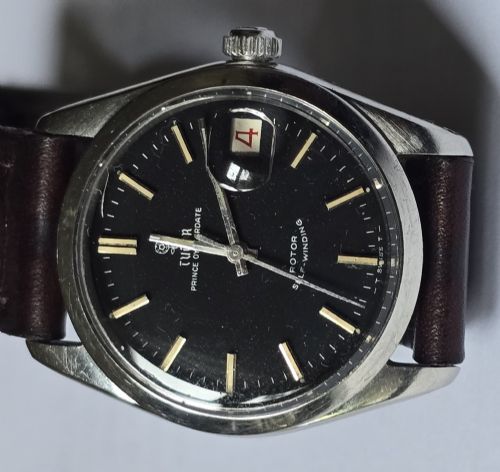
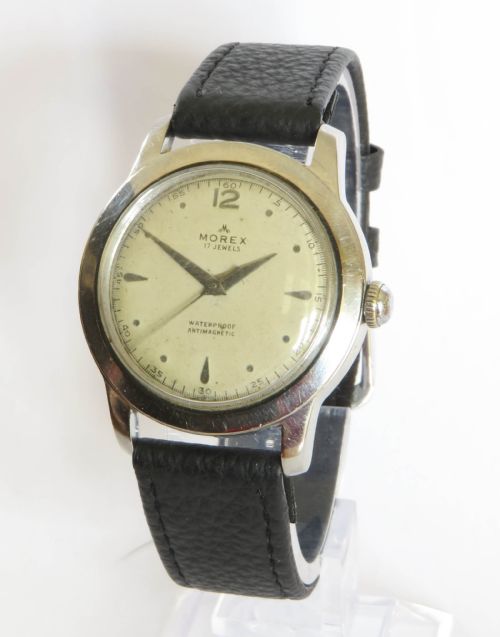
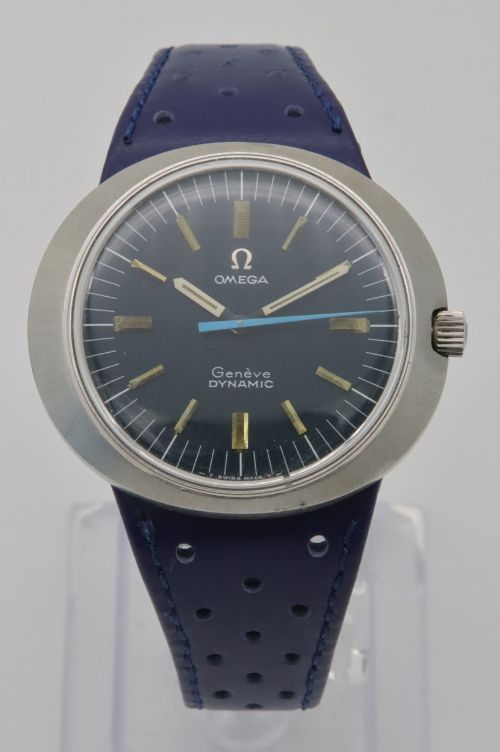
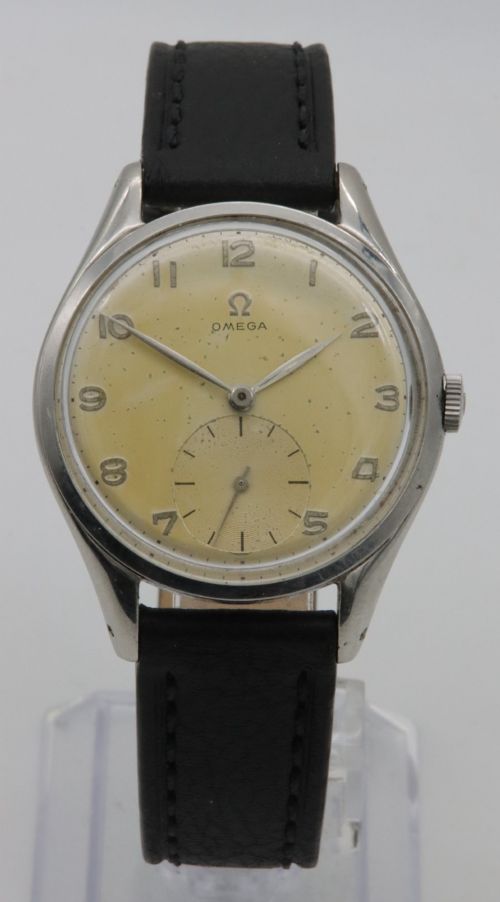
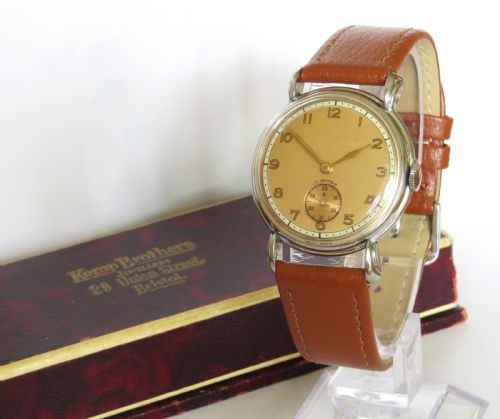
A vintage wristwatch delivers mechanical heritage and enduring design to the wrist, spanning decades of horological craft from robust military pieces to elegant gold dress designs.
Vintage Wristwatch
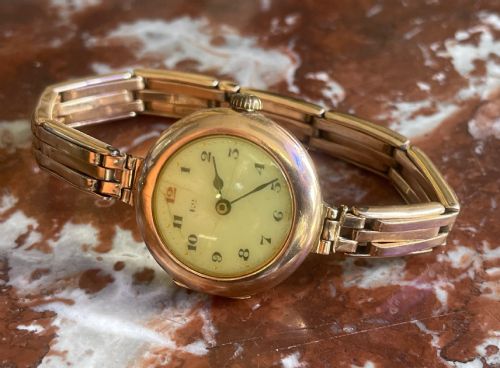
A vintage wristwatch bridges practical timekeeping and wearable history, capturing decades of changing design from austere military pieces to refined evening wear. When exploring this phrase, buyers encounter mechanical and automatic timepieces spanning from the Edwardian era through the dynamic shapes of the 1970s.
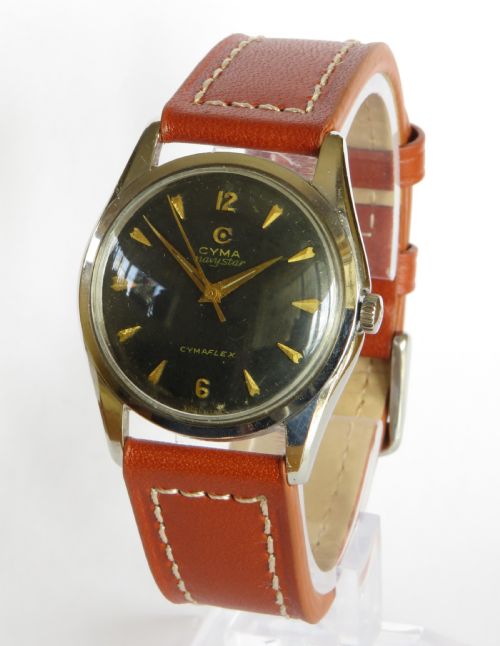
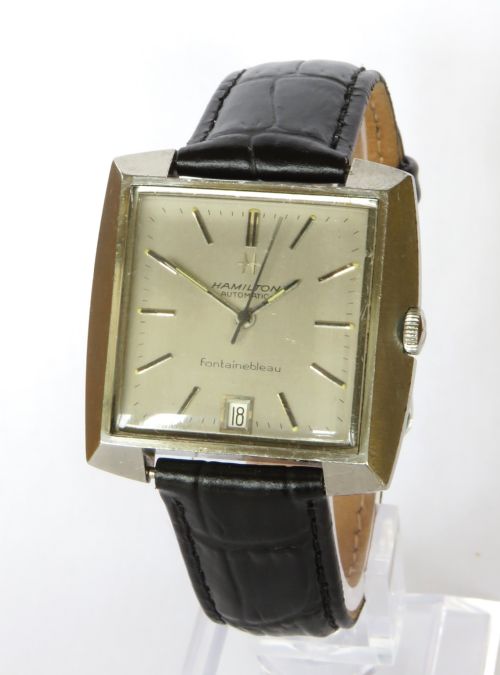
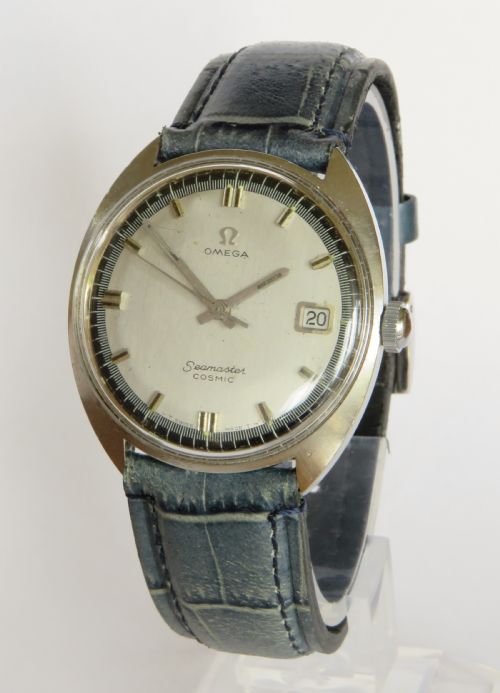
The selection centres heavily on mid-century creations, particularly robust automatics and elegant dress models produced during the 1950s and 1960s. These decades generated significant variety in both ladies and gents forms, utilising traditional metals and early synthetic crystals.
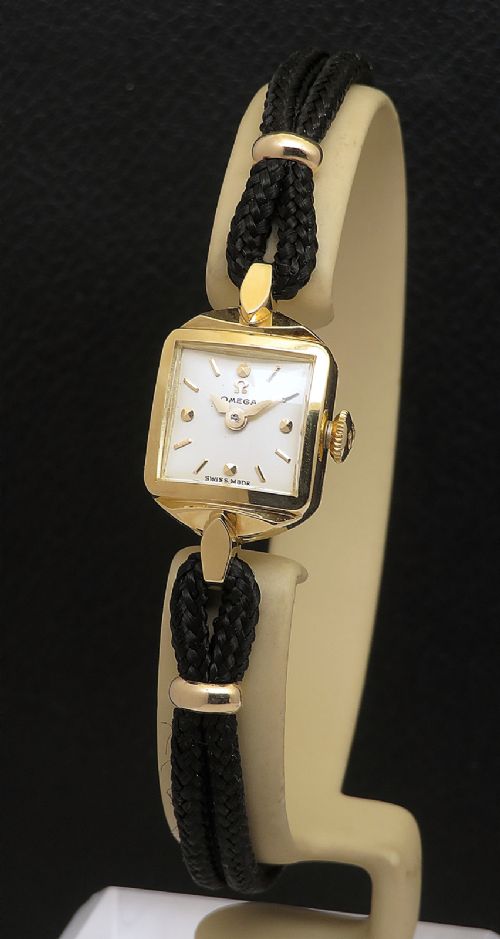
Examples range from utilitarian steel field watches to heavy 18ct gold cocktail designs housed in their original boxes with paperwork. Collectors select these items for their mechanical integrity, historical associations, and distinct aesthetic character missing from modern production.
Materials and construction
Workshops relied on precious metals like solid 9ct gold, 18ct gold, and gold plate alongside durable stainless steel to construct robust outer cases. These housings protected intricate internal movements while providing distinct aesthetic finishes ranging from bright mirror polishes to utilitarian brushed textures.
Dials utilised protective layers of glass and acrylic or acrylic glass to shield delicate hands and painted markers from daily wear. Fastening systems combined supple leather straps with fitted metal bracelets secured by signed buckles.
Internal mechanics depended on complex gear trains, jewelled bearings, and specialised complications such as chronographs, calendar mechanisms, and bumper automatic rotors. Skilled watchmakers assembled these components by hand, ensuring precise regulation across decades of service.
Early trench watches arrived with protective metal shrapnel guards strapped across the glass to survive frontline explosions.
Judging quality and preservation
The distinction between standard production and top-tier execution rests on the original factory condition of the dial and the complexity of the internal movement. Original, unpolished cases retain their sharp factory bevels and clear hallmarks, whereas over-polished examples lose their intended geometry.
The presence of original manufacturer boxes, guarantee papers, and signed buckles elevates a piece significantly beyond a watch unaccompanied by documentation. High-tier items often feature chronometer certification or specialised complications like triple calendars and chronographs executed by esteemed houses.
Omega·Rolex·Tudor·IWC·Longines·Eterna·Jaeger LeCoultre·Vacheron Constantin·Smiths·Bulova
The Vintage Wristwatch Glossary
- Automatic
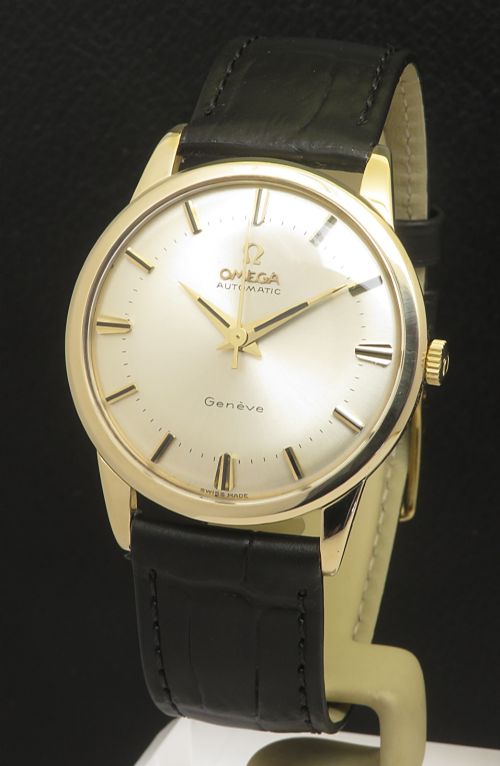
- A self-winding mechanical movement that uses a weighted rotor to wind the mainspring through the natural motion of the wearer's wrist.
- Chronometer
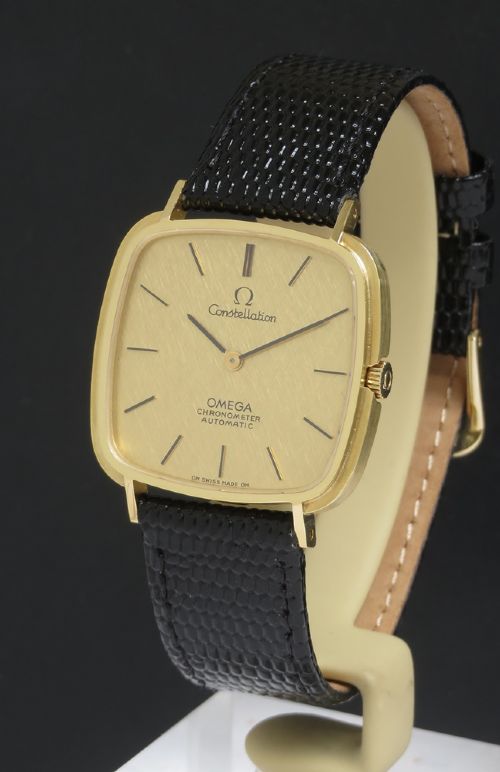
- A high-precision watch that has been tested and certified to meet strict accuracy standards over various temperatures and positions.
- Chronograph
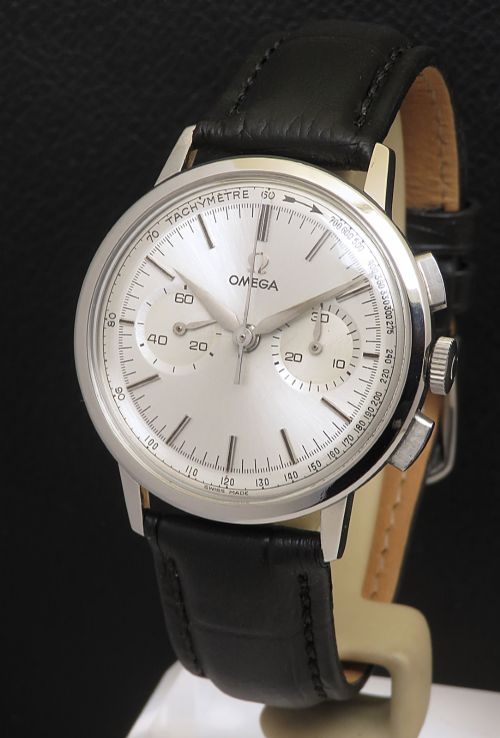
- A specialised timepiece equipped with a secondary independent sweep second hand to measure elapsed time intervals like a stopwatch.
- Bumper
- An early form of automatic movement where the rotor swings through a limited arc and bounces against springs rather than rotating fully 360 degrees.
- Calibre
- The specific manufacturer designation used to identify a particular movement design and its internal mechanical layout.
- New Old Stock
- Unused vintage inventory discovered in unworn condition, often preserved with original tags and packaging from its period of manufacture.
Vintage Wristwatch: Frequently Asked Questions
What is a bumper automatic movement?
A bumper automatic relies on a semi-circular weighted rotor that swings back and forth against internal springs to wind the mainspring.
This early mechanical design produces a distinct physical tap on the wrist during normal daily wear.
How do I identify the production year?
Production years are typically determined by examining serial numbers engraved on the inside of the case back or stamped directly onto the internal movement.
Matching these numbers against manufacturer production ledgers provides a reliable date of origin.
What is a Dirty Dozen watch?
The Dirty Dozen refers to a specific group of rugged wristwatches commissioned by the British Ministry of Defence during the Second World War.
These standardised military timepieces were manufactured by twelve different Swiss firms to strict government specifications.
Are original boxes and papers important?
Original boxes and accompanying paperwork provide definitive provenance and confirm the complete historical package of the timepiece.
Such documentation significantly enhances the desirability and completeness of vintage horological examples.
What distinguishes gold plate from solid gold?
Solid gold watches feature cases constructed entirely from precious metal, offering lasting weight and durability.
Gold plated examples utilise a base metal core bonded with a thin outer layer of gold that can wear through over generations.