

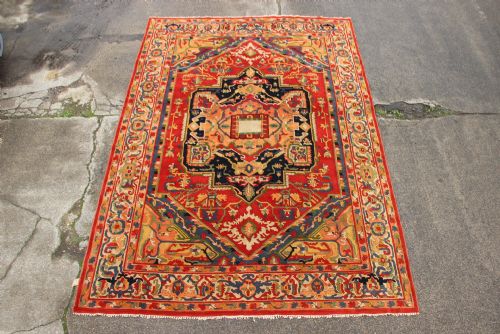
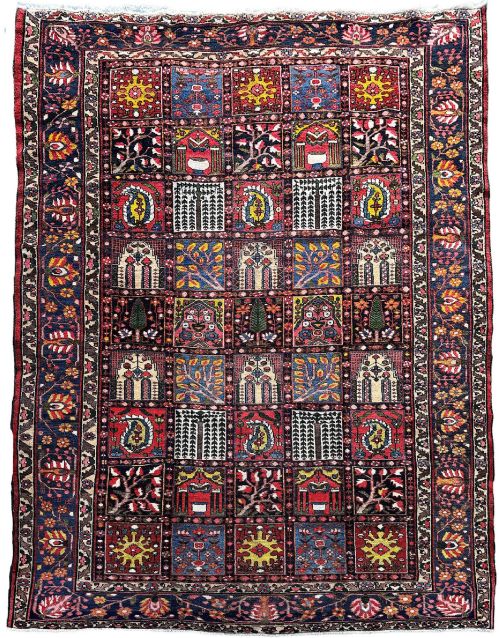
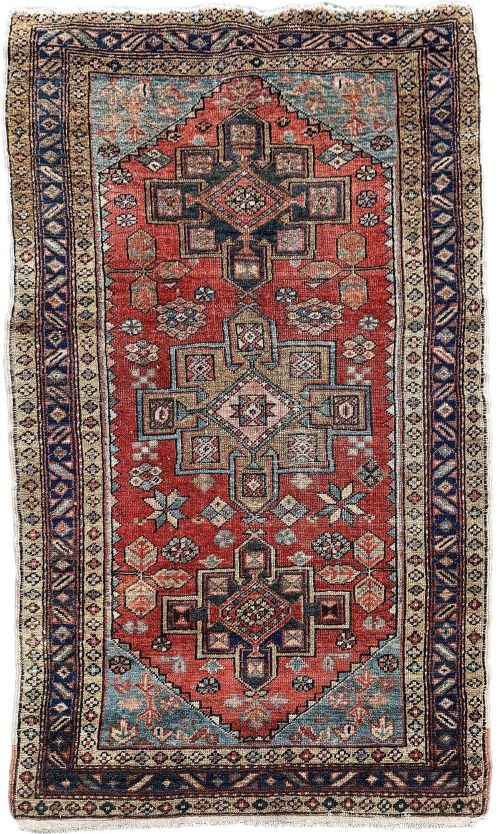
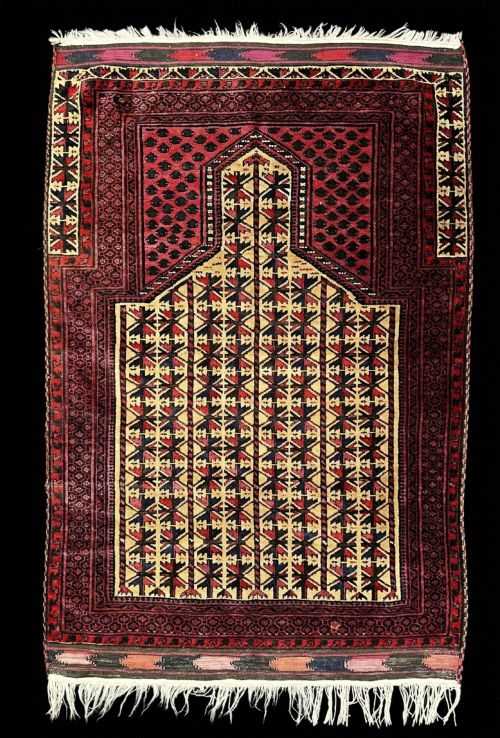
Vintage Woven Persian Carpet
A vintage woven persian carpet brings centuries of textile artistry into a room through dense knots and enduring designs.
Vintage Woven Persian Carpet
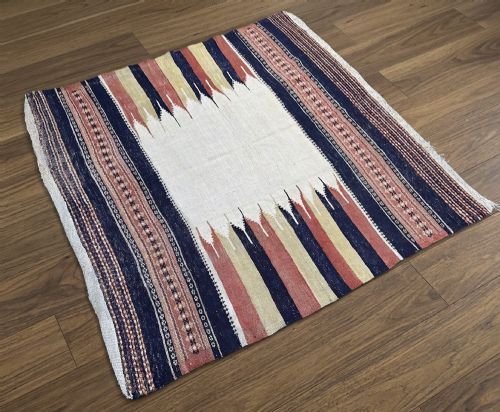
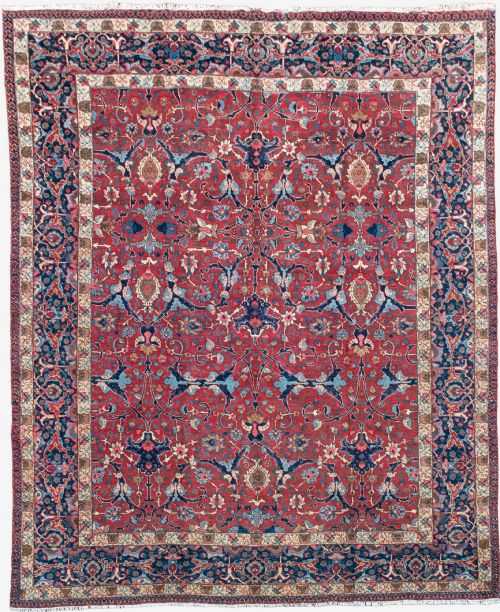
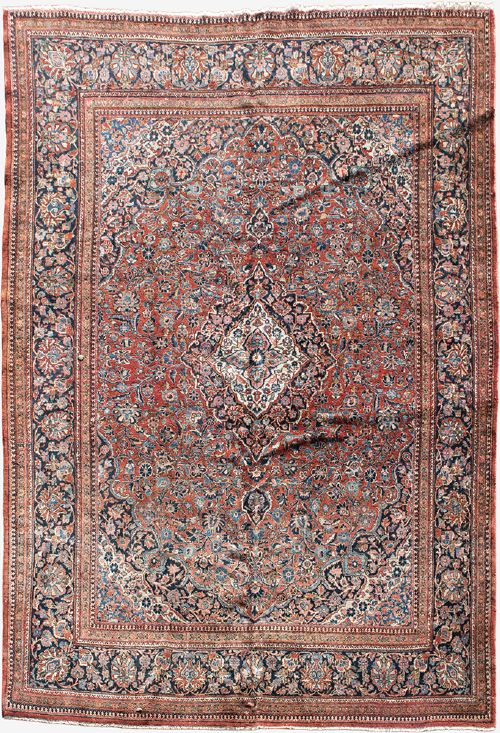
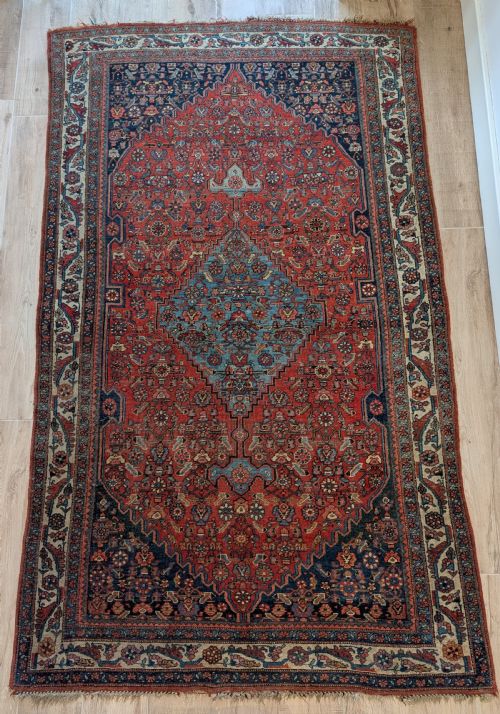
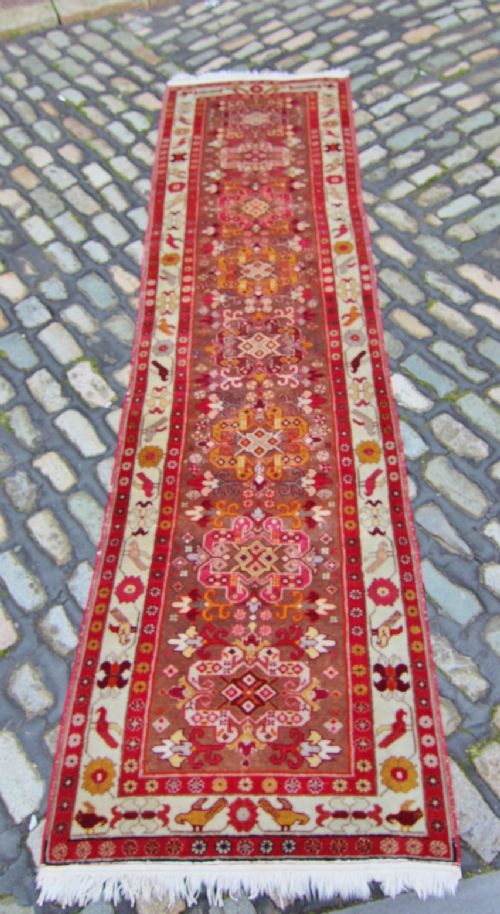
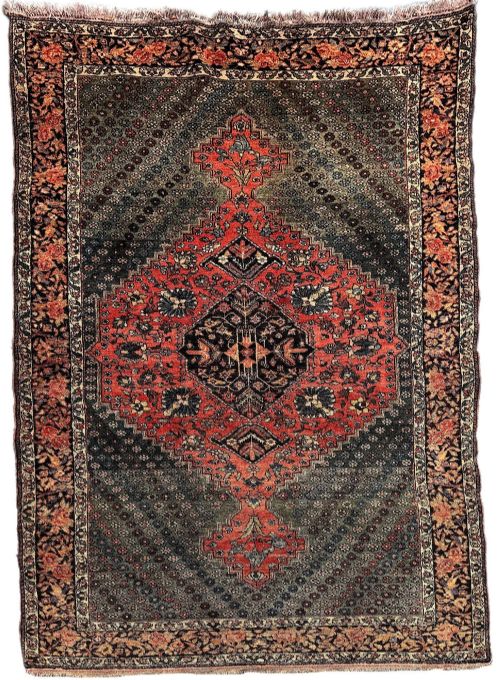
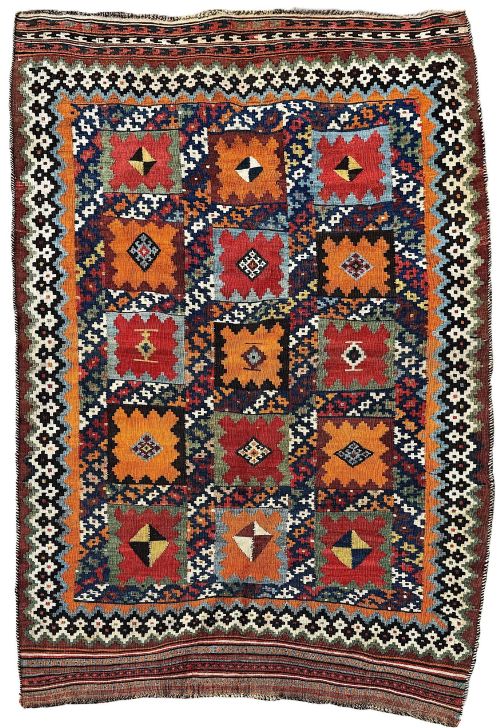
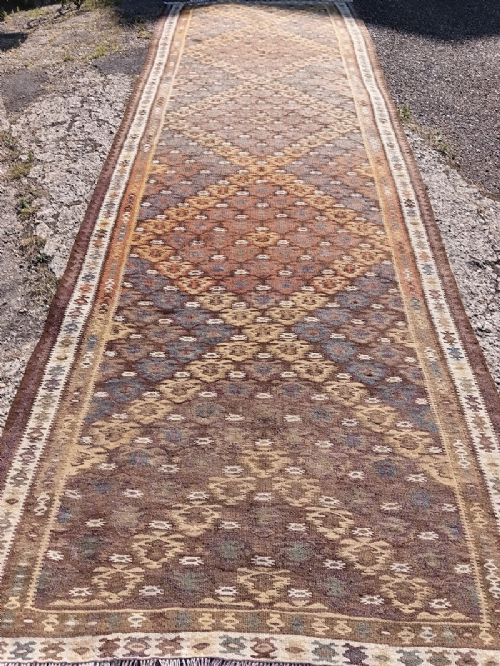
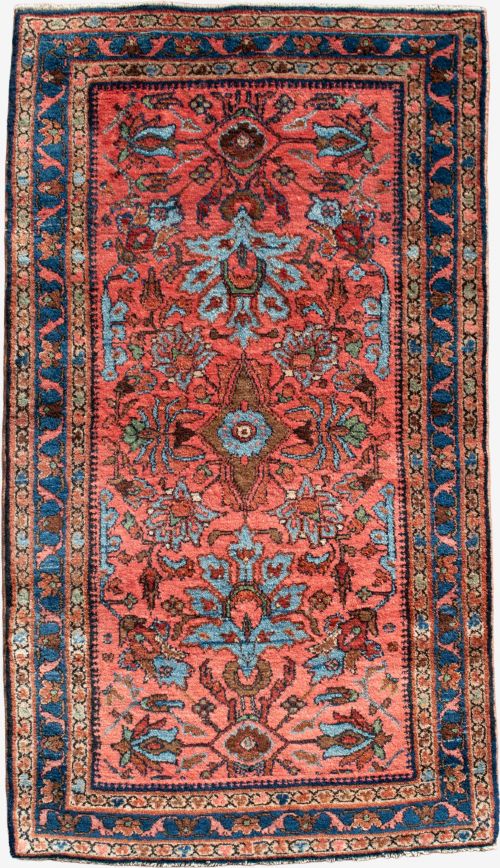
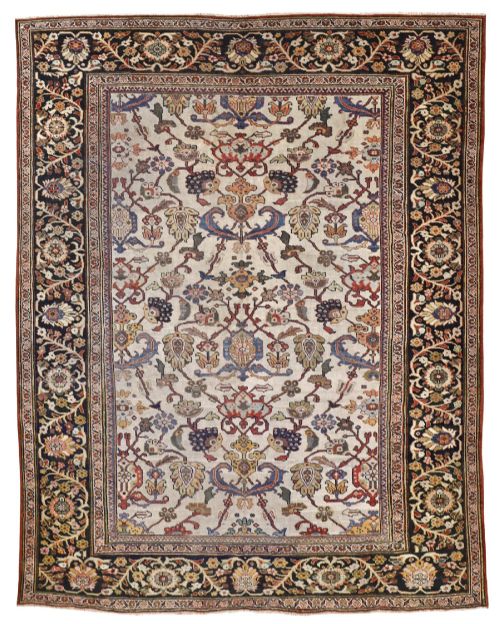
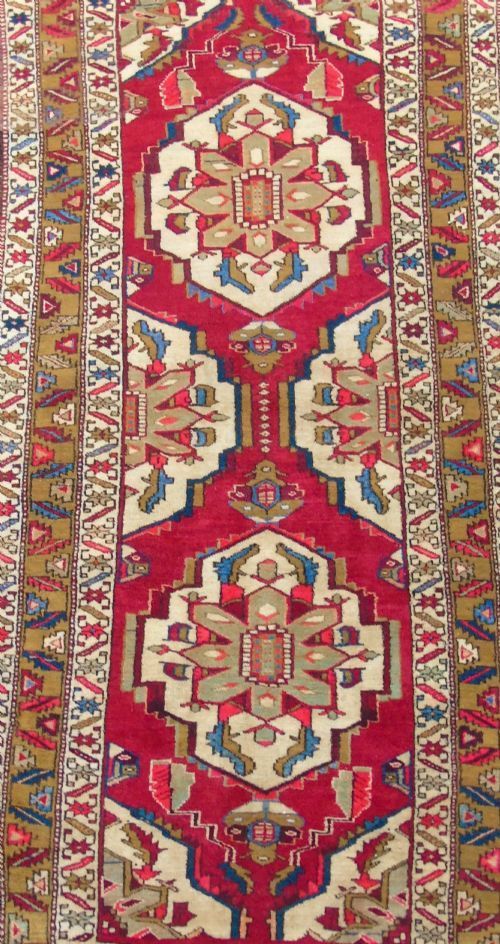
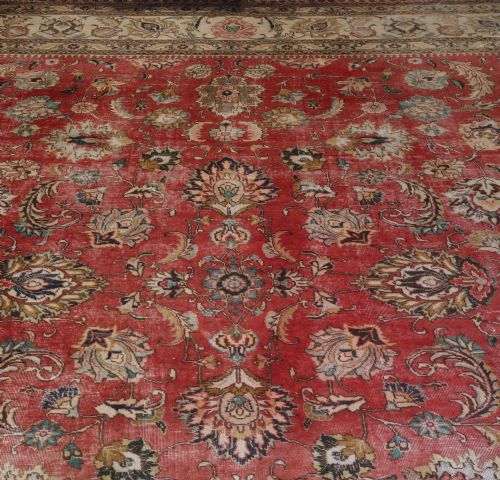
A vintage woven persian carpet encompasses hand-knotted floor coverings originating from various regions and nomadic tribes across Persia. Buyers searching this phrase encounter formats ranging from large palace carpets down to hearth-sized rugs, hallway runners, kilims, and small saddle covers.
The pieces span periods from the nineteenth century through the 1920s, 1930s, and into the mid-twentieth century. Tribal styles such as Baluch, Khamseh, and Afshar sit alongside workshop productions like Heriz, Kashan, and Tabriz.
Village and tribal examples display geometric medallions and repeating motifs woven with local character. City carpets present intricate floral patterns and central medallions executed with high precision.
Materials and construction
Makers utilised natural materials, predominantly wool and cotton, with occasional silk highlights for detailed accents. Hand-spun wool provides resilience and rich texture, while cotton foundations offer structural stability for the pile.
The construction relies on manual knotting techniques applied to warp and weft foundations. Artisans dyed wool using traditional natural substances, resulting in tones that soften gracefully over decades of use.
Vintage Woven Persian Carpet Retail Price Guide 2026
Typical asking prices for vintage woven persian carpet among the pieces listed under this phrase on Sellingantiques today, from the lower quarter to the upper quarter. They describe what is for sale here now, not the wider market.
Listings span periods from the 19th century through the 1920s and 1930s, featuring wool, cotton, and silk materials.
Assessing quality
Knot density and structural tightness dictate the fineness of the weave, separating village utilitarian work from master city workshops. Finer knotting allows for crisper botanical or geometric delineation.
The handling of wool and the depth of dye saturation define the visual warmth of the piece. Superior examples maintain balanced proportions and harmonious colour palettes that age evenly across the field.
The Vintage Woven Persian Carpet Glossary
- Kilim
- A flat-woven carpet or rug produced without a pile. These pieces rely on interlocking weft threads to form geometric patterns.
- Medallion
- A large central ornamental design motif placed in the middle of the carpet field. This focal point structures the surrounding field patterns.
- Warp
- The vertical threads stretched tightly on the loom that form the foundational skeleton of the rug. Fringe ends typically originate from these parallel strands.
- Weft
- The horizontal threads passed through the warp strands to lock the knots in place. Proper tension here ensures the structural integrity of the weave.
- Pile
- The upright cut ends of the knotted yarn that form the usable surface of the carpet. Wool and silk make up this soft upper layer.
Vintage Woven Persian Carpet: Frequently Asked Questions
How do I identify a tribal rug?
Tribal rugs typically display geometric motifs, memory-woven patterns, and asymmetric designs reflecting nomadic traditions. These pieces often utilise hand-spun wool with saturated colours derived from local plants.
City carpets, by contrast, rely on fixed workshop cartoons, symmetrical floral layouts, and finer knot counts. Examining the border symmetry and wool texture clarifies the origin.
Where should I place a runner?
Runners suit narrow spaces such as hallways, corridors, and galley kitchens where length takes precedence over width. Their elongated format guides movement through a home while protecting timber flooring.
Ensure the rug size allows for clear margins of exposed floor around the edges. Placing an appropriate underlay beneath prevents sliding in high-traffic zones.
How do I care for wool pile?
Regular gentle vacuuming without a rotating brush roll removes embedded dust and protects the wool fibres. Avoid shaking antique textiles or exposing them to direct, harsh sunlight for prolonged periods.
Professional specialist cleaning is recommended to preserve the natural lanolin in hand-spun wool. Promptly blot liquid spills rather than rubbing them into the pile.
What is a prayer rug?
Prayer rugs feature a distinct mihrab or arch design indicating the direction of Mecca during daily worship. The niche motif guides the user on positioning the textile.
These portable formats served practical religious functions for travellers and villagers alike. Today, they function as compact decorative wall hangings or accent floor pieces.