




Vintage Wool Hallway Carpet
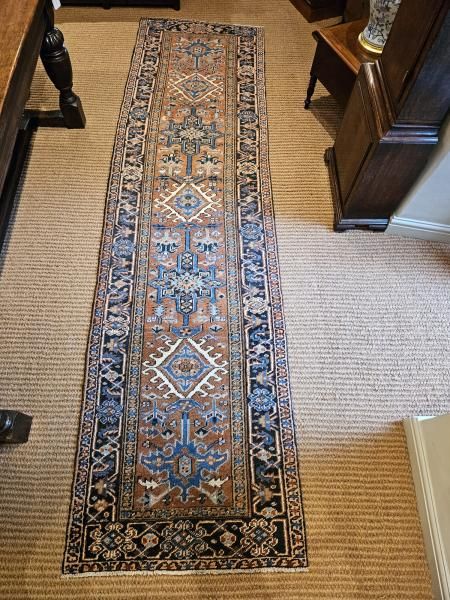
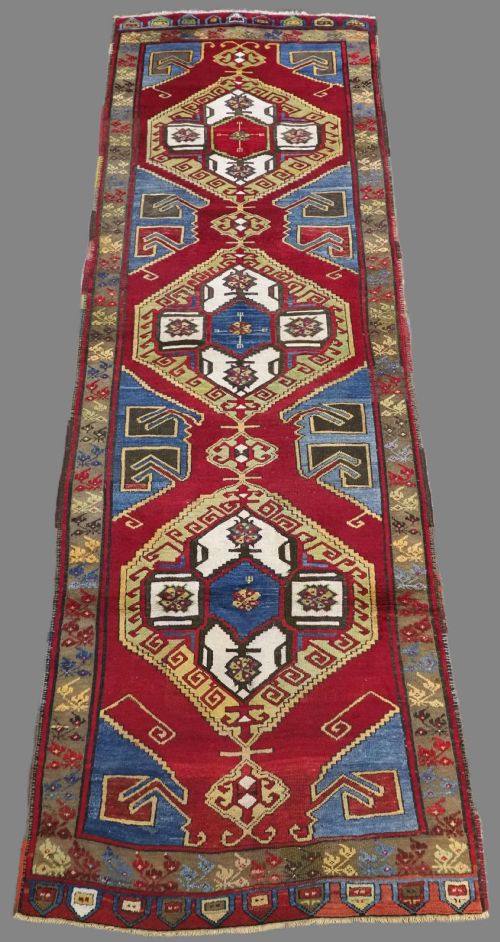
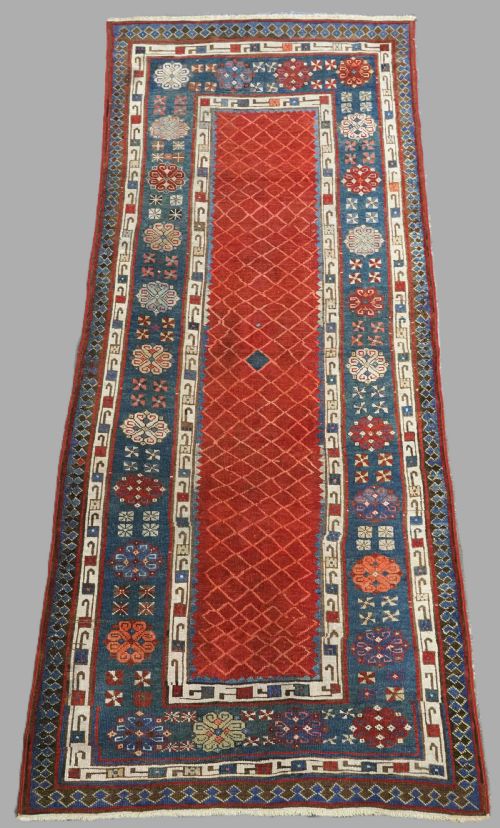
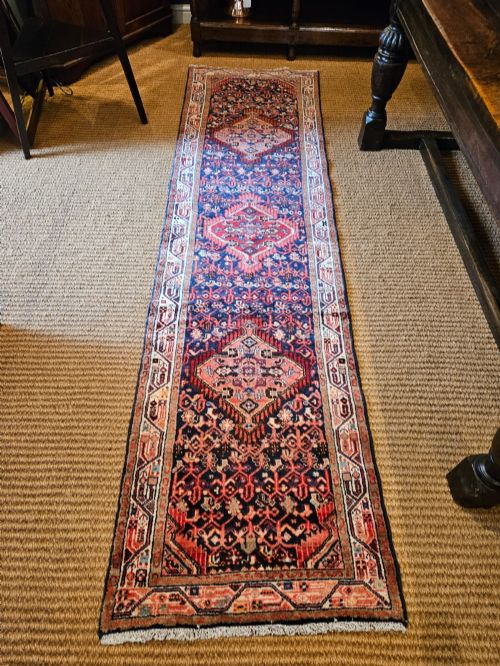
These vintage wool hallway carpets are long, narrow floor coverings designed to protect passageways with traditional weave and pattern.
Vintage Wool Hallway Carpet
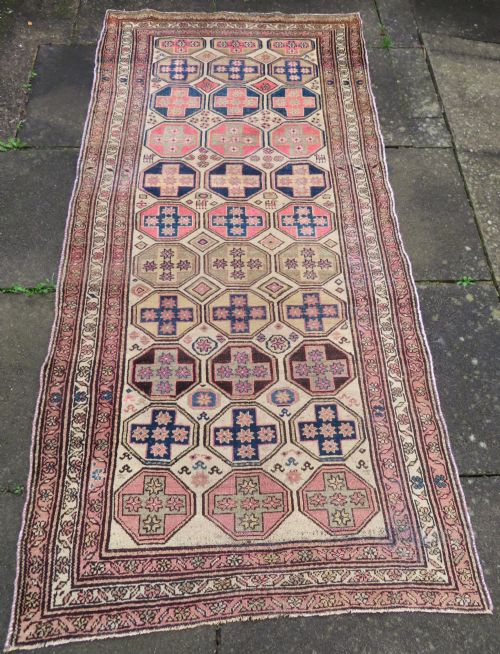
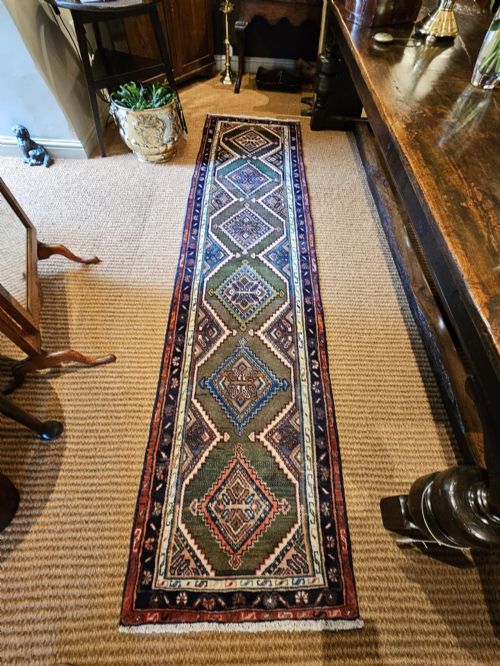
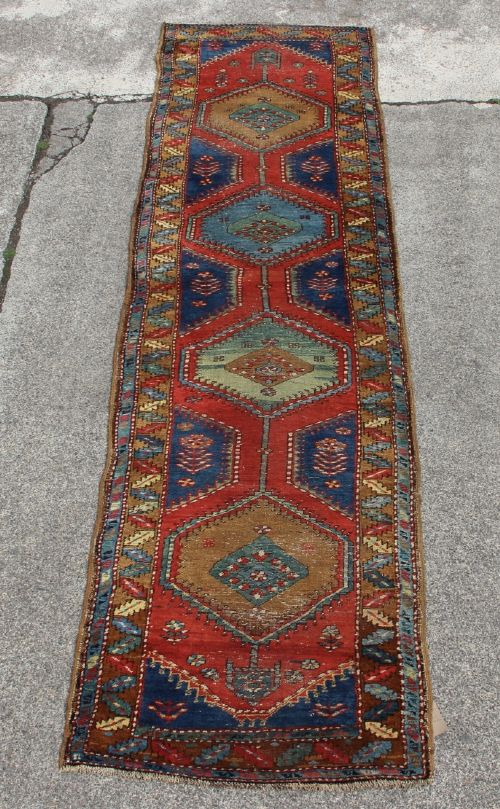
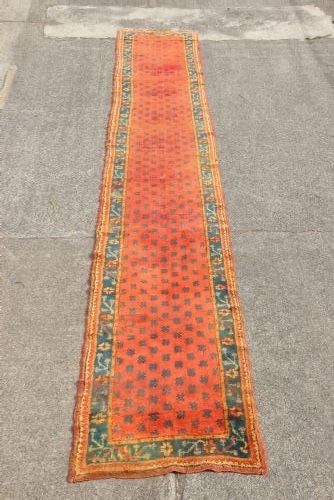
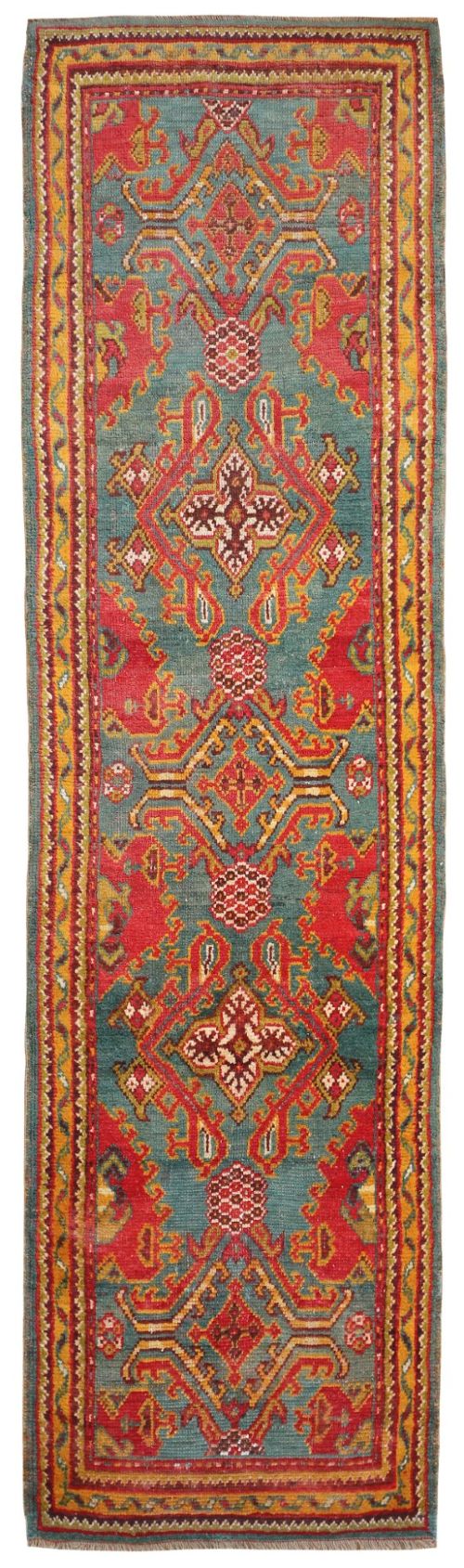
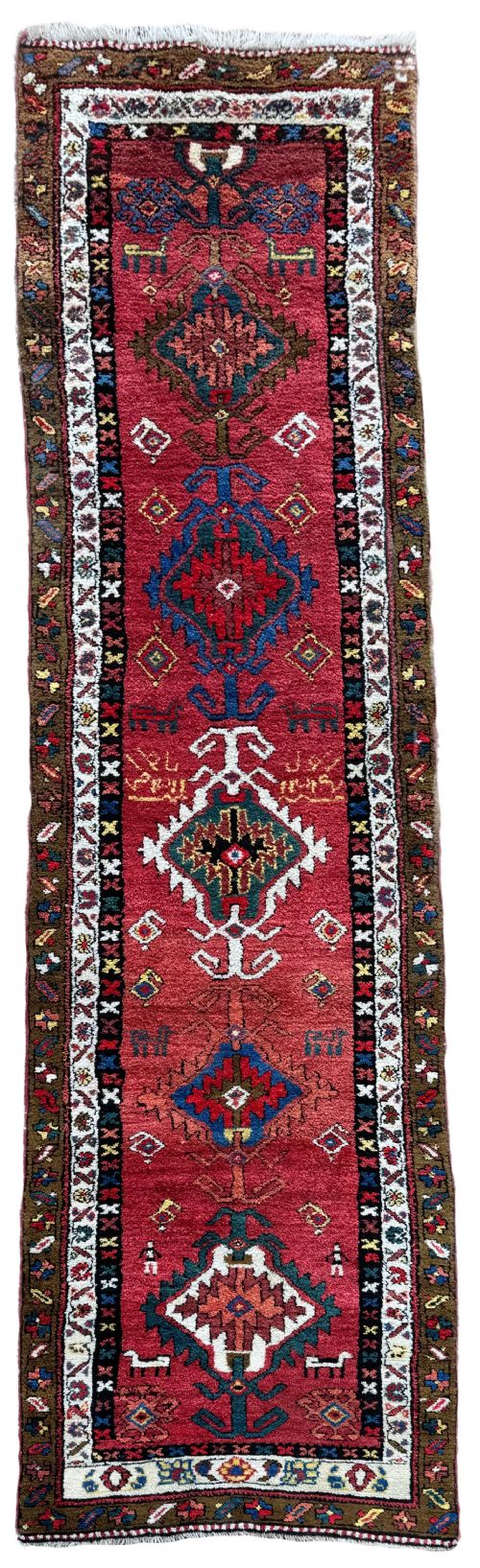
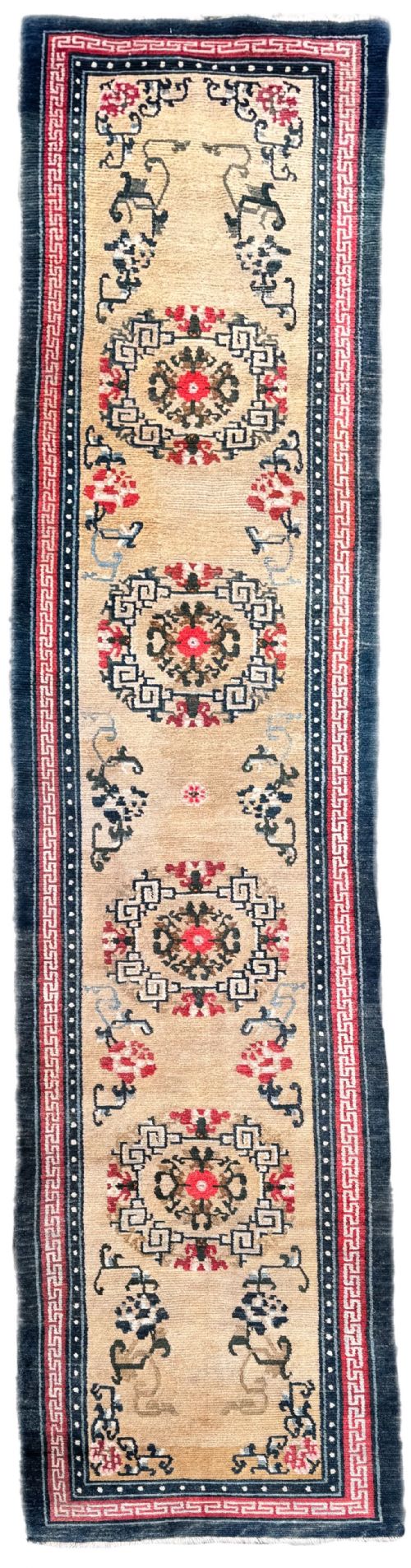
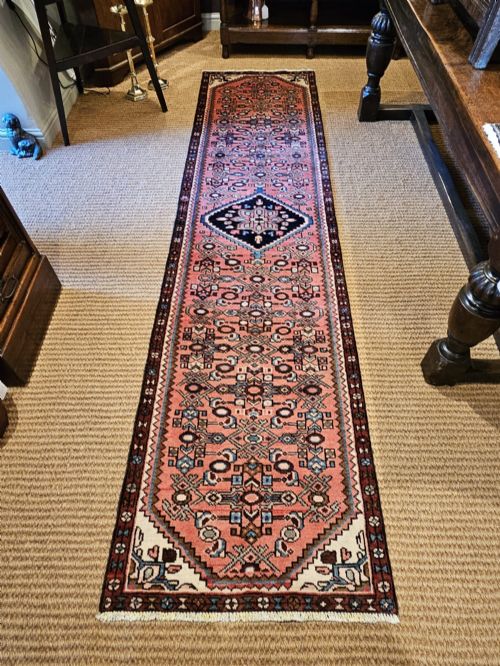
A vintage wool hallway carpet is primarily an elongated floor covering, often listed as a runner, designed specifically for narrow spaces like corridors, halls and landings. The pieces found here span various periods from the late nineteenth century into the twentieth century, originating from regions including Persia, Turkey, the Caucasus and Tibet.
The format of these items is dictated by their architectural function, measuring long and narrow to fit domestic passageways. They appear in styles ranging from Persian Tribal and traditional Persian to Caucasian, Anatolian Tribal and Kurdish designs.
What varies in quality
The standard of a runner depends on the tightness of the weave and the precision of the knotting executed by the maker. Finer examples display greater intricacy in traditional motifs and maintain structural resilience across their length.
Preservation of the wool pile and the integrity of the edges also separate individual pieces. Condition ranges from robust historical specimens to heavily distressed examples showing age and wear.
Some resilient corridors met their match in a thirty-two foot landing runner.
The Vintage Wool Hallway Carpet Glossary
- Runner
- A long, narrow carpet format specifically proportioned for corridors, hallways and stairs. These pieces measure significantly longer than they are wide.
- Pile
- The upright yarn loops or cut ends that form the usable surface of a carpet. In these pieces, the pile is woven from wool.
- Kurdish
- Pertaining to rugs woven by Kurdish tribal groups, often characterised by robust geometric patterns and strong colours. These pieces originate from distinct weaving traditions in Western Asia.
- Heriz
- A style of Persian carpet originating from the Heris region, known for bold geometric medallions and durable construction. Runners in this style show distinct angular motifs.
- Ushak
- A style of Turkish carpet produced in the town of Ushak, historically recognised for large-scale floral or medallion designs. These runners display characteristic muted or rich tones.
Vintage Wool Hallway Carpet: Frequently Asked Questions
Where should I place a hallway runner?
A hallway runner belongs in narrow corridors, entryways and landings where foot traffic is frequent. Its elongated proportions protect wooden flooring while adding warmth and pattern to transitional spaces.
Ensure you measure the width and length of your corridor carefully, leaving a uniform border of exposed floor around the perimeter of the carpet for a balanced look.
How do I identify the age of a wool runner?
Dating a vintage wool runner involves examining the materials, natural dye variations, weave structure and regional design characteristics. Pieces from the nineteenth and early twentieth centuries often exhibit hand-spun wool and specific tribal motifs.
Comparing the structural wear and knot density against known regional examples helps narrow down the production period.
Are wool carpets durable for heavy traffic?
Wool is a natural fibre containing lanolin, which provides inherent resilience and resistance to dirt and crushing. This makes wool runners well suited for busy domestic hallways.
Regular gentle maintenance and the use of a suitable underlay help preserve the structural integrity of the woven foundation over decades of use.
What is the difference between tribal and traditional designs?
Tribal designs, such as those from Kurdish, Afshar or Caucasian makers, typically feature geometric motifs, memory-woven patterns and expressive local character. Traditional Persian styles often incorporate more formal medallion layouts and curvilinear floral elements.
Both categories utilise wool construction but reflect distinct cultural weaving traditions and geographical origins.