
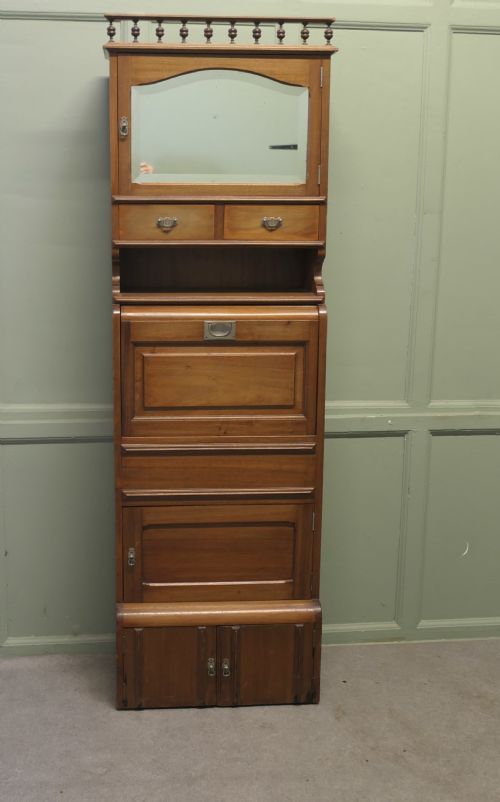
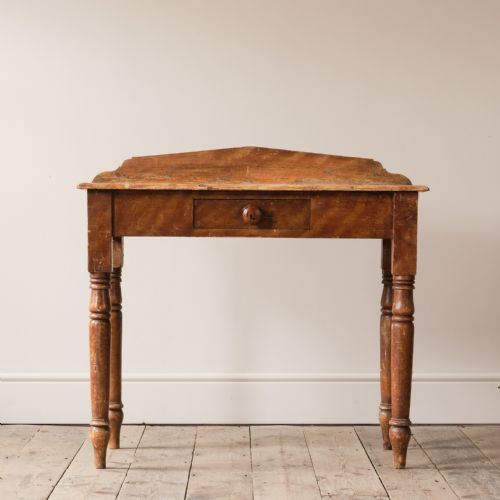
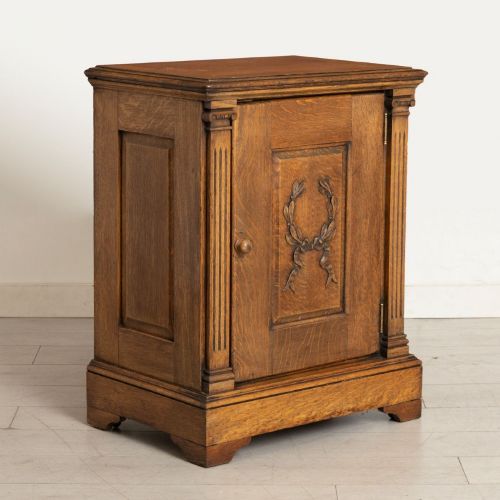
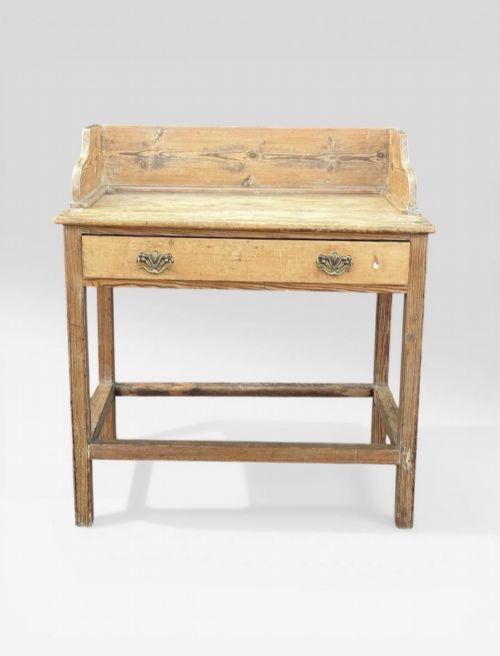

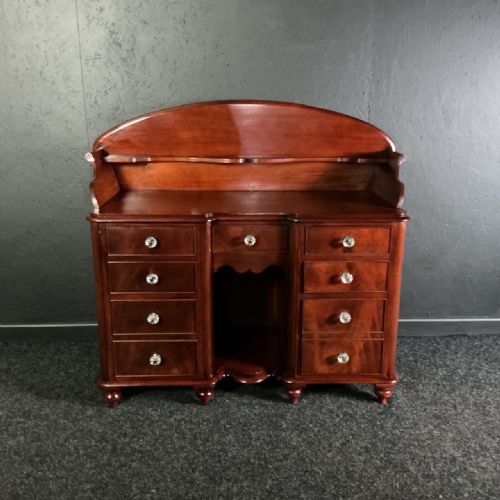
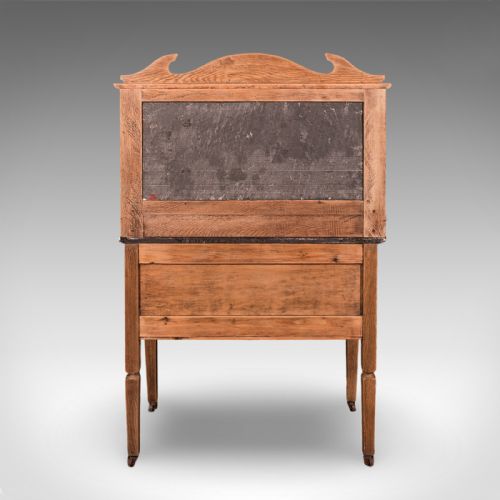

Vintage Wooden Washstand
A vintage wooden washstand brings practical surface space and period character to a bedroom, combining functional timber construction with heritage design.
Vintage Wooden Washstand
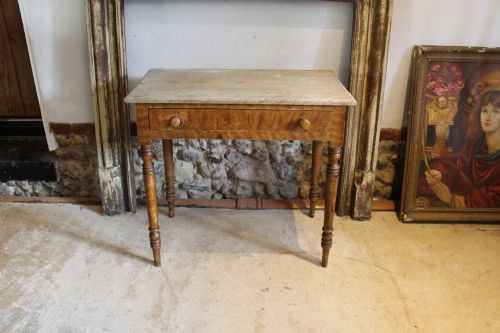
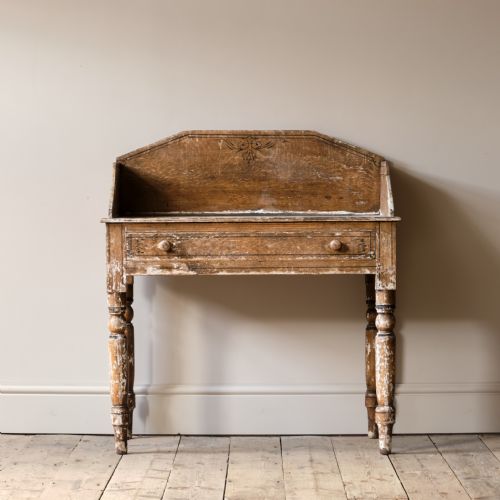
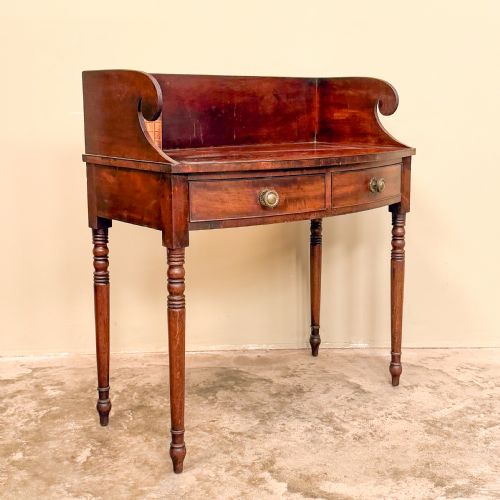
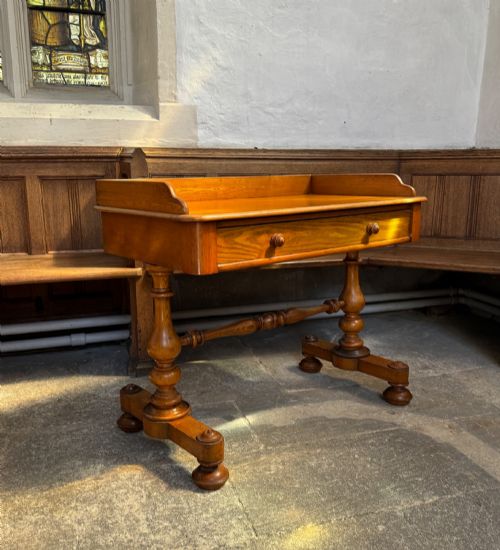
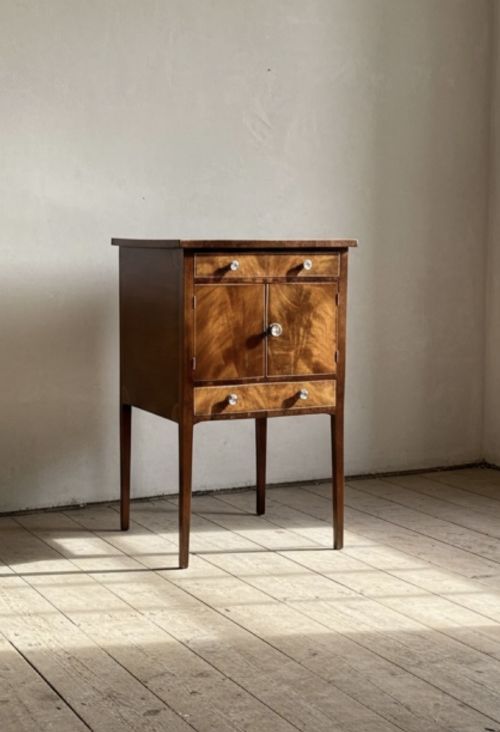
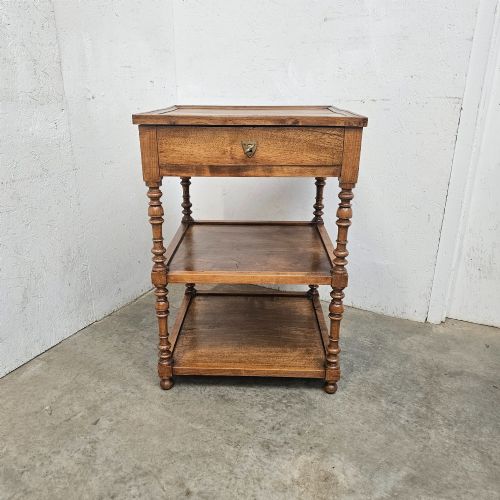
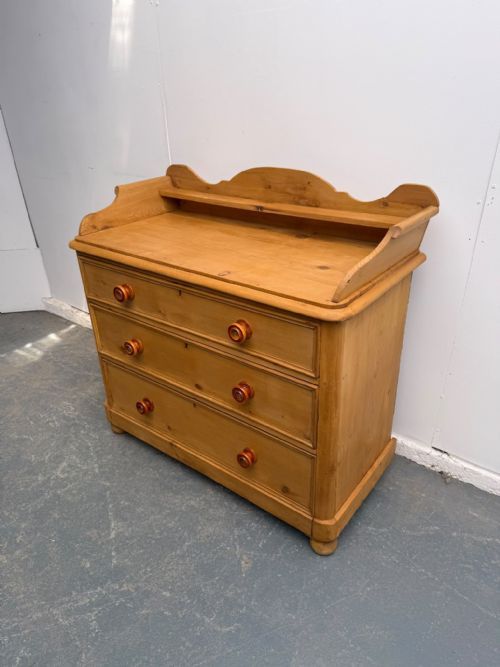
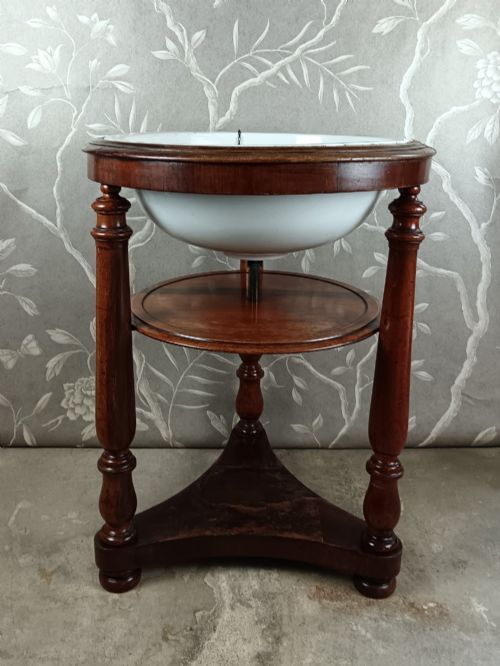
A vintage wooden washstand is a piece of antique furniture originally designed to hold a basin and jug for washing before plumbed bathrooms became common. Buyers searching for a vintage wooden washstand encounter items spanning the Georgian, Victorian, and Edwardian eras, as well as the 19th century.
The selection on this page includes washstands made from pine, mahogany, and walnut, frequently appearing alongside related forms such as bedside tables, side tables, and chests. Many examples demonstrate regional and period styles including French Provincial, Victorian Country, and campaign furniture.
What varies in quality
Quality in these pieces depends upon the selection of timber, such as flame mahogany or dense pine, and the precision of the joinery used in drawers and turned legs. The choice of secondary materials, including the thickness of inset marble slabs and the execution of satinwood inlay, separates standard utility pieces from finer commissions.
The survival of original surface treatments, whether historic paint, scumble finishes, or waxed polish, dictates the integrity of the object. Maker attribution and specialised hardware also distinguish higher-tier examples produced by recognised workshops.
Listings span the 18th century, Georgian, Victorian, and Edwardian periods, featuring materials such as marble, brass, mahogany, pine, and paint.
James Shoolbred·Gillows
The Vintage Wooden Washstand Glossary
- Campaign furniture
- Portable furniture made in sections with brass corners and recessed handles, designed for easy dismantling and transport by military officers.
- Scumble
- A decorative painting technique involving a translucent top layer dragged or combed over a base colour to imitate the grain of finer woods.
- Satinwood
- A durable, yellowish-grey timber with a lustrous sheen, frequently utilised for decorative stringing and contrasting inlay on mahogany furniture.
- Wig stand
- A small, specialised table featuring a small circular basin or ring at the top designed to hold a gentleman's wig.
- Etagere
- A set of open shelves for displaying small objects, supported by slender uprights or turned legs.
Vintage Wooden Washstand: Frequently Asked Questions
What was a washstand used for?
A washstand provided a dedicated station in a bedroom or dressing room for morning ablutions, holding a ceramic basin, water jug, and soap dish before indoor plumbing was standard.
Over time, many surviving pieces transitioned into general side tables, hallway furniture, or bedside surfaces once modern bathrooms removed their original purpose.
How do I identify a Victorian washstand?
Victorian washstands typically feature darker timbers like mahogany and walnut or substantial pine, often displaying turned legs, gallery backs, or cupboard doors.
Later Victorian examples may also incorporate marble tops to protect the wood from water splashes, reflecting the hygiene standards of the late nineteenth century.
Can I use a washstand as a modern basin?
Many buyers adapt antique washstands into bathroom vanities by cutting the wooden top to house modern drop-in basins and plumbing fixtures.
Doing so requires careful sealing of the surrounding timber and marble surfaces to prevent water damage from daily bathroom use.
What is the difference between a washstand and a bedside table?
Washstands were originally manufactured taller and larger to accommodate washing equipment, frequently including splashbacks, towel rails, or marble surfaces.
Bedside tables and cabinets are generally more compact, built specifically to sit beside a bed for night-time storage rather than washing routines.