




Vintage Wooden Wall Storage
Vintage wooden wall storage organises small spaces with character, offering everything from mahogany corner cupboards to industrial pigeon holes.
Vintage Wooden Wall Storage
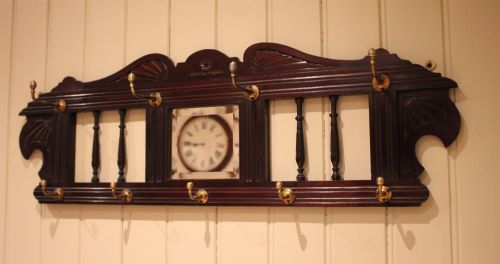
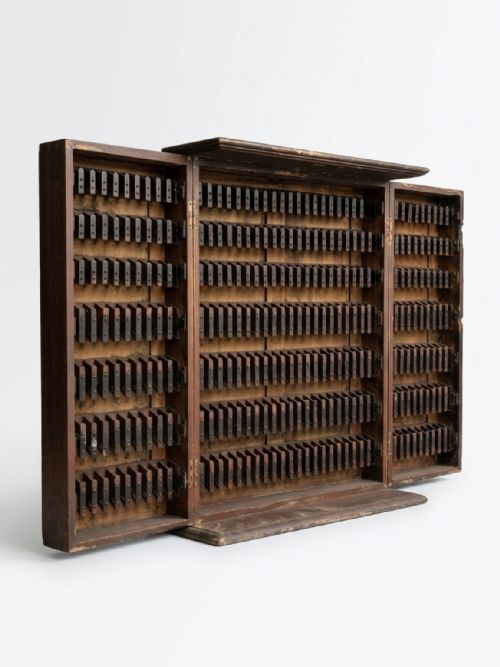
Vintage wooden wall storage encompasses practical domestic and functional furnishings designed to hang on walls, saving floor space while keeping rooms tidy. When searching for vintage wooden wall storage, buyers encounter utilitarian pigeon holes, hanging corner cabinets, spice boxes, and coat racks.
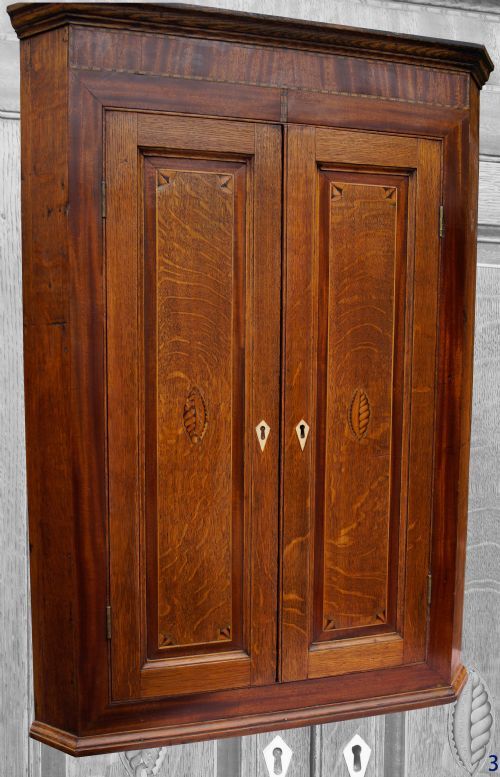
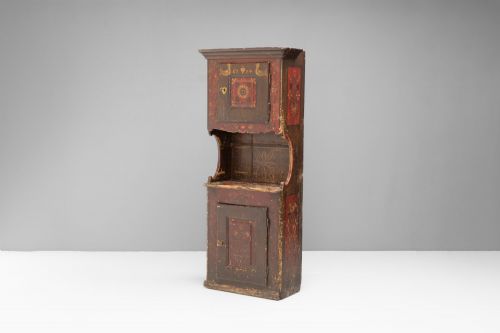
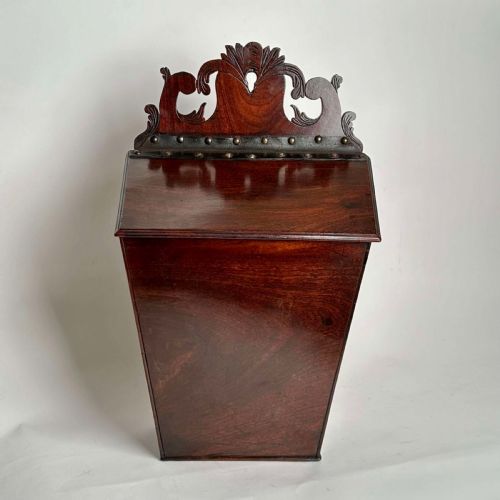
The pieces on this page span several centuries and styles, dominated by Georgian mahogany corner cupboards and nineteenth-century pine pigeon holes. Regional examples range from French provincial oak to Scandinavian country pieces and Italian walnut shelves.
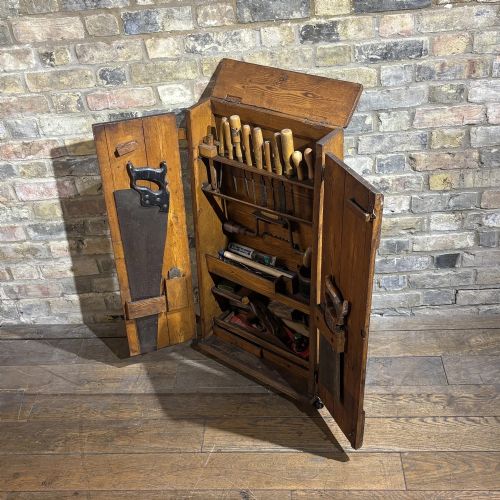
Forms vary from glazed wall cabinets and tool chests to key cupboards and small bookcases. These items served specific historical functions in domestic kitchens, workshops, and railway offices before finding new roles in modern homes.
How they were made
Carpenters and cabinetmakers constructed these wall pieces primarily from solid timbers like mahogany, oak, pine, and walnut, often combining woods within a single carcass. Secondary woods appeared on interior shelving and backboards, while structural reinforcement relied on iron and brass fixings.
Surface finishes range from natural waxed patinas and polished mahogany to historic painted surfaces. Joinery techniques varied according to the period and purpose, utilising dovetailed corners for drawers and sturdy pegged joints for heavy oak cupboards.
Night porters once locked their keys inside small wooden wall cupboards before the morning shift began.
What varies in quality
Quality in these wall-hung pieces rests upon the selection of timber and the integrity of the original construction rather than decorative excess. Finer examples display carefully chosen mahogany grain, well-fitted panel doors, and intact original brass hinges or handles.
Simpler utilitarian items, such as railway ticket cupboards or workshop pigeon holes, derive their appeal from honest wear and straightforward construction. The best surviving pieces retain their structural soundness and original mounting points without excessive modern intervention.
The Vintage Wooden Wall Storage Glossary
- Bowfront
- A curved front profile typical of certain Georgian corner cupboards designed to project smoothly into a room. This shape softens the hard angles usually found in corner furniture.
- Pigeon holes
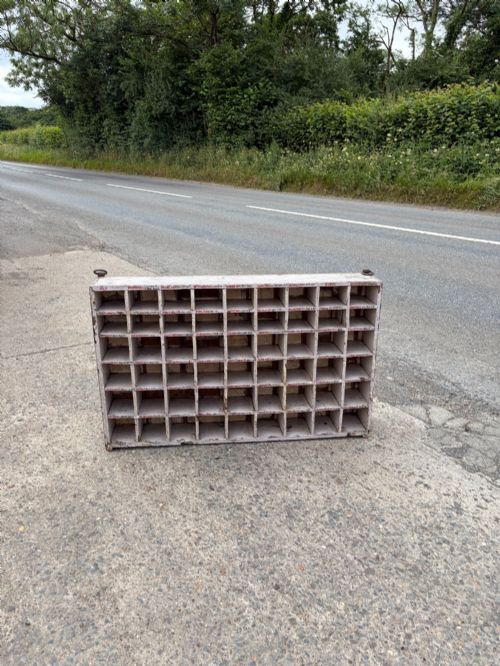
- Compartmentalised open shelving units historically used for sorting documents, mail, or tickets. They offer practical grid storage for modern paperwork or small objects.
- Corner cupboard
- A triangular cabinet built specifically to fit into the internal angle of a room. These saved valuable floor space in period homes.
- Spice box
- A small wall-hanging wooden box fitted with internal drawers or shelves for storing dry goods and herbs. They frequently feature secure doors and compact proportions.
Vintage Wooden Wall Storage: Frequently Asked Questions
How do I hang a heavy wooden wall cabinet safely?
Heavy wall cabinets require secure fixing directly into wall studs or masonry using appropriate wall anchors matched to the weight of the timber carcass. Professional installation ensures the piece remains stable and safe.
Many period cabinets retain original hanging brackets or reinforced backboards designed for traditional fixings. Checking these internal structural points before mounting protects the antique woodwork.
What is the difference between a corner cabinet and a corner cupboard?
The terms are often used interchangeably, though cabinets sometimes imply glazed doors for display while cupboards suggest solid wooden doors for enclosed storage. Both forms were essential space-saving solutions in historic interiors.
Georgian examples frequently utilise mahogany or oak, fitted neatly into room angles to maximise usable floor space. The internal layout usually consists of shaped wooden shelving.
How should I clean antique wooden wall storage?
Dust the surfaces regularly with a soft, dry cloth to prevent dirt accumulation on the timber grain. Avoid modern chemical sprays that can damage historic wax and polish finishes.
Period wood benefits from occasional applications of traditional beeswax to nourish the dry material. Keeping pieces away from direct heat sources prevents timber warping and shrinkage.
Where were pigeon holes originally used?
Pigeon holes served practical administrative roles in railway offices, sorting rooms, and workshops for organising tickets, mail, and small tools. Their compartmentalised structure made document retrieval efficient.
Tertiary evidence on this page shows both Victorian industrial examples and early twentieth-century variations. Today, these functional grids find new utility in studies and kitchens.